
Font size
 Worksheets
G8 Review_Biology Quiz - Topic 1.3 - 1.4
Total questions: 33
Worksheet time: 21mins
True or false: In a biology class, Heri learned that ciliated cells produce mucus to help trap dust and pathogens in the respiratory system.
false
true
What is the function of root hair cells?
absorb water and mineral salts
transport water and mineral salts
transport oxygen
provide mechanical support

Which structure in a plant cell would you not find in a root hair cell?
Cell wall
Chloroplast
Vacuole
Cell membrane

How is a leaf cell adapted for absorbing light efficiently?
It has a cellulose cell wall
It has a large vacuole
It has lots of chloroplasts
It has a large nucleus
In a biology class, Arif learned about different types of cells. His teacher explained that some cells are adapted to perform a specific function. What type of cells is she referring to?
All cells
Animal cells
Plant cells
Specialised cells
How are red blood cells adapted to perform their function? You may choose more than 1 option.
no nucleus
no cytoplasm
bigger than other cell in the body
contain haemoglobin
What is the function of root hair cells?
absorb water and mineral salts
transport water and mineral salts
transport oxygen
provide mechanical support
The red pigment in red blood cells that is able to bind to oxygen is called (a) .
We sense our surrounding, and nerve impulses are sent to the (a) (organ) to be processed before a response can be given out.
Suggest the job of a cell that has lots of folds on its surface, giving it a large surface area
Absorption
Movement
Protection
Secretion
What is a tissue?
A group of different cells performing the same function
A group of similar cells performing the same function
A group of different cells performing the same function
A group of different cells performing different functions
What it the correct order, from largest to smallest
Cell
Organ
Tissue
Organ system
Organism
Tissue
Cell
Organ system
Organ
Organism
Organism
Organ system
Organ
Tissue
Cell
Cell
Tissue
Organ system
Organ
Organism
What structure allows electrical signals to travel quickly in neurones?
Nucleus
Axon
Cytoplasm
Cilia
Some cells are specialised. What does this mean?
They are more important than other cells
There is only one of them.
They are adapted to perform a particular function.
They need certain things more than other cells.
In a complex organism, such as a human or a plant, similar cells are grouped together to form a __________
cell
tissue
organ
organ system
The heart and blood vessels are all part of the same ___________
cell
tissue
organ
organ system
What is a cell?
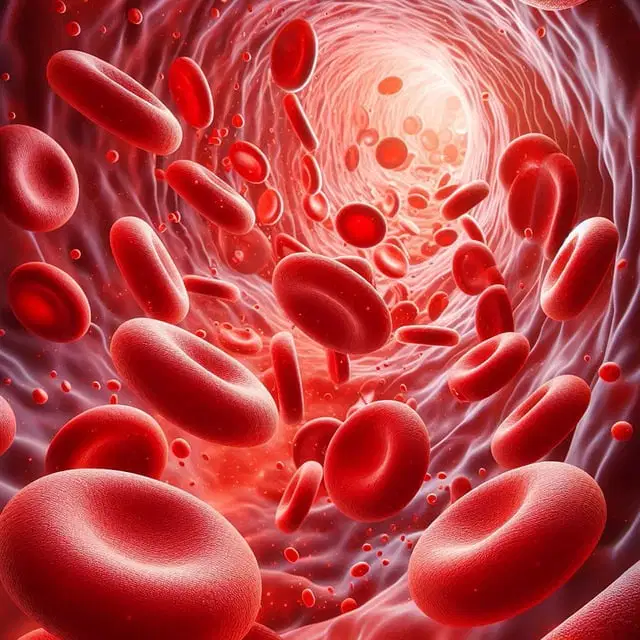
What is the function of this specialised cell?
Red blood cells do not have (a)
The reason of red blood cells able to transport oxygen

What is the function of this specialised cell?
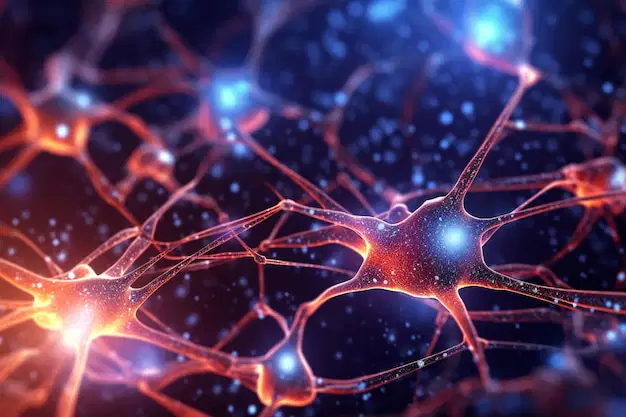
What makes this cell specialised?
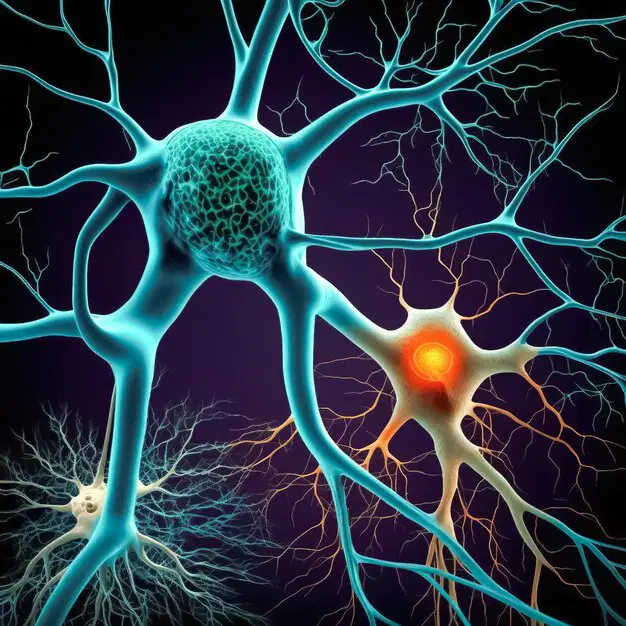
What body system of this specialised cell belong to?
What is an organ?
What part of neuron cells that receive electrical signal?
Nucleus
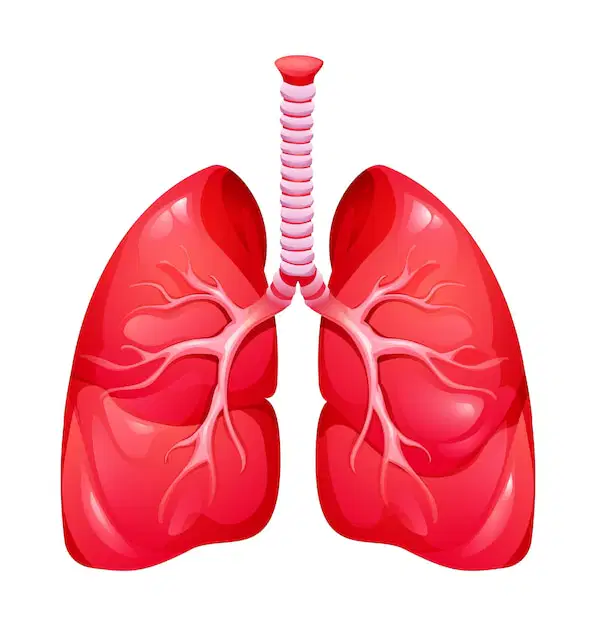
Which of the following statement below is correct definition based on the picture?
A group of similar cells which work together to perform a particular function
A group of tissues cells which work together to perform a particular function
A group of tissues cells which work together to perform a particular fucntion
A group of organs which work together to perform a specific function
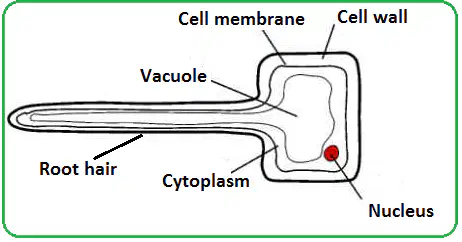
What makes this cell as specialised cell?
List two structure that red blood cells, neurons and ciliated cells have.
Which of the following option below is animal specialised cells? More than one answer
Neurone cells
Palisade cells
Red Blood cells
Ciliated cells
Root hair cells
Write two specialised plant cells.
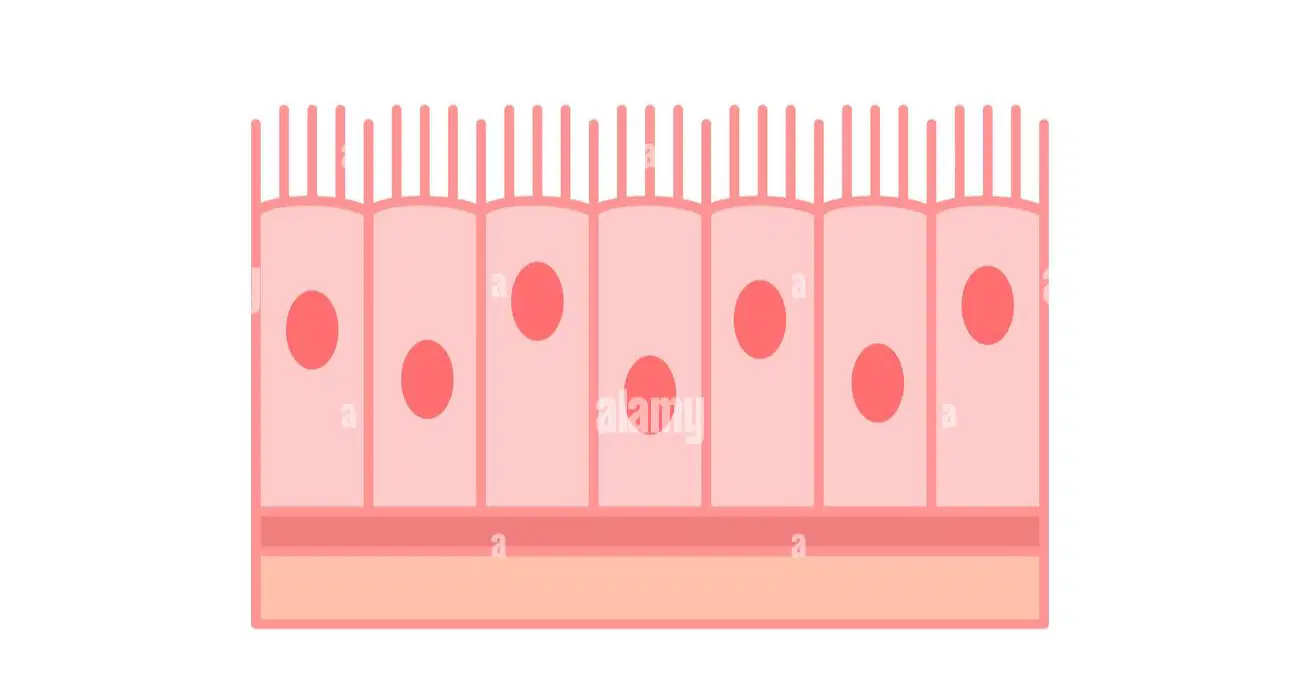
Which of the following option below refers to the picture?
Tissues
Cells
Organ system
Organ
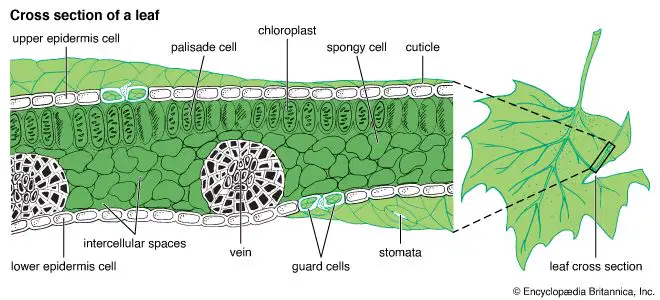
Which of the following option below refers to the picture?
Organ system
Cell
Tissue
Organ

