
 Worksheets
Mutualism Commensalism Parasitic Predator Competition
Total questions: 48
Worksheet time: 41mins
Name
Class
Date
1.

Cattle egrets forage (feed) in fields among cattle. The egret gets easy access to flying insects stirred up by the cattle, and the cattle don't care if they are there or not.
a)
mutualism
b)
commensalism
c)
competition
d)
parasitism
2.
A relationship between two organisms in which one organism benefits and the other is unharmed...
a)
Mutualism
b)
Competition
c)
Parasitsm
d)
Commensalism
3.
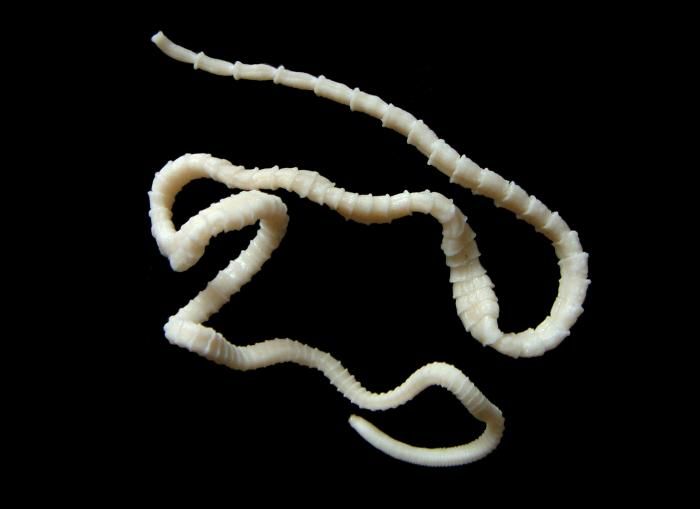
A tapeworm and a cat have this type of relationship.
a)
mutualism
b)
parasitism
c)
commensalism
d)
competition
4.
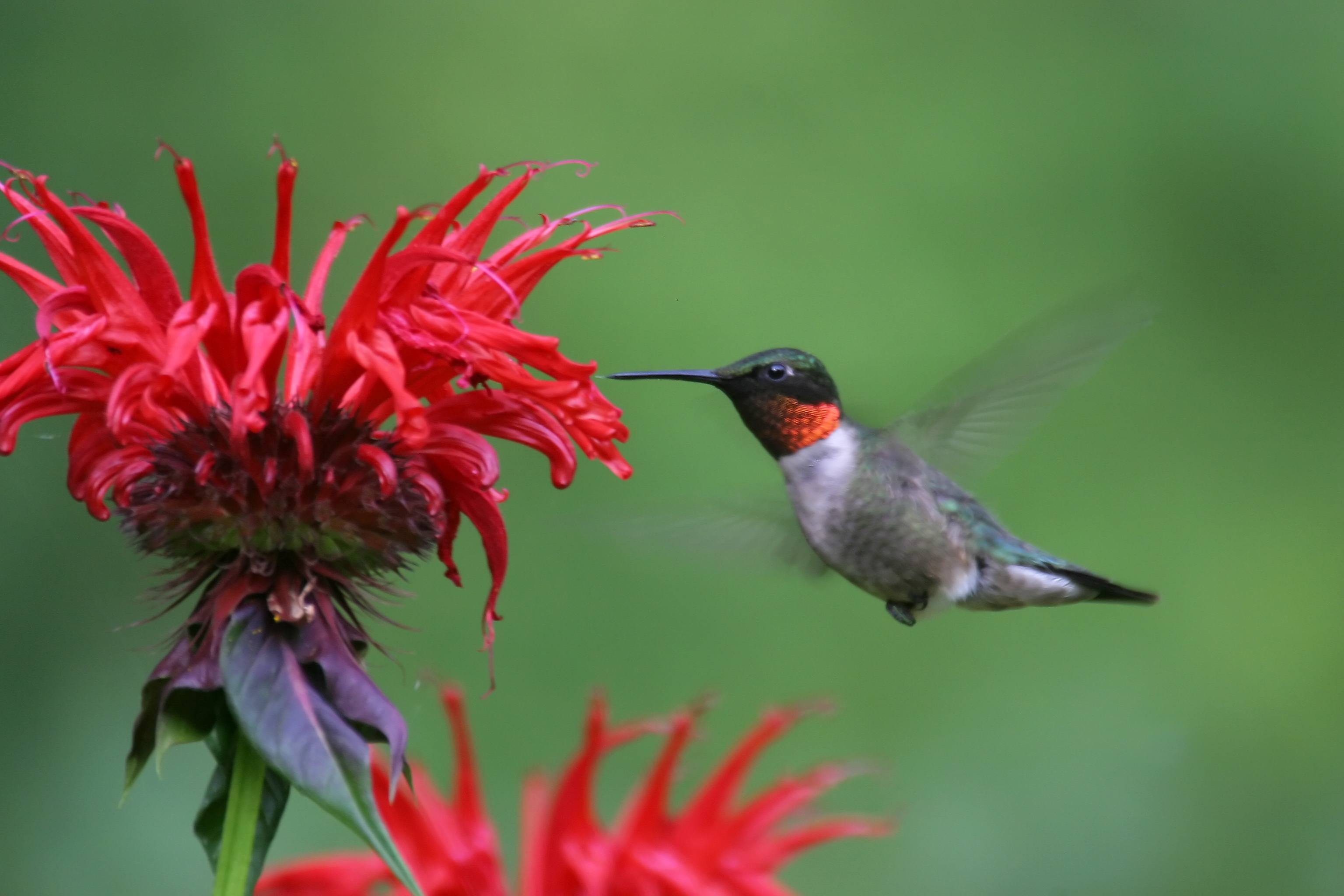
What type of symbiosis? Hummingbirds feed on nectar from flowers. The flowers are pollinated by hummingbirds as they move from flower to flower.
a)
commensalism
b)
mutualism
c)
parasitism
d)
predation
5.
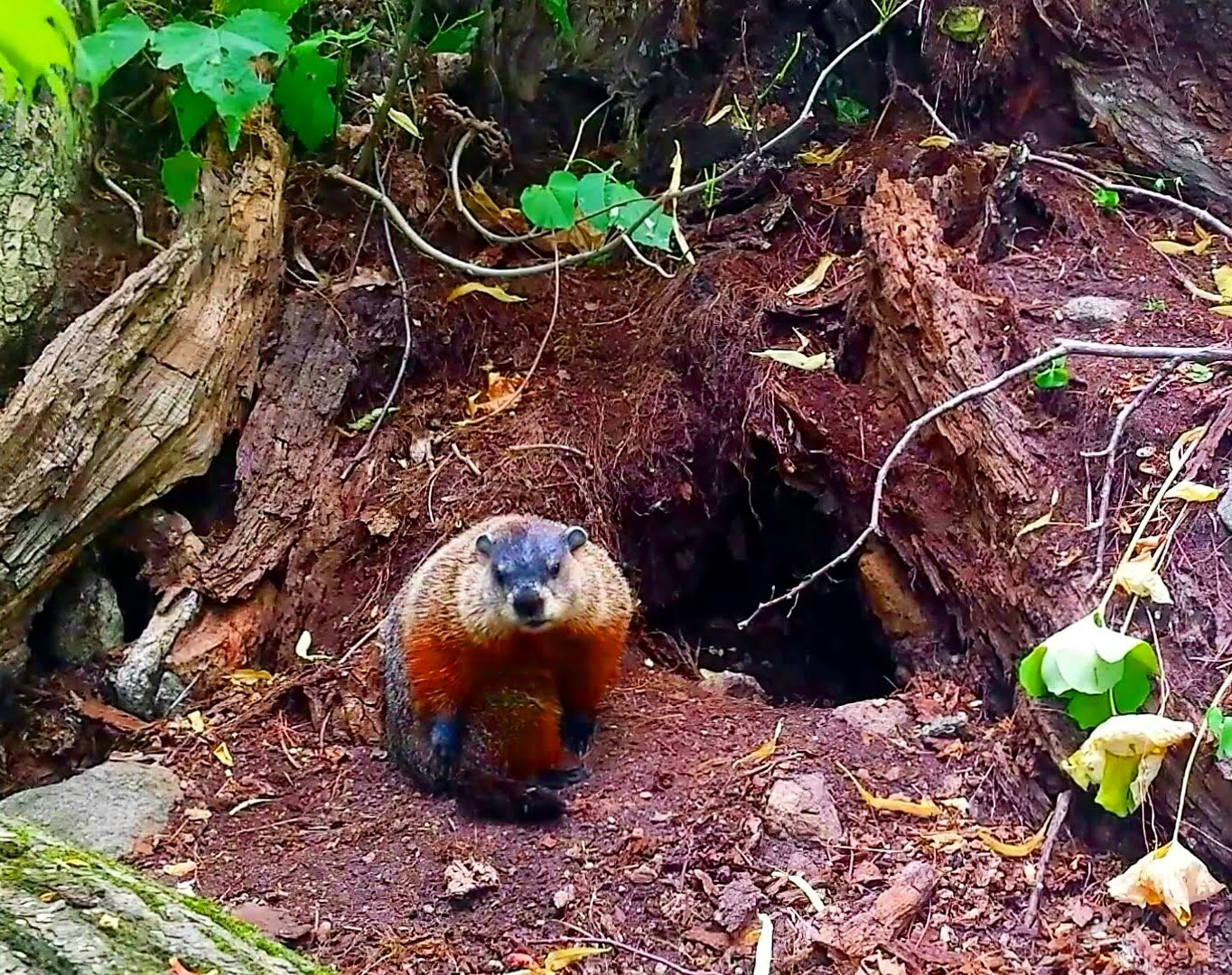
What type of symbiosis? Skunks often live in burrows that have been dug and abandoned by woodchucks.
a)
commensalism
b)
mutualism
c)
parasitism
d)
predation
6.
Which symbols best describe parasitism?
a)
+,+
b)
+,-
c)
+,0
d)
-,0
7.
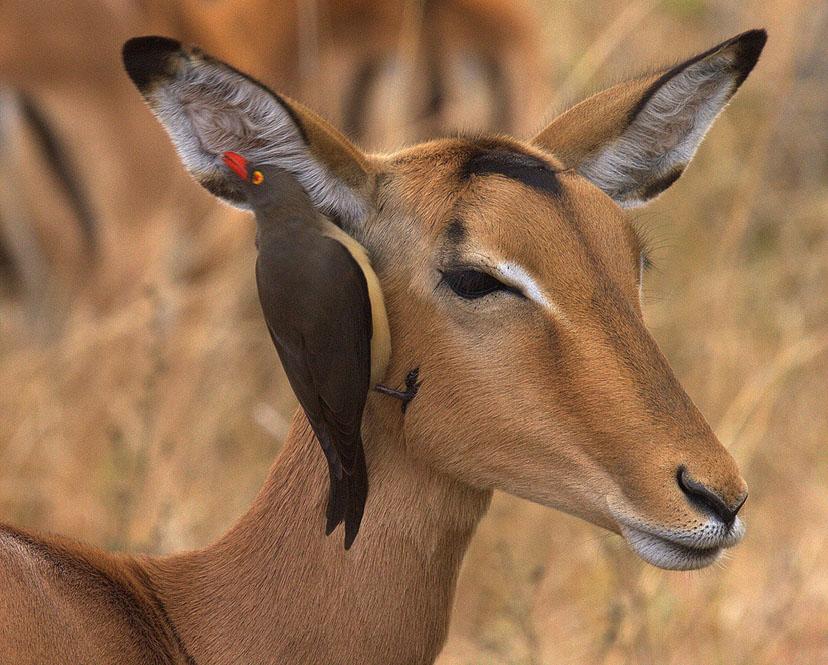
Red-billed oxpeckers are birds that often feed on parasites that infest impala. This is an example of _______.
a)
commensalism
b)
mutualism
c)
neutralism
d)
competition
8.
A relationship between two organisms in which both organisms benefit.
a)
Mutualism
b)
Competition
c)
Parasitsm
d)
Commensalism
9.

Aphids are tiny insects that live on and eat the leaves of plants, removing vital nutrients from the plants.
a)
Predation
b)
Parasitism
c)
Commensalism
d)
Mutualism
10.
A frog eats a fly. The frog and fly are demonstrating ________.
a)
mutualism
b)
competition
c)
predator/prey
d)
parasitism
11.
Barnacles create home sites by attaching themselves to whales. This neither harms nor benefits the whales. What kind of relationship is this?
a)
Mutualism
b)
Parasitism
c)
Commensalism
12.
Which symbols best describe mutualism?
a)
+,+
b)
+,-
c)
+,0
d)
-,0
13.
Honey guide birds alert and direct badgers to bee hives. The badgers then expose the hives and feed on the honey first. Then the honey guide birds eat.
a)
mutualism
b)
commensalism
c)
predation
d)
competition
14.
The stork uses its saw-like bill to cut up the dead animals it eats. As a result, the dead animal carcass is accessible to some bees for food and egg laying.
a)
Commensalism
b)
Mutualism
c)
Parasitism
d)
Predation
15.
Two male Giraffes are fighting over the last green leaf of a tree that is dying.
a)
Competition
b)
Mutualsim
c)
Predation
d)
Commensalism
16.
A tick and a dog have this type of relationship.
a)
mutualism
b)
commensalism
c)
neutralism
d)
parasitism
17.
A tapeworm and a cat have this type of relationship.
a)
mutualism
b)
parasitism
c)
commensalism
d)
competition
18.
Cattle egrets are birds that forage in fields among cattle. The egrets get easy access to food and the cattle don't care if they are there or not.
a)
mutualism
b)
commensalism
c)
competition
d)
parasitism
19.
Red-billed oxpeckers are birds that feed on parasites found on an impala. The impala gets rid of parasites and the red-billed oxpeckers get a yummy dinner. This is an example of _______.
a)
commensalism
b)
mutualism
c)
neutralism
d)
competition
20.
Barnacles create home sites by attaching themselves to whales. This neither harms nor benefits the whales.
a)
Mutualsim
b)
Parasitism
c)
Commensalism
21.
Mistletoe extracts water and nutrients from the spruce tree to the tree's detriment (harm).
a)
Mutualsim
b)
Parasitism
c)
Commensalism
22.
Yucca flowers are pollinated by yucca moths. The moths lay their eggs in the flowers where the larvae hatch and eat some of the developing seeds. Both species benefit.
a)
Mutualism
b)
Parasitism
c)
Commensalism
23.
Silverfish live and hunt with army ants. They share the prey. They neither help nor harm the ants.
a)
Mutualism
b)
Parasitism
c)
Commensalism
24.
A wrasse fish feeds on the parasites found on the black sea bass's body. Both species benefit.
a)
Mutualism
b)
Parasitism
c)
Commensalism
25.

An organism that gets energy from breaking down dead organisms, non-living material or waste is a(an) ___________.
a)
producer
b)
consumer
c)
decomposer
d)
autotroph
26.
What type of symbiosis? Skunks often live in burrows that have been dug and abandoned by woodchucks.
a)
commensalism
b)
mutualism
c)
parasitism
d)
predation
27.
A frog eats a fly. The frog and fly are demonstrating ________.
a)
mutualism
b)
competition
c)
predator/prey
d)
parasitism
28.
Which of the following is an EXAMPLE of a limiting factor?
a)
Water
b)
the color of the sky
c)
Migration
d)
Thick fur
29.
Example of a decomposer
a)
fungus
b)
mouse
c)
plants
d)
frogs
30.

Where does the energy start in this food chain?
a)
Plant
b)
Sun
c)
Deer
d)
Wolf
31.

In the energy pyramid here, which organisms have the most energy available?
a)
Producers
b)
Carnivores
c)
Herbivores
d)
Top Predator
32.
An organism that produces its own food supply from inorganic compounds is called a(an)
a)
heterotroph
b)
consumer
c)
detritivore
d)
autotroph
33.

An organism that needs to eat other organisms to obtain energy is known as a:
a)
Autotroph
b)
Producer
c)
Consumer
d)
Mutualist
34.
A relationship between two organisms in which one organism benefits and the other is unharmed...
a)
Mutualism
b)
Competition
c)
Parasitsm
d)
Commensalism
35.
A symbiotic relationship between 2 species in which one species is harmed and the other species benefits.
a)
Commensalism
b)
Parasitism
c)
Mutulaism
d)
Coexistence
36.
A symbiotic relationship in which one organism benefits and the other is unaffected.
a)
Commensalism
b)
Parasitism
c)
Mutualism
d)
Coexistence
37.
A close, long-term relationship in which 2 different organisms live in close association with each other.
a)
Carrying Capacity
b)
Coexistence
c)
Limiting Factor
d)
Symbiosis
38.
A symbiotic relationship between 2 species in which both species benefit
a)
Commensalism
b)
Parasitism
c)
Mutalism
d)
Coexistence
39.
When 2 or more individuals or populations try to use the same resource such as food, water, shelter or sunlight.
a)
Coexistence
b)
Competition
c)
Cooperation
d)
Carrying Capacity
40.
The living together of 2 species in the same habitat, such that neither tends to be eliminated by the other.
a)
Competition
b)
Limiting Factor
c)
Carrying Capacity
d)
Coexistence
41.
The largest population that an environment can support at any given time.
a)
Limiting Factor
b)
Carrying Capacity
c)
Competition
d)
Cooperations
42.
A resource that is scare that it limits the size of a population.
a)
Cooperation
b)
Carrying Capacity
c)
Limiting Factor
d)
Symbiosis
43.
Species A feed on Species B's blood to the detriment of Species B.
a)
Commensalism
b)
Mutalism
c)
Parasitism
44.
Species A and Species B feed next to each other. They both watch for predators and alert each other to danger.
a)
Commensalism
b)
Parasitism
c)
Mutualism
45.
Species A swims alongside Species B. Species A feeds off the leftover scraps that Species B does not need.
a)
Commensalism
b)
Parasitism
c)
Mutualism
46.
Lack of food is an example of this.
a)
Coexistence
b)
Symbiosis
c)
Limiting Factor
d)
Predator/Prey
47.
When a population grows larger than its _________, limiting factors will cause individuals to die off.
a)
Cooperative relationship
b)
Symbiotic relationship
c)
Predator/Prey relationship
d)
Carrying Capacity
48.
Generally when a population reaches it carrying capacity, it will ________.
a)
Stay the same number
b)
Increase in number
c)
Decrease in number
100 %

