
 Worksheets
6.3 Lessons 1-13 Weather
Total questions: 57
Worksheet time: 36mins
The ________ is the driving force of the earth's convection currents on the surface.
wind
What can you infer from the fact that there is the same amount of water on the planet now as there was one billion years ago? By the way, now there's new research suggesting that our planet got its water more than 4 billion years ago, when a celestial object about the size of Mars collided with Earth to form the moon!)
The amount of water on earth changes gradually over time
There will probably be the same amount of water on the planet a billion years from now unless a catastrophic event occurs
There have been many fluctuations in the water cycle over the past billion years and we just met the original level of water
There will be much less water on earth billions of years from now
When I changed the temperature of the air inside the enormus bag by adding warm air, ___
the density increased then decreased
the density INCREASED
the density stayed the SAME
the density DECREASED
Regardless of the season, the temperature of the air always gets _________ as you go up in the atmosphere
warmer
colder
colder at first then warmer
all of these
Hail events happen _____
Generally at night, when there are meteoroid showers
Only in the early morning, when the temperature is still cold
In the winter, when it is freezing out
In the Spring, Summer and Fall, when it is warm out
A warm air mass has ________________ density.
more
less
no
The air just above the ground absorbs energy from the thermal energy in the hot ground and becomes (more dense or less dense) than the surrounding air and (rises or falls).
more dense and falls
less dense and rises
more dense and rises
less dense and falls
As a warm air mass cools off, what is happening to the energy it had? Where does the energy it had go?
The energy falls back to earth in a cycle.
The energy disappears.
The energy goes back to the sun.
The energy is shared with or transferred to other cooler particles.
Hail is more likely to occur on sunny days because _____
there is more moisture in the air from evaporation of water on the ground
all of these answers are correct
there is more sun to warm the ground
there are opportunities for wind gusts
The warm air rises till ____
the wind stops blowing
it transfers its energy to the surrounding air
till it is the same temperature
it runs out of density
it transfers its energy to the surrounding air
till it is colder than the surrounding air
Match the following
Energy traveling in waves, like the sun's ray's warming the ground
Radiation
Which is true?
all air hold the same amount of moisture
warm air holds the most moisture
hot air holds the most moisture.
cold air holds the most moisture.
Match the following
going from a gas to a liquid by losing energy
going from a liquid to a gas by gaining energy
going from a solid to a gas by gaining energy
going from a gas to a solid by losing energy
going from a liquid to a solid by losing energy
To make a cloud, you need, _____.
cool air
humid air
dust, ash, pollen
all of these
To make the biggest storm on the interactive you needed which of the following?
very cold high temps, high humidity, warm low level temperatures
cold high temps, moderate humidity, cool low level temperatures
cool high temps, low humidity, cold low level temperatures
cool high temps, low humidity, warm low level temperatures
The more mass something has, _____.
the less density it has
the higher its temperature
all of these
the greater the force of gravity is pulling down on it
What landform causes the rain shadow effect?
mountains
lakes
plains
valley
The maximum amount of water vapor that can be in the air changes based on_____
mass of the air
the volume of the air
the humidity of the air
the temperature of the air

What type of energy transformation is occurring inside the teapot with the water?
convection
conduction
radiation

What energy transformation is occurring in letter (B) of this picture?
radiation
conduction
convection
When air is heated, its volume ____________.
increases
decreases
remains the same
When air is heated, what happens to its mass?
increases
decreases
remains the same
As the kinetic energy of the particles increased, the _____ of the particles ________
speed; decreased
speed: increased
space; decreased
space; increased

Evaporation
A
Condensation
B
Precipitation
C
Groundwater
E
Thermal energy always move from_____
areas of high energy to low energy
areas of low energy to high energy
It flows equally from high and low energy areas
all of these are correct
Grass, concrete, asphalt, and water will all be the same temperature in the same area.
Agree, all surfaces on Earth absorb energy the same and are the same temp.
Disagree, all surfaces on Earth absorb energy differently and can be different temp.
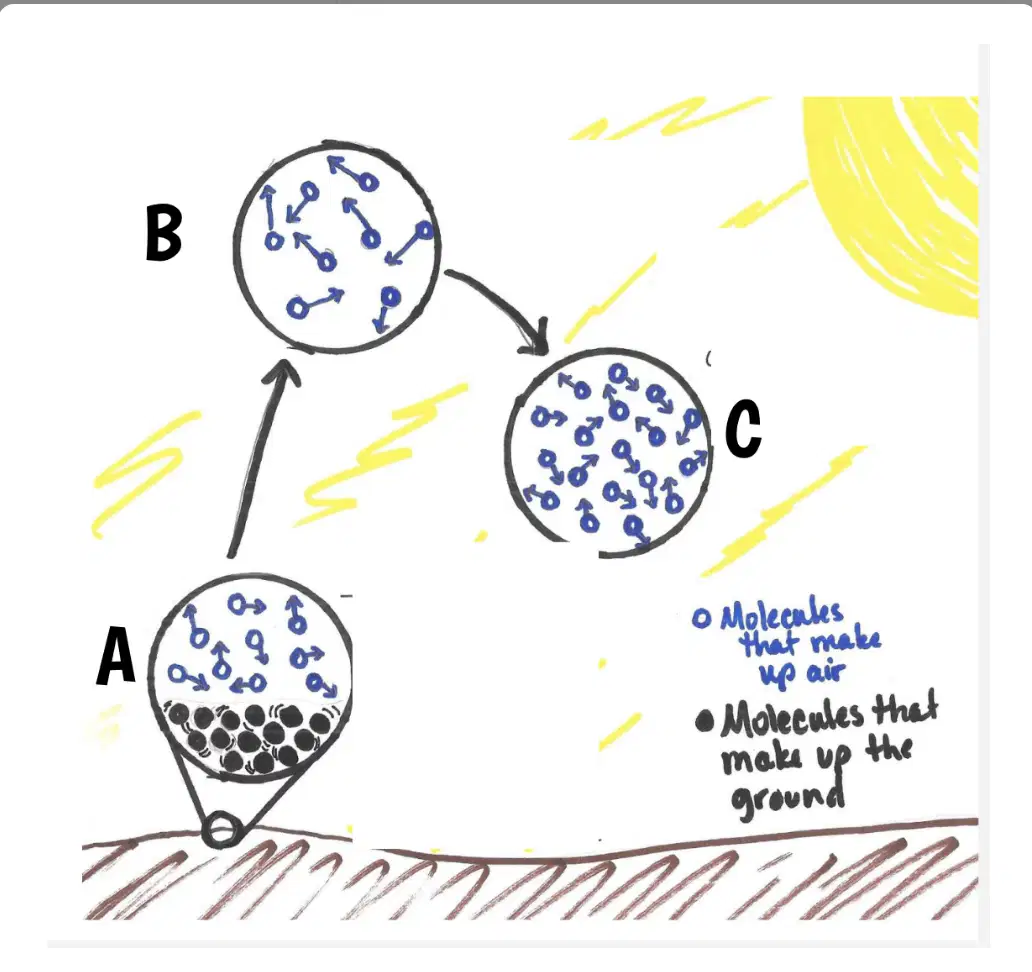
Which location shows air that is the least dense?
Location B
Location A
Location D
Location A, B, C ,D are all the same density
Which location shows air that is cooling down?
Location B
Location A
Location C
Location A, B, C ,D are all the same density
Location D
What fuels the rising action of the molecules?
Sun
Moon
Gravity
All of these
What causes the molecules to fall to earth?
Sun
Moon
Gravity
All of these
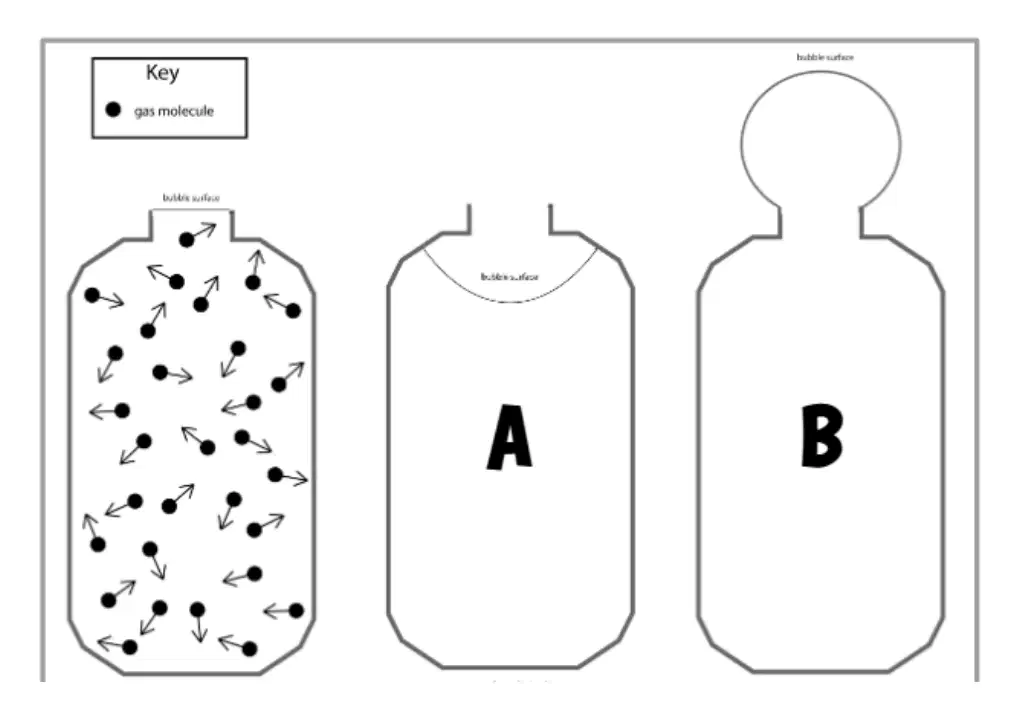
In bottle B, why did the soap bubble rise up above the opening of the bottle?
The air molecules were cooling, moving slower, and becoming less dense.
The air molecules were cooling, moving faster, and becoming more dense.
The air molecules were warming, moving faster, and becoming less dense.
The air molecules were warming, moving slower, and becoming more dense.
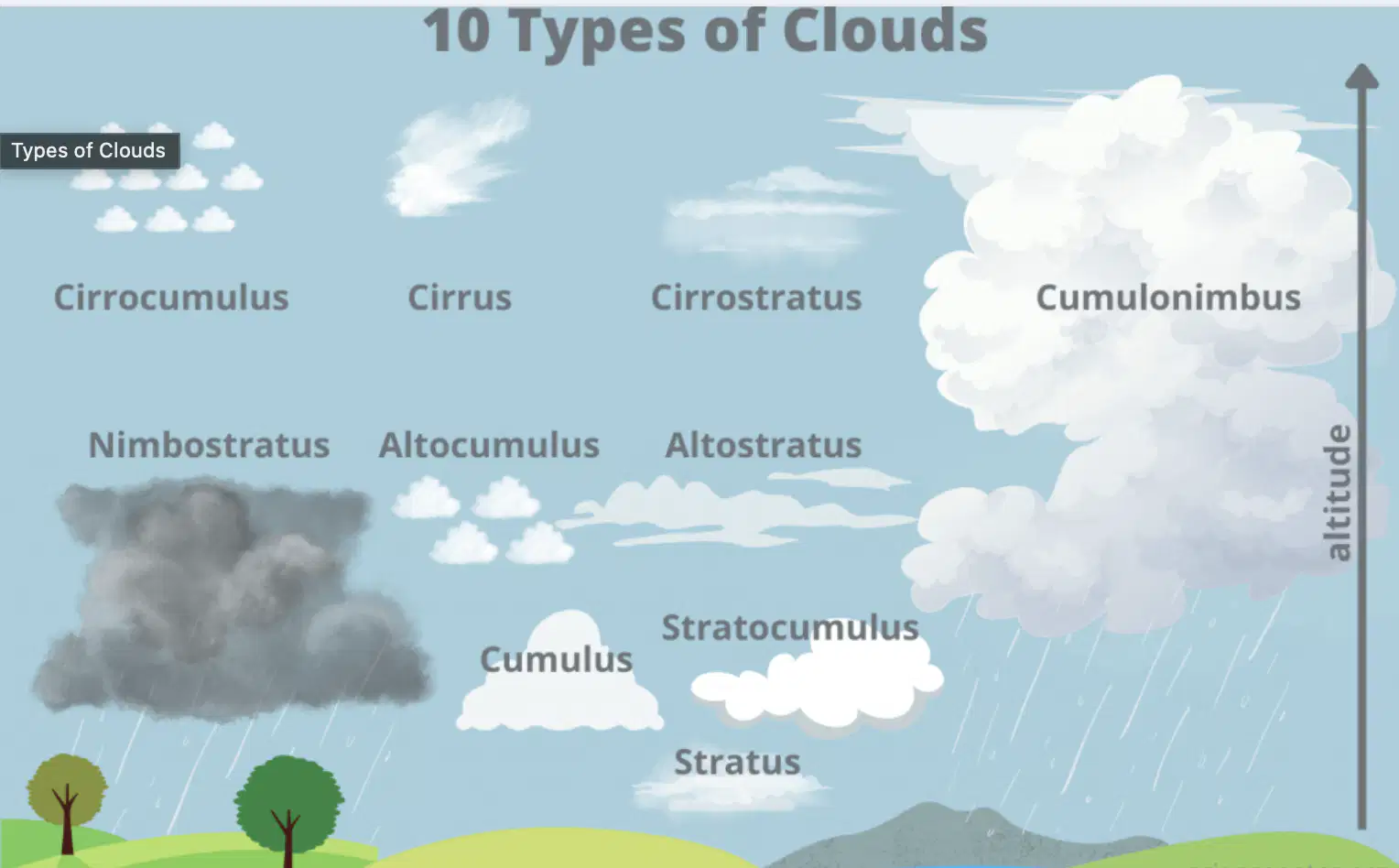
Which type of cloud is most likely to produce hail?
cumulonimbus
nimbostratus
cirrostratus
all of these can produce hail
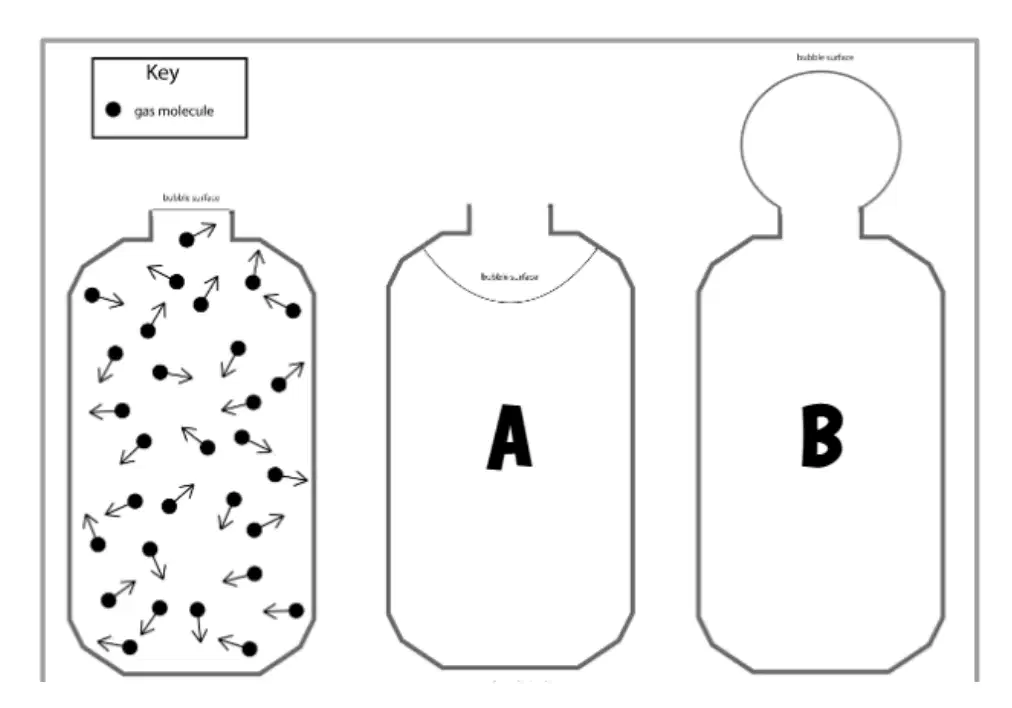
Thinking back to the bubble lab we did with plastic bottles, is bottle B showing a bottle placed in hot or cold water?
hot water
cold water
it will look like B in both hot and cold water
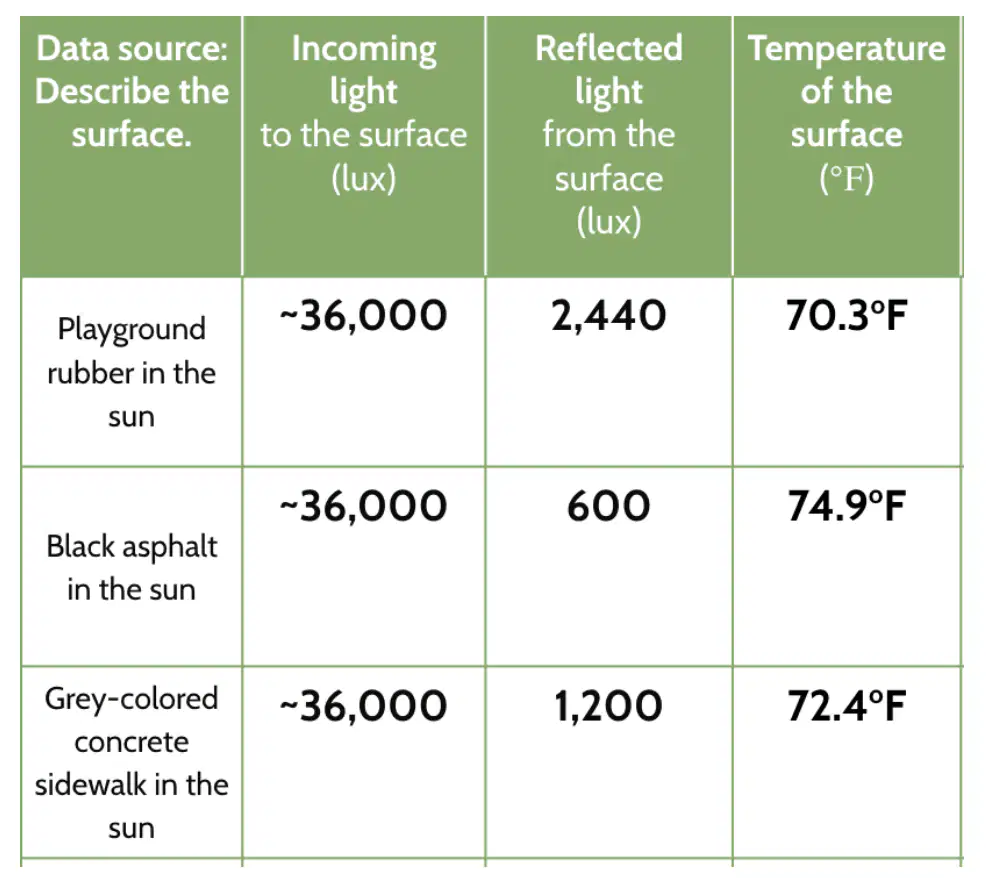
Which surface absorbs the most thermal energy?
Rubber on the playground
Grey concrete
Bark
Black Asphalt
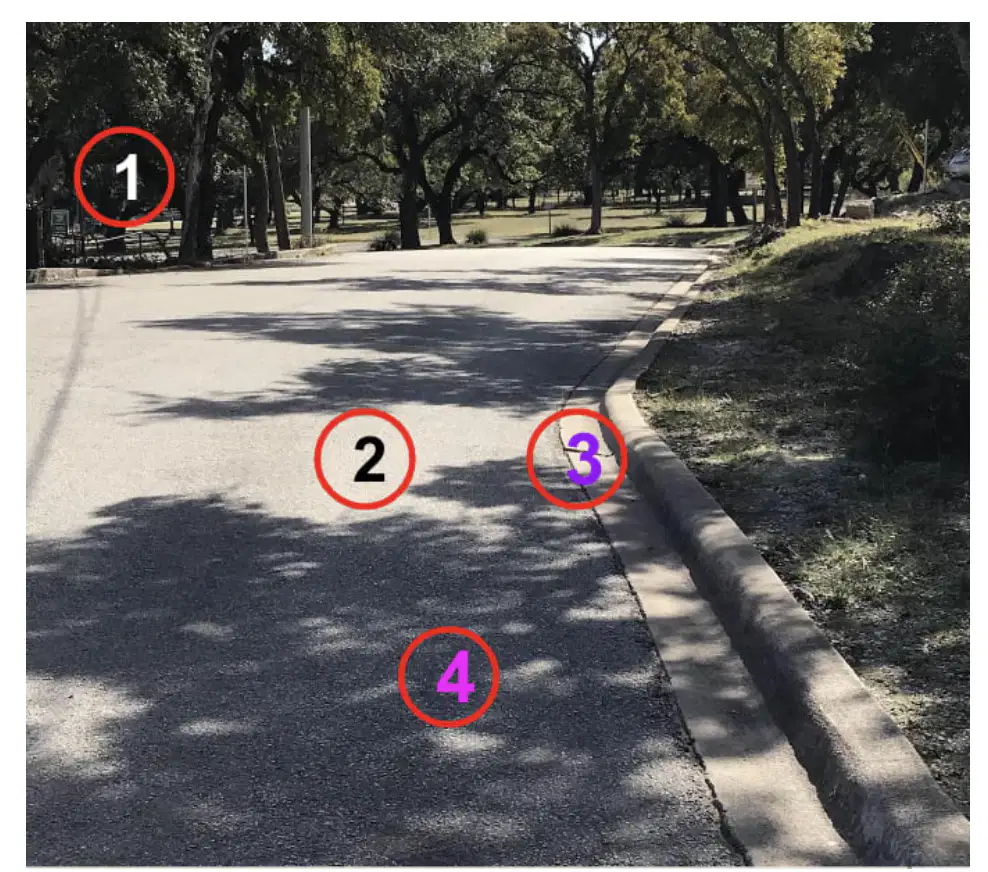
Which location will have the highest ground temperature?
Location 1
Location 2
Location 3
Location 4

What pattern does this chart show?
The lower you go, the colder the air is.
There is no visible trend to see when looking at this chart.
The higher you go the warmer the temps get because it is closer to the sun.
The higher you go, the lower the temperature gets.
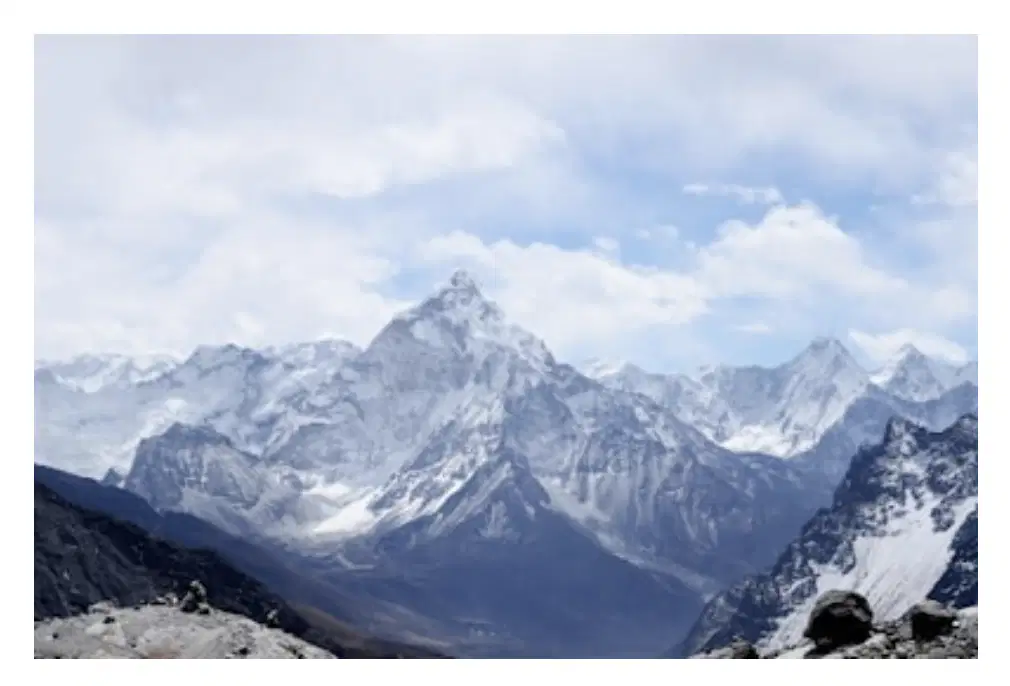
As you go higher in the atmosphere, _____
both the temperature and pressure decreases
both the temperature and pressure increases
the temperature increases and the pressure decreases
the temperature decreases and the pressure increases
Generally, just after a hail storm ______________________
temperature rises, humidity and wind goes down
temperature drops, humidity and wind goes down
temperature rises, humidity and wind goes up
temperature drops, humidity and wind goes up
Hot air rises because _____
warm air is more attracted to the atmosphere
warm air moves less and spreads out, making it more dense
warm air moves more and spreads out, making it less dense
it is reflected into the sky
Which of the following are most likely on a day when it hails? (Select more than one.)
high humidity
low humidity
warm temperatures
cold temperatures
During what time of day are hailstorms most likely to occur?
morning
late at night
afternoon
midnight
Most hail occurrences in the United States are located ____ .
on the west coast
on the east coast
in the center
evenly throughout
How does energy travel?
From the Sun to the air to the ground
From the Sun to the ground to the air
To the air and the ground at the same time
The air above the ground is _____.
hotter than the ground
cooler that the ground
the same temperature as the ground
Where does the energy go when air rises and cools?
it continues back to the sun
it is pulled back to the ground with gravity
it is transferred to the cooler surrounding air it as it ascends (rises)
it is transferred to the air that is hotter around it as it (ascends) rises

A lava lamp is warmed from a light in the bottom, density decreases then rises. Then Density increases and the blob cools & sinks. WHat type of energy transfer is this?
convection
conduction
radiation
energy does not transfer here
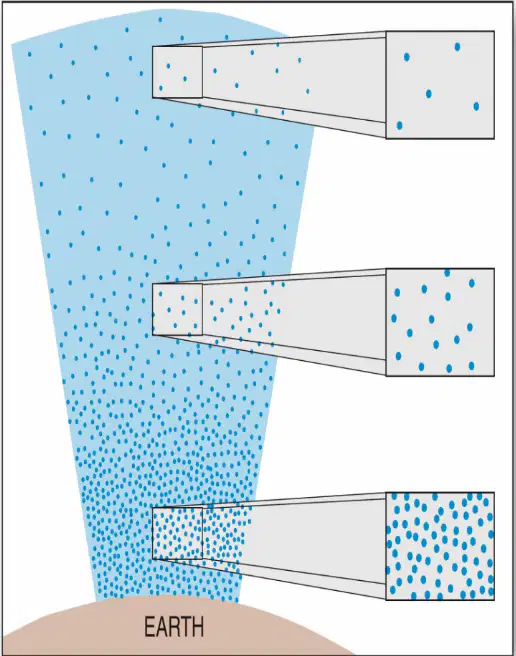
The air pressure at the top of a mountain ___ the bottom of a mountain.
is less than
is more than
is the same as
could be more or less depending on the temperatures that day when compared to
Which of the following are true?
Water molecules are attracted to each other, when they move fast they break apart, when they move slow they stay together
Water droplets can grow when they run into each other
When water is below a certain temperature it stays liquid. When the molecules speed up and it heats up it changes to a gas
all of these are true
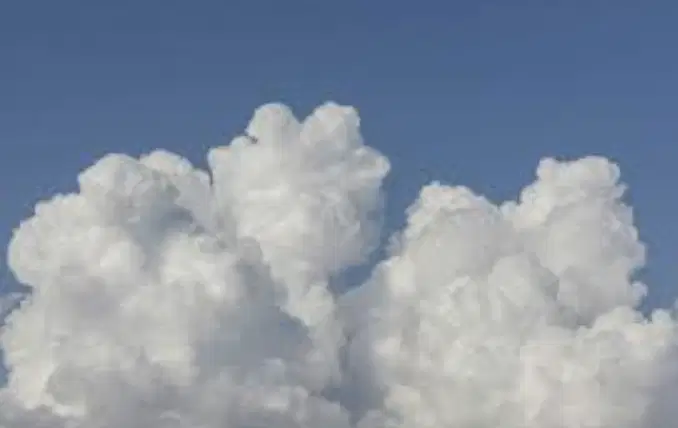
Clouds are made up of _____.
ice
water droplets
gas
dust
all of these
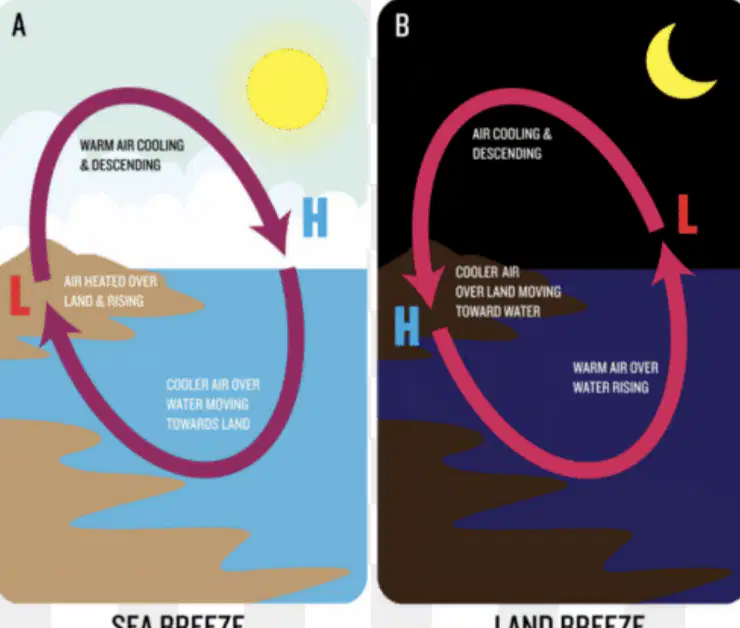
Dense air travels to areas of ___.
less dense air
any density of air
the same density of air
even more dense air

