wayground logo

Free Printable Worksheets

Font size

S
M
L
XL
Worksheets

Chemistry

Total questions: 150

Worksheet time: 3hrs 24mins

Name
Class
Date
1.
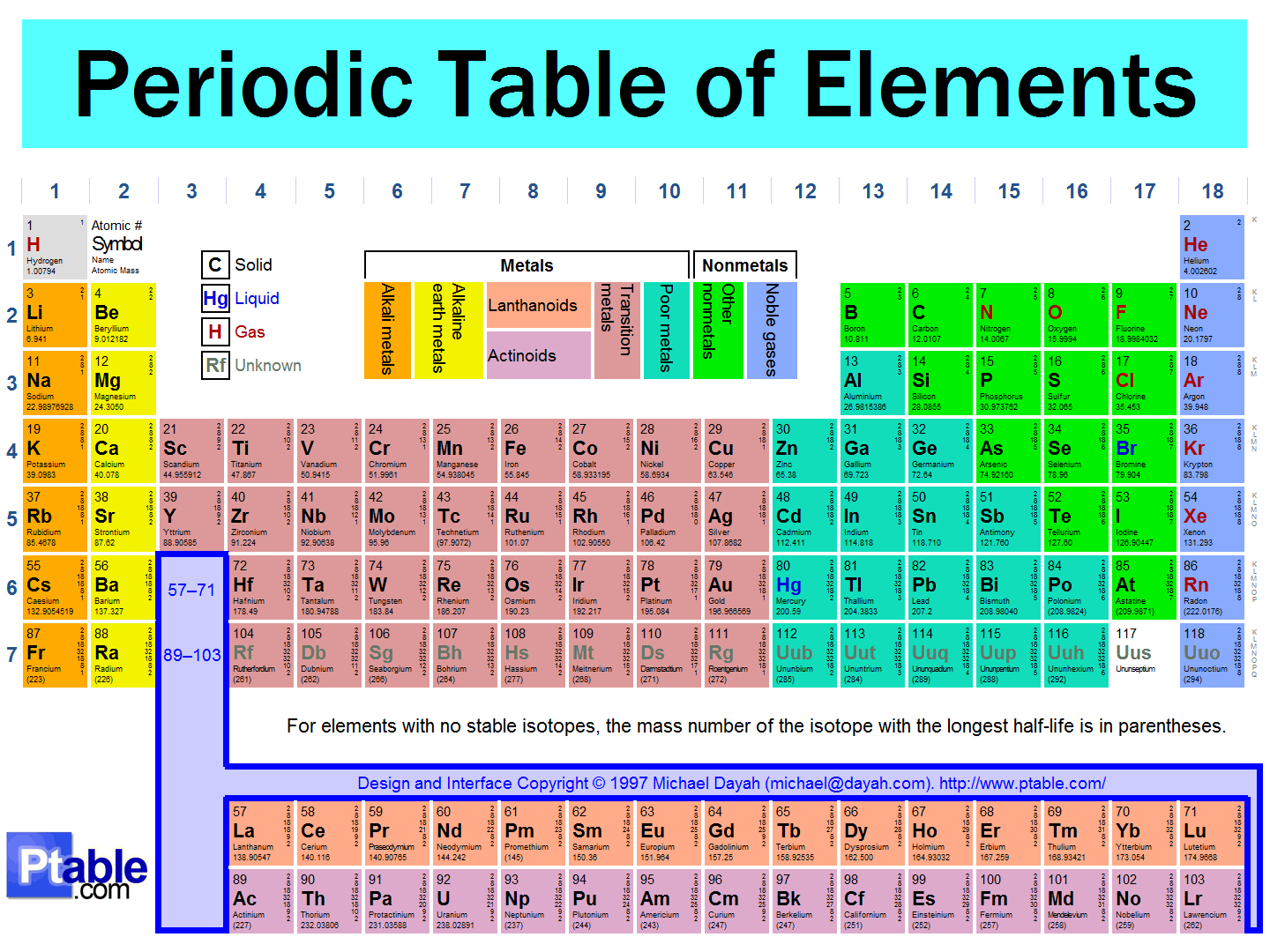
Elements on the left side of the periodic table are classified as 
a)
metals 
b)
metalloids 
c)
nonmetals 
d)
gases 
2.
Which element is found in group 16 period 3?
a)
Sulfur (S)
b)
Selenium (Se)
c)
Chlorine (Cl)
d)
Carbon (C)
3.
Which element is found in group 2 period 4?
a)
Strontium (Sr)
b)
Barium (Ba)
c)
Calcium (Ca)
d)
Beryllium (Be)
4.
Each column in the periodic table is called a 
a)
period
b)
group
c)
cluster
d)
unit
5.
Which group of the periodic table is composed of inert (not reactive)  gases?
a)
alkali metals
b)
alkaline earth metals
c)
halogens
d)
noble gases
6.
The atoms along the staircase are called 
a)
metals
b)
nonmetals
c)
metalloids
d)
noble gases
7.
_______ are the ROWS on the periodic table.
a)
Families
b)
Groups
c)
Periods
d)
Elements
8.
Atoms with similar properties are most likely located...
a)
in the same period.
b)
in the same group.
c)
in different periods.
d)
to the right and left of each other.
9.
If an atom had the same properties as fluorine (F), it would probably be located in
a)
period 1.
b)
period 2.
c)
group 2.
d)
group 17.
10.
Which element is least like Nickel?
a)
Copper
b)
Rhodium 
c)
Platinum 
d)
Helium 
11.
As you move down the first group, reactivity _________.
a)
Increases
b)
Decreases
c)
Stays the same
d)
They are all inert
12.
Which Period would this element be found on just by looking at the shells/levels?
a)
1
b)
2
c)
3
d)
4
13.
The Periodic Table arranges Elements in order by
a)
decreasing Atomic Mass
b)
increasing Atomic Number
c)
decreasing Atomic Number
d)
increasing Atomic Mass
14.
What does an atom's group tell us?
a)
Number of protons
b)
Number of electrons
c)
Number of valence electrons
d)
Number of shells
15.
The first energy level can hold up to how many electrons?
a)
8
b)
4
c)
2
d)
5
16.
The yellow atoms are called 
a)
metals
b)
nonmetals
c)
metalloids
d)
noble gases
17.
The periodic table has __ periods.
a)
18
b)
8
c)
2
d)
7
18.
Which elements have the most similar chemical properties?
a)
K and Na
b)
K and Ca
c)
K and Cl
d)
K and S
19.
The periodic table has __ groups.
a)
8
b)
7
c)
18
d)
2
20.
How many Valance electrons does Iodine Have?
a)
6
b)
16
c)
7
d)
17
21.
Elements in Group 2 have
a)
Two energy levels
b)
Two valence electrons
c)
Two compounds
d)
Two electrons
22.

Elements in the same column of the periodic table of the elements all

a)

have the same number of protons.

b)

share the same atomic structure.

c)

have similar physical characteristics.

d)

share the same number of neutrons.

23.

The element sodium, Na, has an atomic number of 11 and an atomic mass of 23.0 atomic mass units (amu). Which of these elements is MOST likely to have similar chemical reactivity as sodium?

a)

neon, Ne, which has a similar symbol

b)

magnesium, Mg, which has an atomic mass of 24.3 amu

c)

aluminum, Al, which is in the same period on the periodic table

d)

potassium, K, which is in the same group on the periodic table

24.

Which set of elements have chemical properties similar to those of phosphorus?

a)

nitrogen, arsenic, and antimony

b)

carbon, selenium, and iodine

c)

silicon, sulfur, and germanium

d)

silicon, sulfur, and chlorine

25.

Where are the most reactive nonmetals located on the periodic table?

a)

group 18

b)

Rare Earth Metals

c)

group 1

d)

group 17

26.

Which set of elements has similar bonding properties?

a)

Cl, Br, and F

b)

K, Ca, and Sc

c)

Kr, Cl, and O

d)

Be, C, and O

27.

Sodium, Na, is in the same group as

a)

Ne.

b)

Mg.

c)

Ca.

d)

K.

28.
Which two groups on the Periodic Table are the MOST reactive?
a)
Group 1 and Group 7A (17)
b)
Group 2 and Group 6A (16)
c)
Group 13 and Group 5A (15)
d)
Group 17 and Group 8A (18)
29.
Elements in the same __________ will have similar chemical properties.
a)
Group
b)
Period
30.
In the modern periodic table elements are arranged by:
a)
atomic mass
b)
atomic number
c)
valence electrons
d)
number of isotopes
31.
_________ are elements that are good conductors of electric current and heat
a)
noble gasses
b)
metalloids
c)
nonmetals
d)
metals
32.
Elements that are poor conductors of heat and electricity. Many are gasses at room temperature
a)
metals
b)
nonmetals
c)
metalloids
d)
transition metals
33.
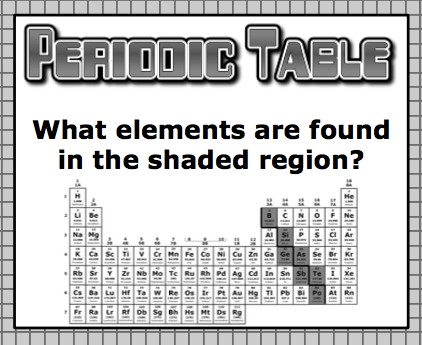
Elements with properties that fall between those of metals and nonmetals
a)
transition metals
b)
noble gasses
c)
metalloids
d)
all of the above
34.

Element R and Element Q have the same number of valence electrons. These elements both have similar chemical behavior, but Element R has fewer energy levels than Element Q. Which statement best describes the positions of the two elements in the periodic table?

a)

The two elements are in the same period, with Element R the first element in the period and Element Q the last element

b)

The two elements are side by side in the same period, with Element Q to the left of Element R

c)

The two elements are in the same group, with Element R just above Element Q

d)

The two elements are in the same group, with Element Q at the top of the group and Element R at the bottom.

35.

A researcher wants to experiment with an element that reacts like phosphorus (P) but has a greater atomic mass. Which element should the researcher select for the experiment?

a)

Nitrogen (N)

b)

Sulfur (S)

c)

Arsenic (As)

d)

Silicon (Si)

36.

An element has a metallic-gray appearance. It also has the properties of both a metal and a nonmetal. In which section of the periodic table indicated above would the element most likely be found??

a)

1

b)

2

c)

3

d)

4

37.

Based on the data, which number shows the correct location of the element with 2 valence electrons and 3 energy levels.

a)

1

b)

2

c)

3

d)

4

38.

Based on the data, which number shows the correct location of the element with 2 valence electrons and 1 energy levels.

a)

1

b)

2

c)

3

d)

4

39.

Which pair of properties describe the elements in group 18

a)

They have 8 valence electrons and are very reactive

b)

They have 8 energy levels and are stable

c)

They are gases at room temperature and are stable

d)

They are gases at room temperature and very reactive.

40.

Which statement best describes the position of the two elements in the periodic table.

a)

The two elements are in the same period, with Mg the first element in the period table and Ca the last element

b)

The two elements are in the same group, with Mg just above Ca

c)

The two elements are side by side in the same period, with Ca to the left of Mg

d)

The two elements are in the same group, with Ca just below Mg

41.

Which of these elements is in this group?

a)

Lithium

b)

Silicon

c)

Aluminum

d)

Strontium

42.

Which two elements on the periodic table are in the same group?

a)

Na and He

b)

O and C

c)

Li and Ne

d)

He and Ar

43.

Which pair of properties describes the elements in Group 1?

a)

They are chemically stable

b)

They have 8 valence electrons

c)

They are the most reactive metals

d)

They are the most reactive non metals

44.

How many valence electrons are in an element in group 15 in the periodic table?

a)

5

b)

15

c)

7

d)

8

45.

Which two atoms are elements in the same group in the periodic table?

a)

Atom 3 and Atom 4

b)

Atom 1 and Atom 4

c)

Atom 3 and Atom 2

d)

Atom 1 and Atom 2

46.

Which two atoms are elements that belong in period two in the periodic table?

a)

Atom 3 and Atom 4

b)

Atom 1 and Atom 4

c)

Atom 3 and Atom 2

d)

Atom 1 and Atom 2

47.

Based on the data, which number shows the correct location of the element that is brittle and dull.

a)

1

b)

2

c)

3

d)

4

48.

Based on the data, which number shows the correct location of the element that is malleable and a good conductor.

a)

1

b)

2

c)

3

d)

4

49.
Within a column the masses of the elements ___________ from top to bottom
a)
increases
b)
decreases
c)
there is no change
d)
is completely random
50.
A ___________ is an arrangement of elements in columns
a)
columns
b)
rows
c)
periodic table
d)
electron shell
51.
In the modern periodic table elements are arranged by:
a)
atomic mass
b)
atomic number
c)
valence electrons
d)
number of isotopes
52.
Each row in the periodic table is called a 
a)
group
b)
period
c)
cluster
d)
unit
53.
Each column in the periodic table is called a 
a)
period
b)
group
c)
cluster
d)
unit
54.
_________ are elements that are good conductors of electric current and heat
a)
noble gasses
b)
metalloids
c)
nonmetals
d)
metals
55.
____________ are elements that form a bridge between the elements on the left and right sides of the periodic table.
a)
metals
b)
nonmetals
c)
metalloids
d)
transition metals.
56.
Elements that are poor conductors of heat and electricity. Many are gasses at room temperature
a)
metals
b)
nonmetals
c)
metalloids
d)
transition metals
57.
Elements with properties that fall between those of metals and nonmetals
a)
transition metals
b)
noble gasses
c)
metalloids
d)
all of the above
58.
which family of metals is most reactive?
a)
transition metals
b)
boron family 
c)
alkali family 
d)
noble gases
59.
most of the elements on the periodic table are 
a)
non metals 
b)
metals 
c)
metalloids 
d)
none 
60.

which set of elements represents a period within the periodic table?

a)

H, He, Ar, Xe, and Rn

b)

K, V, Fe, Ga, and Kr

c)

N, P, As, Sb, and Bi

d)

La, Pd, Sm, Tb, and Yb

61.

In the periodic table above, which elements are predominantly gases with low densities?

a)

Elements in area A

b)

Elements in area B

c)

Elements in area C

d)

Elements in area D

62.

All of the following properties describe the element calcium EXCEPT

a)

reactive

b)

shiny and silvery-white in color

c)

found in nature

d)

soft enough to be cut with a knife

63.

Which statement best describes the positions of Elements J and Z in relation to each other?

a)

Elements J and Z are part of the same group in different periods

b)

Elements J and Z are part of different groups in the same period

c)

Elements J and Z are part of groups next to each other in the same period

d)

Elements J and Z are part of different groups in different periods

64.

Fluorine is classified as part of the halogen group because all the elements

a)

are conductors of electricity

b)

have the same atomic mass

c)

have similar chemical and physical properties

d)

are malleable and ductile

65.

Which sets of elements have similar chemical and physical properties?

a)

1 and 2

b)

1 and 3

c)

2 and 3

d)

2 and 4

66.

Which of the following best describes the location of an element in the same period as the element tin?

a)

Group 14(4A), Period 4

b)

Group 16(6A), Period 5

c)

Group 14(4A), Period 5

d)

Group 13(3A), Period 6

67.

Which set of elements has properties similar to phosphorus?

a)

Aluminum, silicon, sulfur, and chlorine

b)

Carbon, selenium, iodine, and radon

c)

Oxygen, germanium, indium, and mercury

d)

Nitrogen, arsenic, antimony, and bismuth

68.

What property does element X have based on its location in the periodic table?

a)

Highly reactive gas

b)

Manmade radioactive substance

c)

Nonreactive nonmetal

d)

Metallic solid

69.

Which elements would most likely fill these spaces?

a)

Cu, Ag, and Au

b)

Ti, V, and Cr

c)

Mn, Ru, and Os

d)

Co, Pd, and Au

70.

A student is given two unknown metals and asked to determine whether these two elements belong to the same group in the periodic table. Which of the following will help the student determine if the metals belong to the same group?

a)

Measure only physical properties of the metals

b)

Measure both chemical and physical properties of the metals

c)

Measure only chemical properties of the metals

d)

Measure the densities of the metals

71.

Under special conditions, pure calcium reacts with water. Which element could be substituted for calcium in this reaction?

a)

Potassium

b)

Aluminum

c)

Magnesium

d)

Chlorine

72.

Which statement best describes the relationship between elements D and E?

a)

Element D has more valence electrons than Element E

b)

Element D is more reactive than Element E

c)

Elements D and E are metals

d)

Element D has a smaller atomic size than Element E
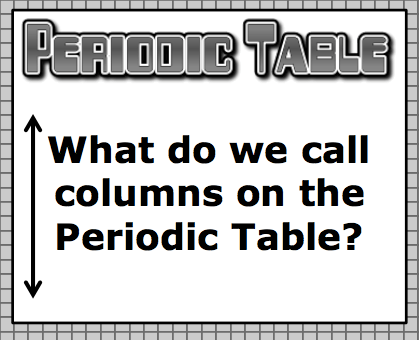
73.
a)
Periods
b)
Groups
74.
a)
Periods
b)
Groups
75.
a)
energy levels
b)
valence electrons
c)
protons
d)
neutrons
76.
a)
energy levels
b)
valence electrons
c)
protons
d)
neutrons
77.
a)
Same group
b)
Same period
78.
a)
Group 1
b)
Group 17
c)
Group 2
d)
Group 18
79.
a)
Group 1
b)
Group 17
c)
Group 18
d)
Group 2
80.
a)
Group 1
b)
Group 17
c)
Group 18
d)
Group 2
81.
a)
Metals
b)
Nonmetals
c)
Metalloids
82.
a)
Metals
b)
Nonmetals
c)
Metalloids
83.
a)
Metals
b)
Nonmetals
c)
Metalloids
84.
a)
Metals
b)
Nonmetals
c)
Metalloids
85.
a)
Metals
b)
Nonmetals
c)
Metalloids
86.
a)
Metals
b)
Nonmetals
c)
Metalloids
87.
a)
Metals
b)
Nonmetals
c)
Metalloids
88.
a)
Metals
b)
Nonmetals
c)
Metalloids
89.
Which of the following is the most metallic element in period 3?
a)
Boron (B)
b)
Sodium (Na)
c)
Argon (Ar)
d)
Silicon (Si)
90.
Which of these element is the least metallic?
a)
Potassium (K)
b)
Carbon (C)
c)
Sulfur (S)
d)
Neon (Ne)
91.
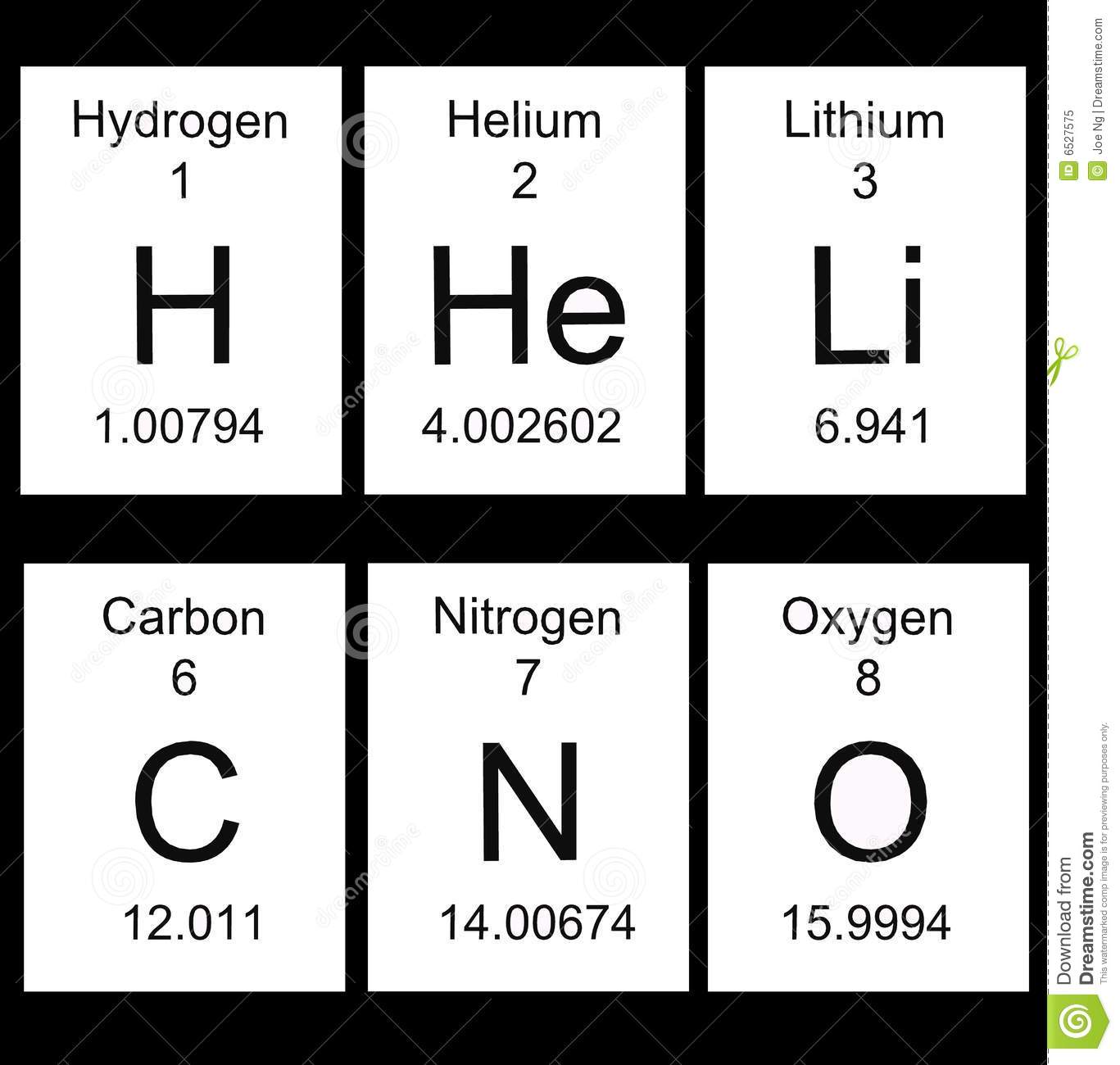
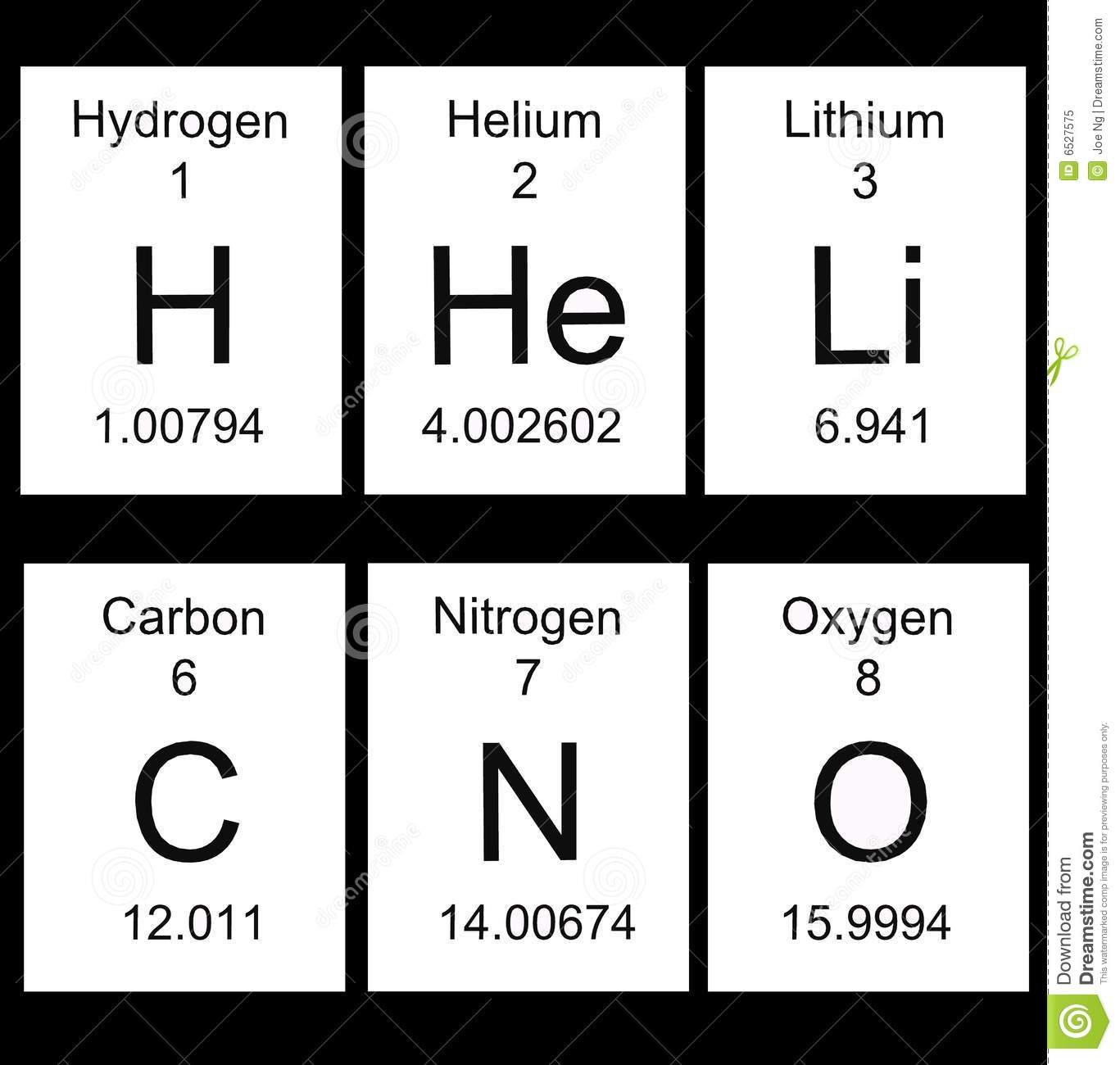
The number at the bottom of each square on the periodic table is the ...
a)
atomic number
b)
atomic mass
c)
chemical symbol
d)
element name
92.
The number at the top of each square on the periodic table is the ...
a)
atomic number
b)
atomic mass
c)
Chemical Symbol
d)
Element Name
93.
What is the chemical symbol for Lithium?
a)
H
b)
He
c)
Li
d)
N
94.
Pure forms of these elements are stored in oil so they won't react with oxygen and water in the air.
a)
Alkali Metals
b)
Alkaline-earth metals
c)
Halogens
d)
Noble Gases
95.
This class of elements are sometimes called "semiconductors."
a)
Metals
b)
Nonmetals
c)
Metalloids
d)
Groups
96.
Most of the elements on the periodic table are classified as _____.
a)
Metals
b)
Nonmetals
c)
Metalloids
d)
Periods
97.
The atomic number tells you what?
a)
number of electrons
b)
number of protons
c)
number of neutrons
d)
both electrons and protons in an atom.
98.
Which group of the periodic table is composed of inert (not reactive)  gases?
a)
alkali metals
b)
alkaline earth metals
c)
halogens
d)
noble gases
99.
Elements which are shiny, conduct electricity and heat are called
a)
metal
b)
nonmetal
c)
metalloid
d)
nonexistent
100.
Which element is not a metal?
a)
H
b)
Re
c)
Al
d)
B
101.
The atoms along the staircase are called 
a)
metals
b)
nonmetals
c)
metalloids
d)
noble gases
102.
Which is a halogen?
a)
Helium
b)
Chlorine
c)
Oxygen
d)
Neptune
103.
Which is an alkali metal?
a)
Magnesium
b)
Iron
c)
Sodium
d)
Europium
104.
A horizontal row of elements in the periodic table.
a)
column
b)
group
c)
period
105.
Elements in a ..................have similar chemical properties.  
a)
period
b)
group
c)
row
106.
The simplest substance is..?
a)
Carbon
b)
An element
c)
Water
d)
A simple compound 
107.
In the modern periodic table elements are arranged by:
a)
atomic mass
b)
atomic number
c)
valence electrons
d)
number of isotopes
108.
How many electrons does Oxygen need to fill its outer shell?
a)
3
b)
4
c)
1
d)
2
109.
How many Valance electrons does Iodine Have?
a)
6
b)
16
c)
7
d)
17
110.
The period for Bromine is ___________.
a)
3
b)
2
c)
4
111.
Beryllium is in group number______.
a)
Group 2
b)
Group 3
c)
Group 4
d)
Group 7
112.
The periodic table has __ periods.
a)
18
b)
8
c)
2
d)
7
113.
An element's identity is determined by the number of
a)
electrons.
b)
protons.
c)
neutrons.
d)
valence.
114.
Elements in the same ________ are more chemically similar.
a)
group
b)
period
c)
club
d)
table
115.
Which elements have the most similar chemical properties?
a)
K and Na
b)
K and Ca
c)
K and Cl
d)
K and S
116.
The elements in this group have 5 valence electrons and include elements N, P, and As.
a)
Group 5
b)
Group 1
c)
Group 18
d)
Group 15
117.
The elements in this group only have 1 valence electron and include Li, Na, and K. 
a)
Group 11
b)
Group 1
c)
Group 3
118.

Which of the following is a property of a nonmetals?

a)

brittle

b)

malleable

c)

lustrous

d)

conductive

119.
Rows on the period table are called _____ while columns are called _____.
a)
groups, families
b)
groups, periods
c)
periods, groups
d)
families, groups
120.
The periodic table has __ groups.
a)
8
b)
7
c)
18
d)
2
121.
How many electrons do atoms need to be stable?
a)
1
b)
2
c)
6
d)
8
122.
Why is water NOT on the periodic table?
a)
It is naturally occuring
b)
It is a compound, not an element
c)
It exists as a solid, a liquid, and a gas
d)
Its chemical formula doesn't fit
123.
As you move from left to right across the periodic table, the atomic number increases. 
a)
True
b)
False
124.
The symbol for each element consists of the first letter (or two) of the element's name.
a)
True
b)
False
125.
Which of these metals is usually observed in a "liquid" state?
a)
Cadmium
b)
Indium
c)
Mercury
d)
Thallium
126.
How many metalloids are in the Nitrogen family?
a)
0
b)
1
c)
2
d)
8
127.
The word "periodic" in periodic table refers to...
a)
a regular, repeating pattern
b)
organization of elements
c)
columns of elements
d)
increasing numbers of protons
128.
The alkali metals have how many valence electrons?
a)
1
b)
2
c)
7
d)
8
129.
The noble gases have how many valence electrons?
a)
1
b)
2
c)
7
d)
8
130.
Membership in a family is based on the number of 
a)
electrons
b)
valence electrons
c)
protons
d)
neutrons
131.
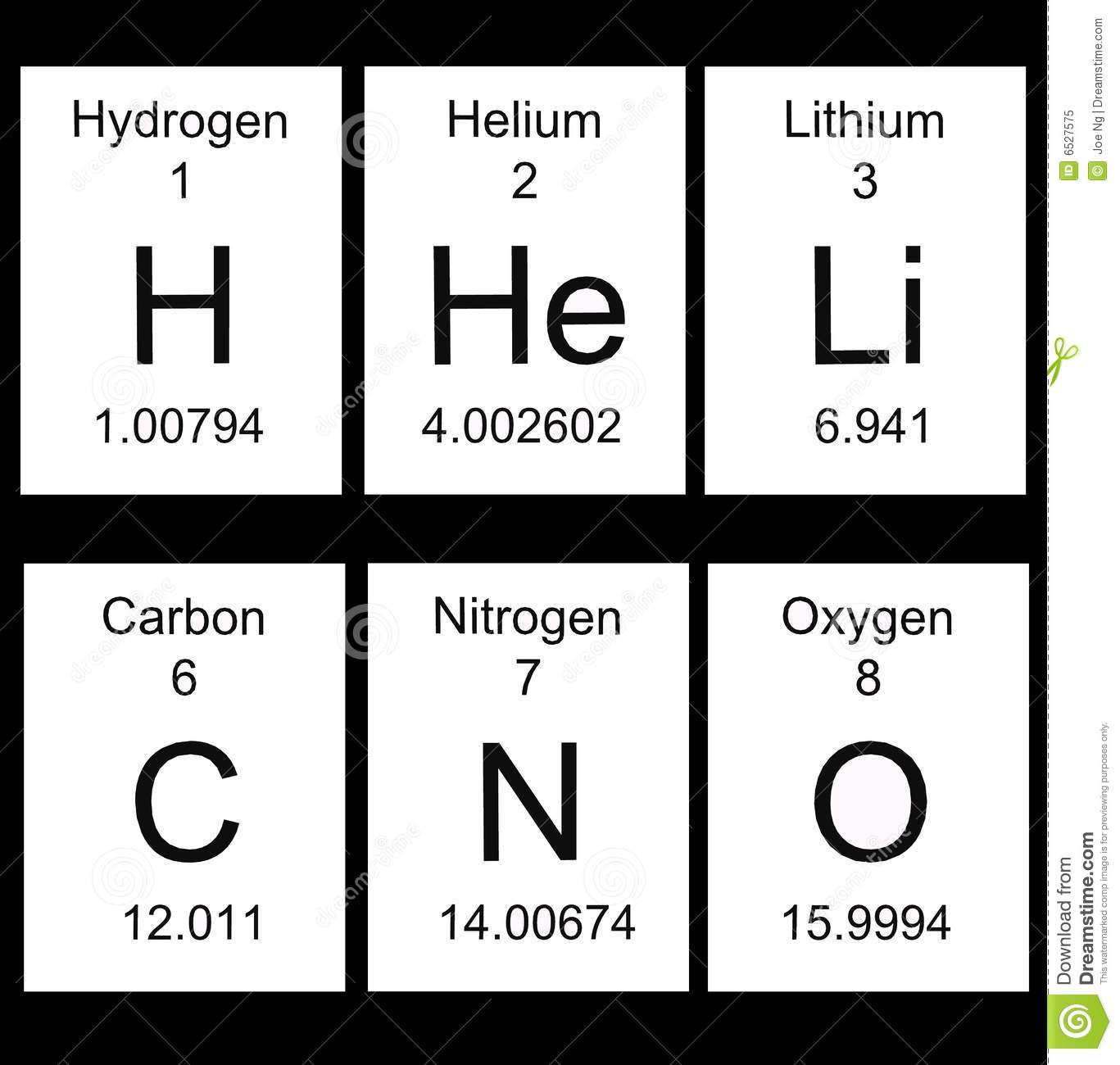
What does the 1.00794 stand for?
a)
Hydrogen
b)
atomic number
c)
atomic mass
d)
atomic explosion
132.
Which of the following is not a property of metals?
a)
brittle
b)
malleable
c)
lustrous
d)
conductive
133.
The atomic number tells you what?
a)
number of electrons
b)
number of protons
c)
number of neutrons
d)
both electrons and protons in an atom.
134.
If a material can easily be drawn into the shape of a wire, it is
a)
Ductile
b)
Magnetic
c)
Malleable
d)
Reactive
135.
Which element is not in the Alkali metal family?
a)
Li
b)
H
c)
Fr
d)
Cs 
136.
How many Valance electrons does Iodine Have?
a)
6
b)
16
c)
7
d)
17
137.
What is the name of the group that never reacts--ever ever they are stable with a full outermost ring!!!
a)
noble gases
b)
transition
c)
halogens
d)
borons
138.

What is the mass number of Neon?

a)

10

b)

20

c)

10.18

d)

20.18

139.
How many neutrons are in a Gold atom?
a)
79
b)
196
c)
118
d)
275
140.

How many valence electrons should Lithium have around its Lewis dot model?

a)

1

b)

2

c)

3

d)

4

141.

How many valence electrons should Beryllium have around its Lewis dot model?

a)

1

b)

2

c)

3

d)

4

142.

How many valence electrons should Nitrogen have around its Lewis dot model?

a)

1

b)

3

c)

4

d)

5

143.

How many valence electrons should Carbon have around its Lewis dot model?

a)

1

b)

3

c)

4

d)

5

144.

How many valence electrons should Neon have around its Lewis dot model?

a)

5

b)

6

c)

7

d)

8

145.

Which group of elements are extremely reactive?

a)

1

b)

18

c)

11

d)

16

146.
Ions are: 
a)
atoms with a positive or negative charge
b)
atoms with no charge
c)
atoms with ONLY a positive charge
d)
atoms with ONLY a negative charge
147.

Look at the periodic table. Which list of elements forms a group on the periodic table?

a)

Li, Be, B, C, N, O, F, and Ne

b)

He, Ne, Ar, Kr, Xe, and Rn

c)

B, Si, As, Te, and At

d)

Sc, Ti, V, Cr, Mn, Fe, Co, Cu, Ni, and Zd

148.

Name the element found: period 5 Group 4

a)

Boron

b)

Vanadium

c)

Niobium

d)

Zirconium

149.

Name the element found: group 2, period 6

a)

Tin

b)

Barium

c)

Chromium

d)

Calcium

150.

Groups 3-12 are called the

a)

Noble Gases

b)

Halogens

c)

Alkaline Earth metals

d)

Transition metals