
 Worksheets
Hydrocarbons
Total questions: 20
Worksheet time: 41mins
Name
Class
Date
1.
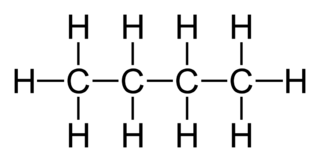
Name this alkane
a)
Methane
b)
Ethane
c)
Propane
d)
Butane
2.
How many carbon atoms are in propane
a)
1
b)
2
c)
3
d)
4
3.
The "ane" ending in "alkane" tells someone that they are dealing with _________-bonded carbons.
a)
single
b)
double
c)
triple
d)
quadruple
4.
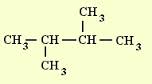
Name the compound.
a)
hexane
b)
2,3-dimethylbutane
c)
ethylbutane
d)
2,2-dimethylbutane
5.
Which structural formula has the highest of the boiling point?
a)
CH3CH3
b)
CH3CH2CH2CH3
c)
CH3CH2CH2CH2CH3
d)
CH3CH2CH3
6.
What is the general formula of the alkynes?
a)
CnH2n+1
b)
CnH2n+2
c)
CnH2n-1
d)
CnH2n-2
7.
Which of the following elements must be present in any organic compound?
a)
Carbon
b)
Oxygen
c)
Potassium
d)
Hydrogen
8.
Which of the following could contain a triple bond?
a)
C4H10
b)
C4H8
c)
C4H6
d)
C4H12
9.
Which of the following compounds is an example of hydrocarbon?
a)
CO2
b)
C2H6
c)
C2H5OH
d)
CH3COOH
10.
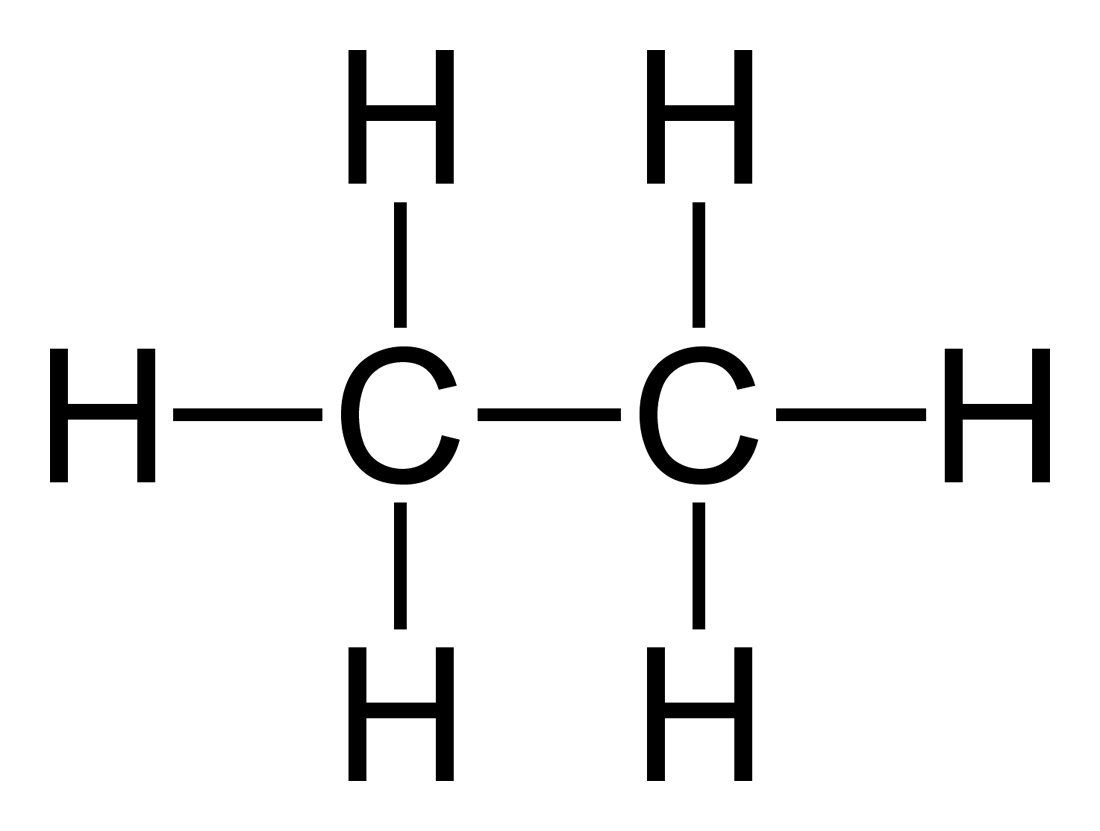
Name this alkane
a)
Methane
b)
Ethane
c)
Propane
d)
Butane
11.

What is the name of the adjacent hydrocarbon?
a)
Heptane
b)
Cycloheptane
c)
Hexane
d)
Cyclohexane
12.
The longer the hydrocarbon, the _______ the boiling point
a)
Lower
b)
Higher
13.
What is formed when an organic compound is bunt?
a)
Carbon dioxide
b)
Hydrogen peroxide
c)
Carbon Sulfide
d)
Hydrogen Sulfide
14.
Why do alkane not dissolve in water?
a)
they are less dense than water
b)
they have low melting points
c)
they are non-polar compounds
d)
they are chemically less reactive
15.
Which of the followings is the one of preparation methods of alkanes?
a)
Oxidizing alkenes in acid
b)
Hydrogenating alkynes
c)
Reducing alcohols
d)
Decomposing unsaturated hydrocarbones
16.
Which is NOT typically a property of organic compounds?
a)
low melting points
b)
ability to conduct electricity
c)
insoluble in water
d)
low boiling points
17.

What is the organic family for propene (propylene)?
a)
alkanes
b)
alkenes
c)
alkynes
d)
aromatics
18.
Unsaturated hydrocarbons contain ___.
a)
at least one double or triple bond between carbon atoms
b)
only double bonds
c)
only single bonds between carbon atoms
d)
only triple bonds
19.

a)
fermentation
b)
combustion
c)
saponification
d)
substitution
20.

Name the compound.
a)
3-methyl-2-pentene
b)
2-ethyl-2-butene
c)
3-ethyl-2-butene
d)
1,1-dimethyl-propene
100 %

