
 Worksheets
Boating Questions Lesson 3
Total questions: 30
Worksheet time: 15mins

What are the nautical terms for the right and left side of the boat when facing the bow?
Keel - right, Hull - left
Draft - right, Stern - left
Starboard - right, Port - left
Port - right, Starboard, left

What is the unique propulsion system on a personal watercraft?
Inboard engine/outboard propeller
Inboard engine/water jet pump.
Outboard
Paddlewheel

How long should the blower run before starting the engine?
At least 1 minute.
At least 2 minutes.
At least 3 minutes.
At least 4 minutes.

Why have a float plan before leaving on a boat trip?
To make sure there's enough fuel on board.
To ensure the waters used are navigable.
To make America great again.
So someone can contact help if you are late.

What's listed on the capacity plate of a boat?
Maximum limits for loading and powering
Size of boat
Equipment needed for safe operation
Number of seats onboard
Bow
The front part of the boat.
To turn over.
The four main points of a compass; north, south, east and west.
Top edge of the vessel.
Capsize
Instrument that shows the heading of a vessel.
To change course, or tack, in a sailboat.
To turn over.
Information left with someone concerning your boating trip
Compass
Instrument that shows the heading of a vessel.
Set of guidelines that operators follow for safety on the water.
The right side of the boat when facing the bow.
Green buoy, odd numbered on the left side while returning from the sea.
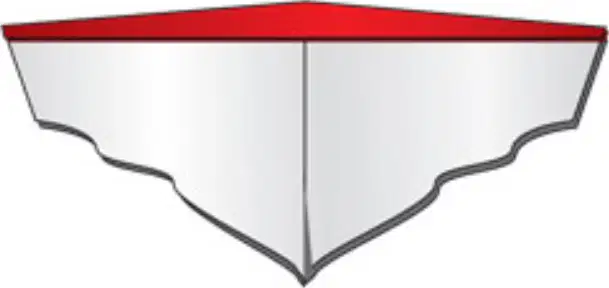
Identify the Vessel Shape.
Flat Bottom Hull
Deep Vee Hull
Round Bottom Hull
Multi Hull
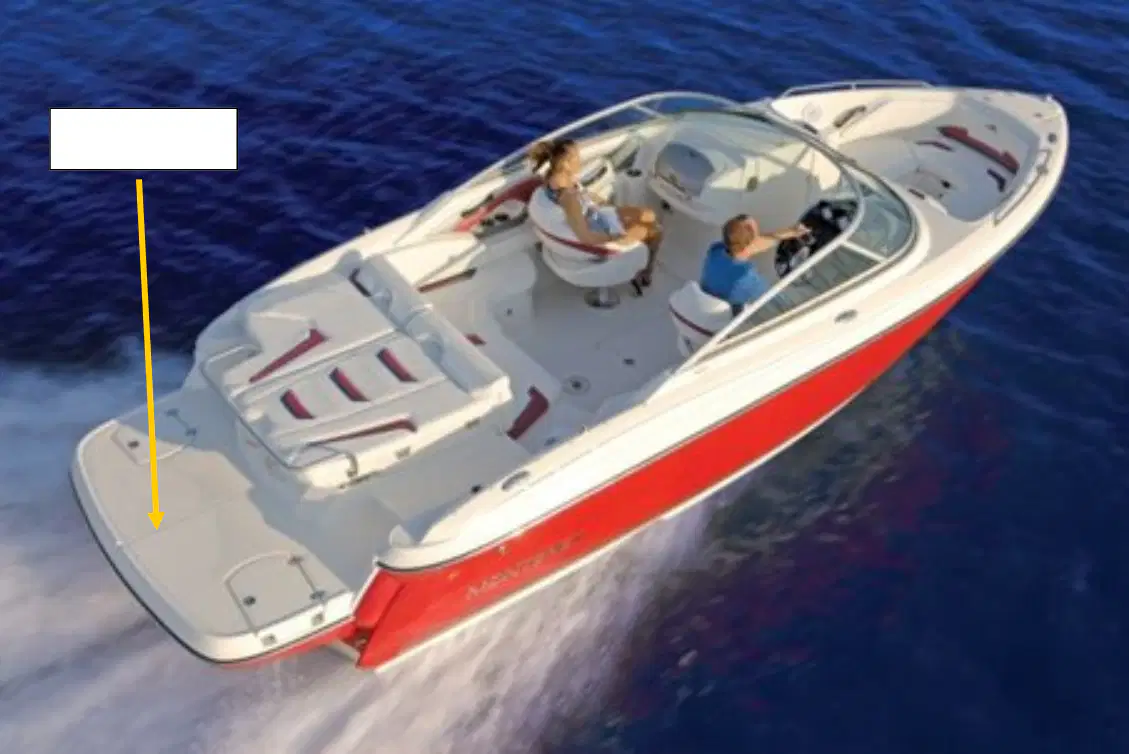
Identify the vessel part.
Stern
Gunwale
Bow
Propeller
If a vessel was between 16 feet and 26 feet in total length, what would be the vessel’s class?
Class A
Class 1
Class 2
Class 3
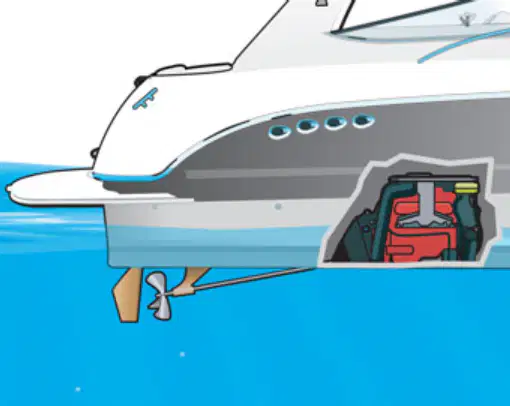
The following is an example of what engine or drive type?
Outboard Engine
Inboard Engine
Stern Drive
Jet Drive
This type of engine is attached to the back/transom of a boat
displacement engine
inboard
outboard
stern drive
you can pass driver's education without getting your driving permit.
true
false
the length of a boat is measured....
bow to engine
stern to engine
bow to stern
engine to stern
Personal watercraft are not subject to the laws and requirements of other vessels.
True
False
The port side of a vessel is the ________________ side.
right
left
Name three basic hull shapes.
3 answers
Round bottom
Curve bottom
Vee bottom
Flat bottom
What is the correct action to take when encountering vessels at night?
Use a flashlight to signal other vessels
Maintain course and speed
Change course immediately
Use navigation lights and observe right-of-way

In the boating diagram, what does the "Give Way" instruction imply?
The boat must stop immediately.
The boat must alter its course to avoid collision.
The boat has the right of way.
The boat should increase its speed.
What should all boaters do while navigating?
A high speed
A safe speed
A variable speed
The maximum speed allowed
Who is responsible for preventing collisions according to Navigation Rules?
All boaters
Only boat captains
Navigation officers only
Passengers
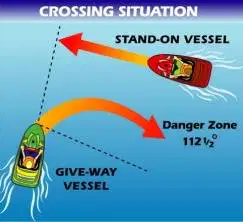
According to the diagram in Lesson 3, what should the boat labeled "Give Way" do when encountering another vessel?
Maintain its course and speed
Change its course to avoid collision
Stop immediately
Increase speed to pass in front of the other vessel
What does the term "Stand On" imply in the context of navigation rules?
The vessel should stop immediately
The vessel should increase its speed
The vessel should maintain its course and speed
The vessel should prepare to evacuate
According to Navigation Rules, which type of vessel should always be given way to due to its inability to maneuver easily?
Speedboats
Jet Skis
Vessels restricted in their ability to maneuver
Recreational watercraft
When two power-driven vessels meet head-on, how should each vessel maneuver to avoid a collision according to the navigation rules?
Both vessels should turn to port (the left).
Both vessels should turn to starboard (the right).
One vessel turns to starboard and the other to port.
Both vessels should maintain their course.
When two power-driven vessels are crossing paths, which vessel is required to give way?
The vessel on the operator's starboard (right)
The vessel on the operator's port (left)
Both vessels
Neither vessel
What is the role of the vessel that is overtaking another vessel in navigation rules?
Stand-on vessel
Give-way vessel
Lead vessel
Anchor vessel
When a power-driven vessel encounters a sailing vessel head-on, which vessel is required to give way?
Both vessels give way
The sailing vessel
The power-driven vessel
Neither vessel gives way
When are boats required to use navigation lights?
Only during the day
From sunset to sunrise
Only when it is raining
Only when the boat is anchored

