
 Worksheets
Biology Revision quiz
Total questions: 75
Worksheet time: 58mins

An adaptation that helps a cactus live in the desert is its
wide, flat leaves to catch water
bright green color
thin, spiny thorns
tall stems
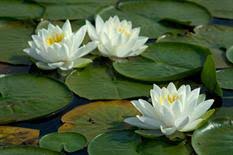
Water lilies live in lakes and ponds. It is an example of
Free floating plant
Fixed plant
Submerged plant
What is it called when a plant or animal has a feature that helps it survive in a specific environment?
instinct
mimicry
camouflage
adaptation
Which of the following adaptations best explains how pine trees are able to prevent water loss or damage from freezing temperatures?
Pine trees have thick bark
Pine cones produce seeds.
Pine tree roots go deep underground.
Pine needles are thin and have a wax coating.
The trees that remain almost green throughout the year
Terrestrial
Aquatic
Deciduous
Evergreen
One example of trees that bear cones with seeds
Rubber
Fir
Coffee
Leaves of underwater plants do not have stomata. One example of such a plant is....
Lotus
Hyacinth
Hydrilla
Water lettuce
Plants that grow on land are called
aquatic
terrestrial
dessert plants
Adaptive features of LEAF of LOTUS palnt:
Waxy layer to protect it from rotting in water
Stomata on the top surface of the leaf
Broad leaves to help it float
All of the above
Why don't STEMS of aquatic plants get damage by water?
Because they are woody
Because they are flexible and light weight
Because they have thorns
Because they have cones
What do plants need to survive?
sunlight, water, air, and nutrients
sunlight, winter, fall, and nutrients
swamps, bees, leaves, and nutrients
Which plant grows in marshes or swamps?
Coconut Tree
Mangroves
Cactus
Mango tree
Mangrove trees have this feature
Stilt roots
Breathing roots
Both 1 and 2
None
Which of the following animals is found in grass land?
Yak
Camel
Lion
Penguin
Which of the following is a migratory bird?
Arctic tern
African antelopes
Monarch butterflies
All of these
Which of the following uses wings as fore limbs?
Aquatic animals
Aerial animals
Insects
All of these
Polar bears migrate from colder region to warm places-
True
Fa[se
Which of the following adaptations helps birds fly?
They have more fat than most animals, so they can fly for long distances.
They have hollow bones, so they are lighter.
They have smaller blood vessels, so their hearts have to work less in flight.
They have a larger stomach, so they can absorb food faster.
Which of the following is NOT an adaptation that allows a polar bear to survive in its environment?
Thick layer of fat and fur
A herbivorous diet
Large paws for traction in snow and ice
White fur for camouflage
Blood consists of three types of cells floating in a liquid called
urea
plasma
platelets
RBCs
___________ transports oxygen from the lungs to all the cells of the body.
Haemoglobin
kidney
WBC
capillaries
Blood carries urea from the _________
kidney to liver
arteries to veins
veins to arteries
liver to kidney
___________ plays a major role in blood clotting.
Platelets
Ventricles
Aorta
capillaries
The only artery that carries carbondioxide rich blood ______
Aorta
Auricle
Pulmonary artery
Pullmonary vein
___________ connect arteries to veins.
platelets
capillaries
vena cava
auricles
____________ carry blood from all parts of the body towards heart.
Artery
capillaries
Vein
platelets

The two lower chambers of the heart are called _____
Auricle
Ventricle
Aorta
Vena cava

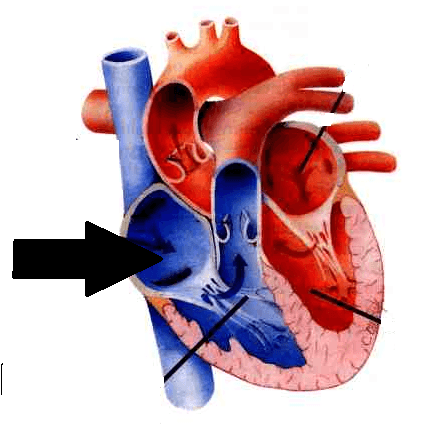
Where is this organ located
Between the lungs
Between the Kidneys
Between the liver
Between the intestines
What is the circulatory system?
The system that circulates blood through the body
The system that helps food travel through the body.
The system that controls your breathing
The system that helps your body digest.
What is a part of the circulatory system?
Heart, brain, muscle, skeleton
Heart, Veins, Arteries, Capillaries
Spine, Veins, Brain, Small Intestine
Bones, Muscle, Kidneys, Nerves
The main artery that comes out of the heart
(a)
Which vein brings blood from the upper part of the body?
inferior vena cava
superior vena cava
axillary vein
pulmonary veins
Pulse rate measures ...
How many times the heart beats per minute.
How many times the heart beats per second.
How many times the heart beats in a lifetime
Average number of times the heart beats per hour.
what is there between upper and lower chambers
(a)
Whose walls are thinner?
Veins
Arteries
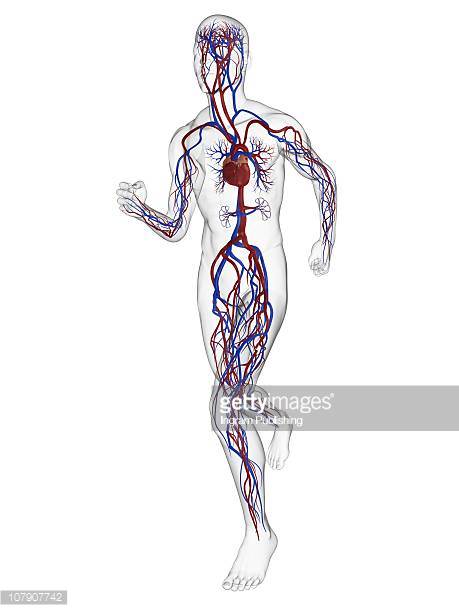
What is the main organ of the circulatory system?
small intestine
bone
lungs
heart
Veins carry oxygen poor blood back to the heart.
False
True
Arteries carry oxygen rich blood away from the heart.
True
False

Your heart is about the size of your __________.
mouth
fist
show
These blood vessels help fight infection and other diseases.
Red Blood Cells
White Blood Cells
Platelets
Plasma
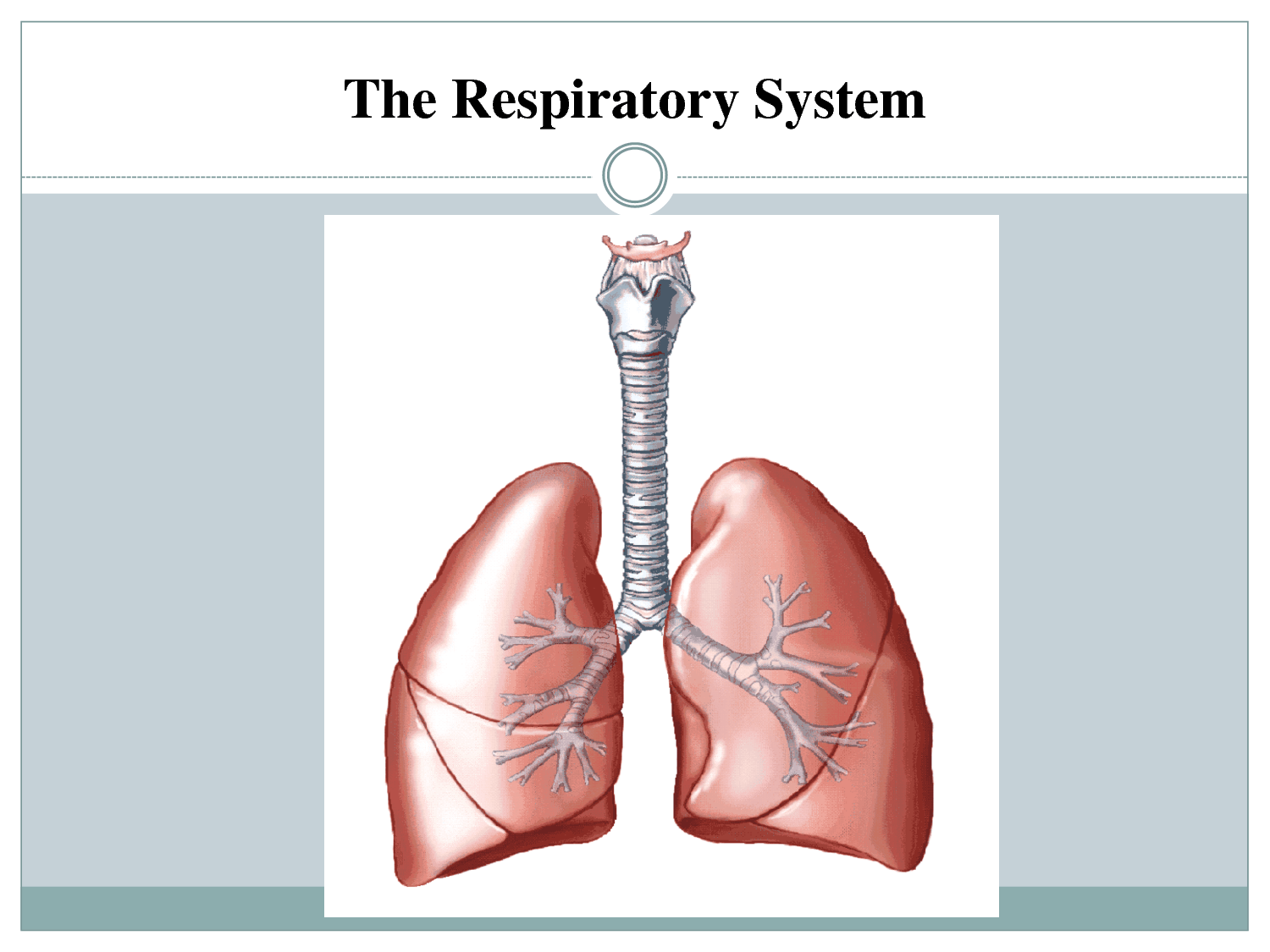
What is the main function of the respiratory system?
to provide oxygen and remove carbon dioxide from the body
o break down food and absorb nutrients
to remove oxygen from the body and deliver carbon dioxide
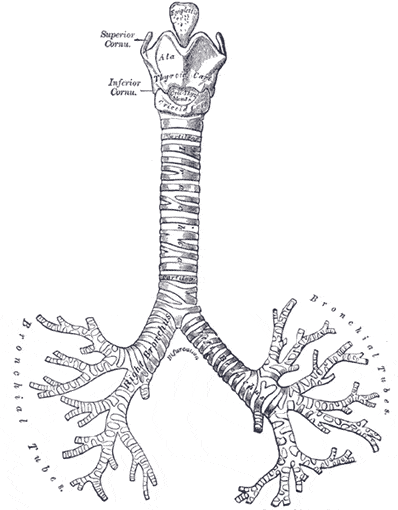
The ___________ is the dome shaped muscle below the lungs
diaphragm
rib
alveoli
trachea

contains the vocal chords/voice
mouth
trachea
bronchioles
larynx

Look at the diagram. What body system is this?
digestive
circulatory
respiratory
sight
What is the name of the part that is label B?
nose
mouth
treacha
lungs
What is the name of the part that is label C?
diaphragm
mouth
treacha
lungs
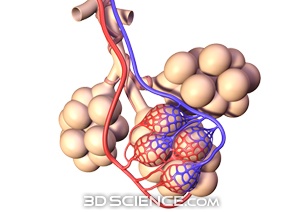

Flap of tissue that covers the opening to the windpipe during swallowing
Pharynx
Trachea
Epiglottis
1. larynx
2. nasal cavity
3. pharynx
4. trachea
Which of the following is the correct order that air would flow during inhalation.
What is the site of gas exchange?
alveoli
nose
lung
bronchi
When you exhale, the diaphragm
moves upwards
moves downwards
flattens
none of the above
The normal oxygen content of inhaled air is approximately
0.04%
21%
79%
100%
_______ Is any condition where a large part of the body becomes unhealthy
disease
infection
pathogen
What is a communicable disease?
An illness that can be passed on by germs from person to person.
A disease that cannot be passed on to another person.
This mosquito spreads dengue-
Female Anopheles
Flies
Aedes
None of these
The system in our body that helps fight disease is called the ________________ system.
respiratory
digestive
muscular
immune
Malaria, dysentery are the diseases that are caused by-
Bacteria
Protozoa
Fungi
Virus
Measles, common cold and chicken pox are the diseases that are caused by-
Bacteria
Virus
Protozoa
Fungi
Instrument used to see micro organisms -
Telescope
Periscope
Microscope
None of these
Cholera and typhoid spread through-
coughing and sneezing
Unclean food and water
Mosquito bite
clean food and water
For the following quesitons - read the adaptations that a camel has and match them to the correct statement to show how each adaptation helps the camel to survive in the desert.
Adaptation:
Nostrils that can close.
Reduces heat energy loss during cold nights.
Stops sand going up its nose.
Prevents their feet sinking into the sand.
Shade their eyes from the sun.
Adaptation:
Large, flat, padded feet.
Stops sand getting in its eyes.
Reduces heat energy loss during cold nights.
Stops sand going up its nose.
Prevents their feet sinking into the sand.
Adaptation: Thick eyebrows.
Prevents their feet sinking into the sand.
Shade their eyes from the sun.
An energy store.
Allows heat energy loss during the day.
Adaptation: Hump made of fatty tissue.
Prevents their feet sinking into the sand
Shade their eyes from the sun.
An energy store.
Allows heat energy loss during the day.
Adaptation:
Thick leathery lips.
So that they can eat prickly plants.
Helps them to blend into the surroundings.
Stops sand getting in its eyes.
Reduces heat energy loss during cold nights.
Lack of Vitamin A causes _________
Night blindness
Goiter
Rickets
Choose a Communicable Diseases
Influenza
Heart Disease
Diabetes
Asthma

