
NEW
Font size
 Worksheets
Biology EOC Evolution Review
Total questions: 22
Worksheet time: 20mins

Evolution is best defined as:
the process which organisms die.
the process which organisms change over time.
the process which organisms that are extinct become revived.
the process which non-living things fossilize.

The solidified remain or imprint of a once living thing are called:
Fossils
Homologous Structures
Vestigial Structures
DNA

What type of evidence is represented in the picture above:
Fossils
Vestigial Structures
DNA
Homologous Structures

What type of evidence is shown in the image above?
Fossils
Vestigial structures
Homologous Structures
DNA

What type of evidence is shown in this picture?
Fossils
Homologous Structures
Vestigial Structures
DNA

What type of evidence are shown in the picture above?
Fossils
Embryology
Homologous Structures
Vestigial Structures

Adaptations are:
physical or behavioral tendencies.
physical or behavioral characteristics that help an organisms survive and reproduce.
physical or behavioral characteristics that do not help the organism in any way.
genetic mutations that have gone wrong.
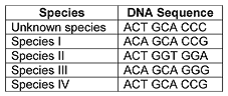


Which scientist is known for his work that he did on the Galapagos Islands to develop his theory of natural selection?
Gregor Mendel
Charles Darwin
Anton Van Leewenhoek
Robert Brown
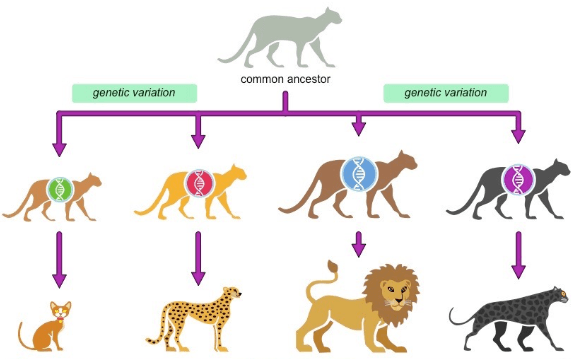
The process by which two populations of the same species become so different that they can no longer interbreed.
natural selection
artificial selection
speciation
fossilization


Scientists have collected millions of fossils of different organisms, and have developed a timeline of life on Earth. What do we call this?
Mutation
Natural Selection
The theory of evolution
Fossil Record
What most likely caused the finches on the Galapagos Islands to have beaks that were different from the finches on the mainland?
There were different types of predators on the island.
There were different types of food available on the island.
The finches had no water to drink.
The finches on the mainland could not fly high enough.
What is the study of organisms at the early stages of development?
DNA studies
Comparative Embryology
Extinction
Fossil Record

