
 Worksheets
Algae and Plankton
Total questions: 26
Worksheet time: 14mins
Organisms that are plankton only part of their lives.
holoplankton
microplankton
meroplankton
macroplankton
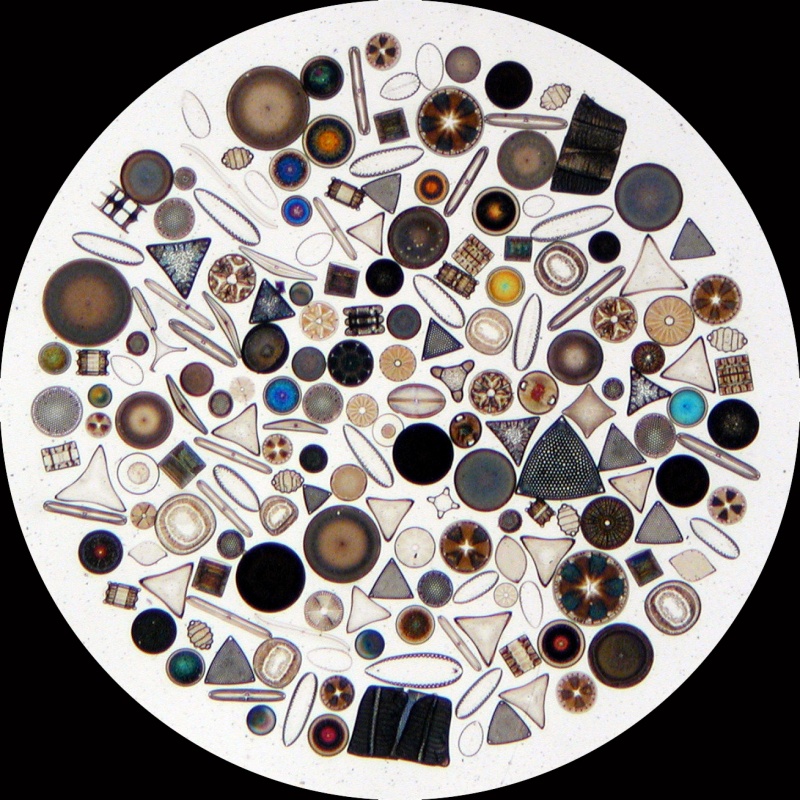
Diatoms are:
Phytoplankton
Zooplankton
Meroplankton
Nekton
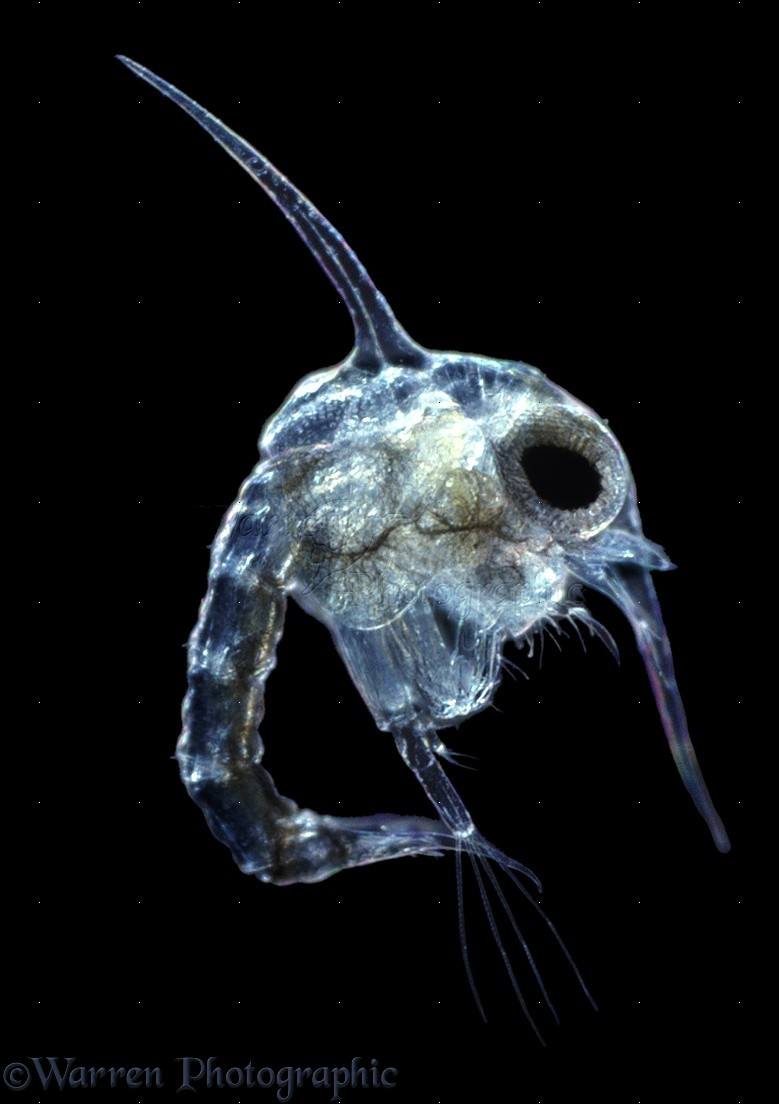
The larvae of crabs and lobsters belong to which group of plankton?
Phytoplankton
Meroplankton
Holoplankton
None of the above

Which group would you expect to be most numerous based on ocean food webs?
Phytoplankton
Zooplankton
Benthic animals
Abyssal Zone plants
Why are many fishing boats found near ocean upwellings?
There is less vegetation there.
Upwellings are found in more shallow waters, so boats do not need deep anchorage.
The water is less turbulent there.
The upwellings bring up nutrients, causing phytoplankton blooms and corresponding increases in populations across the food web including commercial fish populations.
Benthos are organisms that live
on the surface of the water
throughout the water column
on the ocean floor
in shallow water
Which of the following organisms is an example of nekton?
Lobster
Dolphin
Clam
Sea Star
Free-swimming animals that can move throughout the water column are called
algae.
nekton.
benthos.
plankton.

Which term describes the upper part of the ocean into which sunlight penetrates?
neritic zone
intertidal zone
oceanic zone
photic zone

What is the name of this holoplankton?
diatom
copepod
krill
dinoflagellate

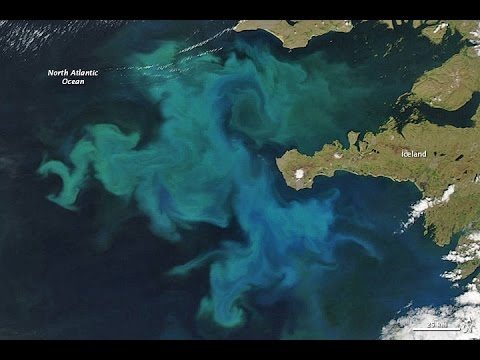

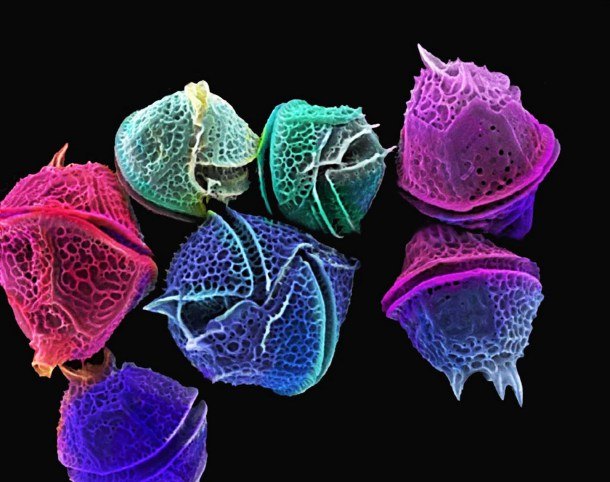
What organism(s) are pictured here?
Diatom
Dinoflagellate
Zooplankton
Nekton

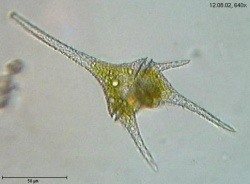
What is the name of this organism?
coccolithophore
cyanobacteria
dinoflagellate
diatom
What type of sedimentary rock is formed primarily of the fossilized skeletons of coccolithophores?
Limestone cave rocks
Chalk (as in the White Cliffs of Dover)
Igneous lava rock
pink sands of Bermuda

These holoplankton are found widely across the planet and can be used as a proxy in sediment samples to determine historical climate. (Their shells are made of calcium carbonate, so they will not be found in deep sediments.)
diatoms
dinoflagellates
krill
foraminifera
Which plankton is used as an abrasive (in toothpaste and cleaners), a filtering agent (in pools), and a garden insecticide?
diatoms
dinoflagellates
copepods
krill
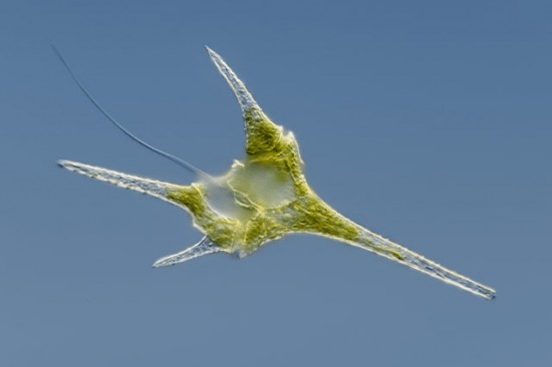
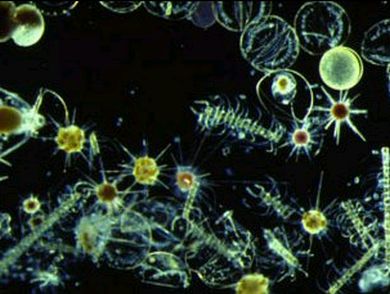
What organism(s) are pictured here?
Diatom
Dinoflagellate
Zooplankton
Nekton

Why do zooplankton migrate each day?
to avoid sunburn during the day
to find mates
to eat phytoplankton at night
to avoid predators at night

