
 Worksheets
Muscular Systems
Total questions: 25
Worksheet time: 25mins

What type of muscle does this organ have?
SMOOTH
Muscle
CARDIAC
Muscle
SKELETAL
Muscle
CARDIAC and SMOOTH Muscles

Which function of the muscle is shown in the picture?
For MOVEMENT
For PROTECTION
To MAINTAIN BODY TEMPERATURE
How do muscles and bones enable a body part to move?
The muscles PRESS DOWN on the bone.
The bones SQUEEZE the muscles.
The muscles PULL ON the bones.
The bones PUSH the muscles.
When the muscles are working, the muscle that is pulling on the bone is RELAXING.
TRUE
FALSE
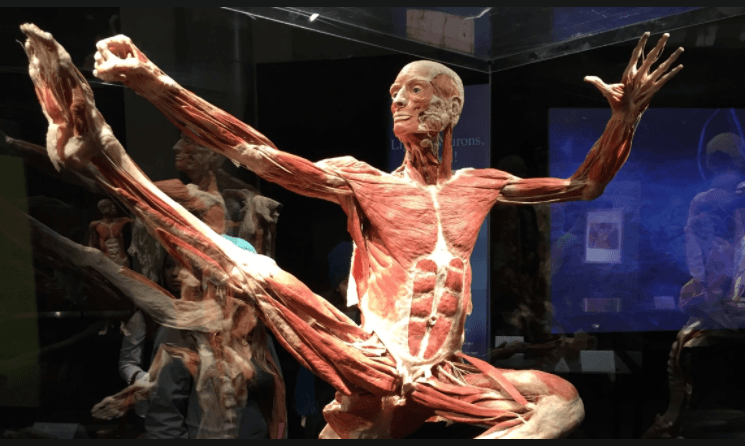
Which systems main function is to allow movement of the body?
muscular
digestive
skeletal
excretory

Allows movement of body parts.
skeletal system
digestive system
excretory system
muscular system

What is the primary function of the muscular system?
Support
Movement
Protection
Blood cell production

Name the body system
Circulatory System
Muscular System
Respiratory System
Skeletal System

What body system makes your body move?
Circulatory
Respiratory
Skeletal
Muscular

Select all the main functions of this system.
movement
control body heat
transport oxygen
makes your heart pump
produce hormones

Which system maintains posture, produces heat and moves the body?
Skeletal
Nervous
Integumentary
Muscular
When the muscles are working, the muscle that is contracting is SHORT and THICK.
TRUE
FALSE
Which best describes the purpose of the muscular system?
The muscular system carries messages from the brain to the bones to move the body.
The muscular system keeps the bones strong and protects them from being broken.
The muscular system allows movement of bones and helps maintain posture.
The muscular system produces energy the body needs to be able to move.
Timothy was playing soccer in a match on Saturday. He ran down the field, kicked the ball, and scored a goal for his team. Many of Timothy's body systems worked together to allow him to score the goal. How did his muscular system help him?
It broke down food into nutrients the body needs for energy and growth.
It brought air into the lungs to provide needed oxygen for the body.
It transported blood through the body to bring oxygen and nutrients to cells.
It worked with the skeletal system to produce movement.
How does the skeletal system work with the muscular system in the human body?
The skeletal system circulates blood through the arteries and veins that run through muscles.
The skeletal system removes waste products that build up in muscles during exercise.
The skeletal system provides support and solid structures where tendons and muscles can attach.
The skeletal system brings oxygen to muscle cells and carries away carbon dioxide.
The muscle that pumps blood throughout your body is
cardiac muscle
valentine muscle
smooth muscle
skeletal muscle
What is the primary function of the muscular system in the human body?
To produce hormones
To facilitate movement and maintain posture
To digest food
To circulate blood
Which type of muscle is responsible for voluntary movements?
Cardiac muscle
Smooth muscle
Skeletal muscle
Involuntary muscle
How do muscles work in pairs to move a bone?
One muscle contracts while the other relaxes
Both muscles contract simultaneously
Both muscles relax simultaneously
One muscle pushes while the other pulls
What is the role of tendons in the muscular system?
To connect muscles to bones
To connect bones to bones
To protect internal organs
To produce red blood cells
Which muscle type is found in the walls of internal organs and is responsible for involuntary movements?
Skeletal muscle
Cardiac muscle
Smooth muscle
Voluntary muscle
What happens to a muscle when it contracts?
It becomes longer and thinner
It becomes shorter and thicker
It stays the same size
It turns into bone
Which of the following is a characteristic of cardiac muscle?
It is under voluntary control
It is found in the heart
It is attached to bones
It is responsible for digestion
How does exercise affect the muscular system?
It decreases muscle mass
It increases muscle strength and endurance
It weakens the muscles
It has no effect on muscles
What is the term for the point where a muscle attaches to a stationary bone?
Insertion
Origin
Tendon
Joint

