
NEW
Font size
 Worksheets
Body Symmetry
Total questions: 15
Worksheet time: 15mins
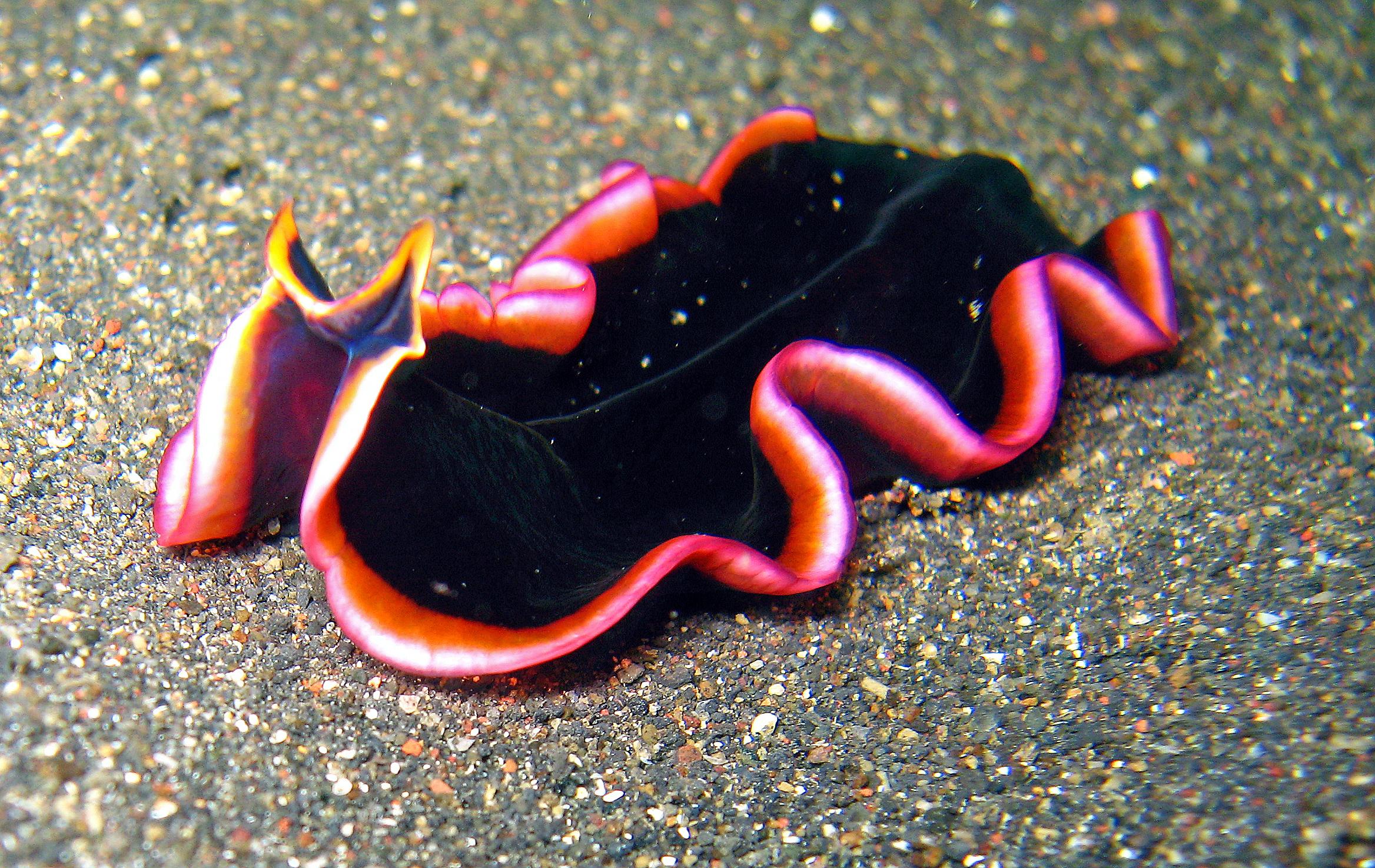
What type of symmetry does this animal exhibit?
Asymmetry
Bilateral symmetry
Radial symmetry
Animals whose body parts are arranged in a circle around a center point have
Animals whose body parts are arranged the same on both sides have
radial symmetry
Which have radial symmetry?
starfish
jellyfish
sand dollar
all of these have radial symmetry
Most sponges have
radial symmetry
spherical symmetry

What type of symmetry does the organism have?
Asymmetrical
Radial
Bilateral

What type of symmetry does the organism have?
Asymmetrical
Radial
Bilateral

What type of symmetry does the organism have?
Asymmetrical
Radial
Bilateral
Which type of symmetry is characterized by body parts arranged around a central axis?
Radial symmetry
Bilateral symmetry
Asymmetry
Spherical symmetry
What type of symmetry do humans exhibit?
Radial symmetry
Bilateral symmetry
Asymmetry
Spherical symmetry
Which of the following animals is an example of radial symmetry?
Butterfly
Starfish
Elephant
Lizard
In an experiment, a biologist observes an organism with no symmetry. What type of symmetry does this organism exhibit?
Radial symmetry
Bilateral symmetry
Asymmetry
Spherical symmetry
Which type of symmetry is most advantageous for animals that are sessile or slow-moving?
Radial symmetry
Bilateral symmetry
Asymmetry
Spherical symmetry
How does bilateral symmetry benefit animals in terms of movement?
Allows for circular movement
Facilitates streamlined movement
Enables random movement
Supports stationary lifestyle
Which of the following is true about spherical symmetry?
It is common in terrestrial animals
It allows for equal movement in all directions
It is found in all aquatic animals
It is the same as radial symmetry

