
 Worksheets
New and Improved REVIEW Weather, Climate, and Water Cycle
Total questions: 65
Worksheet time: 38mins
What process transfers water from the atmosphere (the air) to the hydrosphere (ocean)?
Evaporation
Runoff
Precipitation
Transpiration
Cold air molecules are ________________ warm air molecules.
more dense than
less dense than
the same density as
lighter than
equally dense as

Water can exist in the air as...
a solid
a liquid
a gas
all of the above
The water cycle is a convection cycle. Which process in the water cycle shows heated particles becoming less dense and rising?
Condensation
Precipitation
Transpiration
Evaporation

Look at the numbered blanks in the diagram below. Select the correct answer for #6.
Condensation
Transpiration
Evaporation
Precipitation
Runoff

Look at the numbered blanks in the diagram below. Select the correct answer for #7.
Condensation
Transpiration
Evaporation
Precipitation
Runoff

Look at the numbered blanks in the diagram below. Select the correct answer for #8.
Condensation
Transpiration
Evaporation
Precipitation

Look at the numbered blanks in the diagram below. Select the correct answer for #9.
Condensation
Transpiration
Evaporation
Runoff
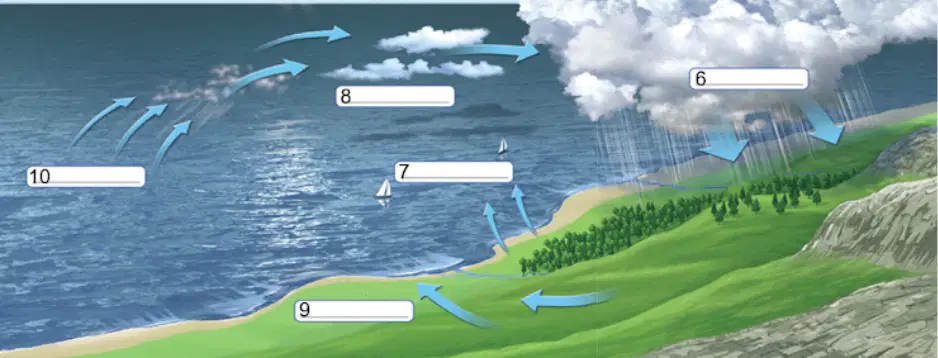
Look at the numbered blanks in the diagram below. Select the correct answer for #10.
Condensation
Transpiration
Evaporation
Precipitation
Runoff

Colder gas molecules would create _____________ air pressure while hotter gas molecules would create ___________ air pressure.
higher; higher
lower; lower
higher; lower
lower; higher

The continuous movement of water from Earth's surface to the atmosphere and back.
transpiration
evaporation
water cycle
runoff
condensation

The process where water vapor is released through the leaves of plants.
transpiration
evaporation
water cycle
runoff
condensation

This type of cloud is thin, wispy, and made of ice crystals.
cumulus
stratus
cirrus
cumulonimbus

This type of cloud is thick and puffy on top, and generally flat on the bottom. It has well-defined edges and can change shape rapidly.
cumulus
stratus
cirrus
cumulonimbus

Nimbostratus clouds can signal what type of upcoming weather?
fair weather
windy weather
hot, sunny weather
rainy weather
What are the four classes of clouds based on altitude?
cirrus, nimbus, stratus, cumulus
low, middle, high, vertically developed
troposphere, stratosphere, mesosphere, thermosphere
The unequal heating of earth’s surface causes
differences in air, water and land temperatures
differences in air pressure
global patterns of atmospheric movement
all of the above

What is the main reason we have seasons here on Earth? *
The Earth gets closer to the sun and farther away from the sun at certain times of the year
The Sun sends different amounts of energy to Earth at different times of the year
the Earth spinning on its axis
The tilt of the Earth on its axis

When it is winter here in the Northern Hemisphere, what season is it in the Southern Hemisphere? *
winter
spring
summer
fall

What are the reasons that the Earth heats up unevenly? Check all that apply.
the amount of energy coming from the Sun changes throughout the year
the Earth is tilted on its axis
the Earth is a sphere
different materials on Earth's surface absorb heat at different rates
the Earth gets farther from the Sun at different times of the year
Fluids (gases and liquids such as air and water) always move from
areas of high pressure toward areas of low pressure
areas of low pressure toward areas of high pressure
consistently in one direction regardless of their pressure
the spinning of the earth
Global wind patterns are the result of the combination of
the unequal heating of Earth’s surface and the Coriolis effect
the Coriolis effect and differences in moisture content
the latitude and elevation of the land
the ocean currents and topography
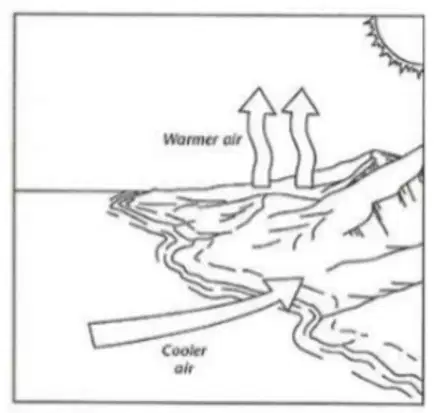
During the day, the land warms up faster than the water. The air over the land gets warmer. This warm air is less dense. It expands and rises creating a low pressure area over the land. Cooler, denser air from over the ocean moves onshore. This creates what is commonly called a __________.
a jet stream
a sea breeze
a land breeze
the Coriolis Effect
Two characteristics scientists use to describe air masses are __________.
temperature and moisture content
moisture content and pressure
temperature and pressure
speed and direction
Which of the following terms describes an air mass that forms in a wet area?
continental
maritime
polar
tropical
Which of the following terms describes an air mass that forms close to the equator?
continental
maritime
polar
tropical
The measure of the amount of water vapor in the air is known as
evaporation
condensation
precipitation
humidity
As you move higher in altitude air pressure
stays the same
decreases
disappears completely
increases
A front is
a boundary where two different air masses meet
the leading edge of an air mass
the direction an air mass is moving
where air masses mix together
Air has pressure because
the stratosphere is thick
air has mass
wind moves the air
temperature warms the air
What kind of weather would a continental tropical air mass that formed over northern Mexico bring to the southwestern United States?
rainy and cold
warm and moist
cold and moist
hot and dry
What type of air masses usually bring weather to Florida?
continental polar
continental tropical
maritime polar
maritime tropical

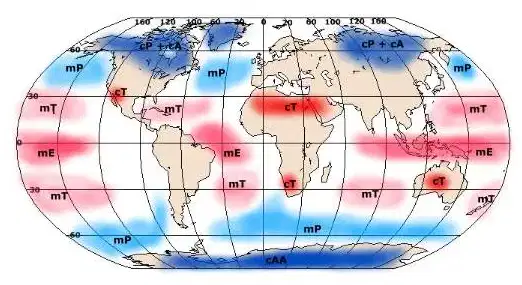
What type of air masses is letter E?
continental polar
continental tropical
maritime polar
maritime tropical

In the atmosphere, the sun's rays heat the ground by what process?
conduction
convection
radiation
evaporation

Cold air moves into an area of warm air. The cold air is more dense than the warm air and it forces up resulting in rain followed by cooler temperatures. What is this called?
a cold front
a warm front
a stationary front
an occluded front
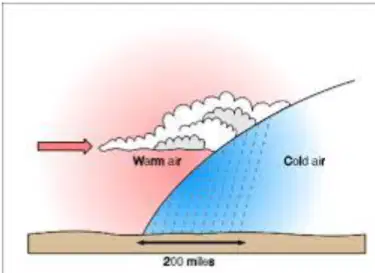
Warm air moves into an area of cold air. The cold air is more dense than the warm air so the warm air is pushed up. Rain is usually followed by warmer temperatures. What is this called?
a cold front
a warm front
a stationary front
an occluded front

Based on the climograph below, which month does this place receive the most precipitation?
July
May
June
November
Cold air molecules have a ____________ density than warm air molecules.

According to the climograph, which month has the least precipitation in this region?
January (01)
February (02)
December (12)
November (11)

What is the Coriolis Effect?
The Coriolis effect is the apparent acceleration of a moving body on or near the Earth as a result of the Earth’s rotation. The Coriolis effect affects wind direction on a global scale.

Cumulonimbus clouds can signal what type of upcoming weather?
what is the climate zone of the blue square?
(remember our hamburger)
polar zone
tropical zone
temperate zone

A strong low-pressure weather system forms off the coast and moves toward a land area. Which weather conditions will likely result from the low-pressure system?
clear, sunny skies and calm winds
mostly sunny skies with little to no precipitation
partly cloudy skies with little precipitation and light winds
mostly cloudy skies with moderate to heavy precipitation and strong winds
A strong low-pressure weather system forms off the coast and moves toward a land area. Which weather conditions will likely result from the low-pressure system?
clear, sunny skies and calm winds
mostly sunny skies with little to no precipitation
partly cloudy skies with little precipitation and light winds
mostly cloudy skies with moderate to heavy precipitation and strong winds
Click the location where the air pressure is greatest!
Match the following air masses with the type of weather they bring.
Maritime Polar (mP)
Cold and Moist
Maritime Tropical (mT)
Warm and Moist
Continental Polar (cP)
Cold and Dry
Continental Tropical (cT)
Hot and Dry
Which type of air mass bring COLD and DRY weather?
Maritime Polar (mP)
Maritime Tropical (mT)
Continental Polar (cP)
Continental Tropical (cT)
Most weather comes from -
water
temperature
air masses
very large area
An air mass that is humid and forms over water is called a _______________ air mass.
maritime
continental
Above a continent, a warm air mass slowly passes over a cold air mass. As the warm air begins to cool, clouds form. What will most likely happen next?
lightning will strike
hail will form
rain will fall
hurricanes will form
If an air mass forms over land, chances are it will be
humid.
moist.
cloudy.
dry.

What will most likely occur when these two air masses meet?
tornadoes
a gentle breeze
hurricanes
high pressure
What is the relationship between air temperature and relative humidity? (Which can hold more water vapor, warm air or cold air?)
Why does Florida have more hurricanes than snow storms?
What are lines of latitude?
What are lines of longitude?
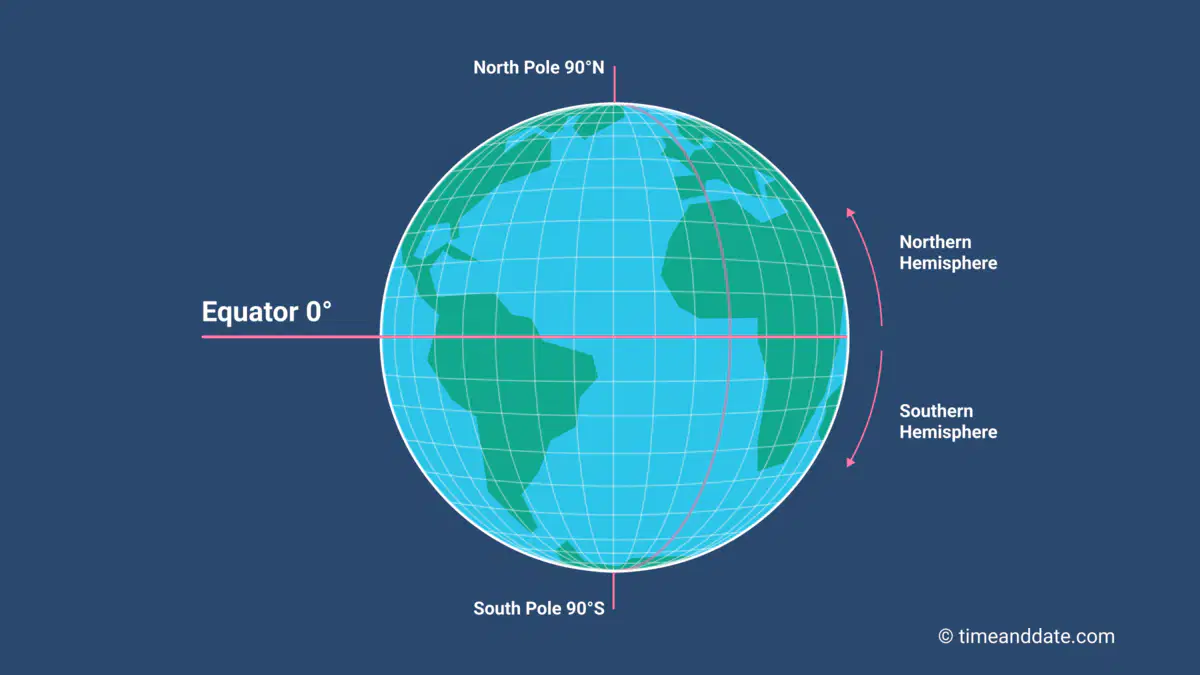
The Equator is a line of
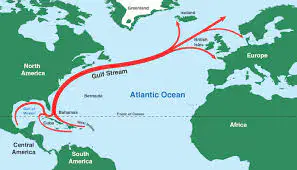
What is the Gulf Stream and how does it affect the weather in Northwestern Europe?

Looking at the climate zone map below, what climate zone is indicated by the color red on the map?
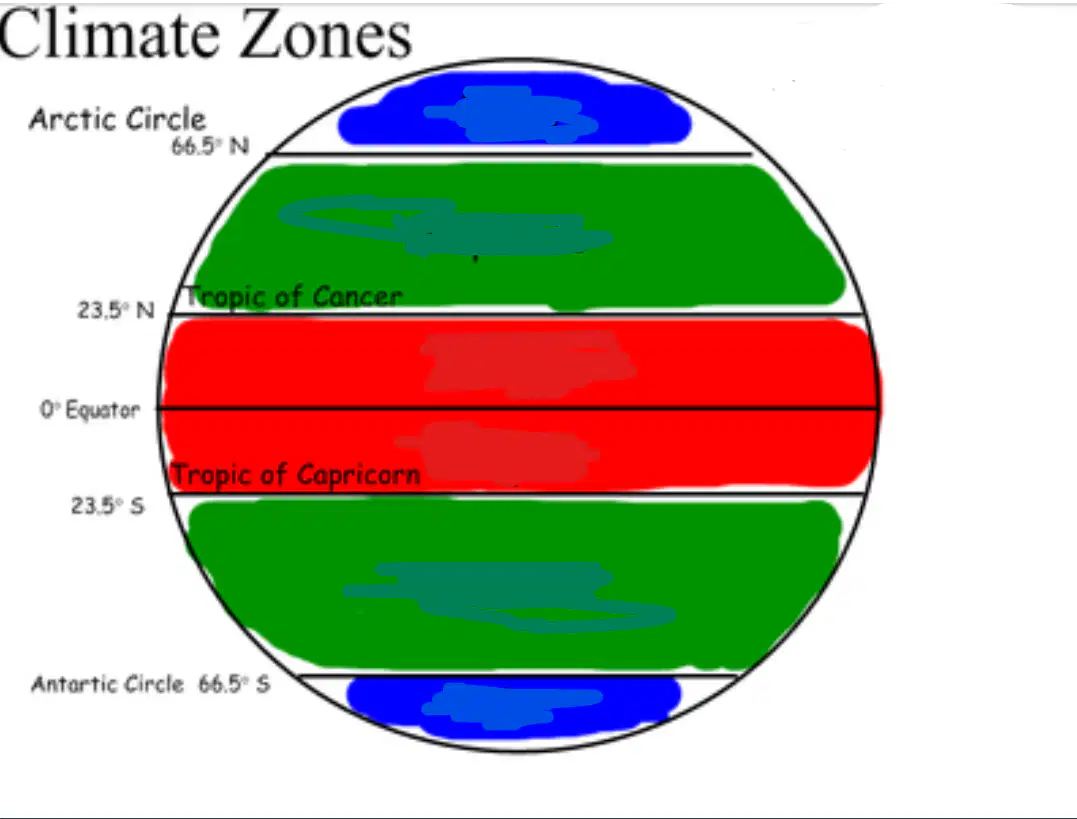
Looking at the climate zone map below, what climate zone is found between 23.5 and 66.5 degrees latitude?

Lines of latitude run
horizontally (east-west)
vertically (north-south)
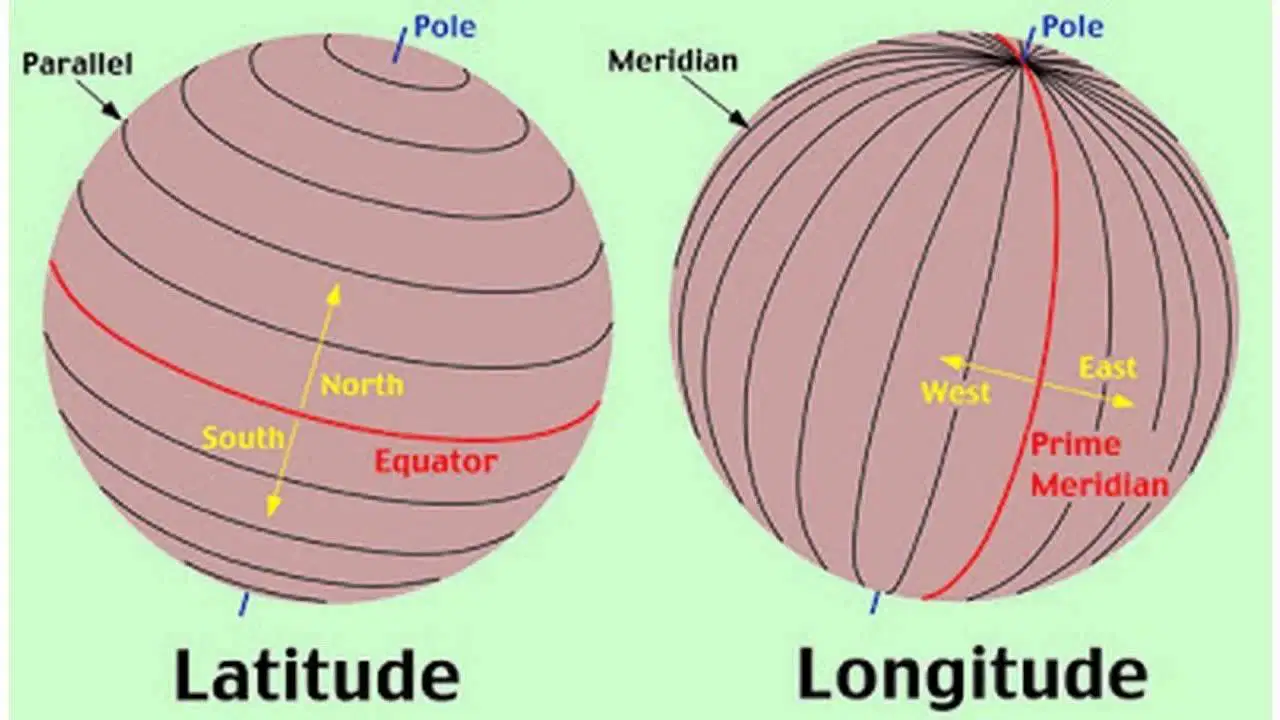
Lines of longitude run
How do ocean currents affect the weather in Florida?
How does Florida's warm surrounding waters influence its climate?

