
 Worksheets
Earth Science
Total questions: 60
Worksheet time: 46mins

Students were tasked with making a model of how natural forces can change the surface
features of Earth. They make a pile of sand in front of an electric fan and turn it on. This model best represents which of the following changes to the surface of Earth?
The formation of a delta at the mouth of a river.
The building of a mountain on the edge of a continent.
The movement of dunes caused by the blowing wind.
The creation of a canyon by flowing water.
This is a natural solid that is made of one or more minerals.
Mineral
Fossil
Rock
Sediment
The substance that is melted rock below the ground is called what?
Magma
Sediment
Gas
Water
What are the particles of weathered rock called?
Sediments
Fossils
Rocks
Minerals
This is the type of rock that forms when earth processes change the texture and heat and pressure are applied.
Igneous rock
Sedimentary rock
Metamorphic rock
Rock Cycle
These are traces or remains of a once-living thing sometimes found in sedimentary rocks.
Rocks
Sediments
Fossils
Minerals
This is the type of rock that forms from sediment that gets cemented or pressed together under pressure.
Igneous rock
Sedimentary rock
Metamorphic rock
Rock Cycle
This is the type of rock that forms from magma or lava hardening.
Igneous rock
Sedimentary rock
Metamorphic rock
Rock Cycle

How does a metamorphic rock become an igneous rock?
Heat and pressure
Melting and cooling
Weathering/Erosion and Cementation
Cycle

How does an igneous rock become a sedimentary rock?
Heat and pressure
Melting and cooling
Weathering/Erosion and Cementation
Cycling

How does a sedimentary rock become a metamorphic rock?
Heat and pressure
Melting and cooling
Weathering/Erosion and Cementation
Cycling
What is deposition?
Large pieces of rocks are carried by by animals
Rocks stay attached to cliffs, without moving.
Small weathered material, like rocks and soil, that have built up on land forms.
Does weathering and erosion happen quickly?
Yes
No
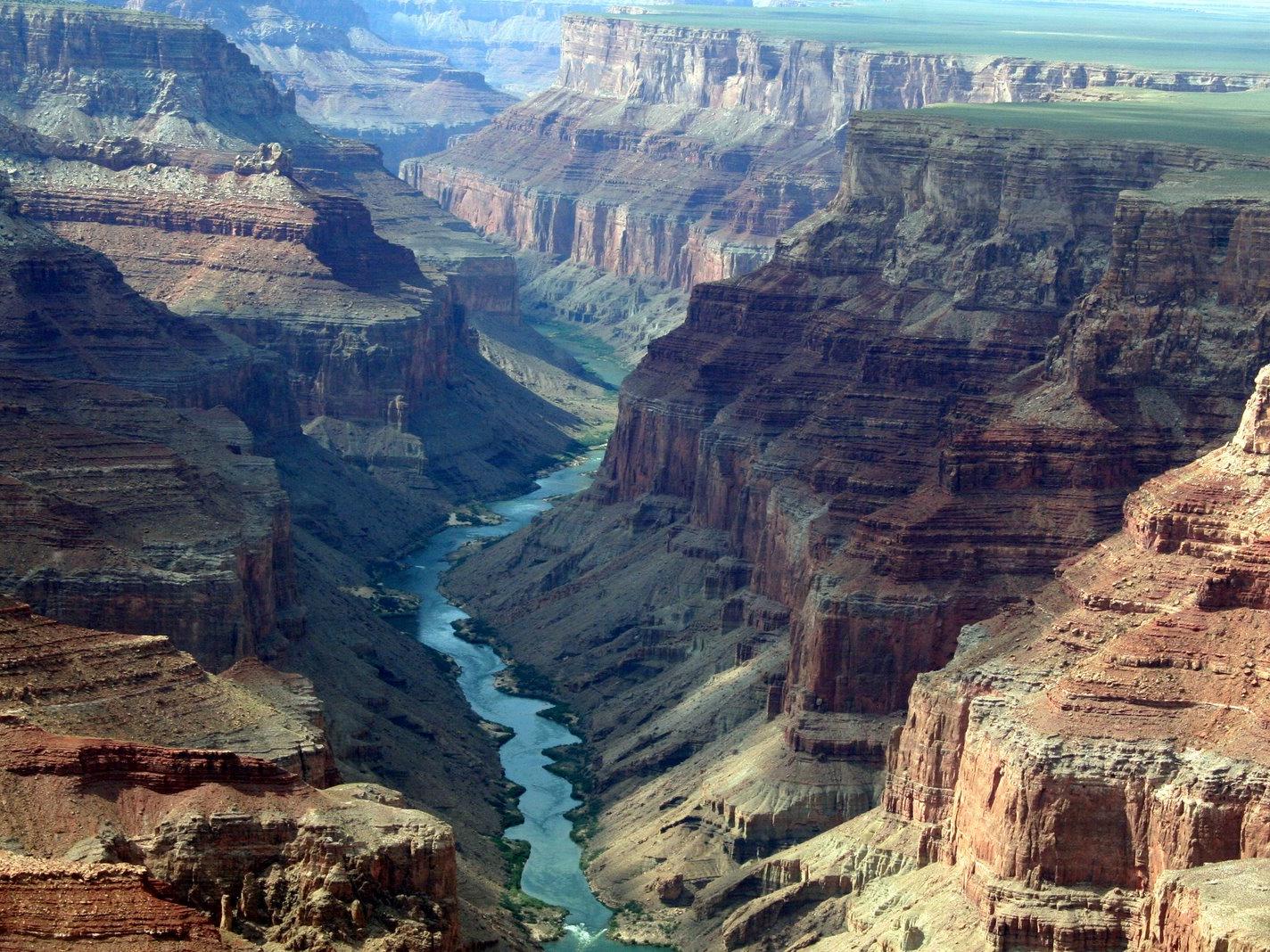
What created the Grand Canyon?
Earthquakes tore the land in half
Floods Quickly Caused landslides
Rain, wind and the river slowly carved into the rock and soil
Large erupting volcanoes
What is the correct sequence?
Deposition, Erosion, Weathering
Weathering, Erosion, Depostion
Erosion, Deposition, Weathering
Erosion, Weathering, Deposition
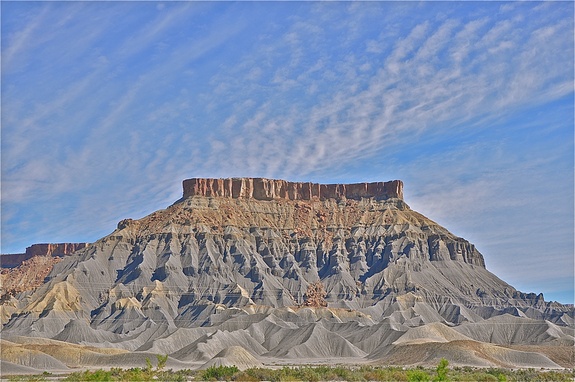
Plateau
Plain
Valley
Isthmus
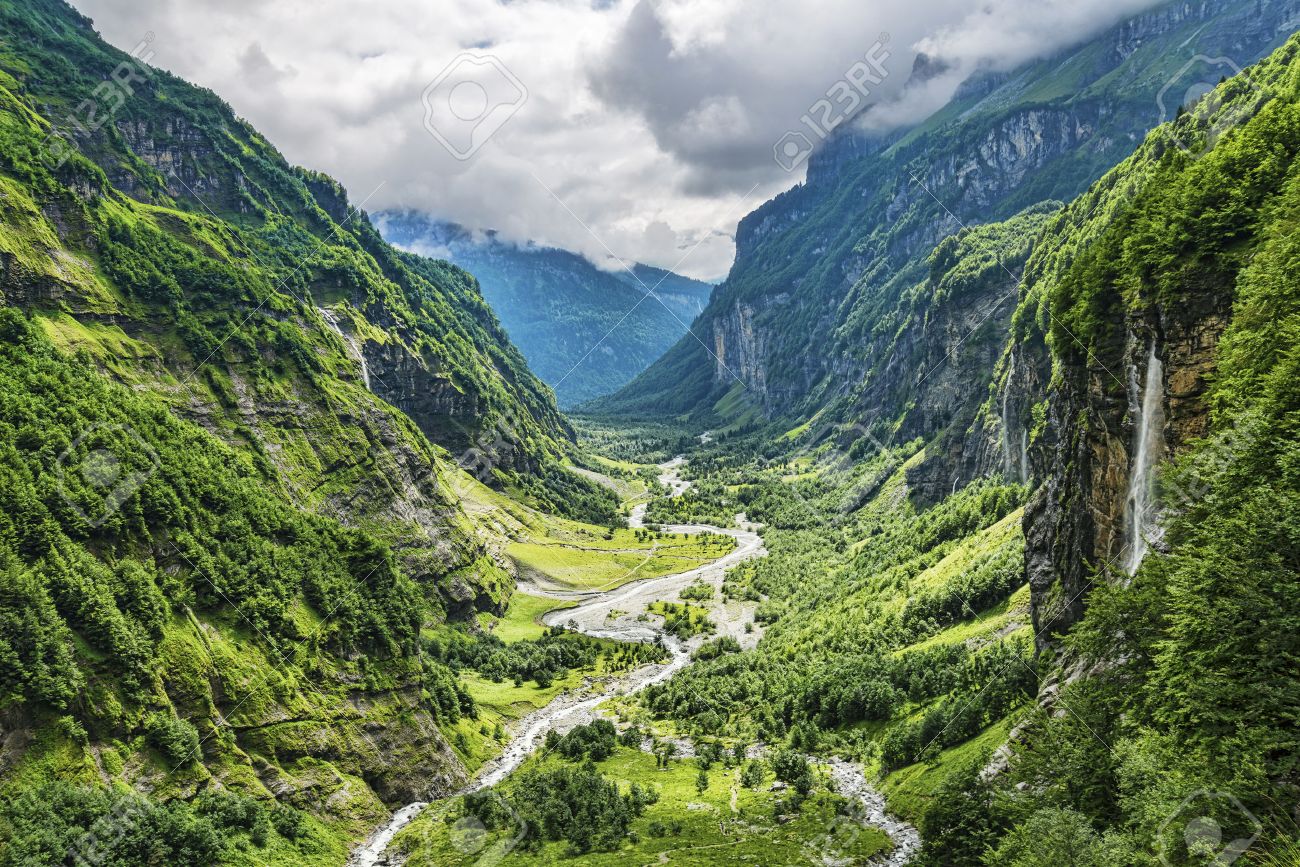
Volcano
Canyon
Plain
Valley
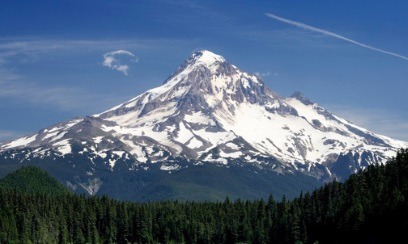
Canyon
Plateau
Mountain
Plain




Which fossil is the oldest?
a
b
c
d

Which fossil is the youngest?
a
b
c
d
Which is the thickest layer of Earth?
crust
mantle
outer core
inner core
Which layer is thinnest?
crust
mantle
outer core
inner core
Which layer is plastic-like and allows the crust to flow over it?
lithosphere
outer core
asthenosphere
inner core
Which layer of Earth is responsible for the Earth's magnetic field?
crust because it protects the Earth
mantle because of the convection currents
inner core because it is solid
outer core because the liquid material is spinning around the inner core, creating a magnet
Which layer is solid and made of iron and nickel?
crust
mantle
inner core
outer core
Which layer has strong convection currents that are responsible for the movement of the crust?
lithosphere: the crust and upper mantle
asthenosphere: the middle mantle
outer core
inner core
Which rock makes up the majority of Earth's continental crust?
basalt
granite
sandstone
graphite
What is the order of Earth's layers from most dense to least dense?
crust, mantle, outer core, inner core
crust, outer core, mantle, inner core
inner core, outer core, mantle, crust
inner core, outer core, crust, mantle
Which layer is made up of two different layers, the continental and the oceanic?
core
mantle
crust
Which layer is considered the tectonic plates of Earth?
lithosphere
asthenosphere
mesosphere
Which two elements are mainly found in the inner and outer core?
iron and nitrogen
nitrogen and basalt
granite and basalt
iron and nickel
How do scientists know about the layers of the Earth?
by digging down deep into the core and bringing up samples
by studying the seismic waves made by earthquakes
by studying and measuring temperature of lava from volcanoes
by taking a facebook poll
The deepest wells and holes have only been drilled into which layer?
the core
the mantle
the crust
Which is the only entirely liquid layer of the Earth?
the upper mantle
the outer core
the inner core
the lower mantle
Which diagram shows a plate boundary that is typical for the formation of volcanoes?


Use the diagram to answer the question. What results as the two oceanic plates converge?
formation of a deep sea trench and island volcanoes
earthquake activity and appearance of a transform fault
volcanic eruption along both oceanic plate edges
formation of a continental mountain range






When a plant takes carbon dioxide from the air which two spheres are interacting?
Biosphere and atmosphere
Geosphere and atmosphere
Hydrosphere and atmosphere
Atmosphere and atmosphere

