
 Worksheets
Middle Ages and Italian Renaissance
Total questions: 50
Worksheet time: 24mins
A period of lawlessness and disunity followed the fall of the Roman Empire. What served as the only unifying force in Europe until the rise of the Catholic Church?
Emperor of Rome
Roman legions
The Vikings
Localized kings
Who was crowned the first Holy Roman Emperor by the Pope in 800 C.E.?
Leo V
Gregory II
Charlemagne
Pepin
What was the major economic and social structure in medieval Europe?
Pastoralism
Syndicalism
Feudalism
Industrialism
Who held the lowest social position on an estate in medieval Europe?
A lord
A vassal
A serf
A knight
Which of these held the highest social position on an estate in medieval Europe?
A lord
A vassal
A serf
A knight
Which of the following is the best description of workers on a medieval estate?
A highly industrial and unified workforce
A large group of equals working to better the nation's production
A small band of highly skilled craftsmen working as slaves for a king
A large group of peasants working on farming fields and spending their lives at the estate
The expression "Renaissance Person" is most accurately used to describe an individual who ..
has many talents and skills.
is a recognized and well-paid artist.
prefers personal pleasure rather than accomplishment.
does not have ethical or moral standards of behavior.
What ultimately strengthened the feudal system?
Barbarian invasions
Rise of towns
Rise of trade Increased
independence

What group settled and set up a large empire at location 1?
Visigoths
Franks
Vandals
Ostrogoths
Which Crusade was the only successful one for the Christians?
First Crusade
Second Crusade
Third Crusade
Fourth Crusade
The English nobility forced King John to sign the Magna Carta which...
gave freedom to all English-born serfs.
gave land to the nobles.
increased the power of the church.
limited the King's power.
Why was Joan of Arc burned at the stake?
for war crimes against England
for crimes against the church
for stealing during battle
for not believing in God
What was the most important force in providing unity and stability throughout western Europe during the Middle Ages?
church
nobility
inquisition
military
Which was a result of the Protestant Reformation?
The catholic church accepted the dominance of the new Protestant religions in Italy, France, and Germany.
Spain become a predominantly Protestant nation.
The leaders of the Catholic Church refused to make changes in church practices.
The power of the Catholic Church in Europe weakened.
Which statement about the Protestant Reformation is an opinion rather than a fact?
German princes revolted against the Holy Roman Empire.
Membership in the Catholic Church declined in northern Europe.
European religious unity was disrupted by the newly established religions.
Henry VIII led a stronger religious reform movement when Martin Luther did.
The Protestant Reformation represents a turning point in European history because it...
allowed religious reformers to escape persecution.
standardized all religious writings.
ended religious unity in western Europe.
forced most monarchs to become Protestants.
Which statement about the Protestant Reformation is an opinion rather than a fact?
German princes revolted against the Holy Roman Empire.
Membership in the Catholic Church declined in northern Europe.
European religious unity was disrupted by the newly established religions.
Henry VIII led a stronger religious reform movement then Martin Luther did.
The Protestant Reformation represents a turning point in European history because it...
ended religious unity in western Europe.
standardized all religious writings.
allowed religious reformers to escape persecution.
forced most monarchs to become Protestants.
Why was Gutenberg's invention of the printing press so influential?
It helped the spread of knowledge throughout Europe.
It lessened the power of nobility.
It borrowed from Chinese inventions.
The impact was small because most people could not read.

Which of these statements describes a change brought about by the Renaissance?
Society was dominated by the church.
Society began to value individualism.
Society was focused on warfare.
Society was dominated by lords.
During the Renaissance, a new intellectual movement known as humanism evolved. What was the significance of the humanist movement?
Humanists felt formal education was impractical and unnecessary; therefore, many schools were closed.
Humanists spread the teachings of Eastern philosophers such as Confucius throughout Europe.
Humanists were very interested in religious studies and sought to increase the influence of the Church.
Humanists were inspired by classical texts and emphasized the dignity and worth of the individual.
What does the word Renaissance refer to?
A period of renewed interest in the arts, based on the Classical period
A series of wars between competing Italian city-states
A breakout of infectious diseases that wiped out millions of people
the migration of Italians to the New World
Medieval means
Evil
Middle
Small
Europe in Latin
Charlemagne was called ruthless when waging war. Ruthless means
powerful
forgiving
cruel
loud
The Middle Ages occurred
Before the fall of Rome.
between the fall of the Roman Empire and the Renaissance.
During the Neolithic period.
After the Renaissance.


What was the name of the DISEASE that killed 2/3 of the population in Europe?
Black Death
Dark Ages
Black Plague
Bubonic Plague
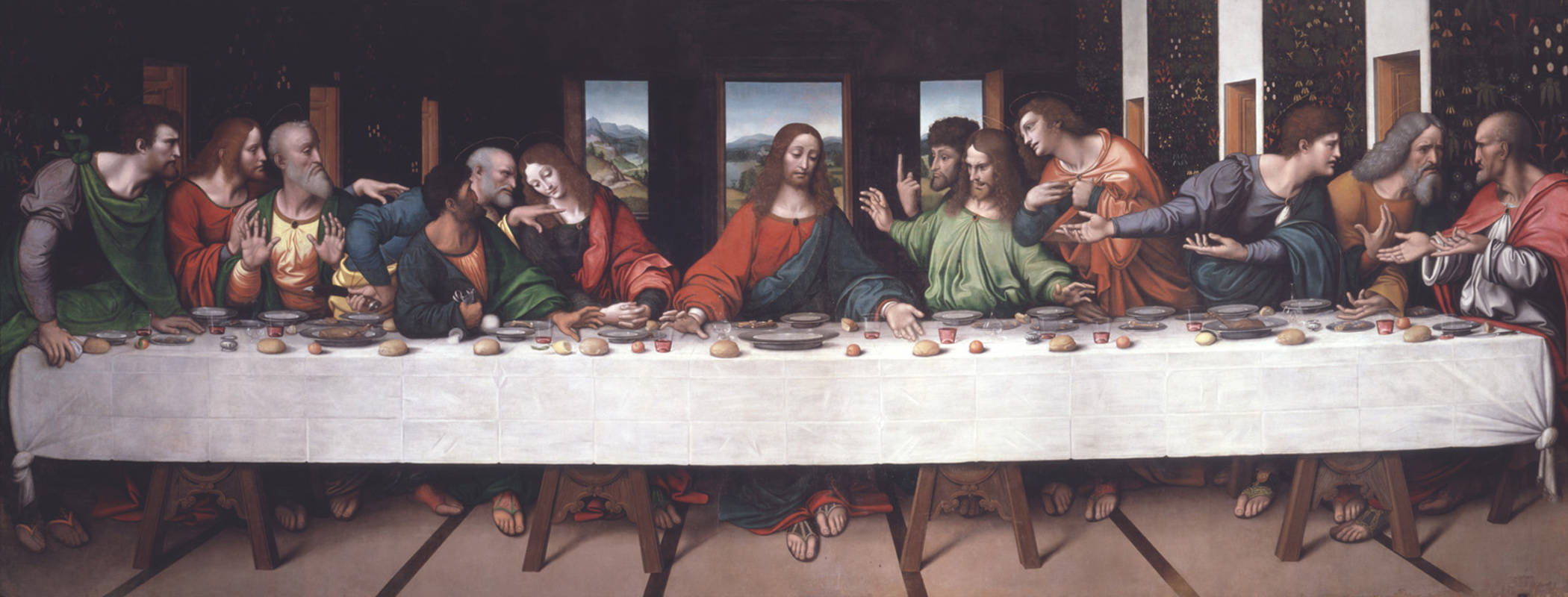

The printing press was invented by
Leonardo da Vinci
Niccolo Machiavelli
William Shakespeare
Johannes Gutenberg

