
 Worksheets
Cereals
Total questions: 33
Worksheet time: 17mins
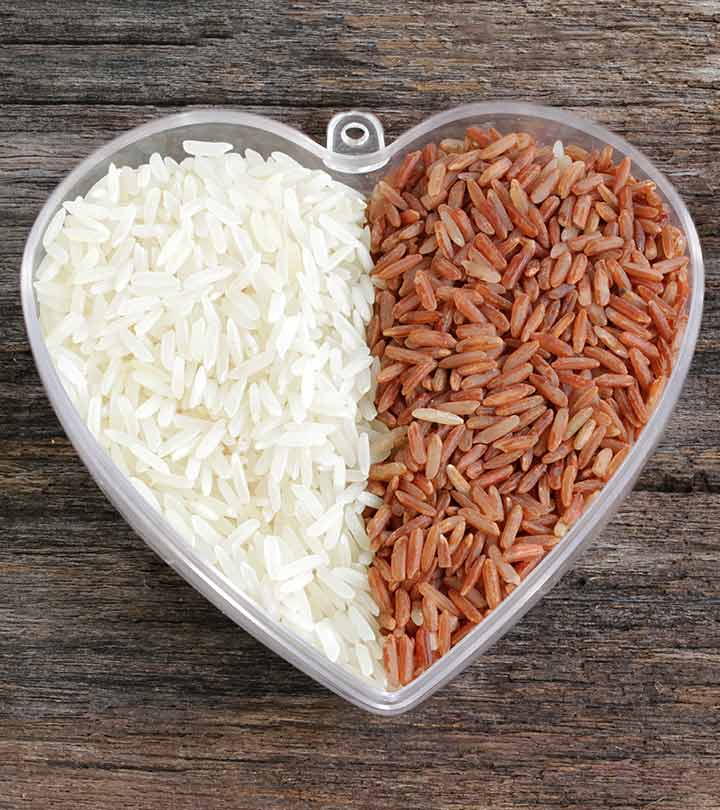
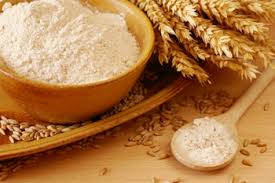
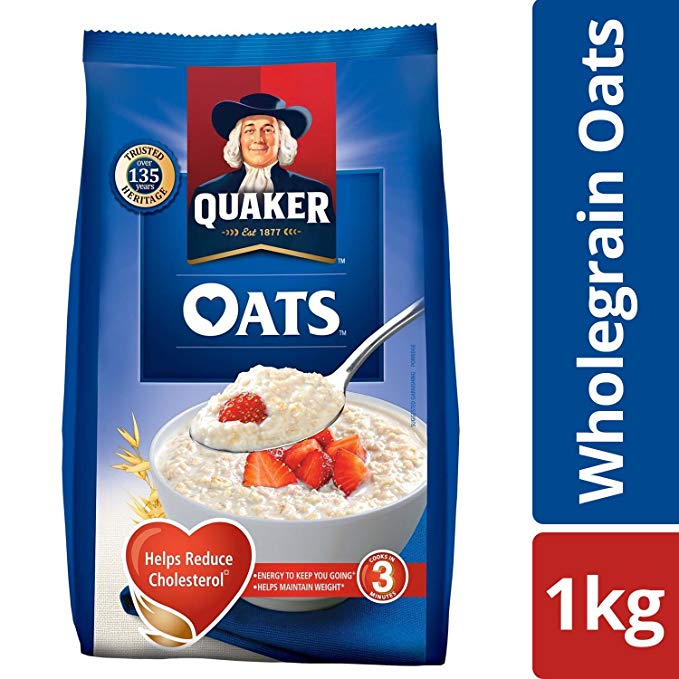
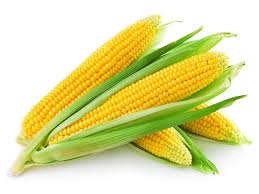
Which of the following is/are examples of carbohydrates?
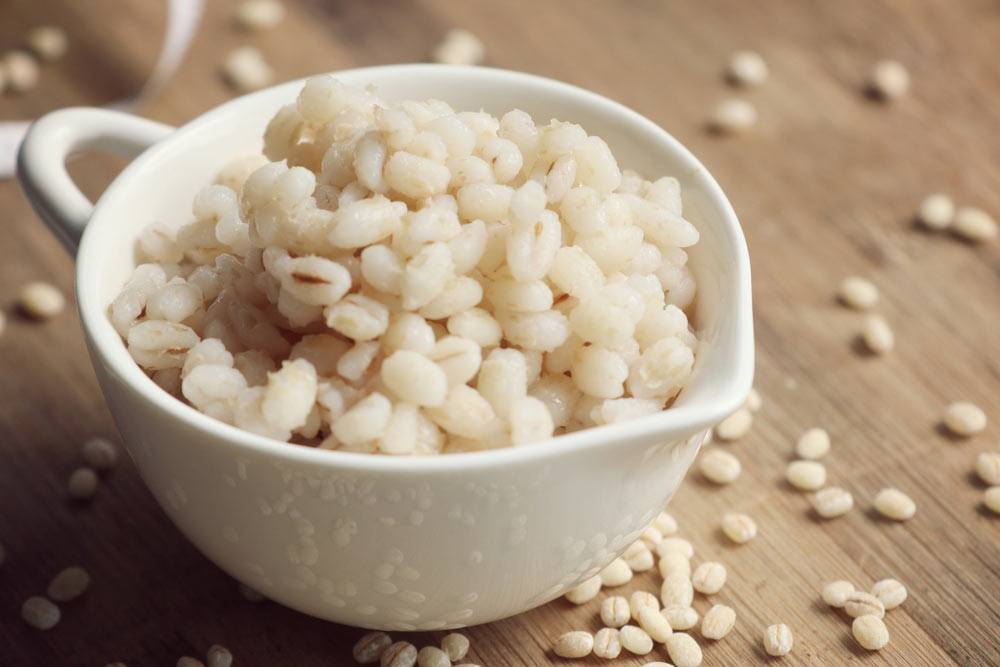
Which of the followings is/are functions of carbohydrates?
Provide a source of energy for daily activities
Help in digesting food and removing waste
Help in growth and repair of the body
Keep the body warm

Identify the basic structures of cereal grains
Bran
Endosperm
Germ
Rice Grain
Excess glucose is converted into glycogen.
True
False
Brown rice has dietary fibre from bran.
True
False
Sushi and risotto are made from short grain rice.
True
False
Short grain rice is soft and sticky in texture after it is cooked.
True
False
Another word for brown rice is polished rice.
True
False
Corn starch is a cereal product from corn.
True
False
Nasi Briyani is made from polished long grain rice.
True
False
Store rice grains in an airtight container in a cool and dry place.
True
False
When rice is boiled, it absorbs water and become _________________ and __________________ in texture.
light and fluffy
hard and dry
Corn flour mixture produces a __________________ consistency in gravies and sauces
thick
thin
These are the seeds of cultivated plants of the grass family used for food
Grains
Rice
Wheat
Millet
I. In moist heat cooking of cereals, gelatinization occurs, resulting in tenderness and greater digestibility, and increase in volume, e.g. steamed rice
II. In dry-heat cooking, starch is partly degraded to dextrins that have less ability to swell and gelatinize
Statement I is incorrect
Statement II is incorrect
Both statements are correct
Both statements are incorrect
What are some cereals?
Rice, maize,rye, and barley
sago, rice, barley, and wheat
Do cereals contain protein?
True
False
Macaroni is an example of cereal product.
True
False

soya
quinoa
Another name for (a) is maize.
This is the most commonly used grain. Flour is made from it.
corn
barley
wheat

What part of the cereal grain is C?
Bran
Germ
Endosperm
Noodle is an examples of cereal product.
True
False
Fibre
Vitamin B
Carbohydrates
All of the above
Brown rice has dietary fibre from bran.
True
False
When flour is mixed with a liquid and heated, as in a sauce, the mixture will thicken. This is called_________
Thickening
Viscosity
Gelatinisation
Rue

