
 Worksheets
ITCA - Food Groups Review
Total questions: 13
Worksheet time: 11mins
Math the food item to its appropriate food group.
Vegetables
Spinach
Fruits
Pineapples
Protein
Salmon
Grains
Cereal
Dairy
Yogurt

Which one is not one of the healthy food groups?
Grains
Dairy
Sugars
Proteins
Select all of the ones that are healthy food groups.
Dairy
Protein
Vegetable
Soy
Fruit
How do we know how much of each food group to eat?
Just don't eat.
Eat how much you want/desire.
Based on age, height, and gender.
Up to you
How many food groups are there?
Silly Question.
1
5
6
Whats that?
Which is not a benefit of a dairy product?
Has potassium
Has vitamin D
strengthens bones
reduces cholestral

Lunch meat and bacon are called (a) meats.
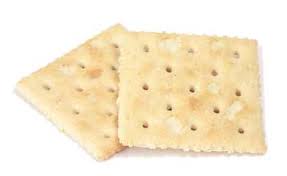
What food group is the above food in?
Protein
Vegetable
fruits
Grain
Which of the following foods would not be considered part of the dairy group?


What food group does peanut butter belong to?
Dairy
Vegetables
Protein
Grains
Match the following vocabuary words.
sweet crystalline substance obtained from various plants, especially sugar cane and sugar beet, consisting essentially of sucrose, and used as a sweetener in food and drink
sugars
the ability to do work
energy (caloric)
the essential material requirements to support wellbeing, including housing, food and clothing.
basic needs
nutrients in food that the body uses to build cell membranes, nerve tissue (including the brain), and hormones.
fats
a plate that is divided into four sections, with each section representing how much of each food group you should eat
MyPlate
Match the following vocabulary words.
nutrients in food that the body uses to build cell membranes, nerve tissue (including the brain), and hormones
The plate model represents the proportion of foods from each of the 5 food groups we should be eating across the day.
food pyramid/plate
Naturally occurring inorganic element or compound having an orderly internal structure and characteristic chemical composition, crystal form, and physical properties
minerals
Molecule made up of amino acids. Proteins are needed for the body to function properly.
proteins
or carbs, are sugar molecules. Along with proteins and fats,
carbohydrates
Nutrients in food that the body uses to build cell membranes, nerve tissue (including the brain), and hormones
fats

