
Font size
 Worksheets
2/10 - Human Body Systems and Functions
Total questions: 40
Worksheet time: 26mins
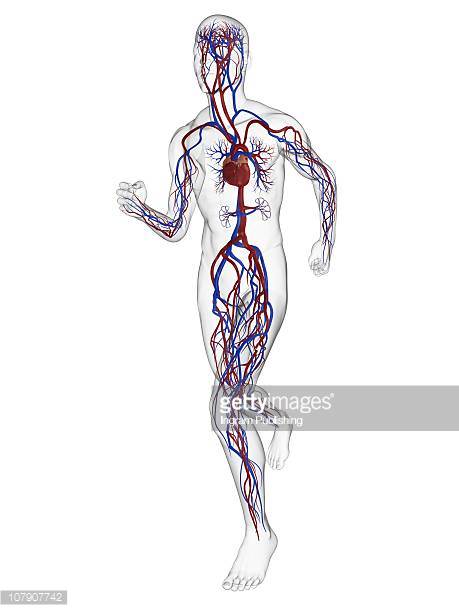
What is the main organ of the circulatory system?
small intestine
bone
lungs
heart

The job of the heart is to . . .
pump blood around the body.
send food to the small intestines.
break down food.
give energy to the body.
Which of the following is not part of the circulatory system?
veins
heart
stomach
arteries

lungs
nose
rib cage
trachea
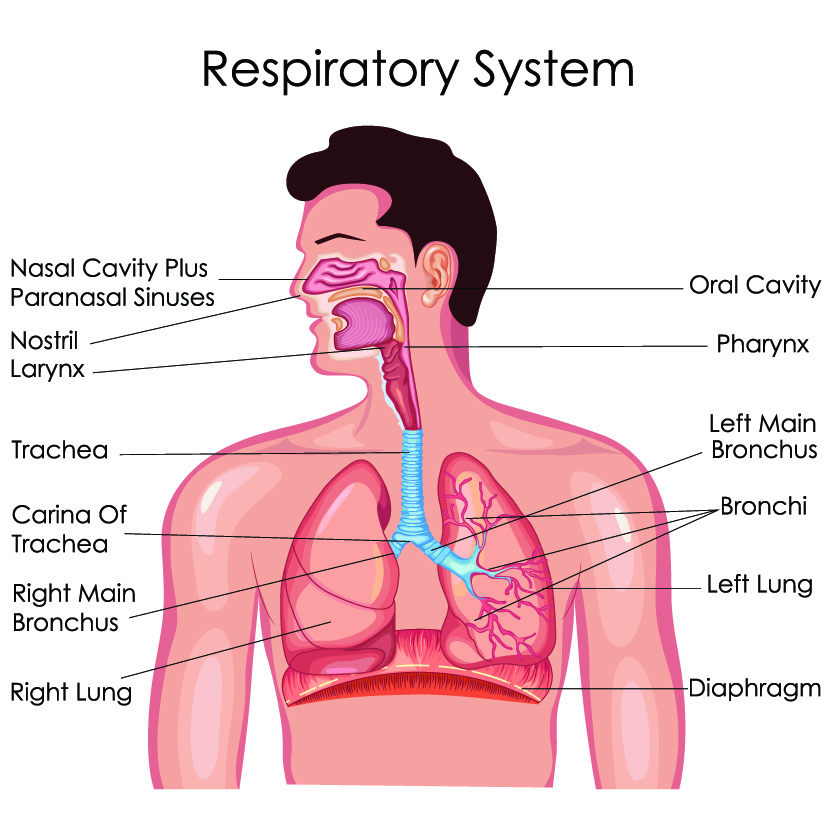
Which body system is responsible for bringing oxygen into your body and removing carbon dioxide?
organ system
tissue
musculoskeletal system
respiratory system
Which shows circulatory and respiratory system working together?
Nutrients absorb into blood from intestines
Lungs expand and contract due to diaphragm
Gases exchanged in lungs are carried by blood
New red blood cells are generated in the marrow of bones
The Integumentary System is made of ... (mark all correct answers)
Skin
Hair
Nails
Liver
What is the largest organ in the body?
Liver
Brain
Femur
Skin
Your skeleton
supports & shapes the body
works with muscles to help you move
helps protect important organs
makes blood
all of the above
Which of these is NOT a function of the muscular system?
Allows for sensation
Creates body movement
Protects internal organs
Heat production
Maintain body posture and shape
What system does the muscular system work in conjunction with to allow our body to move?
Digestive
Respiratory
Skeletal
Circulatory
Keep the heart beating
Move the body
Hit the dab
Transfer oxygen
What are the main functions of the excretory system?
deliver oxygen to the body
deliver nutrients to the body
remove water and waste from the body
remove disease from the body
Which organs help to remove waste from the body?
Lungs, stomach, bladder, and kidneys
Lungs, heart, bones, and bladder
Lungs, large intestine, bladder and kidneys
Lungs, esophagus, bladder and kidneys
Which organ filters blood?
Kidneys
Large Intestine
Lungs
Bladder
The nervous system is made up of all the following EXCEPT
Brain
Nerves
Muscles
Spinal Cord
When does digestion begin?
When the enzymes change starches into sugar.
When you begin chewing the food in your mouth.
After you swallow.
When you feel full.
composition
digestion
deposition
absorption
Breaking down food into smaller nutrients
Getting rid of waste products
Getting food into our bodies
Getting nutrients into our bloodstream, so that our cells can use them
First let's review...
Circulatory
gets oxygen to the cells
Respiratory
Takes in oxygen and gets rid of carbon dioxide
Cellular Respiration
Breaks down glucose to release ATP
Photosynthesis
Process in which plants make their own food

The circulatory system works with the ___________ system to provide our body with oxygen.
respiratory
digestive
muscular
skeletal
respiratory
digestive
skeletal
nervous

The circulatory system captures carbon dioxide from the air for muscle energy.
The circulatory system produces red blood cells to bring oxygen to the muscles
The circulatory system provides a framework for muscle movement
The circulatory system delivers oxygen for muscle energy
Which systems are at work when you are sweating?
Circulatory and Respiratory
Integumentary and Nervous
Muscular and Skeletal
Respiratory and Integumentary

Which system is this?
Integumentary
Respiratory
Nervous
Digestive
Which system includes the lungs and trachea?
Circulatory
Nervous
Respiratory
Skeletal
Match the organ system with its function
Nervous System
Controls the body
Circulatory System
Transports oxygen and nutrients through the body
Muscular System
Helps move the body
Excretory System
Removes waste
Match the organ system with its function(s).
Integumentary System
Protects the body and helps control body temperature
Skeletal System
Provides support, protects organs, helps the body move
Respiratory System
Takes in oxygen and removes carbon dioxide
Digestive System
Breaks down food, absorbs nutrients, and removes waste
Someone is cold and shivers. Which systems are at work together?
Respiratory, Skeletal, and Integumentary
Nervous, Integumentary, and Muscular
Nervous, Digestive, and Circulatory
When you want to go for a run, your nervous system tells your ________ system what to do.
Respiratory
Digestive
Skeletal
Muscular
When you need to use the bathroom, your excretory system sends a signal to your ________ system to let your body know that it's time....
Skeletal
Nervous
Circulatory
Respiratory
The __________ system is responsible for all these jobs:
Making blood cells, supporting your body, allowing movement, storing minerals, and protecting your organs
Muscular
Skeletal
Circulatory
Excretory
Which system transports nutrients and oxygen to the parts of the body?
Respiratory System
Digestive System
Circulatory System
Integumentary System

The function of the circulatory system is to? What is the main organ it includes?
Break down food. stomach
Help the body move. muscles
Send and receive messages. brain
Pump blood around the body. heart

The function of the digestive system is to? What is the main organ it includes?
Break down food. stomach
Help the body move. muscles
Send and receive messages. brain
Pump blood around the body. heart

The function of the nervous system is to? What is the main organ it includes?
Break down food. stomach
Help the body move. muscles
Send and receive messages. brain
Pump blood around the body. heart

The function of the muscular system is to? What is the main organ it includes?
Break down food. stomach
Help the body move. muscles
Send and receive messages. brain
Pump blood around the body. heart

The function of the excretory system is to? What is the main organ it includes?
Bring in oxygen, and remove carbon dioxide. lungs
Remove waste. kidneys
Send and receive messages. brain
Pump blood around the body. heart

The function of the respiratory system is to? What is the main organ it includes?
Bring in oxygen, and remove carbon dioxide. lungs
Remove waste. kidneys
Send and receive messages. brain
Pump blood around the body. heart

How do the respiratory an circulatory systems work together?
The respiratory system removes waste and the circulatory system moves it around.
The respiratory system breaks down food, and the circulatory system moves it around.
The circulatory system brings in oxygen, and the repiratory system moves it around.
The respiratory system brings in oxygen, and the circulatory system moves it around.

