
 Worksheets
Renaissance Humanism and Its Impact
Total questions: 52
Worksheet time: 30mins

Which of these famous structures did Michelangelo paint?
the Louvre
the Coliseum
the Sistine Chapel
the Eiffel Tower
During the Renaissance, a new intellectual movement known as humanism evolved. What was the significance of the humanist movement?
Humanists felt formal education was impractical and unnecessary; therefore, many schools were closed.
Humanists spread the teachings of Eastern philosophers such as Confucius throughout Europe.
Humanists were very interested in religious studies and sought to increase the influence of the Church.
Humanists were inspired by classical texts and emphasized the dignity and worth of the individual.
Which of these men of the Renaissance was known equally for his art as well as inventions?
Rueben
Leonardo da Vinci
Michelangelo
Aristotle
Which of these events influenced the changing role of religion during the Renaissance?
the humanist movement
the removal of the pope
the burning of bibles
the invention of movable type
Which was a key intellectual movement or philosophy of the Renaissance?
Humanism
City State
Cultural relativism
Behavioralism
Use the information in the list to answer the question.
The Spirit of Humanism
• stressed the importance of the individual
• valued the knowledge produced by the Greeks and Romans
• sought a balance between intellect and religious faith
Which other point belongs in this list?
strengthened the feudal system
inspired Renaissance creativity
opposed to the code of chivalry
provided support for the Inquisition
Which of these statements describes a change brought about by the Renaissance?
Society was dominated by the church.
Society began to value individualism.
Society was focused on warfare.
Society was dominated by lords.

• Venetian explorer who visited the court of Kublai Khan
• One of the first Westerners to travel the Silk Road to China
• Travels increased the interest of Europeans in the lands of the East
Who is described above?
Marco Polo
Ferdinand Magellan
Vasco da Gama
Christopher Columbus
Which of these changes occurred during the Renaissance?
The Church was all-powerful.
The Church’s power declined.
Factories began using electricity.
Women gained equal rights with men.
Which of these statements reflects an influence of the Renaissance?
dominance of the church
constant feudal warfare
lack of any governance
increased interest in the arts
Which of the following statements describes the type of government which existed in Florence during the Renaissance?
It was a small Italian town ruled by the king of Italy in Rome.
It was completely under the control of the Catholic Church.
It was a city-state ruled by the wealthy Medici family.
It was the capital of Italy and had a large bureaucracy.
The Renaissance was a time of...
political and cultural change
artistic creativity
Reawakened interest in classical learning
All of the above
Painted the Mona Lisa
Donatello
Da Vinci
Michelangelo
Where did the Renaissance begin?
Rome, Italy
Florence, Italy
Mainz, Germany
What family was known to be patrons of the arts in Florence?
Michelangelo
Montague
Medici
a financial supporter of the arts
patron
royal
noble
The term used to describe someone who is good at a wide range of things
Renaissance Man
Renaissance Guru
Renaissance Creator


This family was considered the first family of Florence. They were wealthy bankers and patrons of the arts
Medici
Michaelangelo
Da Vanci
Donatello
This person wrote Romeo and Juliet
Shakespeare
Cervantes
Isabella I
Da Vinci


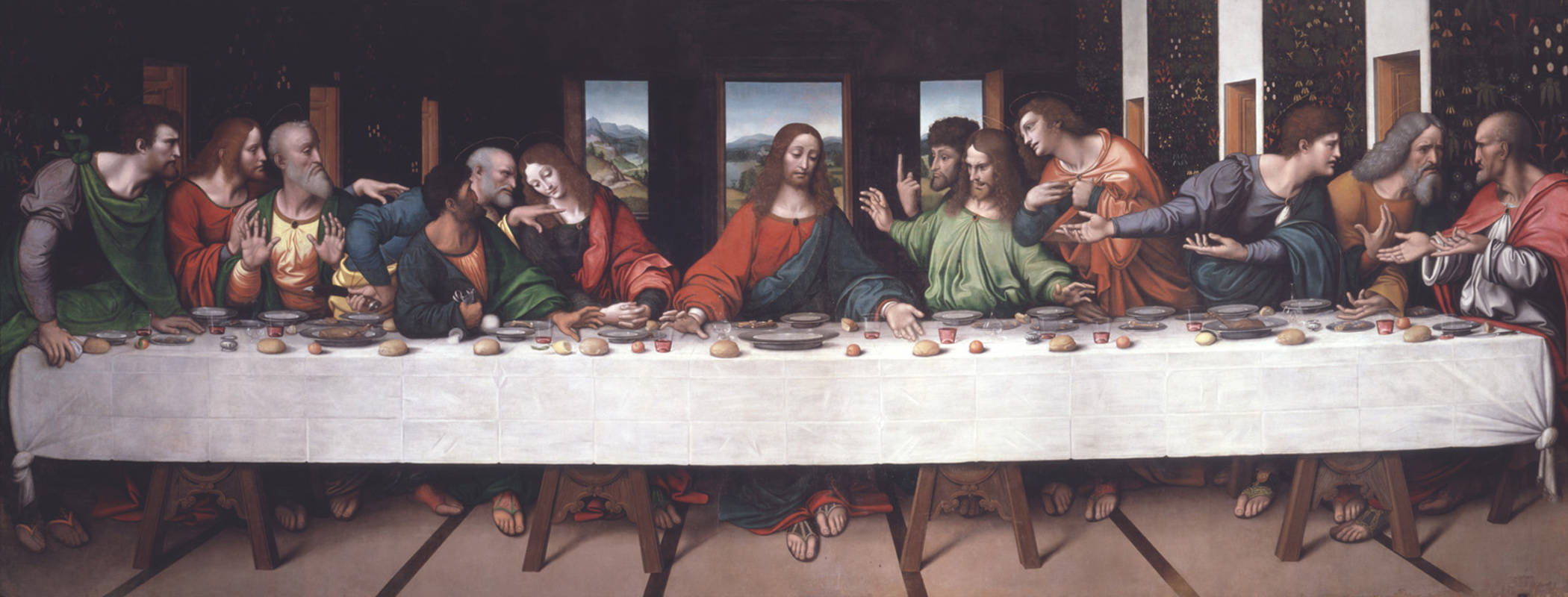


Secular
belief in the worth of the individual
concerned with worldly rather than spiritual matters
concerned with spiritual rather than worldly matters
belief in the individuals net-worth

What city controlled important trade routes to the East. Canals serve as its "streets"
Rome, Italy
Florence, Italy
Milan, Italy
Venice, Italy

The Sistine Chapel is:
A Catholic church in Vatican City, Italy. Its ceiling was painted by the Renaissance artist Michelangelo.
A Catholic church in Vatican City, Italy. Its ceiling was painted by the Renaissance artist Raphael.
A Catholic church in Vatican City, Italy. Its ceiling was painted by the Renaissance artist Donatello.
A Catholic church in Vatican City, Italy. Its ceiling was painted by the Renaissance artist Leonardo.
Which of these statements reflects an influence of the Renaissance?
dominance of the church
constant feudal warfare
lack of any governance
increased interest in the arts
Florence, Milan, Rome were all Italian ____________ during the Renaissance
Frescos
Humanisms
City States
Architects
* An independent city, and its surrounding land. which has its own government, completely separate from nearby countries.
city
village
city-state
incorporated town
* Activities, or other things that have no religious or spiritual basis.
Secular
Spiritual
Agnostic
Bias
“of the Middle Ages", in this case, middle means between the Roman empire and the Renaissance
Dark Ages
Medieval
Classical
Industrial
What was the Renaissance?
A religious movement that led to the creation of Protestantism.
A revival of interest in classical learning, art, and literature in Europe.
A movement that promoted the use of magic and superstition.
A series of religious wars fought in Europe.
What is a fresco?
A type of artist during the Renaissance.
A type of Italian pasta dish.
A mural painted on wet plaster.
A form of sculpture carved from marble.
Which artistic technique involves creating the illusion of depth on a flat surface?
Perspective
Pointillism
Humanism
Skepticism
An Italian Renaissance sculptor, painter, and architect. Known for painting the mural on the ceiling of the Sistine Chapel and the sculpture of the biblical character David.
Michelangelo
Leonardo da Vinci
Raphael
Donatello
Which of the following would NOT be considered characteristics of Renaissance art
Naturalistic, human-centered, secular themes
Linear perspective, realistic proportions
Celebration of human achievement, cultural revival
Religious themes, symbolism, flat style
This monk was a medieval thinker who believed that reason and faith supported each other.
Pope Gregory VII
Thomas Aquinas
Henry IV
Pope Urban II
Humanism relied on the teachings and philosophies of which two ancient civlizations?
Tang China
Malians
Babylonians
Romans
Greeks
Philosophers and thinkers in Middle Ages Europe mostly relied on this to describe their world.
Faith
Reason

What do these historical figures have in common?
They were Catholic priests during the Renaissance.
They were Renaissance painters.
They worked in Italy during the Renaissance.
They were leading innovators during the Renaissance.

What was the name of the church court that tried and punished people who were suspected of heresy?
Crusades
grand jury
Inquisition
trial jury

religious beliefs that conflict with Church teachings
scholasticism
theology
Heresy
Christianism
What was the primary goal of humanism during the Renaissance?
To maintain the status quo of the Church's teachings
To encourage people to reach their highest and grandest potential
To promote a passive acceptance of life's hardships
To discourage the education of young people
Why would Thomas Aquinas and a humanist during the Renaissance have disagreed with one another?
Aquinas believed a person needs both reason and faith for knowledge, whereas humanists said you need only reason
Humanists believed a person needed only reason to get into heaven, whereas Aquinas believed you needed both reason and faith.

