
 Worksheets
Environmental Science Test 1 Review
Total questions: 95
Worksheet time: 1hrs 11mins
Which is NOT a major field of science that makes up Environmental Science?
Biology
Chemistry
Astronomy
Social Science
Which is NOT a major time period in Environmental Science?
Hunter-Gatherers
Modern
Agricultural Revolution
Industrial Revolution
Earth is like a spaceship because....
it is a closed system
it is in space
it is an open system
it has people on it
Agriculture is defined as ...
the practice of creating food.
farming.
bad for the environment.
the practice of growing, breeding, and caring for animals and food.
Which of the following is NOT a main environmental problem?
Tragedy of the Commons
Resource depletion
Pollution
Loss of Biodiversity
A natural resource is ....
where we get our food from
anything humans use for energy
any natural material used by humans
anything created by the earth
A non-renewable resource is ...
a resource that we have lots of.
a resource that we don't have enough of
a resource that forms at a slower rate then it is consumed
a resource that isn't found on earth
A renewable resource is ...
A resource that can be replaced relatively quickly through natural processes
a resource found on Earth
a resource we have lots of
A resource that is replaced relatively slowly
Biodiversity is ...
the amount of people in an area
how many plants an area has
the amount of species on planet Earth
the number and variety of species that live in an area
What is ecology?
the study of rocks
the study of relationships between organisms and their environments
the study of the ocean
the study of animals and plants
The study of how humans interact with the environment
environmental science
biology
ecology
physics
The raising of crops and livestock for food or for other products that are useful to humans
Agriculture
Industry
Biology
Consumers
What was the agriculture revolution?
The production of machines
The growth of agriculture and the impact it had on humans
The dying off of important plants
People standing up against Climate Change
The combination of resources, improved transportation, and technological breakthroughs all led to the
Agriculture Revolution
Industrial Revolution
Better Planet Act

A resource is considered renewable if it -
can be created only over millions of years
is made of Earths’ materials like rocks and minerals
can be replaced in a relatively short amount of time
is useful to humans in making energy and materials
Which of the following is a non-renewable resource?
Paper
Coal
Milk
Water
Resources that are not able to be reproduced as quickly as they are used are called _____.
Renewable resources
Non-renewable resources
Which ones below are non-renewable energy?
Biofuels
Fossil fuel
Natural gas
Nuclear power
What does the word Depleted mean?
Emptied or Used Up
renewable
Gain more of something
Extinct
Which term best describes the number and variety of organisms in a given area during a specific period of time?
limiting factor
biodiversity
succession
sustainability
This dying out or extermination of a species.
Endangerment
Extinction
Ecologically Extinct
Extinct Species
What do you call the plants or animals that once lived on Earth that have completely disappeared?
Endangered Species
Extinction
Extinct Species
Ecologically Extinct
What does ecological footprint measure?
How quantity of natural resources humans need compared to the earth's capacity to provide those resources
The size of cities across the world
The amount of fossil fuels that are burned for energy
The shoe size of the average human
How is ecological footprint measured?
In terms hectares of land required by each person in a selected area for food, water, transport, housing and waste management
In terms of number of years it would take before resources ran out
In terms of the average life expectancy of a nation
In terms of shoe size, e.g. women's 9

Which is NOT a way to decrease your ecological footprint?
Eating less meat and processed foods
Walking or biking to school
Turning off electricity and water when you're not using it.
Using cars for short journeys
National forests
As the demand for a good or service increases, the value of the good or service also increases.
Cost-Benefit Analysis
Law of Supply and Demand
Risk Assessment
Tragedy of the Commons
20% of the world's population consumes ____ % of the world's resources.
80
75
60
50
Population pyramids measure:
Age and Gender
Gender and Race
Age and Race
Land size

What age groups does the bottom of a population pyramid represent?
The elderly
The working adults
The children
Males

What does the whole right side of the population pyramid represent?
Males
Females
Unemployed
Young people

What age group does the top of the population pyramid represent?
The working people
The rich people
The elderly
The young people

What growth rate does this population pyramid represent?
Rapid Growth
Slow Growth
Negative Growth
Zero Growth
What word describes a country with a well developed economy?
more developed nation
less developed nation
independent population
dependent population
Lower birth rate
More developed
Less developed
More people living in poverty
More developed
Less developed
More doctors
More developed
Less developed
Less people working on farms
More developed
Less developed

Is this country Developed or Developing?
Developed
Developing

Predict the future population growth of this country.
Negative Growth (the population will shrink)
Slow/No Growth (the population will stay about the same)
Growth (the population will definitely grow)
Fast Growth (the population will explode)

Predict the future population growth of this country.
Negative Growth (the population will shrink)
Slow/No Growth (the population will stay about the same)
Growth (the population will definitely grow)
Fast Growth (the population will explode)

Which country, A or B, has an ageing population?
A
B

By 2025 the UK will have... (tick all correct statements)
a narrower base meaning fewer young children
a wider top meaning more older people
a wider base meaning more young children
a narrower top meaning fewer older people
Principles or standards that a person considers important
consequences
models
values
information
Which is true about a decision-making model?
helps you make decisions
provides a systematic process
it is a conceptual model
all of the above
When making a decision, if you consider the gain or loss of money or jobs, you are examining a ___ value.
aesthetic
environmentat
scientific
economic
If you consider what is right or wrong when making a decision, you are examining a ___ value.
educational
aesthetic
ethical/ moral
social/ cultural
Which type of value considers the maintenance of human communities, their values, and their traditions?
social/ cultural
educational
environmental
ethical/ moral
This is NOT a decision making value ....
Educational
Scientific
Social/cultural
Honesty
The information you collect while doing your experiment is called
conclusions
data
hypotheses
procedures
The _________________________ answers the problem you are trying to solve in an experiment and explains the results to others.
procedure
hypothesis
conclusion
data
A(n) ___________________________ is what you can learn about an object by using your 5 senses.
Observation
Quantitative Observation
Inference
Hypothesis

The independent variable is
The variable that you change in an investigation
The variable that you measure in an investigation
A variable that you keep the same in an investigation
The variable that is being measured or observed is called the _______________. Hint: this is the variable that is the result or effect
independent variable
dependent variable
control variable
What is a constant/control in an experiment?
Things that do not change in a experiment. It's the variable that stays the same. You can have many variables stay the same.
It's the variables that the scientist changes in the experiment
It's the variables that are being measured in an experiment


How many independent variables should you have in an experiment?
two
as many as possible
four
one


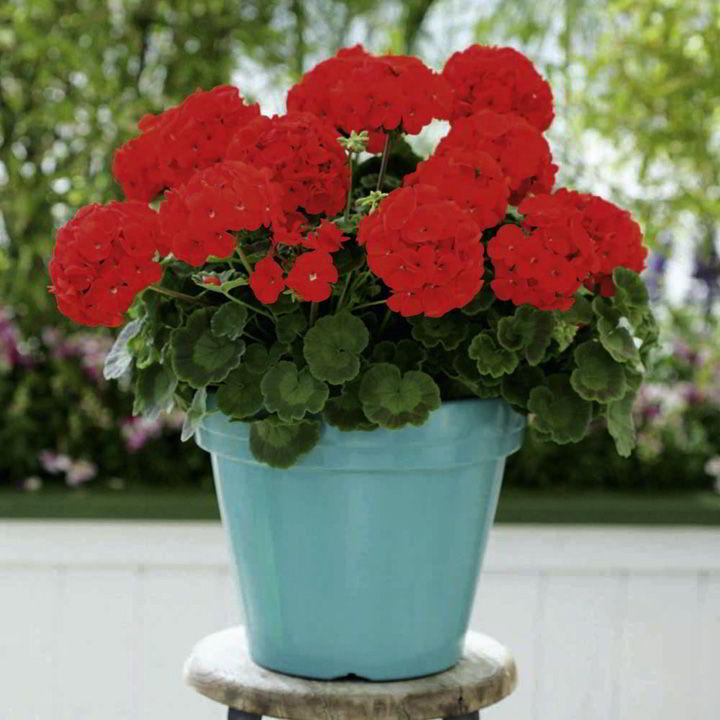
Susan said, “If I fertilize my geranium plants, then they will have more flowers.”
recognize a problem
test the hypothesis with an experiment
form a hypothesis
draw conclusions
Which of the following shows the correct sequence for the scientific method inquiry?
Conclusion, Experimentation, Hypothesis, Observation
Observation, Experimentation, Hypothesis, Conclusion
Observation, Hypothesis, Experimentation, Conclusion
Experimentation, Conclusion, Observation, Hypothesis
Which is NOT a factor that goes into calculating your ecological footprint?
Food consumed
Water Use
whether you live in the city or the country
Energy use

All of the surroundings that affect living things.
environment
observation
inference
natural resources

What is the definition of ecological footprint?
is the footprint of ecologist
is a measure of the impact living things have on the environment.
is a kind of plant that grows in the rainforrest.
a measure of the amount of land needed to support one person in a particular country.
More- Developed Countries are....
industrialized with high average income
industrialized with low average income
have high poverty rates
have low ecological footprints
The study of the interactions of living organisms with one another and their environment.
Biology
Ecology
Environmental Science
Social Science
The study of the interactions of living organisms with one another and their environment.
Biology
Ecology
Environmental Science
Social Science
Which of the following is considered a renewable resource?
Solar energy
Natural gas
Coal
Nuclear energy
What is the main characteristic of a developed nation?
Low life expectancy
High industrialization
Low literacy rate
High birth rate
Which of the following is a consequence of overpopulation?
Higher personal wealth
Lower pollution levels
Increased biodiversity
Resource depletion
What is the primary focus of sustainability?
Maintaining ecological balance
Maximizing economic growth
Enhancing technological advancement
Increasing population density
Which of the following best describes a developing nation?
High personal wealth
High energy consumption
Low industrial diversity
Low population growth rate

