
NEW
Font size
S
M
L
XL
 Worksheets
Week 2 - Ethics & AI
Total questions: 6
Worksheet time: 3mins
Name
Class
Date
1.

What do we call intelligence?
a)
The capacity to memorize facts and figures.
b)
The skill to solve puzzles quickly.
c)
The talent for artistic expression.
d)
The ability to learn and apply knowledge and skills.
2.

Why do we refer to AI?
a)
We refer to AI to describe natural phenomena.
b)
We refer to AI to explain historical events.
c)
We refer to AI to describe systems that simulate human intelligence.
d)
We refer to AI to discuss economic theories.
3.
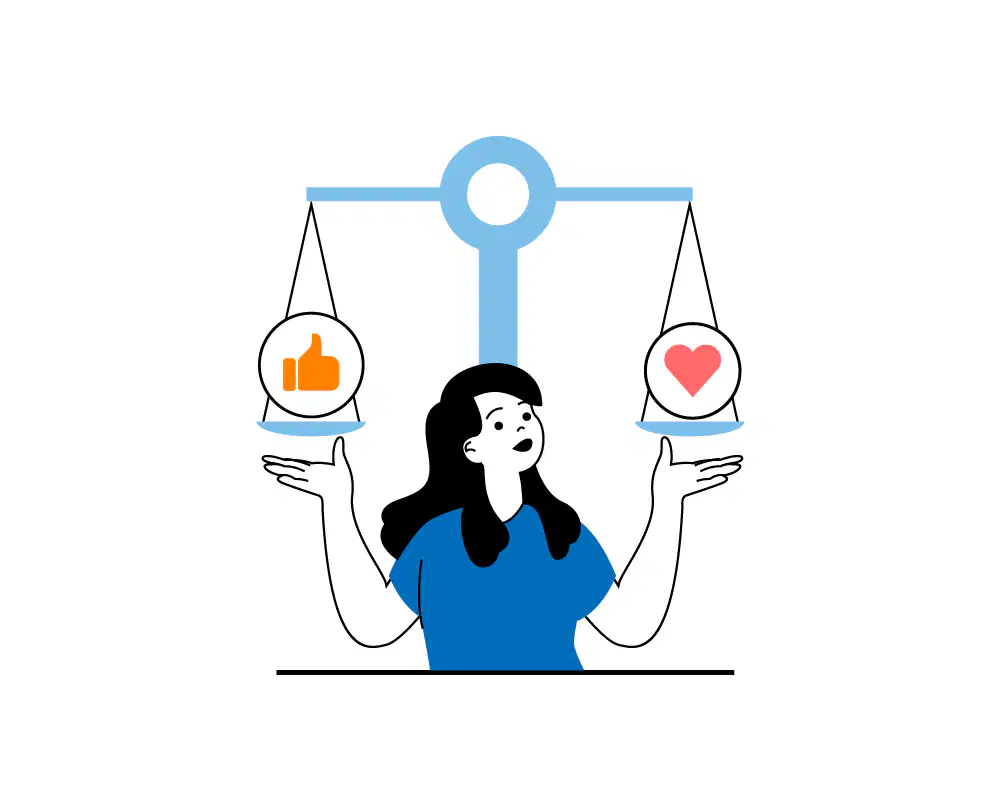
What is the relationship between intelligence and ethical reflection?
a)
Intelligence has no impact on ethical reflection.
b)
Higher intelligence facilitates deeper ethical reflection.
c)
Ethical reflection is solely based on emotional intelligence.
d)
Higher intelligence leads to less ethical reflection.
4.
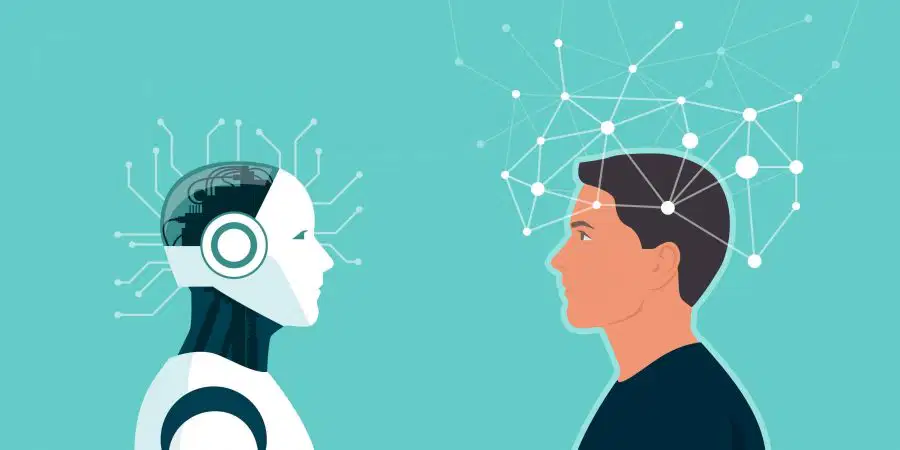
What does the 'singularity' problem refer to when discussing artificial intelligence?
a)
The point at which AI surpasses human intelligence, leading to rapid technological growth.
b)
A type of AI that mimics human emotions.
c)
The ethical implications of AI in society.
d)
A method for training AI using human-like reasoning.
5.

Can algorithms replicate human ethical reasoning?
a)
Yes, algorithms can replicate human ethical reasoning perfectly.
b)
Algorithms can replicate some aspects of human ethical reasoning.
c)
No, algorithms cannot fully replicate human ethical reasoning.
d)
Algorithms can make ethical decisions better than humans.
6.

What ethical implications does the application of autonomous AI systems have?
a)
Enhanced user experience and satisfaction
b)
Reduction in operational costs
c)
Increased efficiency in decision-making
d)
Accountability, bias, employment impact, privacy concerns, and transparency.
Reset

