
 Worksheets
6th Respiratory System Review
Total questions: 30
Worksheet time: 18mins
What is the function of the nasal cavity in the upper respiratory system?
It is where food and air enter the body.
It is the air-only passage connecting the throat to the lungs.
It is where air is warmed and moistened, and dust is trapped.
It is a flap of tissue that covers the air-only passage.
Which part of the upper respiratory system is responsible for covering the air-only passage to keep food and liquid out?
Pharynx
Epiglottis
Trachea
Nasal cavity
What is the primary function of the trachea in the respiratory system?
It connects the throat to the lungs.
It is where food and air enter the body.
It is where air is warmed and moistened.
It is a tiny air sac where gas exchange occurs.
In the lower respiratory system, what does the bronchi connect?
Trachea to alveoli
Bronchioles to alveoli
Trachea to bronchioles
Bronchioles to trachea
What is the function of the alveoli in the respiratory system?
They connect the trachea to the bronchioles.
They are tiny air sacs where the exchange of O2 and CO2 happens.
They are where food and air enter the body.
They are where air is warmed and moistened.
What is the main muscle that helps the respiratory system work by relaxing and contracting?
Heart
Diaphragm
Stomach
Liver
Which organ is considered the main organ of the respiratory system?
Heart
Lungs
Liver
Kidneys
What is the function of the diaphragm in the respiratory system?
It filters blood
It digests food
It pulls and pushes air in and out of the body
It circulates blood
Which part of the respiratory system is labeled as the "windpipe"?
Pharynx
Trachea
Bronchi
Alveoli
What is the role of the alveoli in the respiratory system?
They transport oxygen in the blood
They exchange oxygen and carbon dioxide
They produce sound
They filter air
What role does the diaphragm play during exhalation?
It contracts vigorously
It relaxes and moves upwards
It remains stationary
It expands the ribcage
These tiny air sacs are the location for the diffusion of gases like CO2 and O2.
trachea
diaphragm
alveoli
epiglottis
What is the primary function of the alveoli in the lungs?
To transport oxygen to the bloodstream
To produce mucus that traps pathogens
To facilitate the exchange of oxygen and carbon dioxide
To warm and humidify the air before it reaches the lungs
Which gas is expelled from the body during exhalation?
Oxygen
Nitrogen
Carbon dioxide
Hydrogen

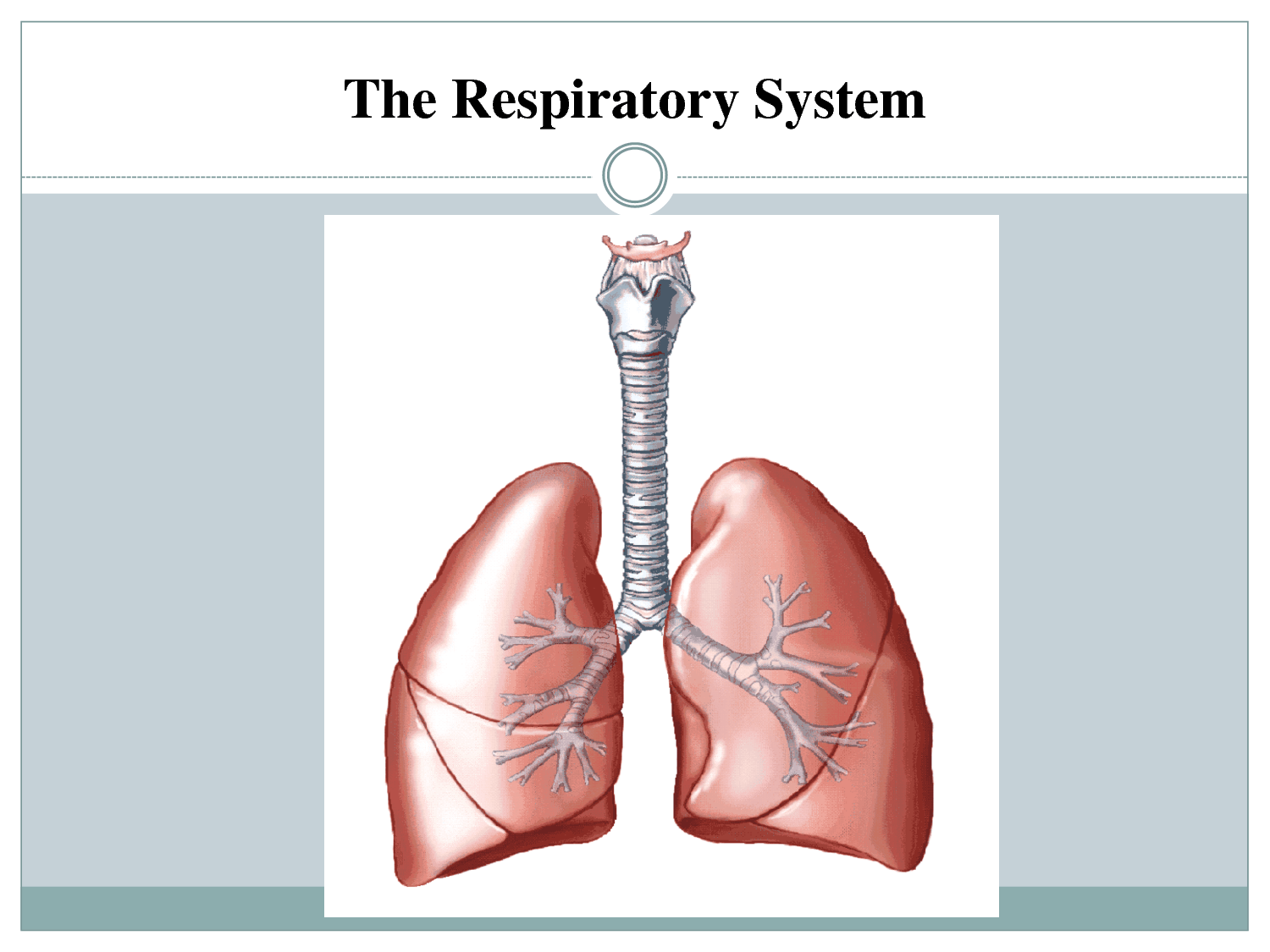
Select ALL the organs that are NOT parts of the respiratory system
heart
bronchi
trachea
capillaries
small intestine

Tiny hairs that move particles in the nose and trachea are called_______.
vocal cords
cilia
flagella

Flap of tissue that covers the opening to the windpipe during swallowing
Pharynx
Trachea
Epiglottis
Bronchi
What is the primary role of the bronchioles in the respiratory system?
To filter air
To transport air to the alveoli
To produce mucus
To exchange gases
Which part of the respiratory system is primarily involved in humidifying and warming the air we breathe?
Trachea
Nasal cavity
Alveoli
Bronchi
Which part of the respiratory system is responsible for filtering and trapping dust particles?
Bronchi
Alveoli
Nasal cavity
Trachea
What is the primary function of the larynx in the respiratory system?
To produce sound
To transport air to the lungs
To exchange gases
To filter air
Which structure prevents food from entering the trachea during swallowing?
Pharynx
Epiglottis
Bronchi
Larynx
The nasal cavity
warms and humidifies air
is divided into the left and right parts by the hard palate
contains the openings to the auditory tubes
all of the above

During inhalation the diaphragm contract and goes ...
up
down

During exhalation the diaphragm relaxes and goes ...
up
down
What is the role of the bronchi in the respiratory system?
To filter air
To produce sound
To transport air from the trachea to the bronchioles
To exchange gases
Which part of the respiratory system is responsible for voice production?
Larynx
Trachea
Bronchi
Alveoli
What happens to the diaphragm during inhalation?
It remains stationary
It expands the ribcage
It relaxes and moves upwards
It contracts and moves downwards

