
Font size
 Worksheets
Earth, Moon, Sun
Total questions: 66
Worksheet time: 35mins
What is the sun made of?
rock
gas
water
ice
How big is the sun compared to Earth?
About 10 times bigger
About 50 times bigger
About 110 times bigger
About 200 times bigger
How old is the sun?
About 4.6 million years old
About 4.6 billion years old
About 46 billion years old
About 460,000 years old
Which of the following are true of the sun?
the sun is an average-sized yellow star
The sun is made of rock.
The sun's diameter is about 110 times bigger than Earth's diameter
The sun is approximately 4.6 billion years old
What makes Earth special compared to other planets?
A) It has large amounts of life supporting water
B) It has a protective atmosphere
C) It is the largest planet in the solar system
D) It is the third planet from the sun
How many terrestrial planets are there?
1
2
3
4
Which are true of Earth's atmosphere?
A) Helps keep harmful rays from the sun out
B) Makes the sun closer
Provides oxygen for living things
Turns the moon blue
Which of these is true about the surface of moon that orbits Earth?
It has air and water
It has no atmosphere
It has mountains and craters
It is bigger than Earth
How far is Earth away from the sun?
1 million kilometers
150 million kilometers
500 million kilometers
1 billion kilometers
Which are true of the moon?
It is a rocky satellite that orbits Earth
The moon has extreme temperatures
The moon has NO atmoshere or water to support life
The diameter is 1/4 the size of Earth and it ha about 1/8 of Earth's mass
The moon produces its own light.
What was the purpose of NASA's Apollo missions?
To study Mars
To study the sun
To explore the moon and learn more about it
To discover new planets
What is the imaginary line that Earth rotates around called?
equator
orbit
axis
meridian
Which ways does the axis run?
From East to West
From the North Pole to the South Pole
From the equator to the North Pole
From the Sun to the Earth
What is Earth's rotation?
Earth moving around the sun
The sun moving around Earth
Earth spinning on its axis
The moon orbiting Earth
How long does it take for Earth to complete one full rotation?
24 hours
365 days
30 days
1 week
What causes day and night?
The sun moving across the sky
Earth's rotation on its axis
Earth's revolution around the sun
The moon blocking the sun
True or False? As Earth rotates, the side that faces the sun experiences nighttime. The opposite side facing away from the sun experience daytime.
True
False
True or False? The moon's phases cause the sea level to rise and fall twice each day, know as tides.
True
False
What is Earth's revolution?
Earth orbiting around the sun
Earth spinning on its axis
The moon orbiting Earth
The sun rotating
How long does it take for Earth to complete one full revolution around the sun?
24 hours
30 days
365 days
365 ¼ days (one year)
What causes the four seasons?
Earth's tilted axis
Earth's revolution around the sun
Earth's rotation on its axis
The moon orbiting Earth
Why does the Northern Hemisphere experience summer when the Southern Hemisphere experiences winter?
The sun moves closer to the Northern Hemisphere
Earth's axis is tilted, so different parts receive more direct sunlight at different times
The moon blocks sunlight from the Southern Hemisphere
The earth speeds up in its orbit
What is the tilt of Earth's axis?
A) 45°
B) 23.5°
C) 90°
D) 10°
Why do different parts of Earth experience different temperatures during the year?
Because Earth has different seasons in different places
Because Earth's axis is tilted and the sun's rays hit the Earth at different angles
Because Earth moves in a straight line
Because the sun changes size throughout the year
What causes the Northern Hemisphere to experience summer?
The Northern Hemisphere is farther from the sun
The Earth is closer to the moon
The Northern Hemisphere is tilted toward the sun, getting more direct sunlight
The Southern Hemisphere is tilted toward the sun
What causes the Southern Hemisphere to experience winter?
The Southern Hemisphere is farther from the sun
The Earth is closer to the moon
The Southern Hemisphere is tilted away from the sun, getting less direct sunlight
The Southern Hemisphere is tilted toward the sun
What season is the Southern Hemisphere experiencing when the Northern Hemisphere is experiencing summer?
spring
fall
winter
summer
What happens when the part of the Earth is tilted away from the sun?
It gets more sunlight and experiences hotter temperatures.
The temperatures stay the same.
It causes nighttime.
It receives less sunlight and experiences cooler temperatures.
True or False? No matter where Earth is in its orbit, its axis is always tilted the same way.
True
False
Why do different hemispheres experience different seasons at different times?
Because Earth is farther from the sun in some places
Because Earth’s axis is tilted and different parts of Earth are pointed toward the sun at different times
Because Earth moves faster in some areas
Because the Earth is a perfect sphere
When it is winter in the United States, what season is it in Australia?
Fall
Spring
Summer
Winter
What causes the phases of the moon?
The moon's brightness changes over time
The moon spins faster at certain times
The moon’s position relative to Earth and the sun changes
Clouds covering the moon
True or False? The moon is always half lit up by the sun.
True
False
How long does it take the moon to complete one full revolution around Earth?
7 days
27 days
27.3 days
(about 1 calendar month)
365 days
During which phase can we not see the moon?
New moon
Full moon
First quarter
Waxing crescent
As the moon "waxes," what happens?
We see more of the moon’s right side
The moon is becoming darker
The moon is moving toward a full moon
The moon is moving toward a new moon
What happens when the moon "wanes"?
The moon is getting brighter
We see less of the moon's right side
The moon is moving toward a new moon
The moon is moving toward a full moon
What is the correct order of the main moon phases starting from a new moon?
Full moon → First quarter → Last quarter → New moon
New moon → First quarter → Full moon → Last quarter
Last quarter → Full moon → New moon → First quarter
New moon → Full moon → First quarter → Last quarter
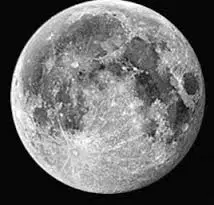
Name the moon phase
First Quarter
Last Quarter
New Moon
Full Moon
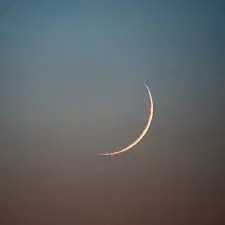
What moon phase came right BEFORE this one?
First Quarter
Last Quarter
New Moon
Full Moon
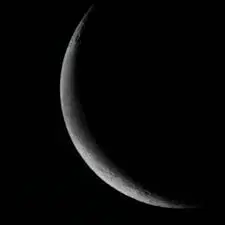
Name the moon phase
waning crescent
waxing crescent
waning gibbous
waxing gibbous
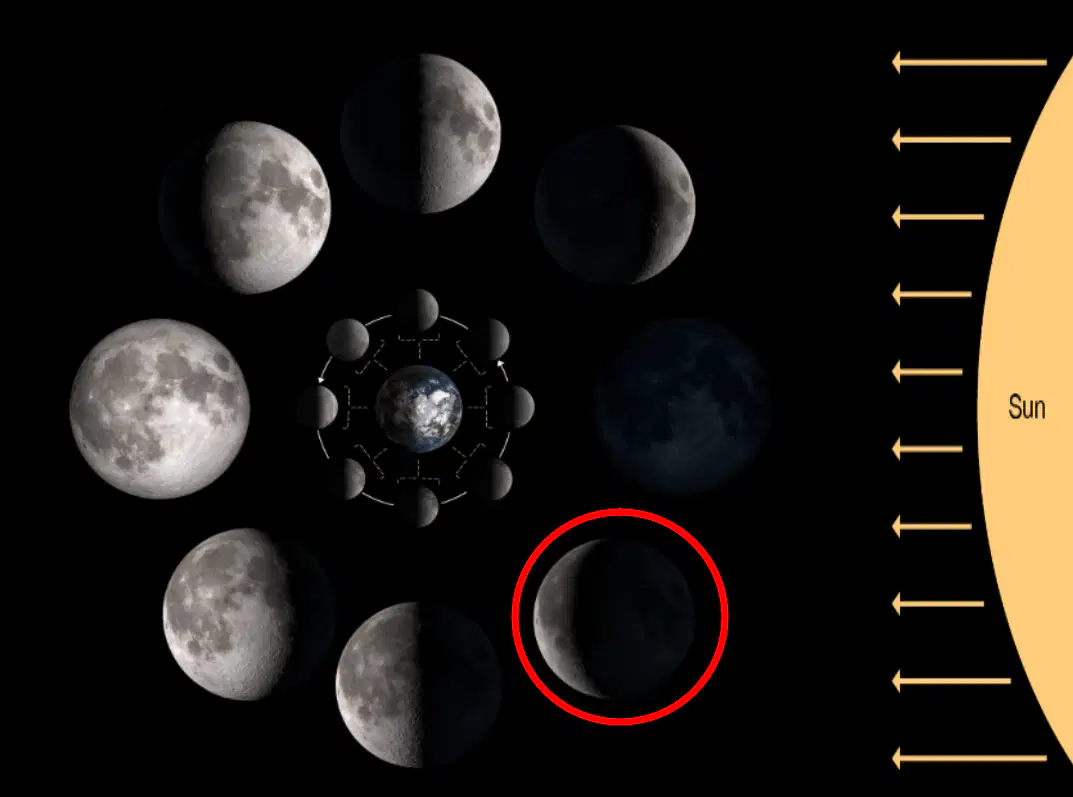
Name the moon phase
waning crescent
waxing crescent
waning gibbous
waxing gibbous
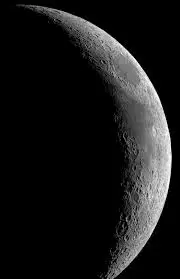
Name the moon phase
waning crescent
waxing crescent
waning gibbous
waxing gibbous
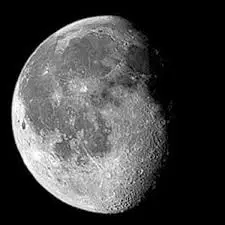
Name the moon phase
waning crescent
waxing crescent
waning gibbous
waxing gibbous

Name the moon phase
waning crescent
waxing crescent
waning gibbous
waxing gibbous
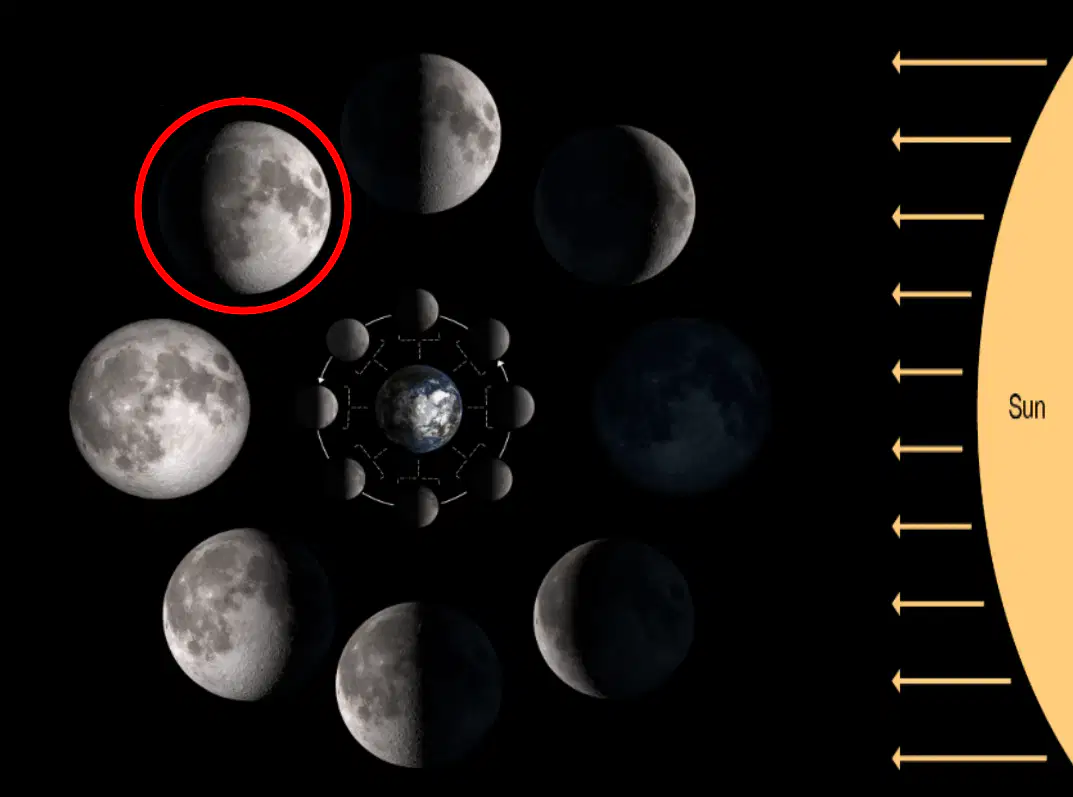
Name the moon phase
waning crescent
waxing crescent
waning gibbous
waxing gibbous
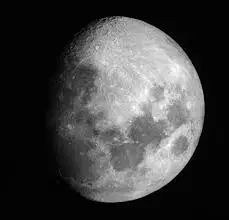
Name the moon phase
waning crescent
waxing crescent
waning gibbous
waxing gibbous
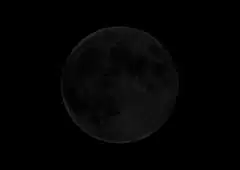
Name the moon phase
First Quarter
Last Quarter
New moon
Full Moon
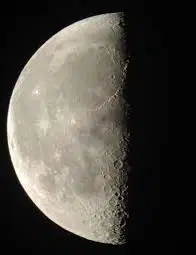
Name the moon phase
Waning Crescent
New Moon
Last Quarter or (third quarter)
Full Moon
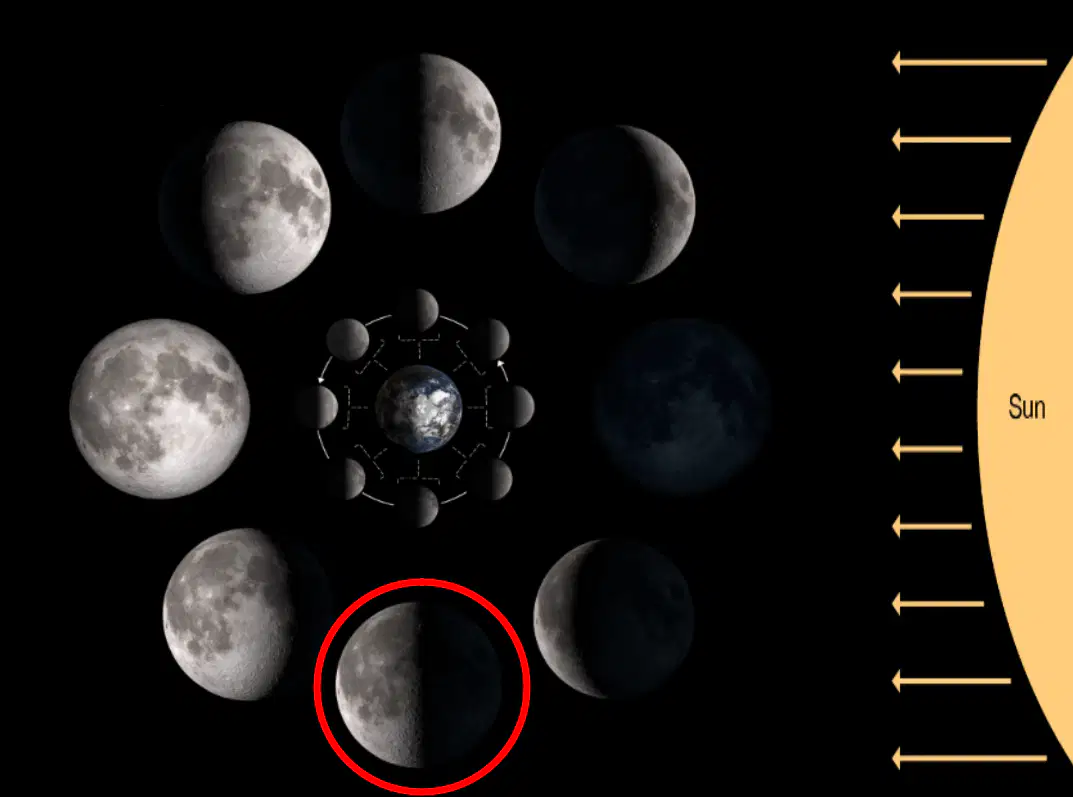
Name the moon phase
Waning Crescent
New Moon
Last Quarter or (third quarter)
Full Moon
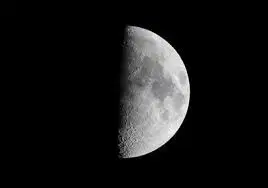
Name the moon phase
First quarter
New Moon
Last Quarter or (third quarter)
Full Moon
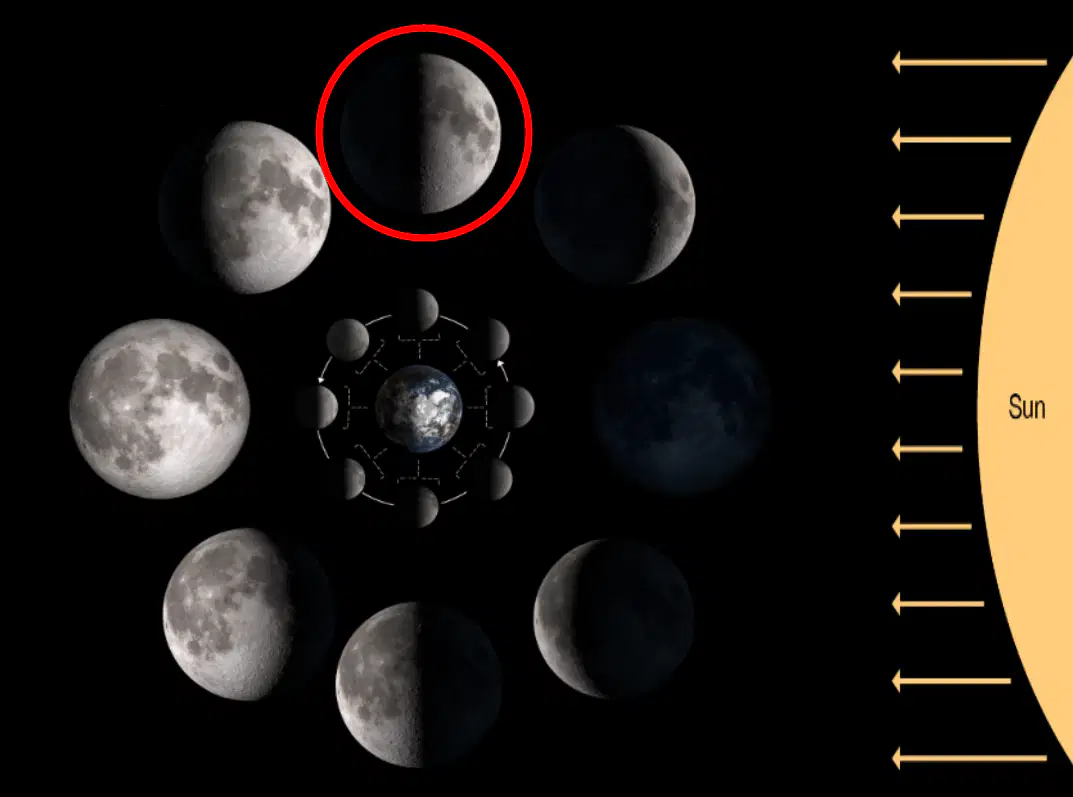
Name the moon phase
First quarter
New Moon
Last Quarter or (third quarter)
Full Moon
The moon ____________ around the Earth.
rotates
revolves
As the moon's shape appears to get smaller, we say that the moon is _.
swelling
waxing
waning
disappearing
Phases of the moon in which the moon appears to be getting larger are referred to as _.
new
waxing
waning
eclipse
The moon seems to change shape from day to day in a cycle that lasts about a month as it goes through _.
revolutions
phases
rotations
eclipses
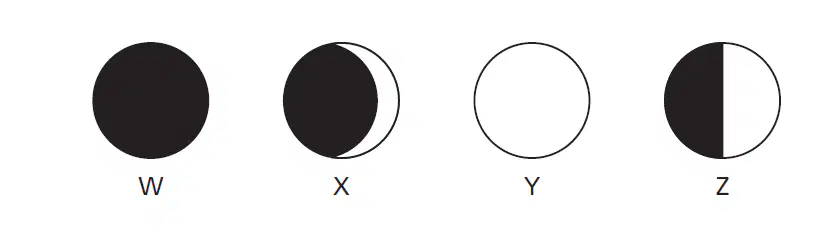
Put the phases in correct order.
w, x, y, z
w, x, z, y
w, z, x, y
w, y, z, x

If the last full moon was on April 4th, when can you expect to see the next full moon?
April 29th
July 4th
September 12th
May 4th
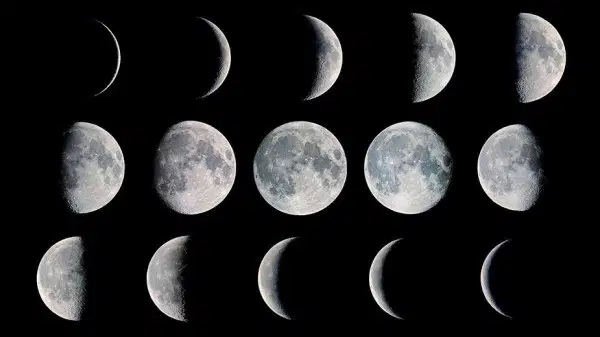
Which of the following choices has the moon phases in the correct order?
Full moon, new moon, waxing gibbous, first quarter, waxing crescent, waning gibbous, waning cresent, last quarter
Waxing gibbous, new moon, first quarter, waxing crescent, full moon, waning crescent, third/last quarter, waning gibbous
New Moon, Waxing Crescent, First Quarter, Waxing Gibbous, Full Moon, Waning Gibbous, Third/last quarter, Waning Crescent
New Moon, Waning Crescent, First Quarter, Waning Gibbous, Full Moon, Waxing Gibbous, Third/Last Quarter, Waxing Cresecent
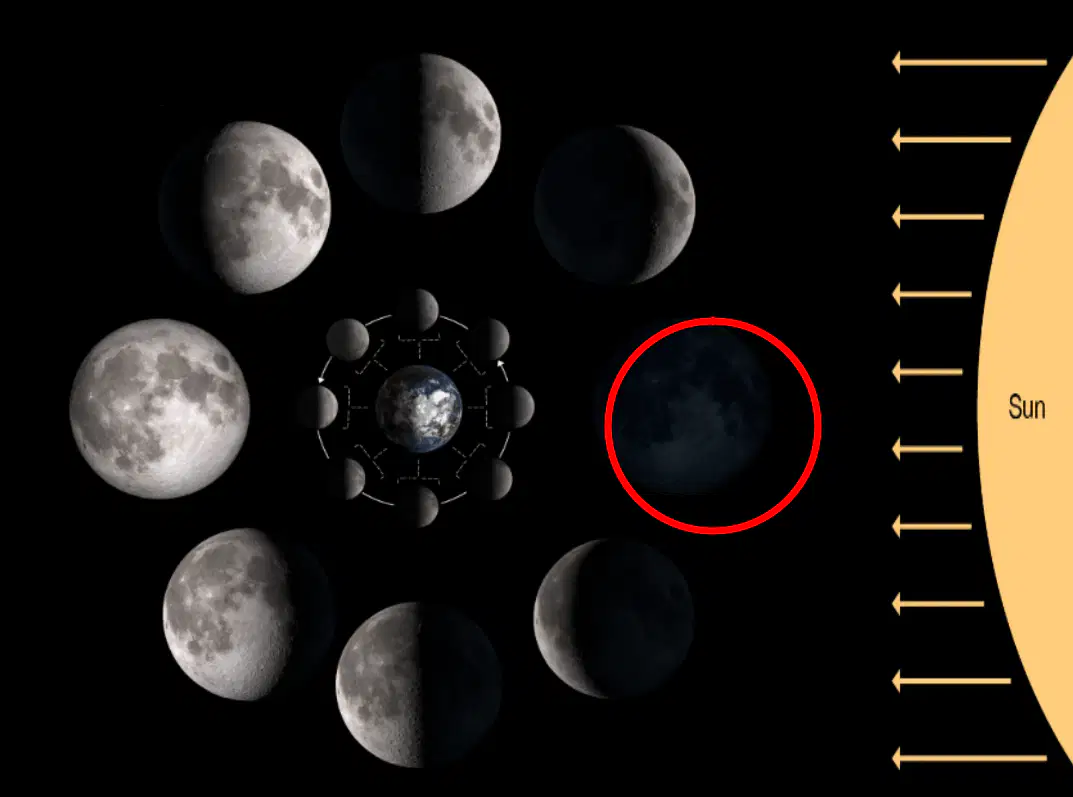
What moon phase is pictured?
New moon
Full moon
Half moon
Waxing gibbous
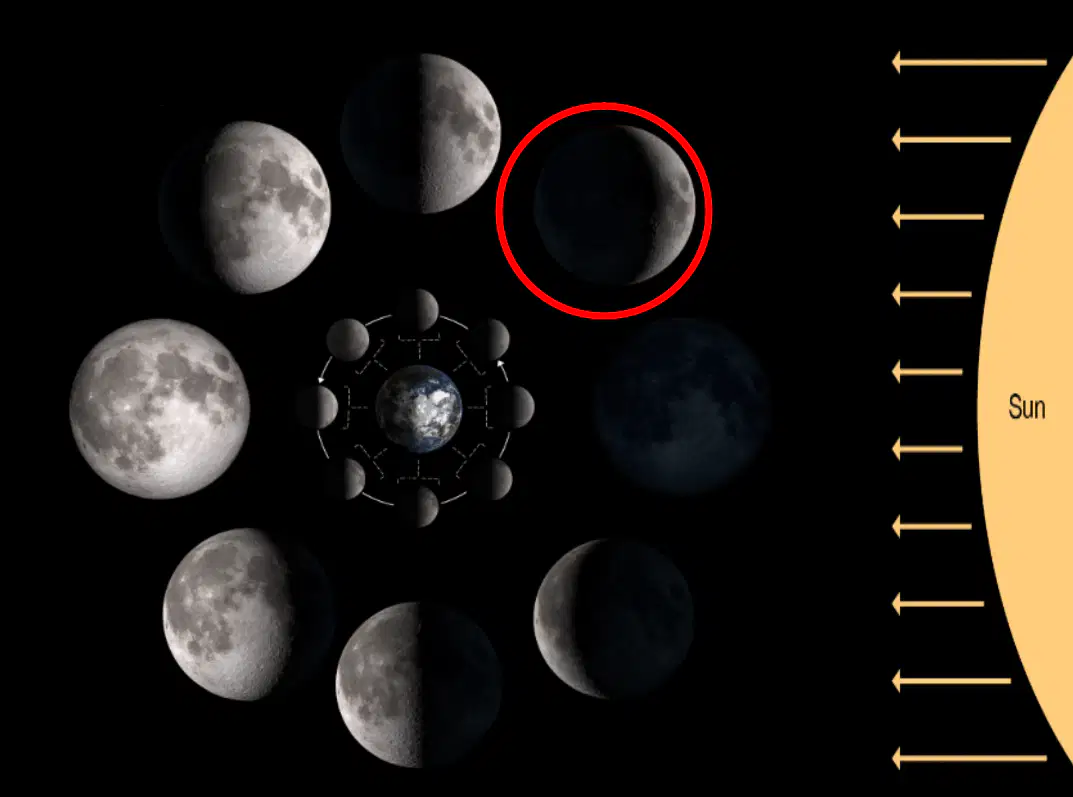
What moon phase is pictured?
New moon
Waxing crescent
Half moon
Waning crescent
What is a tide?
A giant wave caused by underwater earthquakes
The movement of ocean currents due to wind
The rise and fall of sea levels caused by the gravitational pull of the Moon and Sun
The rotation of Earth pulling water toward the equator
When do the highest tides occur (when the earth, moon, and sun are aligned)?
During first and last quarter moons
Only during summer
During full and new moons
When the Moon is farthest from Earth
When do the smallest tidal ranges (when the earth, moon, and sun are at right angles)?
During first and last quarter moons
Only during summer
During full and new moons
When the Moon is farthest from Earth
When do the highest tides (spring tides) occur?
During the first and last quarter moons
When the Earth, Moon, and Sun are aligned
When the Moon is farthest from Earth
Only during the summer
When do the smallest tides occur?
During the first and last quarter moons
When the Earth, Moon, and Sun are at right angles
When the Moon is farthest from Earth
Only during the summer

