
 Worksheets
101. Jefferson Era / Ch 9 Test
Total questions: 35
Worksheet time: 18mins
Name
Class
Date
1.
Which document was written to serve as the supreme law of the United States?
a)
The Virginia Plan
b)
The Constitution
c)
The Federalist Papers
d)
Declaration of Independence
2.
What was the ultimate result of the Supreme Court decision of Marbury v. Madison?
a)
integrated schools
b)
women could vote
c)
prohibition
d)
judicial review
3.
Thomas Jefferson's economic policies included: keeping taxes low, no national bank, no protective tariffs, and eliminate the national debt. These policies reflect the United States economic system?
a)
monopoly
b)
laissez-faire
c)
mercantilism
d)
protectionism
4.
Which event showed that Thomas Jefferson accepted a broader interpretation of the Constitution than he had before
a)
the elections of 1800
b)
the Embargo of 1807
c)
the War of 1812
d)
the Louisiana Purchase
5.
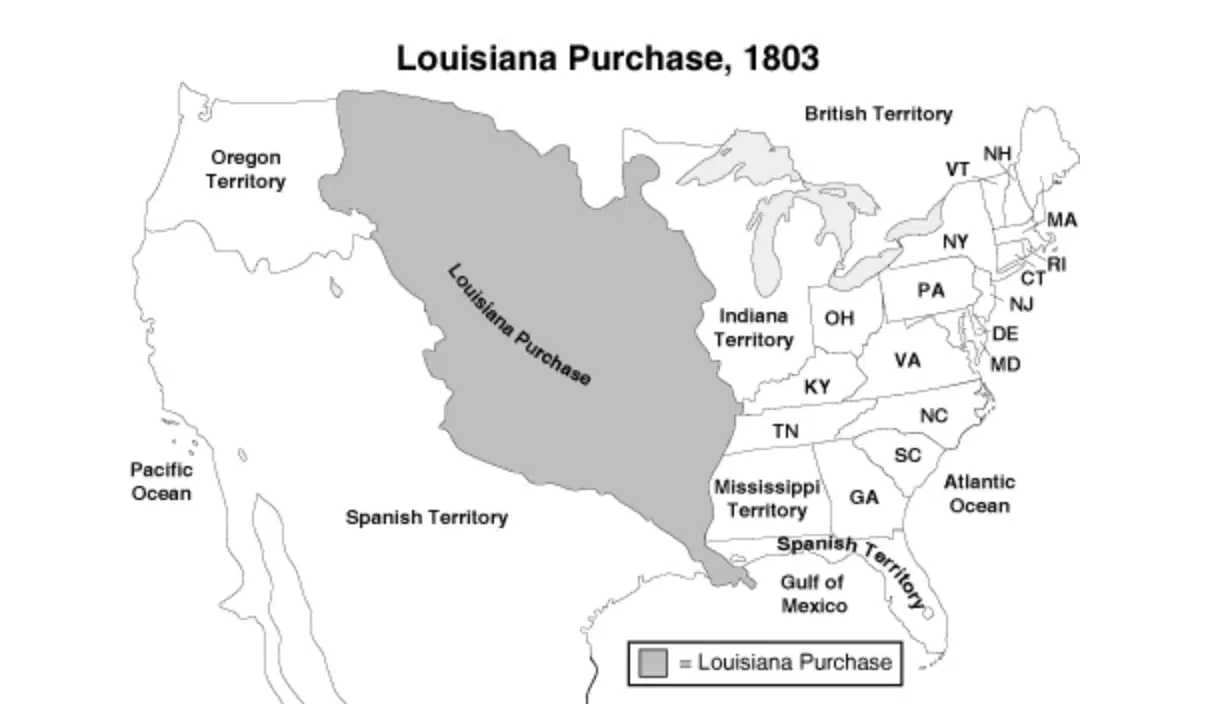
Use the map to answer the question. What was one benefit that the Louisiana Purchase provided for the United States?
a)
control of the Great Lakes
b)
a port on the Gulf of Mexico
c)
less chance of conflict with Spain
d)
protection against a British invasion
6.
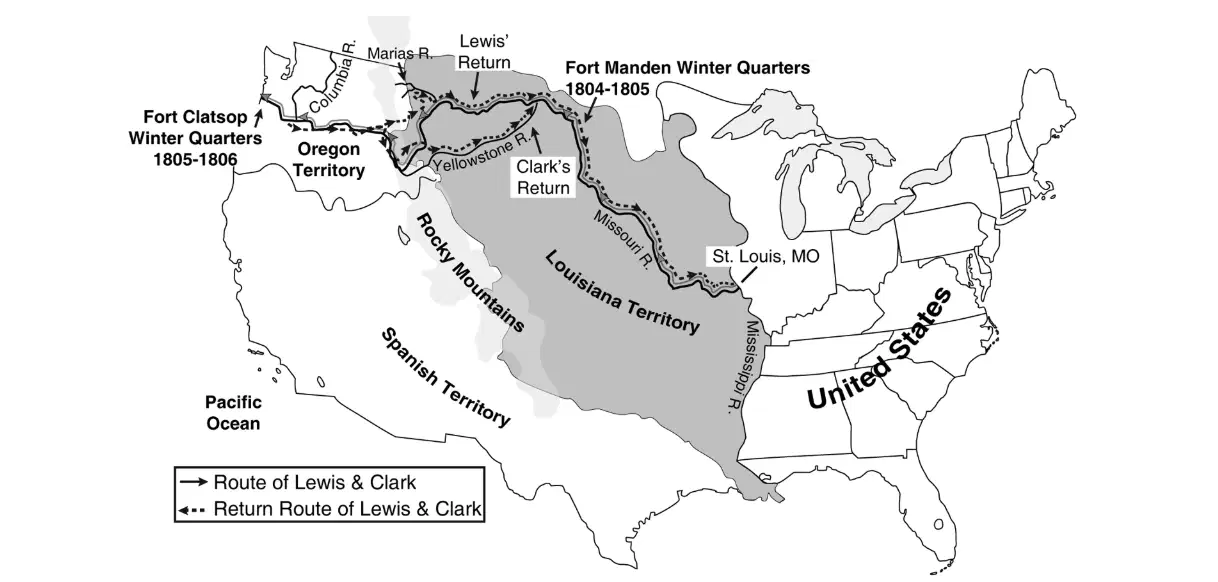
Use the map to answer the following question. The Lewis and Clark expedition left its camp near St. Louis, Missouri, in May 1804, and arrived at the Pacific Ocean in November 1805. How did the Louisiana Territory's geography help them make their journey?
a)
The flat terrain kept their route free of difficult obstacles.
b)
The roads built by the French made traveling safe and fast.
c)
The region’s warm climate let them travel throughout the year.
d)
The extensive river system allowed them to make the trip by boat.
7.
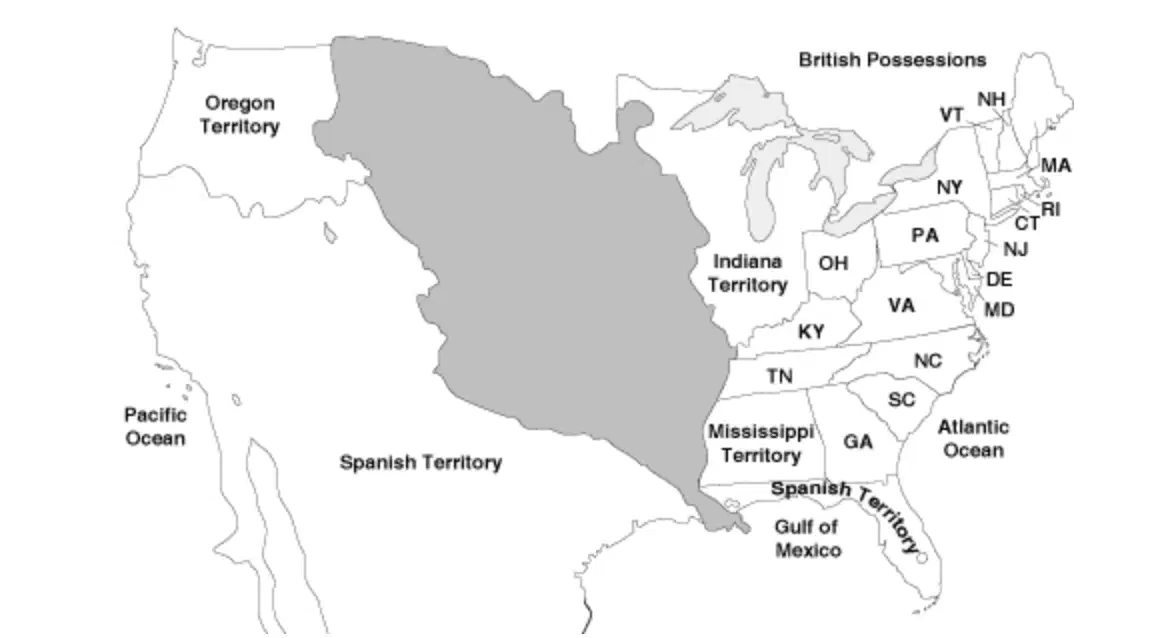
Use the map to answer the question. How did the shaded area on the map become part of the United States?
a)
It was gained from Mexico after the Mexican War.
b)
It was ceded to the United States by Spain.
c)
It was purchased by the United States from France.
d)
It was won from the British in the Revolutionary War.
8.
Who is described in the list?
-Author of the Declaration of Independence
-Third president of the United States
-Author of the Virginia Statue for Religious Freedom
-Purchased the Louisiana Territory
a)
John Adams
b)
Thomas Jefferson
c)
James Monroe
d)
George Washington
9.
What early 19th century land acquisition doubled the territory of the United States?
a)
Alaska
b)
Florida
c)
Oregon Territory
d)
Louisiana Territory
10.
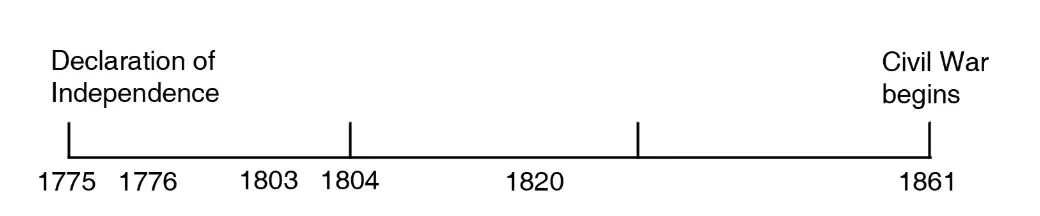
Look at the timeline. If you were going to complete the timeline, in what order would you put these historical events?
-Louisiana Purchase
-Revolutionary War
-Lewis and Clark Expedition
-Missouri Compromise
a)
Missouri Compromise, Revolutionary War, Lewis and Clark Expedition, Louisiana Purchase
b)
Revolutionary War, Missouri Compromise, Lewis and Clark Expedition, Louisiana Purchase
c)
Revolutionary War, Louisiana Purchase, Lewis and Clark Expedition, Missouri Compromise
d)
Louisiana Purchase, Lewis and Clark Expedition, Missouri Compromise, Revolutionary War
11.
Sacagawea was a woman from the Shoshone tribe who was married to a French Canadian fur trader. During the early 1800s, her assistance was important for the completion of what journey?
a)
the Trail of Tears
b)
the California Gold Rush
c)
the Underground Railroad
d)
the Lewis and Clark expedition
12.
Which U.S. president was the primary author of the Declaration of Independence?
a)
Thomas Jefferson
b)
George Washington
c)
John Adams
d)
Andrew Jackson
13.
What best explains how one group in the United States benefited economically from the War of 1812?
a)
Southern farmers were able to charge high prices to ship cotton to Northern states.
b)
Women had more employment opportunities after they had filled the jobs of men who had gone to war.
c)
Settlers purchased good farmland cheaply in territories that the United States acquired as a result of the war.
d)
Manufacturers profited because they began making goods that used to be imported from Great Britain.
14.
How did the War of 1812 affect the economy of the United States?
a)
More people turned to farming because the war disrupted overseas trade.
b)
Manufacturing increased because British goods were no longer imported.
c)
The destruction of factories caused by the fighting resulted in a slow recovery.
d)
Labor costs increased due to shortages of workers who went to fight in the war.
15.
How did the War of 1812 affect the relationship between the United States and Britain?
a)
It brought about an end to the slave trade between the two countries.
b)
It resulted in a military alliance between the two countries.
c)
It ended the presence of British troops on U.S. soil.
d)
It gave Britain the status of a “most favored” trade partner.
16.
What was the primary foreign policy goal of the United States during the War of 1812
a)
to remove British influence in North America
b)
to terminate a military alliance with France
c)
to increase trans-Atlantic trade with Spain
d)
to gain access to ports in South America
17.
What two frontiers did the War of 1812 begin on? select 2
a)
America, west of the Appalachian mountains
b)
America, east of the Appalachian mountains
c)
Canada
d)
Atlantic Ocean
e)
Mexico
18.
What was one result of the American victory in the War of 1812?
a)
Many Americans began moving westward toward the Mississippi River.
b)
American Indian tribes gained citizenship rights due to their assistance in the war.
c)
The British agreed to leave the Northwest Territory.
d)
France sold land west of the Mississippi River to the United States.
19.
Which question BEST supports the Compelling Question “Did we follow Washington's advice to stay neutral?"
a)
Was Jefferson a supporter of strong state power?
b)
What impact did the war of 1812 have on America?
c)
Was Jefferson's Embargo Act meant to hurt France and Britain?
d)
Did the Articles of Confederation give too much power to the states?
20.
How did the War of 1812 help establish the reputation of the United States in international affairs?
a)
It proved that the United States could protect the interests of South American countries.
b)
It showed that the United States could negotiate treaties between warring countries.
c)
It proved that the United States Navy was superior to European navies.
d)
It showed that the United States could defend itself against the British.
21.
President Adams lost the Election of 1800 so he attempted to put Federalist in positions in government, what were they called?
a)
Marshall Judges
b)
Midnight Judges
c)
War Hawks
d)
Greenbacks
22.
Use the list to answer the following question
-Embargo Act of 1807
-Tariff Act of 1816
-Tariff Act of 1828
Foreign policy measures like the ones listed above directly affected interactions between the United States and other countries in what way?
a)
limiting immigration
b)
settling territorial disputes
c)
imposing trade restrictions
d)
establishing military alliances
23.
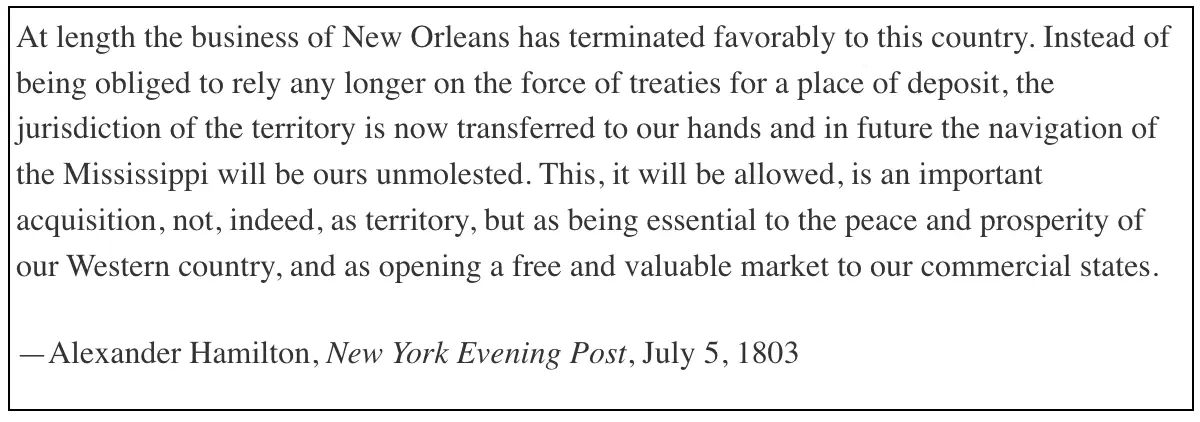
Use the excerpt to answer the following question:
Excerpt reads:
At length the business of New Orleans has terminated favorably to this country. Instead of being obliged to rely any longer on the forces of treaties for a place of deposit, the jurisdiction of the territory is now transferred to our hands and in future the navigation of the Mississippi will be ours unmolested. This, it will be allowed, is an important acquisition, not, indeed, as territory, but as being essential to the peace and prosperity of our Western country, and as opening a free and valuable market to our commercial states.
--Alexander Hamilton, New York Evening Post, July, 5, 1803
This excerpt refers to what development in United States history?
a)
the Embargo Act
b)
the Treaty of Ghent
c)
the Monroe Doctrine
d)
the Louisiana Purchase
24.
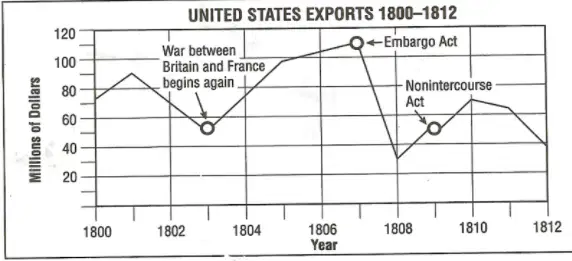
What economic effect did Jefferson's embargo have on the country?
a)
America gained a new found respect from England and France
b)
Imports rose
c)
Exports fell
d)
The American economy grew
25.

Frustrated with England and France, Jefferson issued the Embargo Act. Does the cartoon support the embargo?
a)
Yes, Jefferson’s turtle wants to stop pirates.
b)
No, Jefferson’s turtle is stopping trade.
c)
Yes, Jefferson wants free trade
d)
No, Jefferson’s free trade will hurt the economy
26.
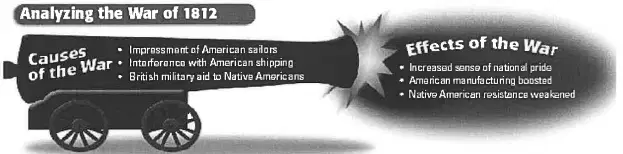
If a student is doing research on the compelling question "Is war helpful or hurtful to countries?", what claim could be made about the United States after the war of 1812?
a)
The war had no effect
b)
Native Americans became more powerful
c)
Britain gained more influence
d)
The war helped the growth of manufacturing
27.
Which sources support the claim that our new Nation started to grow a sense of nationalism?
a)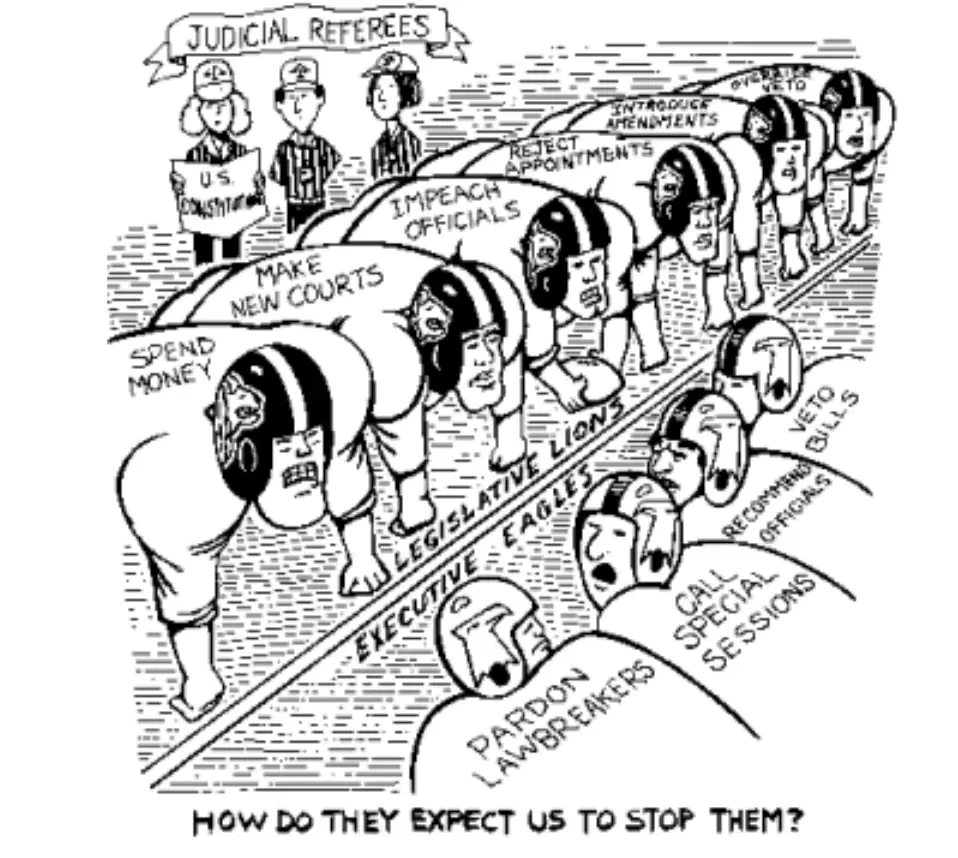
Judicial Review
b)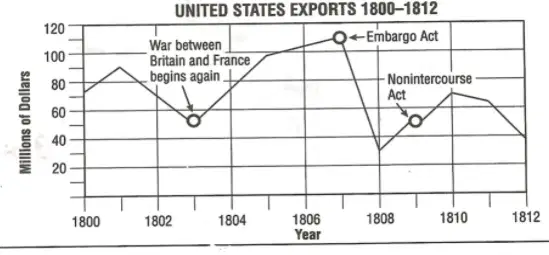
Chart showing the effect of Jefferson’s Embargo Act of 1807.
c)
Lewis and Clark Expedition
d)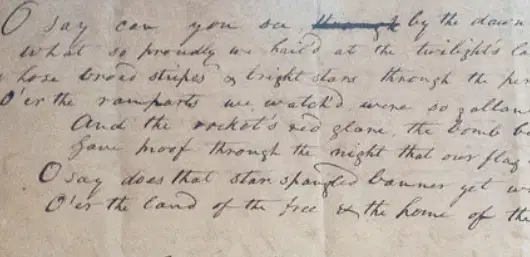
Francis Scott Key's poem "The Defense of Fort McHenry"
28.
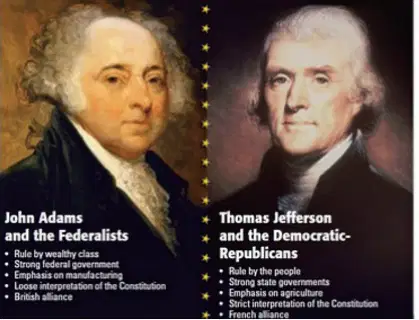
Which of these slogans might a Federalist have shouted at a party rally? select 2
a)
Federal Government over All!
b)
States Rule!
c)
Adams for President!
d)
Power to the People!
29.
What source would NOT be helpful to a student doing research on the compelling question "Did we follow Washington's advice?"
a)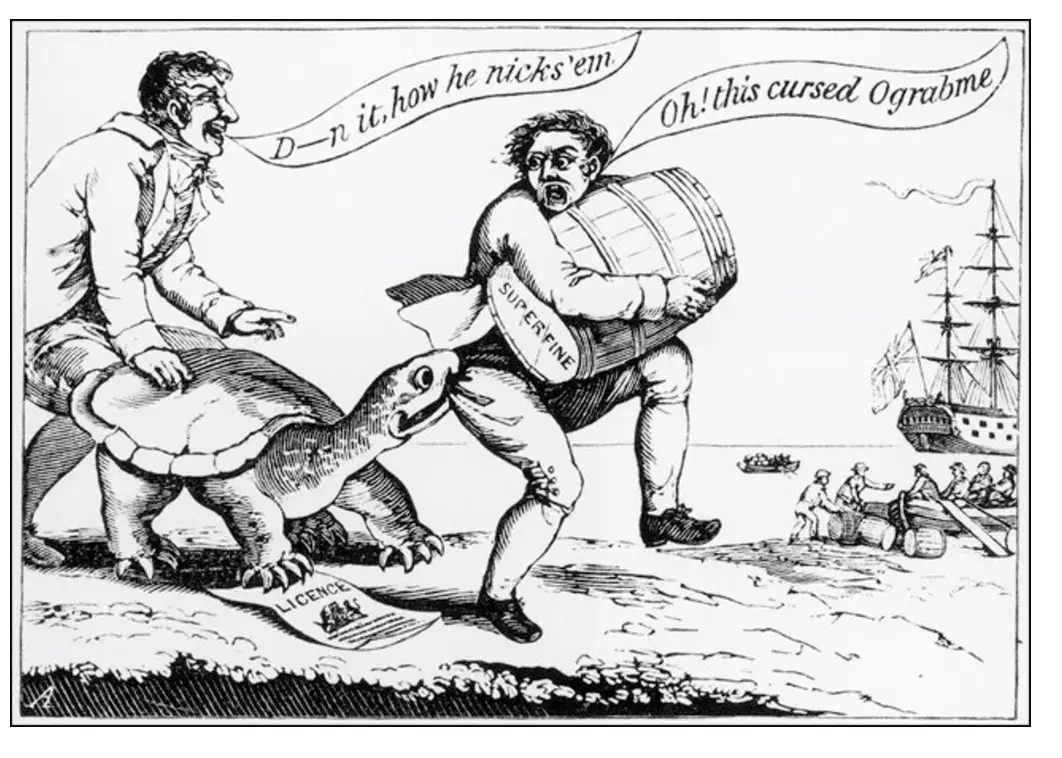
Embargo Act
b)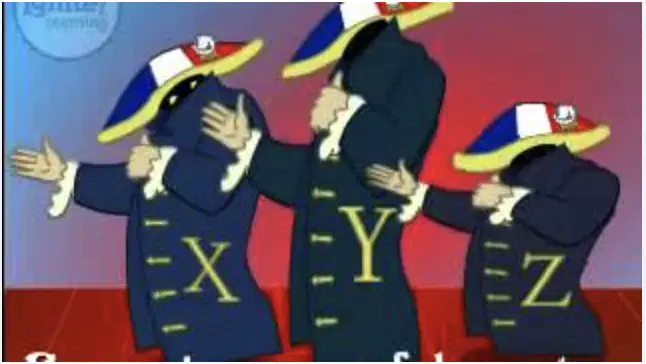
XYZ Affair
c)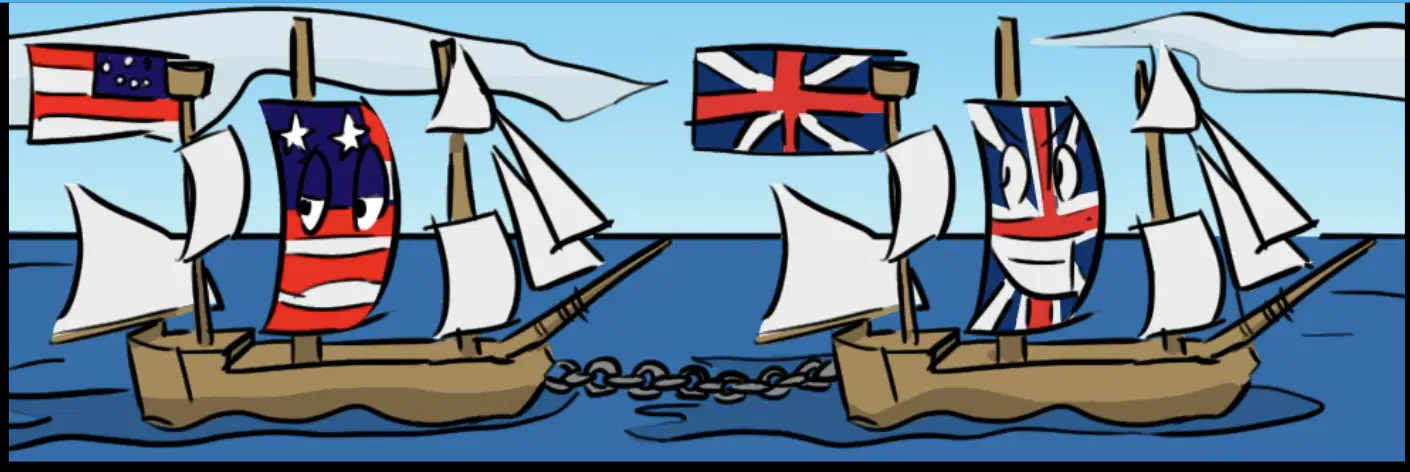
Jays Treaty
d)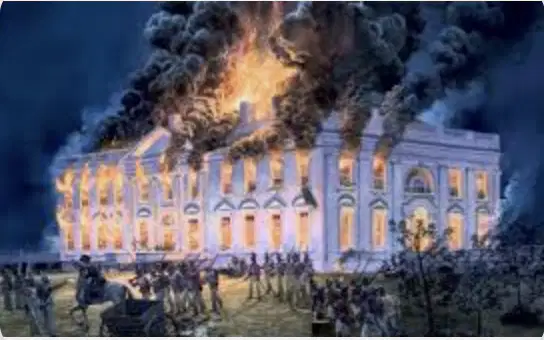
War of 1812
30.
A student is researching the supporting question "What impact did the War of 1812 have on America?" Which pieces of evidence would NOT be helpful?
a)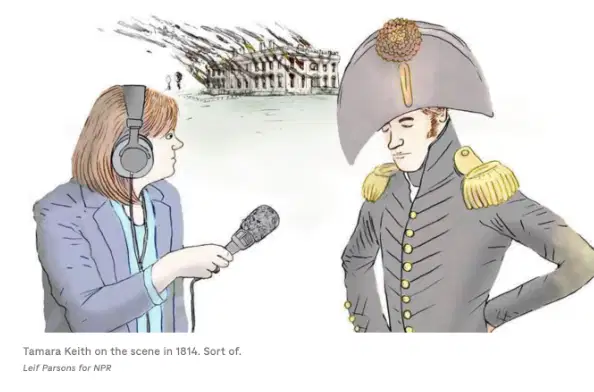
NPR reporting on the burning of washington
b)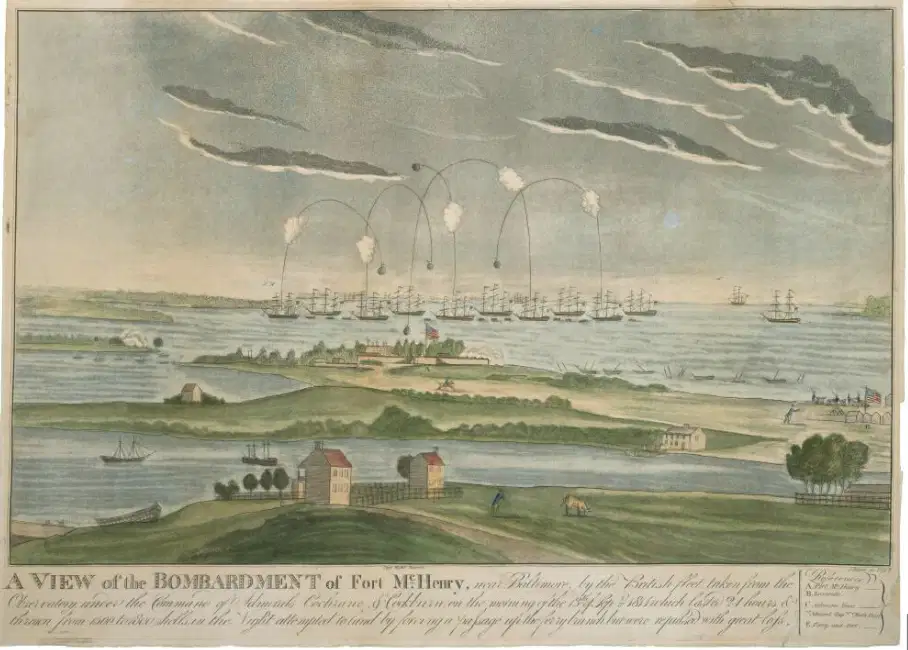
Print of "A View of the Bombardment of Fort McHenry" by American artist John Bower
c)
Painting of Andrew Jackson
d)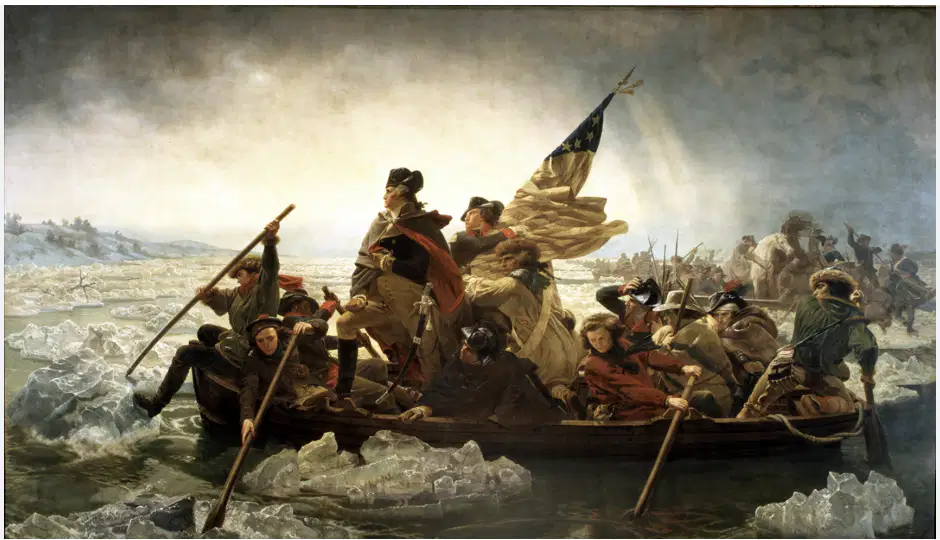
Painting by Emanuel Leutze
31.
A student is researching the supporting question "Should we have gone to war in 1812 against Britain." Which pieces of evidence would be helpful? select 2
a)
“It gives me great pleasure to announce to Congress that the Government’s benevolent policy of Indian removal has almost been achieved.President addresses Congress over Indian Removal
b)
"It was the People's day, and the People's President and the People would rule.” Margaret Bayard Smith describes the presidents Inauguration
c)
“British cruisers (ships) have been violating the rights and the peace of our coast and maritime interests and now we behold… on the side of Great Britain a state of war against the United States.” Madison's address to Congress
d)
“It is our true policy to stay clear of permanent alliances with any portion of the foreign world. Observe good faith and justice towards all nations; cultivate peace and harmony with all.” Washington''s farewell address
32.

Use the map’s key to answer the question. When Lewis and Clark set off from St. Louis in 1804, how was the expedition traveling?
a)
by keel boat
b)
by dugout canoe
c)
on horseback
d)
on foot
33.
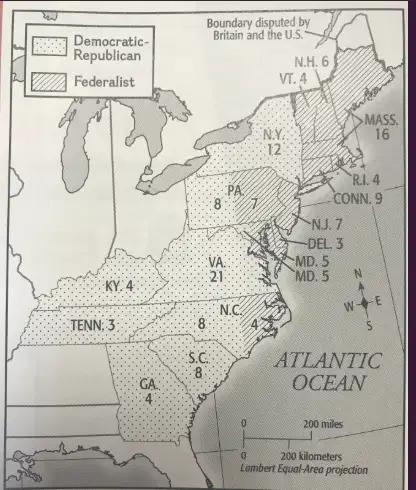
Which of the following is not true based on the map of electoral vote distribution in the election of 1800?
a)
Virginia and Massachusetts were the states with the most electoral votes
b)
Kentucky was a Federalist state
c)
Southern States tended to vote Democratic Republic
d)
Northern States tended to vote Federalist
34.
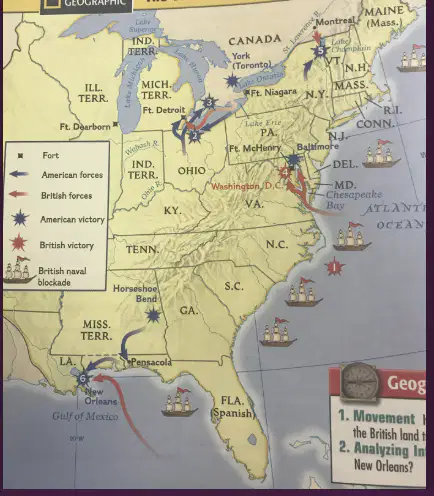
What do the ships off the coast represent on the map below?
a)
American Naval Victories
b)
British Naval Victories
c)
British Naval Blockade
d)
American Naval Blockade
35.
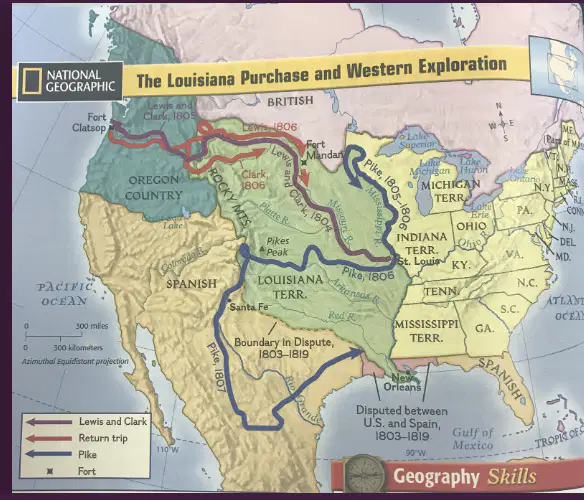
What city was the point of origin for Lewis and Clark's explorations into the Louisiana Territory?
a)
New Orleans
b)
Washington, D.C.
c)
Santa Fe
d)
St. Louis
100 %

