
 Worksheets
Letter from Birmingham Jail - First Read Comprehension Questions
Total questions: 91
Worksheet time: 1hrs 2mins

What have the clergymen done that inspired Dr. King to write Letter from Birmingham Jail?
They supported segregation.
They wrote a public statement criticizing his activities.
They invited him to Birmingham.
They ignored his civil rights efforts.

How does MLK say he normally responds to such criticisms? Why is this time different from how he normally responds to criticism?
MLK usually responds with patience and understanding, but this time he feels compelled to respond more directly due to the urgency of the situation.
MLK usually ignores criticisms, but this time he responds because he is in jail and has time to reflect.
MLK usually writes letters, but this time he decides to give a public speech.
MLK usually responds with anger, but this time he chooses to remain silent.

Paragraph 2: For which organization does MLK serve as president?
Southern Christian Leadership Conference (SCLC)
National Association for the Advancement of Colored People (NAACP)
Congress of Racial Equality (CORE)
Student Nonviolent Coordinating Committee (SNCC)
What has MLK and his group been asked to do? How did they respond?
They were asked to lead a protest and they agreed.
They were asked to stop their activities and they refused.
They were asked to negotiate and they accepted.
They were asked to leave the city and they complied.
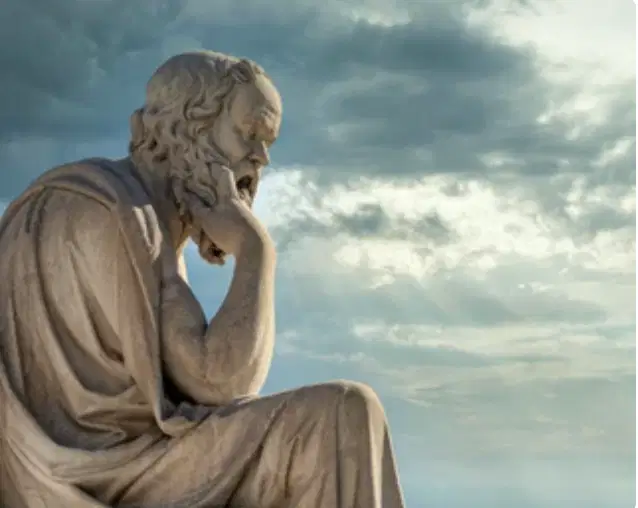
With whom does MLK compare himself when he describes why he is in jail?
Socrates
Jesus
Abraham Lincoln
Mahatma Gandhi
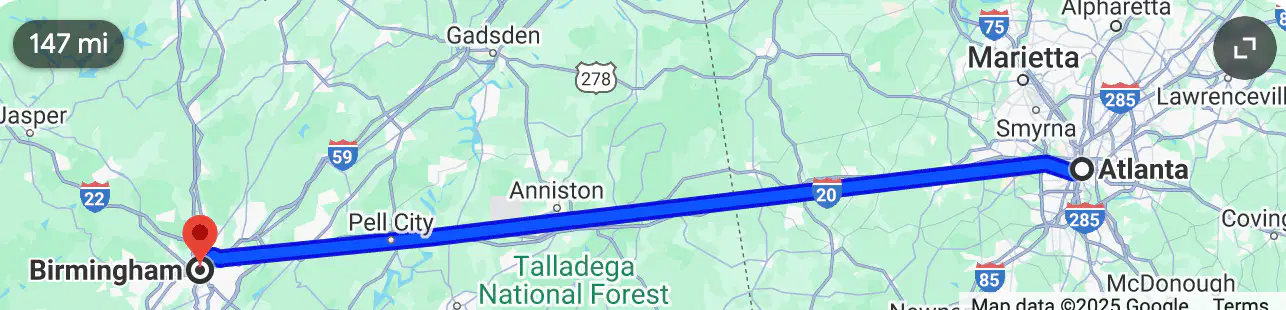
Paragraphs 3-4: Why does MLK say that, even though he lives in Atlanta, he is concerned about Birmingham? Why is he fighting against the laws in Birmingham?
Because he believes that injustice anywhere is a threat to justice everywhere.
Because he has family living in Birmingham.
Because he wants to run for office in Birmingham.
Because he was born in Birmingham.
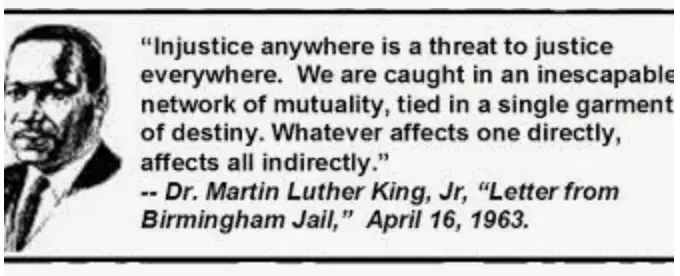
What does MLK say, specifically, in paragraph 4, is the reason the demonstrations still need to take place?
Because the fight for justice is not over.
Because the demonstrations are a tradition.
Because they want to show strength in numbers.
Because they have nothing else to do.
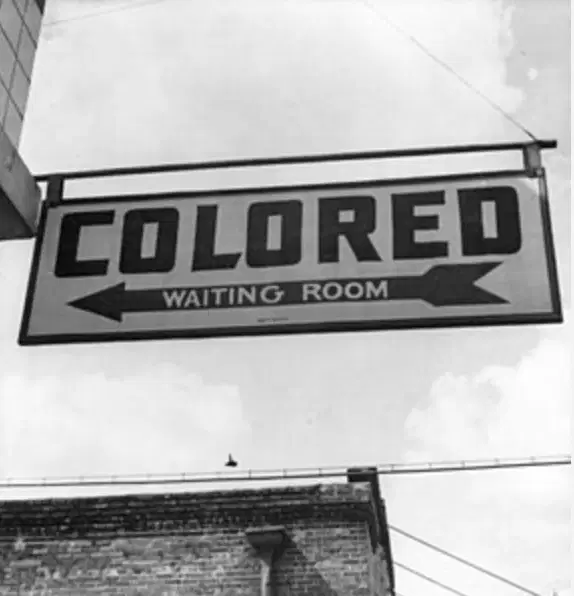
Paragraphs 7-8: What happened that gave MLK, and those demonstrating with him, the opportunity to talk to leaders?
A meeting was scheduled with the leaders.
The leaders approached MLK and his group.
An event occurred that prompted a discussion.
MLK and his group requested a meeting.
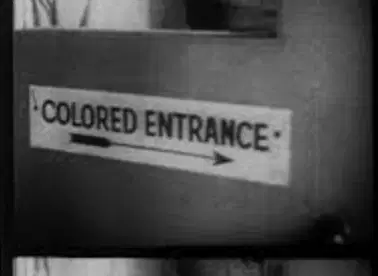
Paragraphs 7-8: What happened to the 'racial signs' as a result?
They were removed.
They were replaced with new signs.
They were ignored.
They were highlighted.
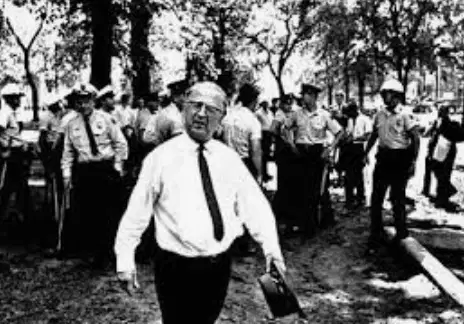
Research who Eugene ‘Bull’ Connor was, and write down what you learn about him.
Eugene "Bull" Connor was a civil rights leader known for his peaceful protests.
Eugene "Bull" Connor was a police official known for his opposition to the civil rights movement.
Eugene ‘Bull" Connor was a famous musician in the 1960s"
Eugene "Bull" Connor was a U.S. president during the civil rights era.
Why does MLK say negotiation is not a better path?
Because it is too slow
Because it is too confrontational
Because it is not effective
Because it is not peaceful
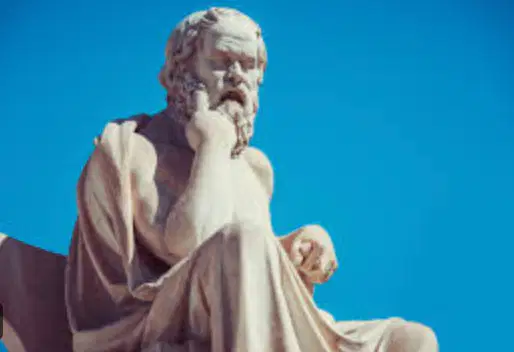
Paragraphs 9-10: MLK makes an allusion, comparing himself and those protesting to Socrates. Research Socrates. Who is he? Why do you think he is comparing himself and others to Socrates?
Socrates was a Greek philosopher known for his contributions to ethics and epistemology (letter writing). MLK compares himself to Socrates to emphasize the importance of questioning and seeking truth.
Socrates was a Roman general, and MLK compares himself to Socrates to highlight the strategic aspects of the protest.
Socrates was an Egyptian pharaoh, and MLK compares himself to Socrates to draw parallels with leadership.
Socrates was a medieval knight, and MLK compares himself to Socrates to illustrate bravery in battle.

Vocabulary: What does the word yearning mean?
A strong desire or longing
A feeling of happiness
A state of confusion
A type of dance

Vocabulary: What does the word languished mean?
To thrive
To weaken or deteriorate
To grow rapidly
To celebrate

Vocabulary: Is the owner of a restaurant likely to be pleased when a waiter stands idly by after a drinking glass falls and crashes to the floor?
Vocabulary: Would the umpires be likely to postpone a baseball game due to a sudden rainstorm?

Vocabulary: Would investors in an economy in the midst of stagnation be likely to feel positive about the state of affairs?
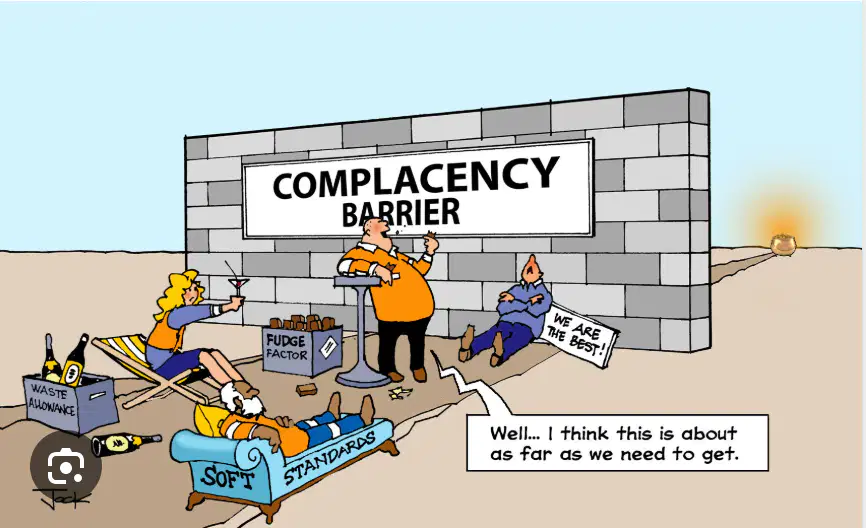
Vocabulary: When would a soccer team be likely to experience complacency, after winning a big game or after losing a big game?
After winning a big game
After losing a big game

Vocabulary: Who would be more likely to be yearning for freedom, people who live in a dictatorship or people who live in a democracy?
people who live in a dictatorship
people who live in a democracy

Vocabulary: After two weeks, would a beautiful bouquet be likely to languish?
Yes, cut flowers usually wilt after two weeks.
No, it takes longer than two weeks for a bouquet to wilt.
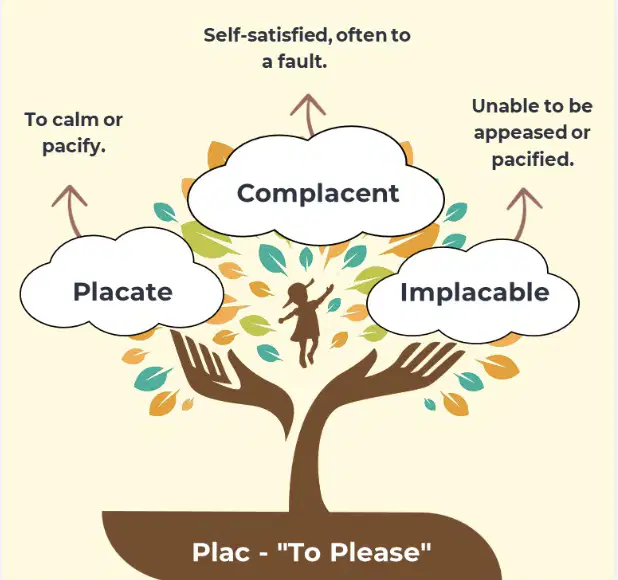
What does the Latin root -plac- mean?
calm or to please
to fight
to run
to build
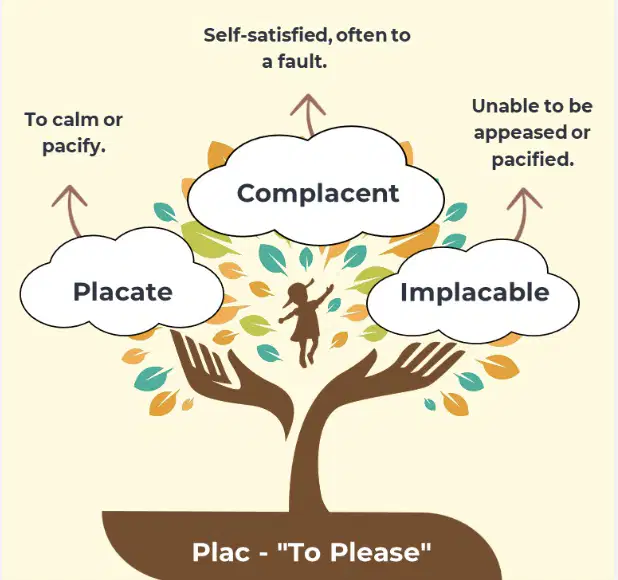
Latin Root -plac- : placate. What does the word placate mean?
To calm or soothe
To irritate or annoy
To ignore
To celebrate
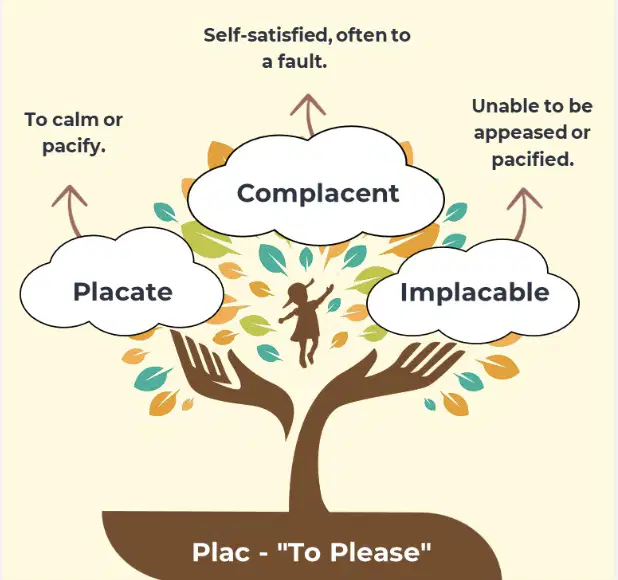
What does the word placid mean?
Calm and peaceful
Angry and agitated
Loud and noisy
Bright and colorful
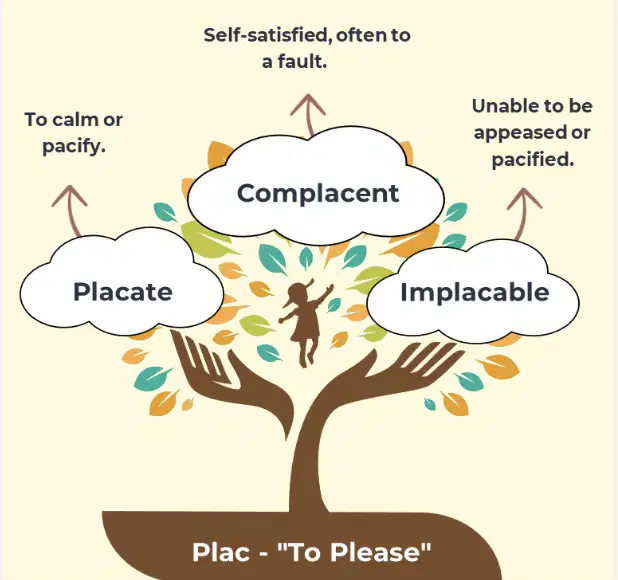
Latin Root -plac- : placebo. What does the word placebo mean?
A medicine prescribed for the psychological benefit to the patient rather than for any physiological effect
A type of plant
A musical instrument
A historical artifact
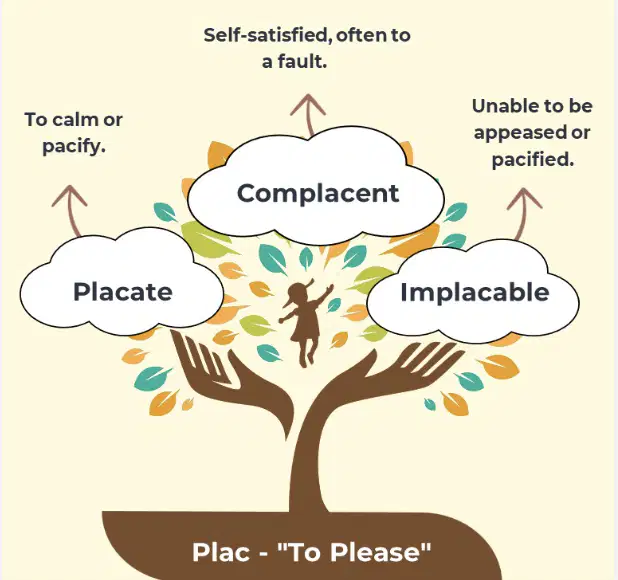
Latin Root -plac- : implacable. What does the word implacable mean?
Unable to be calmed or appeased
Easily satisfied
Full of peace
Capable of being placated
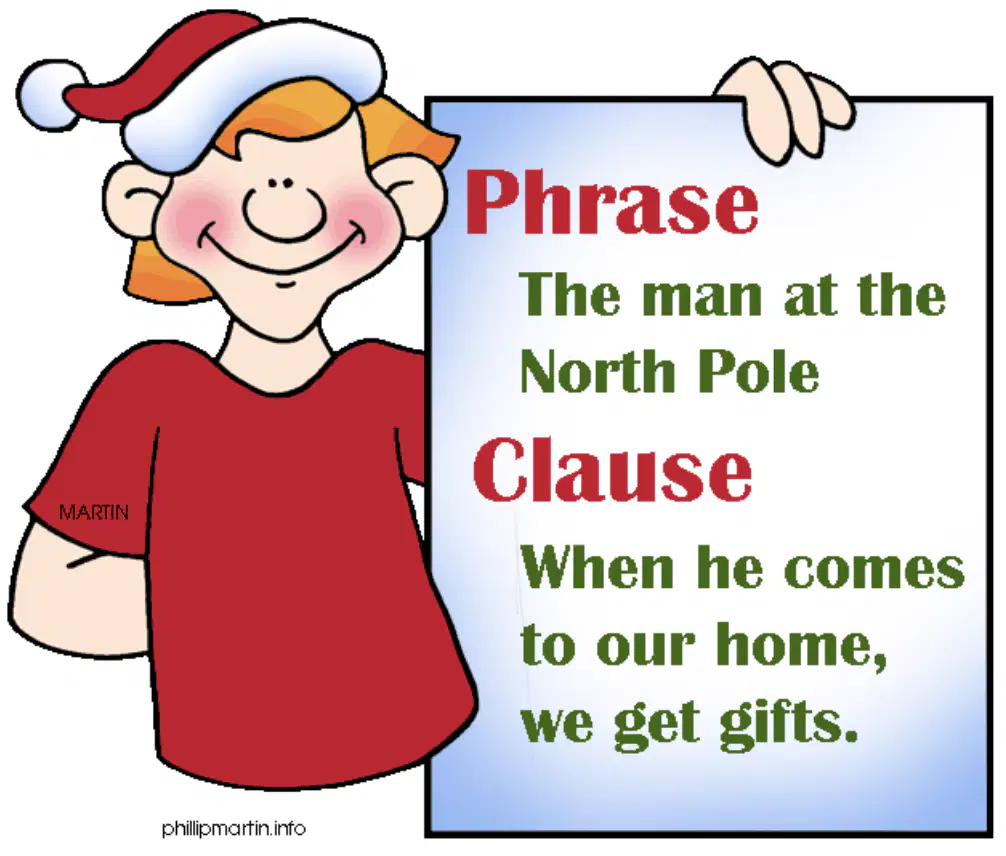
What is a clause?
A clause is a sequence within a sentence that has a noun and a verb.
A clause is a type of punctuation mark.
A clause is a synonym for a paragraph.
A clause is a type of sentence fragment.
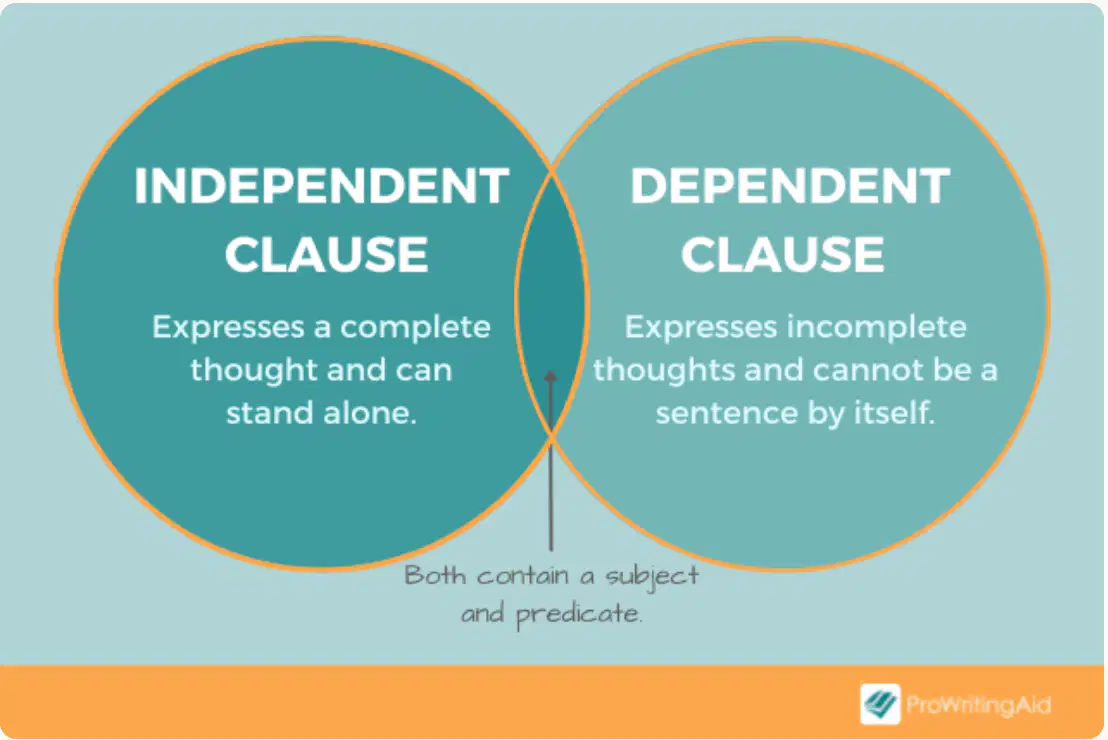
What is a dependent clause?
A dependent clause has a noun and verb but does not express a complete thought on its own.
A dependent clause is a complete sentence on its own.
A dependent clause is a type of punctuation mark.
A dependent clause is a type of conjunction.
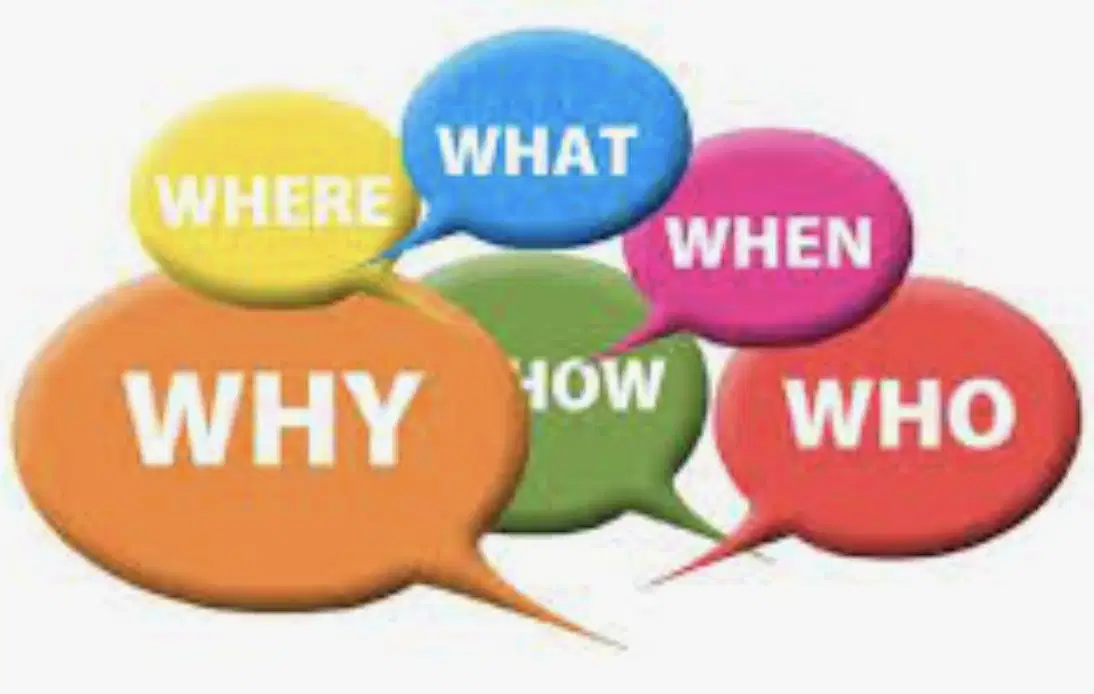
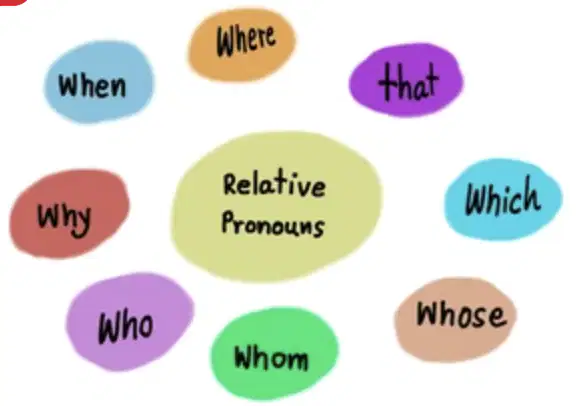
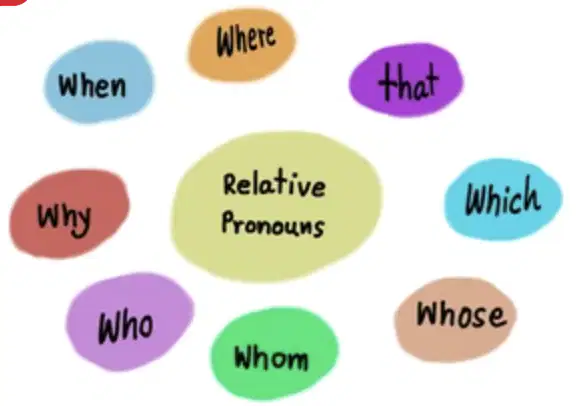
What is a relative clause?
A relative clause functions as an adjective and modifies a noun in another clause.
A relative clause is a type of adverbial clause that modifies a verb.
A relative clause is a main clause that can stand alone as a sentence.
A relative clause is a type of noun clause that acts as the subject of a sentence.

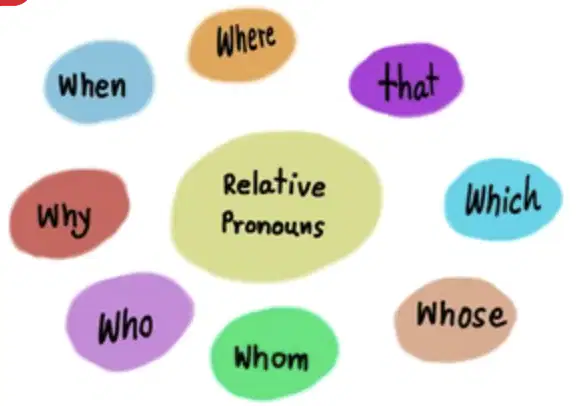
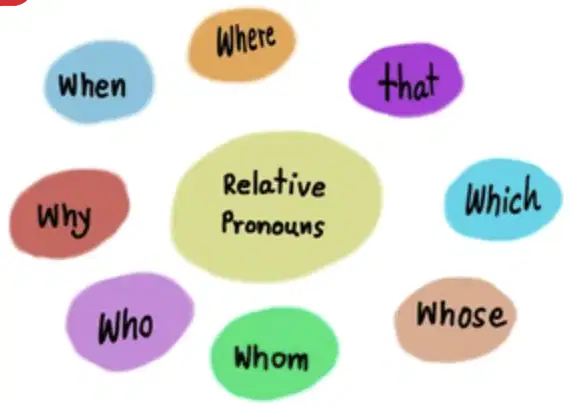
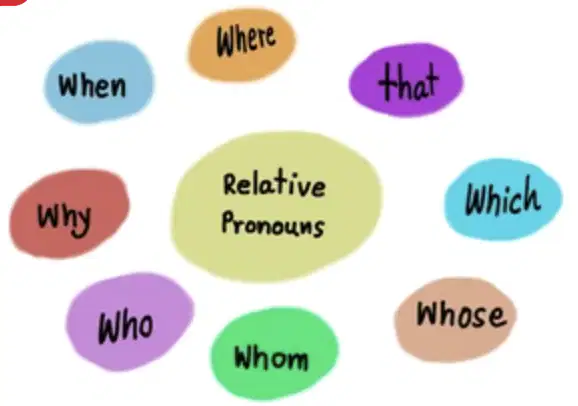
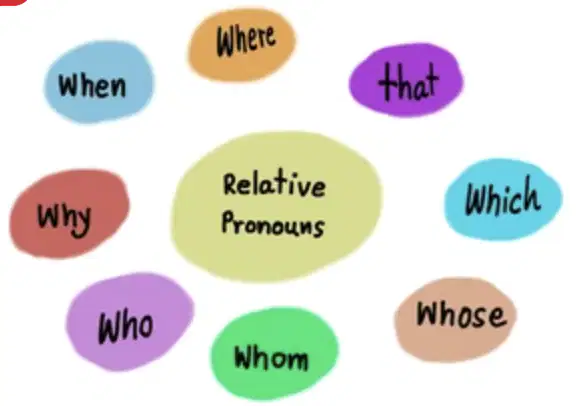
What do relative clauses begin with?
Relative clauses begin with relative pronouns such as who / whom, whoever / whomever, whose, that, and which.
Relative clauses begin with conjunctions such as and, but, or, nor, for, so, yet.
Relative clauses begin with adverbs such as quickly, silently, well, badly.
Relative clauses begin with prepositions such as in, on, at, by.
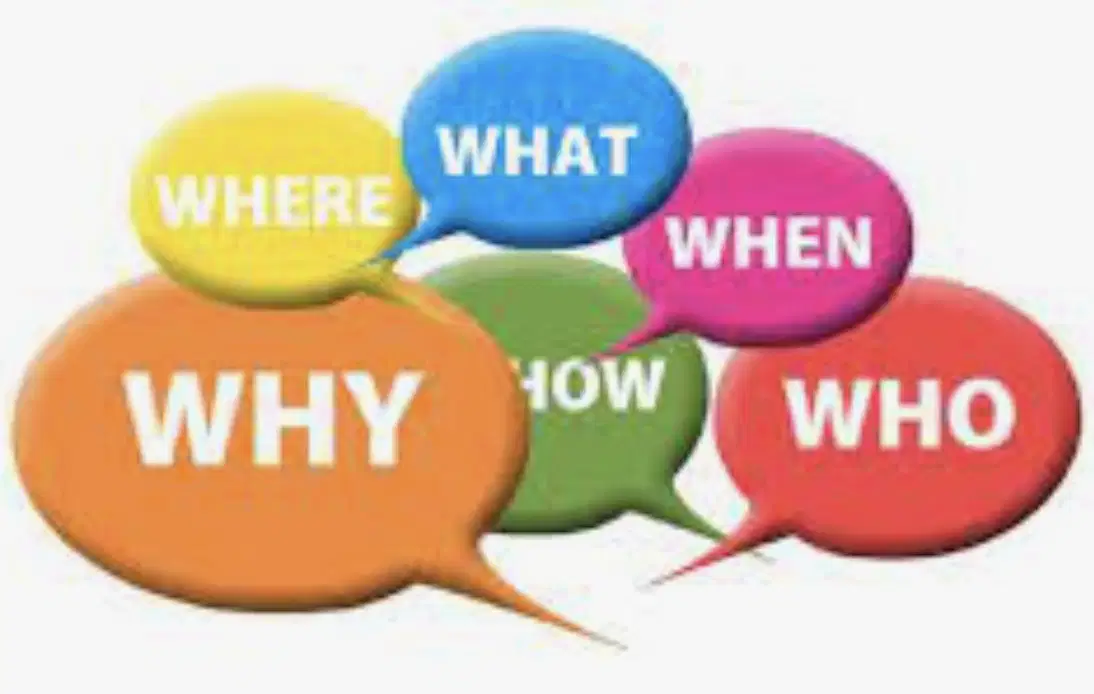
Identify the relative clause and the relative pronoun in each sentence. Sentence: Max bought one of those hoverboards that you ride around on.
Relative clause: that you ride around on; Relative pronoun: that
Relative clause: Max bought one of those hoverboards; Relative pronoun: one
Relative clause: you ride around on; Relative pronoun: you
Relative clause: those hoverboards that you ride around on; Relative pronoun: those
Identify the word that the relative pronoun modifies (describes). Sentence: Max bought one of those hoverboards that you ride around on.
Max
bought
hoverboards
ride
Identify the relative clause and the relative pronoun in each sentence. Sentence: The dog was wearing red booties, which made him look ridiculous.
The dog was wearing red booties
which made him look ridiculous
The dog was wearing red booties, which made him look ridiculous
red booties
Identify the word that the relative pronoun modifies (describes) in the sentence: The dog was wearing red booties, which made him look ridiculous.
dog
booties
red
him
Identify the relative clause and the relative pronoun in the sentence: 'The dog was wearing red booties, which made him look ridiculous.'
The relative clause is 'which made him look ridiculous' and the relative pronoun is 'which'.
The relative clause is 'The dog was wearing red booties' and the relative pronoun is 'The'.
The relative clause is 'red booties' and the relative pronoun is 'red'.
The relative clause is 'look ridiculous' and the relative pronoun is 'look'.
Identify the word that the relative pronoun modifies (describes) in the sentence: 'Dan was the one in the game whose shoe fell off in the third quarter.'
Dan
one
game
shoe
Identify the relative clause and the relative pronoun in the sentence: 'Dan was the one in the game whose shoe fell off in the third quarter.'
The relative clause is 'whose shoe fell off in the third quarter' and the relative pronoun is 'whose'.
The relative clause is 'in the game' and the relative pronoun is 'in'.
The relative clause is 'Dan was the one' and the relative pronoun is 'the'.
The relative clause is 'fell off in the third quarter' and the relative pronoun is 'off'.
Identify the word that the relative pronoun modifies (describes) in the sentence: 'Alexandra is the person to whom all the blame was given for the software problem last year.'
Alexandra
person
blame
software
Identify the relative clause and the relative pronoun in the sentence: 'Alexandra is the person to whom all the blame was given for the software problem last year.'
The relative clause is 'to whom all the blame was given for the software problem last year' and the relative pronoun is 'whom'.
The relative clause is 'Alexandra is the person' and the relative pronoun is 'the'.
The relative clause is 'all the blame was given for the software problem last year' and the relative pronoun is 'who'.
The relative clause is 'for the software problem last year' and the relative pronoun is 'that'.
Identify the word that the relative pronoun modifies (describes) in the sentence: 'I went to the only place in town that has old parts—the junkyard.'
I
place
town
junkyard
Identify the relative clause and the relative pronoun in the sentence: 'I went to the only place in town that has old parts—the junkyard.'
The relative clause is 'that has old parts' and the relative pronoun is 'that'.
The relative clause is 'in town' and the relative pronoun is 'in'.
The relative clause is 'the only place' and the relative pronoun is 'the'.
The relative clause is 'old parts' and the relative pronoun is 'old'.
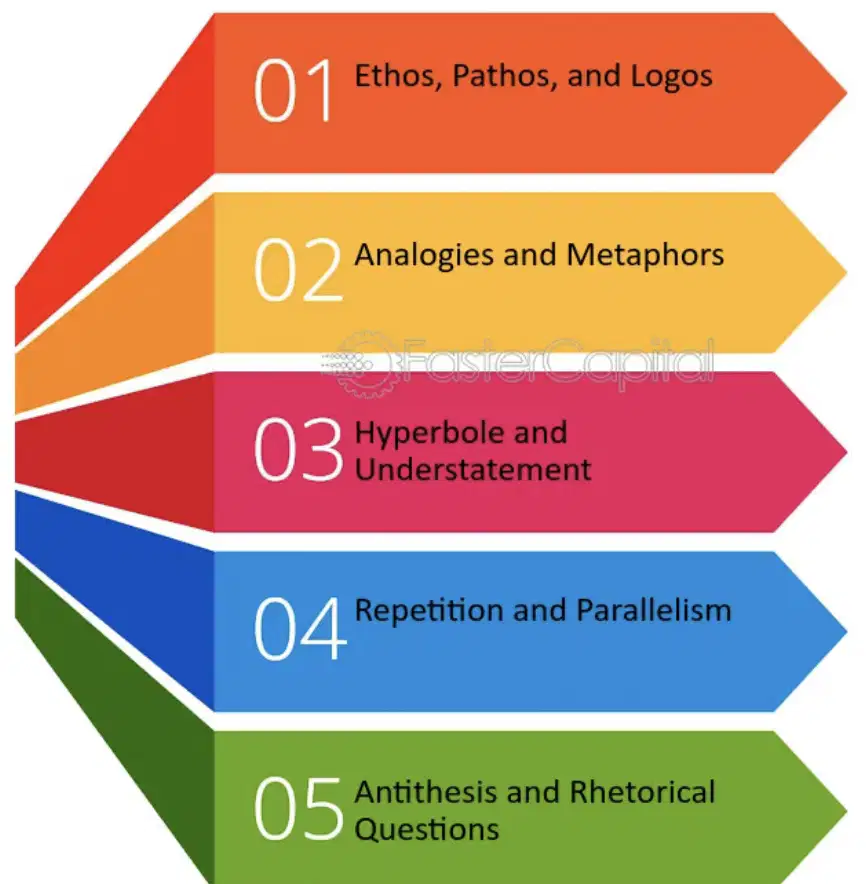
Using the posters on the wall in our classroom, identify the rhetorical devices that King uses in these lines from the letter. Note that a single sentence may include more than one rhetorical device.
Metaphor, Simile, Alliteration (Occurrence of the Same Letter or Sound at the beginning of Adjacent or Closely Connected Words)
Hyperbole (Exaggeration), Irony (Contrary to what one expects), Personification
Anaphora (Parallelism), Antithesis (Contrast or Opposition), Allusion
Euphemism (Using a Mild Phrase instead of a Harsh One), Onomatopoeia (Word that Sounds LIke or Resembles the Thing it Describes), Oxymoron (Apparently Contradictory Terms that Appear Together: example---humblebrag)
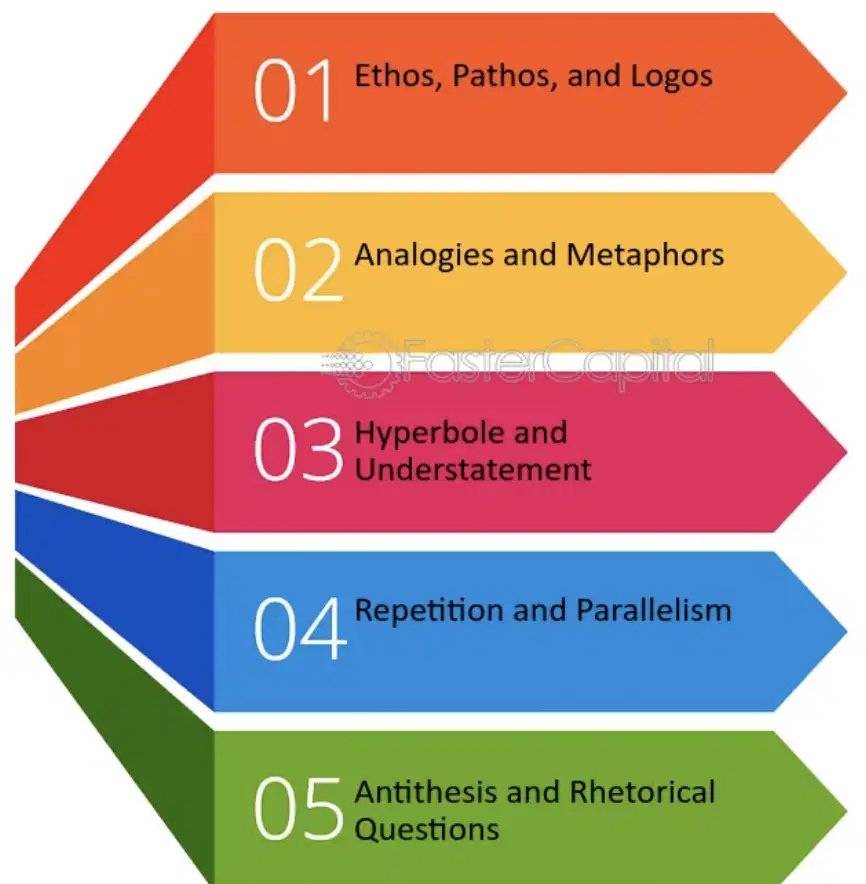
Identify the rhetorical device used in the sentence: "It was the best of times, it was the worst of times..." Choose the best answer.
Antithesis (Contrast or Opposition)
Metaphor (Comparison of two things that are unalike)
Simile (Comparison using "like" or "as")
Hyperbole (Exaggeration)
Identify the rhetorical device used in the sentence: "Plato tells us that there are two types of knowledge."
allusion
metaphor
simile
alliteration
Identify the rhetorical device used in the sentence: "Why would we put up with injustice?" Choose the best answer.
rhetorical question (question asked to make a point rather than to get an answer)
metaphor (comparing two (2) things that are unalike)
simile (comparing by using "like" or "as")
alliteration (using the same letter or sound at the beginning of closely connected words)
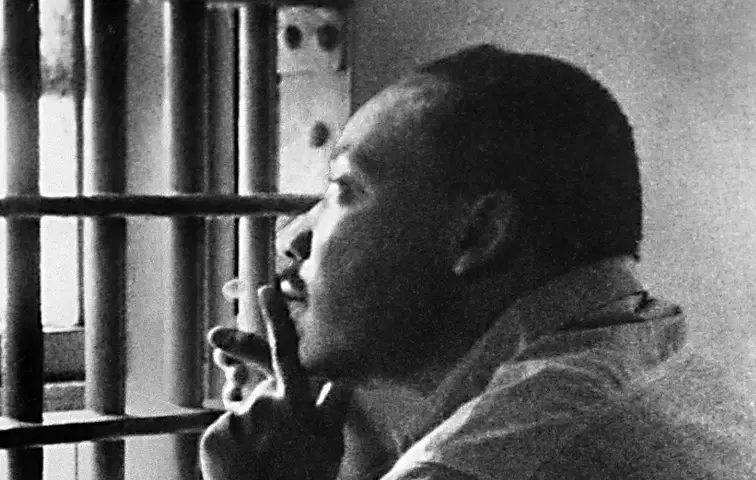
Paragraph 1: Martin Luther King, Jr. is writing this letter from:
a jail in Birmingham
his home in Atlanta
a church in Montgomery
a hotel in Memphis
Paragraph 1: To whom is King writing the letter?
Eight white clergymen who critcized him
His friend
The editor of a local newspaper in Birmingham
His family
Paragraph 2: Why does King say that the people in Birmingham are protesting?
Because they want to express their grievances.
Because they are celebrating a festival.
Because they are supporting a political leader.
Because they are participating in a cultural event.
What does King mean by injustice anywhere is a threat to justice everywhere?
Injustice in one place can lead to injustice everywhere.
Justice is only important in certain areas.
Injustice and justice are unrelated concepts.
Justice is not affected by injustice in other places.

What does King think about waiting for the right time to act?
King believes waiting for the 'right time' is essential.
King thinks waiting for the 'right time' has already happened for too long.
King is indifferent about waiting for the 'right time.'
King thinks waiting for the 'right time' is sometimes necessary.

Why does King believe that African Americans cannot wait any longer for their rights?
Because they have already waited too long and justice delayed is justice denied.
Because waiting will lead to more violence and unrest.
Because the government has promised immediate action.
Because other minority groups are also demanding their rights.
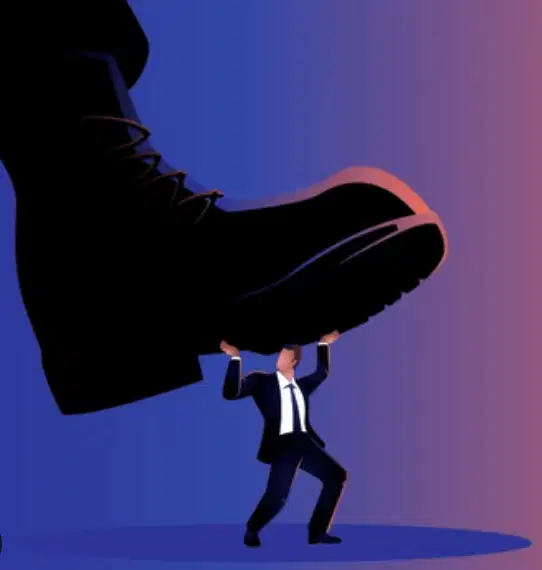
What does King mean by freedom is never voluntarily given by the oppressor?
Freedom must be demanded by the oppressed.
Oppressors will eventually give freedom voluntarily.
Freedom is a natural right that will be granted.
Oppressors are willing to negotiate freedom.

Paragraph 4: Why does King say that African Americans must demand their rights?
Because it is a moral obligation
Because it is a legal requirement
Because it is a historical necessity
Because it is a social expectation
Paragraph 5: Why does King think the African American community has been patient for so long?
Because they have been waiting for the right moment
Because they have been hopeful for change
Because they have been oppressed for centuries
Because they have been promised equality
What does King say is the difference between “waiting patiently” and “waiting for justice”?
Waiting patiently is passive, while waiting for justice is active.
Waiting patiently is a sign of strength, while waiting for justice is a sign of weakness.
Waiting patiently is a form of protest, while waiting for justice is a form of acceptance.
Waiting patiently is a temporary state, while waiting for justice is a permanent state.
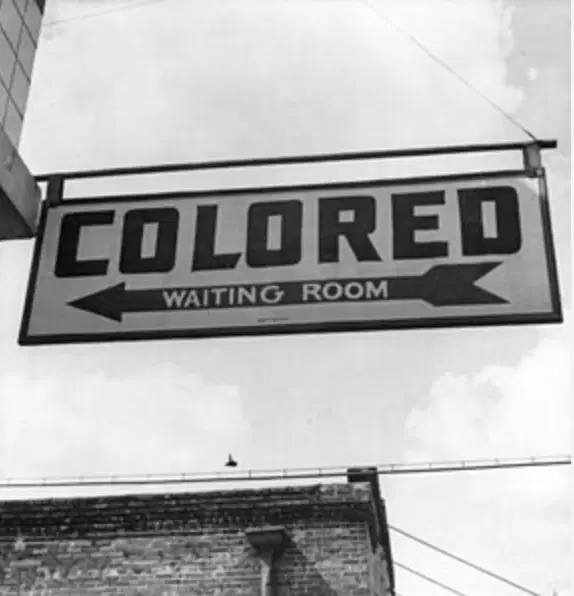
What does King mean when he says that African Americans are being treated as “strangers” in their own land?
They are being welcomed and accepted.
They are being treated as outsiders and not given equal rights.
They are being given special privileges.
They are being ignored completely.
Paragraph 6: Why does King mention the “suffering” of African Americans?
To highlight the historical injustices faced by African Americans.
To emphasize the economic challenges in the African American community.
To discuss the cultural contributions of African Americans.
To illustrate the political achievements of African Americans.
Paragraph 7: Why does King say the white community has been more concerned about maintaining order than about justice?
Because they fear the consequences of change.
Because they believe in the status quo.
Because they are unaware of the injustices.
Because they prioritize economic stability.
What does King mean by the “moral responsibility” of the African American community?
The duty to fight for civil rights and equality.
The obligation to maintain cultural traditions.
The responsibility to support economic growth.
The need to prioritize education.

What does King think about the claim that African Americans should wait for a “better” time to protest?
He agrees with the claim.
He disagrees with the claim.
He is indifferent to the claim.
He partially agrees with the claim.
How does King describe the “current” time in Birmingham for African Americans?
A time of great progress and equality
A period of significant challenges and injustice
An era of peace and prosperity
A moment of cultural renaissance
What is the “greatest” obstacle to equality, according to King?
Racism
Poverty
Indifference
Violence
King explains the idea of “the white moderate” being the biggest challenge to justice by describing them as:
A group that actively supports racial equality.
Individuals who prefer order over justice and criticize the methods of activists.
People who are unaware of racial issues.
A community that has no influence on social justice.
What does King say about the “false belief” that things will improve on their own?
King believes that this false belief leads to complacency.
King argues that this belief is a sign of hope.
King states that this belief is rooted in historical evidence.
King suggests that this belief is a necessary illusion.
Paragraph 10: Why does King criticize the “good people” who are not taking action?
They are unaware of the issues.
They are contributing to the problem.
Their inaction supports the status quo.
They are actively opposing change.
Paragraph 11: Why does King mention the Bible in his letter?
To illustrate a point about justice
To criticize religious leaders
To support his argument with religious authority
To question the morality of his opponents
Paragraph 11: How does King use the teachings of Jesus to support his ideas?
By quoting Jesus directly to emphasize his points
By interpreting Jesus' teachings in a modern context
By contrasting Jesus' teachings with contemporary beliefs
By dismissing other religious teachings in favor of Jesus'
What does King say about the people who oppose him in the letter?
They are misguided but not evil.
They are completely wrong and evil.
They are supportive of his cause.
They are indifferent to his actions.
Paragraph 12: What is King’s main message about law and justice?
Law and justice are always aligned.
Unjust laws must be challenged.
Justice is subjective and varies.
Laws are more important than justice.
How does King respond to the criticism that he’s an outsider in Birmingham?
He agrees with the criticism and decides to leave Birmingham.
He ignores the criticism and continues his work.
He explains his presence by stating that injustice anywhere is a threat to justice everywhere.
He apologizes for his presence and promises not to interfere.
Paragraph 13: Why does King feel it is important for him to be in Birmingham?
To lead the protest
To support his friends
To witness the events
To be a part of history
What does King say about the importance of nonviolent protest?
It is the only way to achieve true peace.
It is a sign of weakness.
It is ineffective in bringing about change.
It is a temporary solution.
Paragraph 14: How does King define “direct action”?
As a method to negotiate and reach agreements
As a way to create tension and prompt negotiation
As a violent approach to force change
As a passive resistance technique
How does King explain the idea of “constructive tension”?
As a necessary force for growth and change
As a negative force that should be avoided
As an irrelevant concept in social movements
As a concept that only applies to personal relationships
Paragraph 15: Why does King believe that tension is necessary for social change?
Because it fosters creativity and growth.
Because it leads to violence and chaos.
Because it maintains the status quo.
Because it suppresses dissent.
What is King’s argument about breaking laws in a peaceful way?
King argues that breaking laws peacefully is necessary to highlight unjust laws.
King believes that all laws should be followed without exception.
King argues that breaking laws peacefully is a form of rebellion against all authority.
King believes that breaking laws peacefully is unnecessary and ineffective.
Paragraph 16: What does King mean by “unjust laws”?.
Laws that are morally wrong and unfair.
Laws that are difficult to understand.
Laws that are not enforced by the government.
Laws that are outdated and irrelevant.
How does King describe an “unjust law”?
A code that is out of harmony with the moral law
A law that uplifts human personality
A law that is applied equally to all
A code that aligns with the law of God
Paragraph 18: How does King compare an unjust law to a law that is morally right?
King compares an unjust law to a morally right law by stating that an unjust law is a code that is out of harmony with the moral law.
King states that both unjust and morally right laws are equally valid.
King believes that unjust laws are superior to morally right laws.
King does not make any comparison between unjust and morally right laws.
What is King’s view on the legality of a law versus its morality?
King believes legality and morality are the same.
King believes legality does not always equate to morality.
King believes legality is more important than morality.
King believes morality should be ignored if a law is legal.
Paragraph 19: Why does King say that African Americans have no choice but to disobey certain laws?
Because the laws are unjust and discriminatory.
Because they want to create chaos.
Because they do not understand the laws.
Because they are encouraged by leaders to do so.
How does King argue that breaking unjust laws is a way of expressing love?
By showing respect for the law's intent
By demonstrating a commitment to justice
By highlighting the flaws in the legal system
By encouraging others to follow unjust laws
What does King mean when he says that breaking unjust laws is a “moral responsibility”?
It is a duty to follow all laws, just or unjust.
Breaking unjust laws is necessary to uphold justice.
Unjust laws should be ignored completely.
All laws are inherently just.
Paragraph 20: How does King defend civil disobedience?
By arguing it is a moral responsibility
By stating it is a legal obligation
By claiming it is a historical tradition
By suggesting it is a political strategy
What does King mean by “wait” in the context of his letter?
A delay in action
A call for patience
An indefinite postponement
A temporary pause
Which of the following was a key figure in the Civil Rights Movement known for advocating nonviolent protest?
Malcolm X
Martin Luther King Jr.
Rosa Parks
Thurgood Marshall
How did the Civil Rights Movement influence education reform in the United States?
It led to the establishment of private schools.
It resulted in the desegregation of schools and increased educational opportunities for minorities.
It decreased funding for public schools.
It focused solely on higher education.
Which legislation was a direct result of the Civil Rights Movement and aimed to eliminate voting discrimination?
The Voting Rights Act of 1965
The Fair Housing Act
The Social Security Act
The Immigration and Nationality Act

What African-American woman made history when she refused to give up her seat on a bus to a white man?
Rosa Parks
Aretha Franklin
Wilma Rudolph
Oprah Winfrey
Vocabulary: Is the owner of a restaurant likely to be pleased when server stands idly by after a drinking glass falls and crashes to the floor?
Yes, because the owner does not want the server to get cut by the glass.
No, because the owner wants the server to clean up the broken glass.
Vocabulary: Would the umpires be likely to postpone a baseball game due to a sudden rainstorm?
Yes, because the baseball field would be too muddy to play on.
No, because the fans would be disappointed.
Vocabulary: Would investors in an economy in the midst of stagnation be likely to feel positive about the state of affairs?
No, because people would not be starting businesses or spending money.
Yes, because

