
 Worksheets
Revision
Total questions: 50
Worksheet time: 30mins
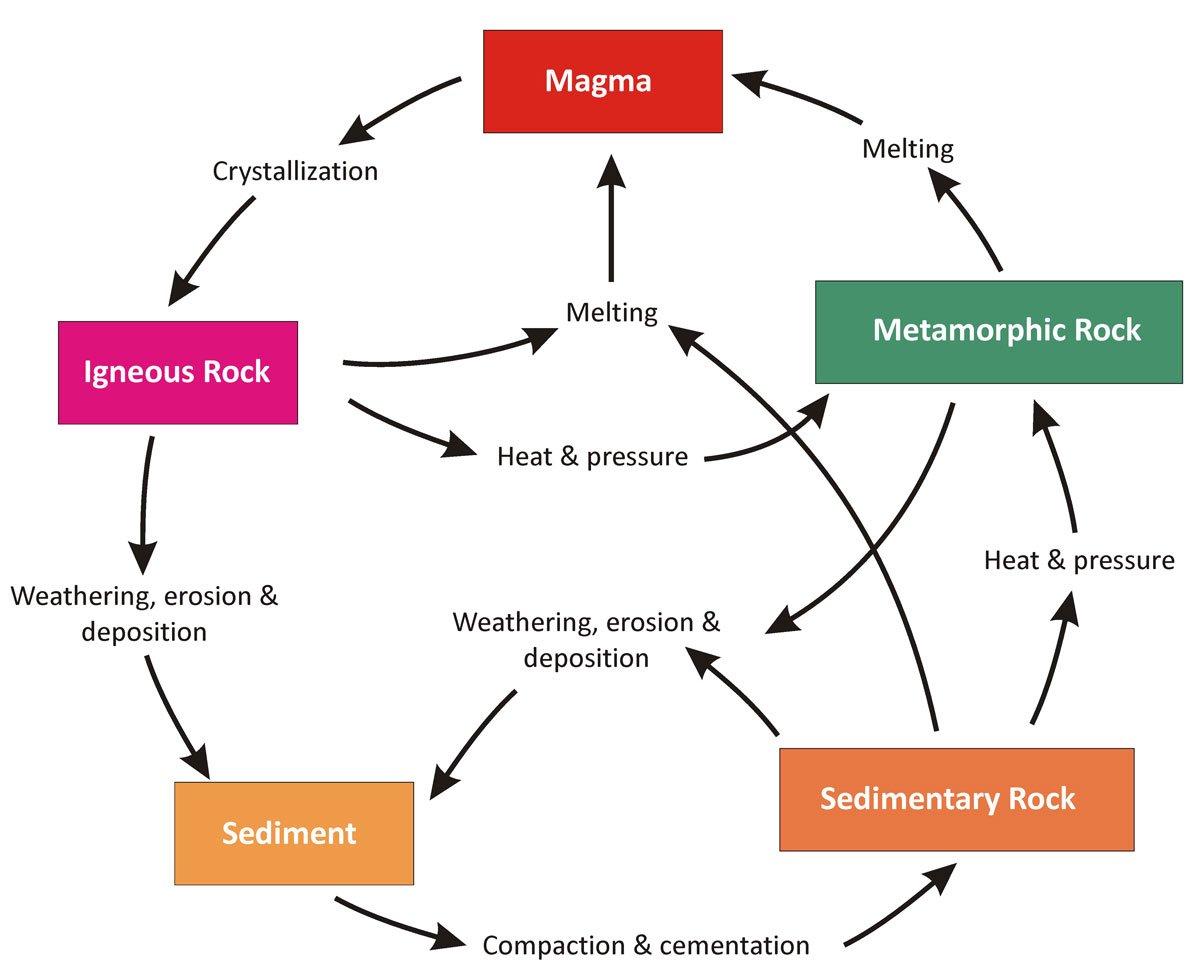
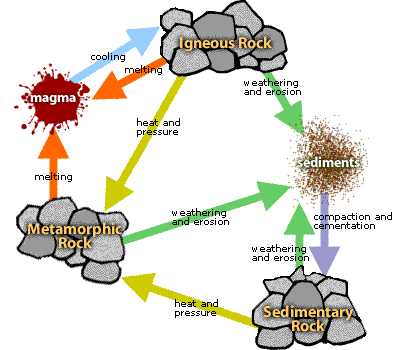


Which rock is formed form the cooling of volcanic ash on Earth's surface?
intrusive igneous
foliated metamorphic
extrusive igneous
organic sedimentary
This is a natural solid that is made of one or more minerals.
Mineral
Fossil
Rock
Sediment

Limestone is an example of...
Sedimentary
Igneous
Metamorphic

Sandstone is an example of...
Metamorphic
Sedimentary
Igneous

Granite is an example of...
Igneous
Metamorphic
Sedimentary

Marble is an example of...
Igneous
Sedimentary
Metamorphic

Basalt is an example of...
Igneous
Sedimentary
Metamorphic

Gneiss is an example of...
Igneous
Sedimentary
Metamorphic
One cause of metamorphism in rocks is:
sedimentation
pressure
cold temperatures
weathering
Which layer is thicker than the outer core?
Crust
Mantle
Outer Core
Inner core
-To describe rocks, geologists observe mineral composition, color, and ...........................
texture.
luster
hardness
Granite is generally a light-colored rock that has high (a) content.
Granite is generally a light-colored rock that has high silica content, meaning it is rich in the ...............................elements
silicon and nitrogen.
silicon and oxygen.
silicon and sulfur.
-To describe the .................. of a rock, geologists use terms that are based on the size, shape, and pattern of the grains.
origin
texture
composition
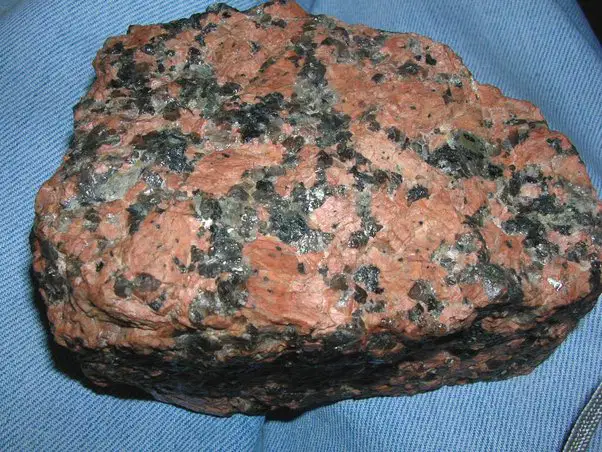
-Rocks with grains that are large and easy to see are ...........................................
fine-grained
coarse-grained.
In ........................................... rocks, grains can be seen only with a microscope.
coarse-grained
fine-grained


The individual particles that make up a rock are known as _____
Grains
Textures
Metamorphs
Lava

Intrusive rocks
Forms at earth's surface
Has a fine-grained texture
Form underground

A slow cooling igneous rock will have _____ crystals
large
small
average
black

Which of the following minerals is one of the hardest minerals?
pearl
diamond
talc
quartz
When we tested minerals in class, we used a nail, a penny, and our fingernail to test the ___________________ of the mineral
streak
hardness
A naturally formed, inorganic solid that has a definite crystal structure
Rock
streak
mineral
The splitting of a mineral along smooth, flat surfaces
fracture
cleavage
hardness
The color of the powder of a mineral
hardness
streak
luster
The _______________________ of a mineral can be metallic or nonmetallic.
luster
color

The atoms within a mineral are arranged in an orderly, repeating three-dimensional pattern. Which of the characteristics of minerals does this statement describe?
Solid
Inorganic
Crystal Structure
Made In Nature
My teacher mentioned that in order for a substance to be a mineral, it has to be _____ or nonliving.
Inorganic
Organic
Mixture
Liquid

Which statement is the best example of the mineral property of cleavage?
The mineral broke and had jagged edges.
The mineral broke and had flat edges.
Minerals never break
All are correct
Which layer is made up of solid iron & nickel?
Outer Core
Inner Core
Mantle
Crust

What is the outermost layer called?
Crust
Mantle
Outer Core
Inner Core
Which TWO earth layers are made of iron and nickel?
crust
mantle
outer core
inner core
Which earth layer is the THICKEST?
crust
mantle
inner core
outer core


What creates the magnetic field?
The convection of liquid metals in the outer core.
We are very heavy
The atmosphere
The mountains in the crust
Which layer contains convection currents?
outer core
inner core
mantle
lithosphere
What is the uppermost part of the mantle called?
core
crust
asthenosphere
lithosphere

