
 Worksheets
8th Grade MISA Review
Total questions: 94
Worksheet time: 47mins
Name
Class
Date
1.

Warm air _____.
a)
sinks
b)
rises
c)
originates at the poles
d)
is red
2.

Cold air is _____ than warm air.
a)
more dense
b)
is always blue
c)
originates at the equator
d)
is less dense
3.

Imaginary parallel lines on maps are __________.
a)
lines of longitude
b)
the Prime Meridian
c)
lines of latitude
d)
the Greenwich Meridian
4.

A _______ is a solid, naturally formed substance that always has the same composition.
a)
rock
b)
carbon
c)
mineral
d)
water
5.

___________ rocks are formed when magma cools.
a)
Sedimentry
b)
Igneous
c)
Metamorphic
d)
Mineral
6.

A ___________ is where two tectonic plates meet and one gets pushed underneath the other.
a)
rift zone
b)
subduction zone
c)
transform fault
d)
rock layer
7.

The __________ describes the process by which rocks change forms.
a)
rock cycle
b)
water cycle
c)
igneous cycle
d)
metamorphic process
8.

Paleontologists study ______.
a)
fossils
b)
earthquakes
c)
plate tectonics
d)
glaciers
9.

Rock made from sediment compacted by the weight of sediment layers above are called __________ rock.
a)
intrusion
b)
metamorphic
c)
sedimentary
d)
volcanoes
10.

Scientists use ______ to help figure out geologic time.
a)
earthquakes
b)
plate tectonics
c)
rock layers
d)
erosion
11.

When sediment is moved around by wind or water it is called ________.
a)
erosion
b)
weathering
c)
relative
d)
fossils
12.

A ________ is a scientist that studies the composition of the Earth, including rock layers.
a)
biologist
b)
paleontologist
c)
chemist
d)
geologist
13.

What is the process of matter changing from a solid to a liquid?
a)
Crystallization
b)
Evaporation
c)
Melting
d)
Condensation
14.

What is the process of matter changing from a liquid to a solid?
a)
Crystallization
b)
Evaporation
c)
Melting
d)
Condensation
15.

What is the process of matter changing from a gas to a liquid?
a)
Crystallization
b)
Evaporation
c)
Melting
d)
Condensation
16.

What is the process of matter changing from a liquid to a gas?
a)
Crystallization
b)
Evaporation
c)
Melting
d)
Condensation
17.

What is the process of water falling out of the atmosphere?
a)
Groundwater flow
b)
Precipitation
c)
Water collection
d)
Cloud formation
18.

________ is water vapor condensing around dust particles into liquid water in the atmosphere.
a)
Groundwater flow
b)
Precipitation
c)
Water collection
d)
Cloud formation
19.

Which of the following is driven by energy from the sun?
a)
Precipitation
b)
Evaporation
c)
Groundwater flow
d)
Water collection
20.

Which of the following is driven by energy from gravity?
a)
Precipitation
b)
Evaporation
c)
Condensation
d)
Crystallization
21.

The ______ is the layer of the Earth under the crust.
a)
core
b)
mantle
c)
magma
d)
none of the above
22.

Which of these is NOT a type of plate boundary?
a)
Convergent
b)
Divergent
c)
Bivergent
d)
Transform
23.

This is the process of warm liquids rising while cooler liquids sink.
a)
Convection
b)
Subduction
c)
Boiling
d)
Uplift
24.

This type of plate boundary is when two plates slide past each other.
a)
Convergent
b)
Transform
c)
Divergent
d)
Subductive
25.

This type of plate boundary is when two plates crash into each other.
a)
Convergent
b)
Transform
c)
Divergent
d)
Subductive
26.

This type of plate boundary is when two plates move apart.
a)
Convergent
b)
Transform
c)
Divergent
d)
Subductive
27.

This is when two plates converge but one slides under the other due to density.
a)
Uplift
b)
Subduction
c)
Trench
d)
None of the above
28.

________ pulls objects toward the center of Earth.
a)
Mass
b)
Weight
c)
Gravity
d)
Resistance
29.

Mass is the amount of _____ that makes up an object.
a)
weight
b)
force
c)
gravity
d)
matter
30.

______ is the gasses that encircle Earth.
a)
Gravity
b)
Atmosphere
c)
Resistance
d)
Mass
31.

The Moon's gravitational force causes ______.
a)
ocean tides
b)
Earth's orbit
c)
dust clouds
d)
atmosphere
32.
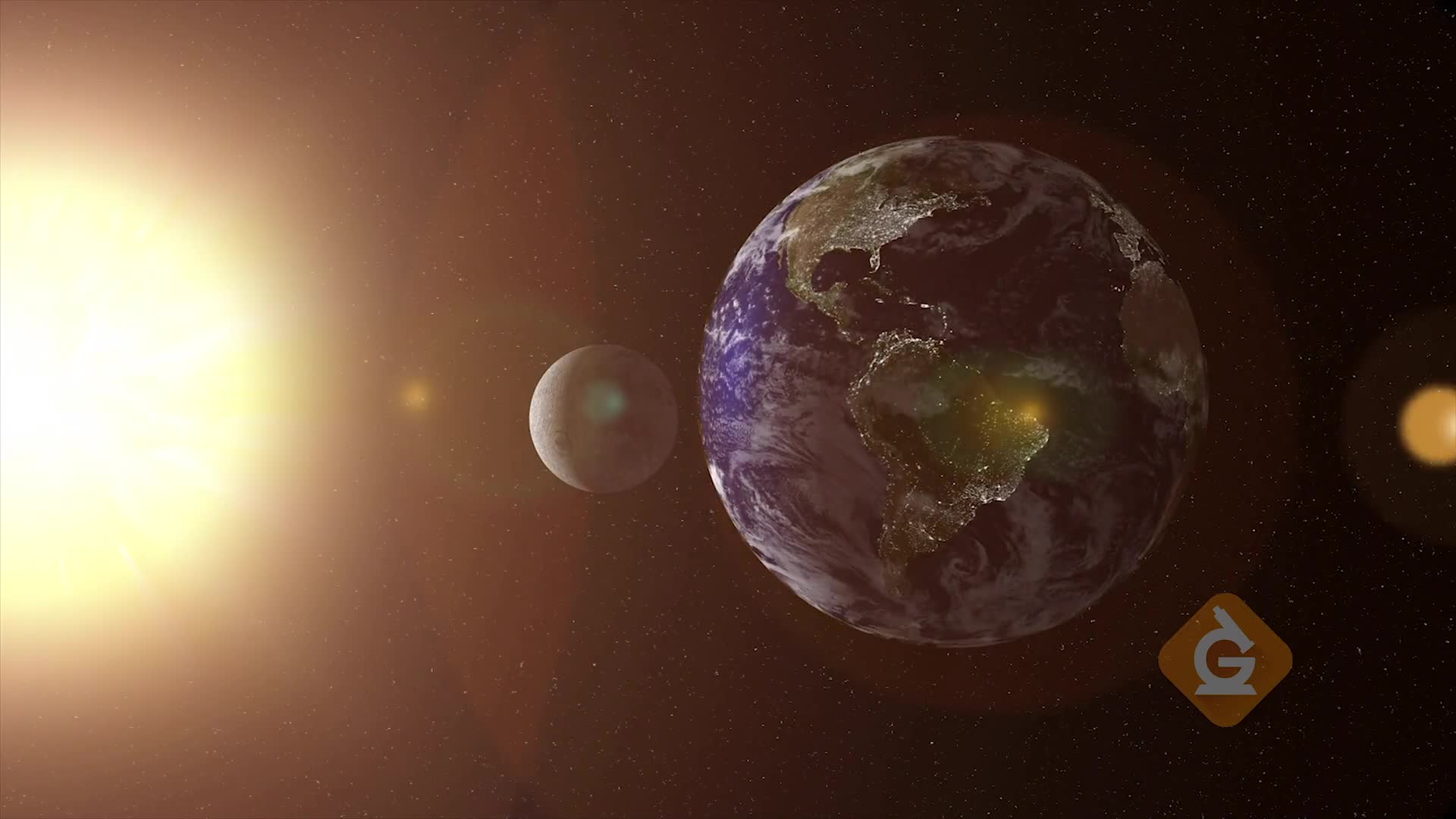
The gravitational force between Earth and the Sun causes ______.
a)
ocean tides
b)
Earth's orbit
c)
Earth's atmosphere
d)
Moon's orbit
33.

The measure of potential energy stored in a battery is called _________.
a)
potentiometer
b)
capacity
c)
voltage
d)
resistance
34.

Pennies can be used to make a battery because they are __________.
a)
conductors
b)
insulators
c)
capacitors
d)
voltage
35.

A compass points north because of the Earth's ________ field?
a)
electrical
b)
gravitational
c)
magnetic
d)
static
36.

What is the area around an object that can attract or repel other objects in that area?
a)
Magnetic Field
b)
Magnetic Fission
c)
Force
d)
Friction
37.

Which type of charge would be attracted to a positively charged object?
a)
Only positive
b)
Only negative
c)
Both
d)
Neither
38.
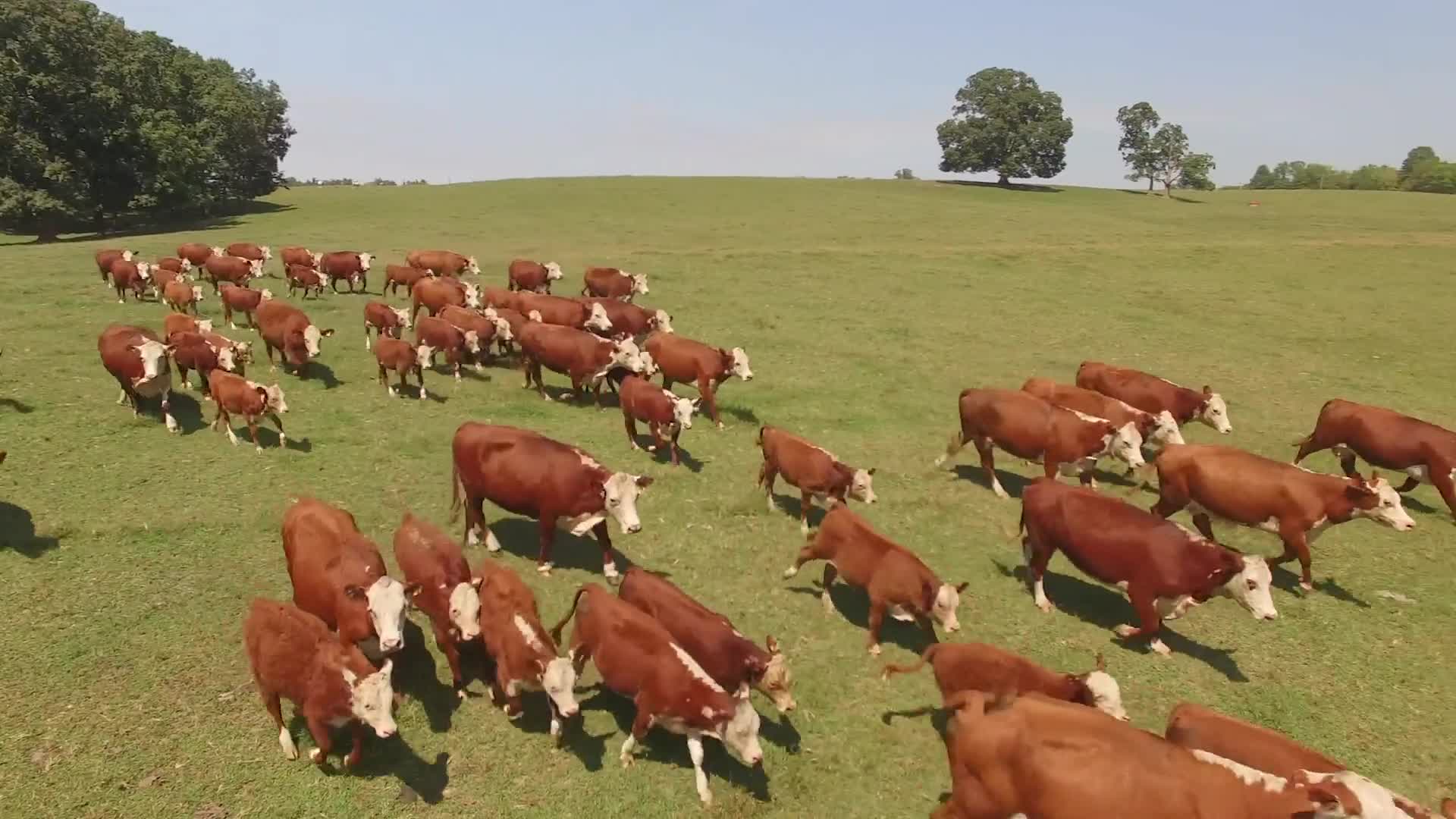
The ____ is made up of all the living things on Earth.
a)
biosphere
b)
geosphere
c)
hydrosphere
d)
atmosphere
39.
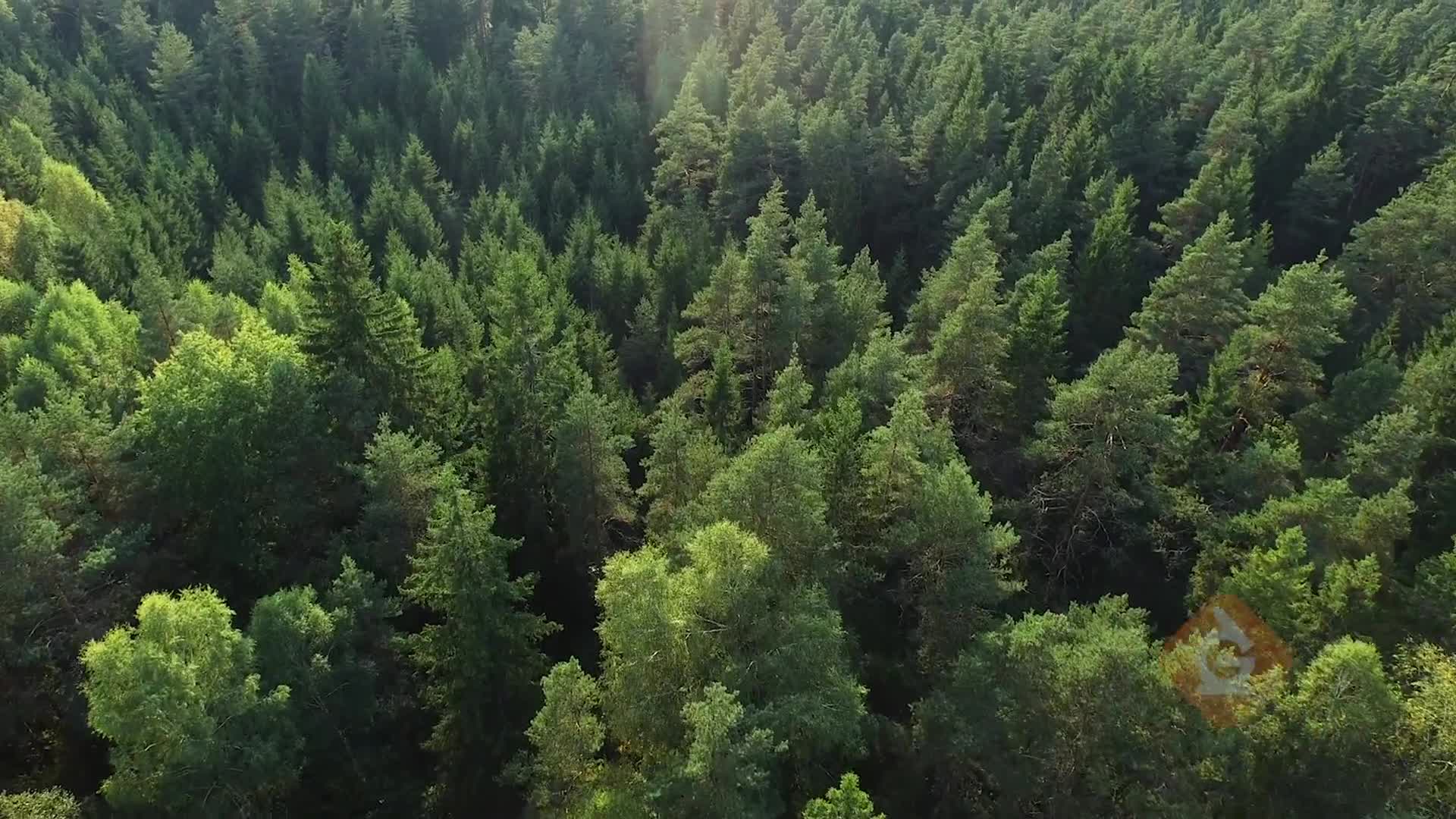
Things that humans use that come from the Earth are called ________.
a)
pollutants
b)
natural resouces
c)
ecosystems
d)
sunlight
40.
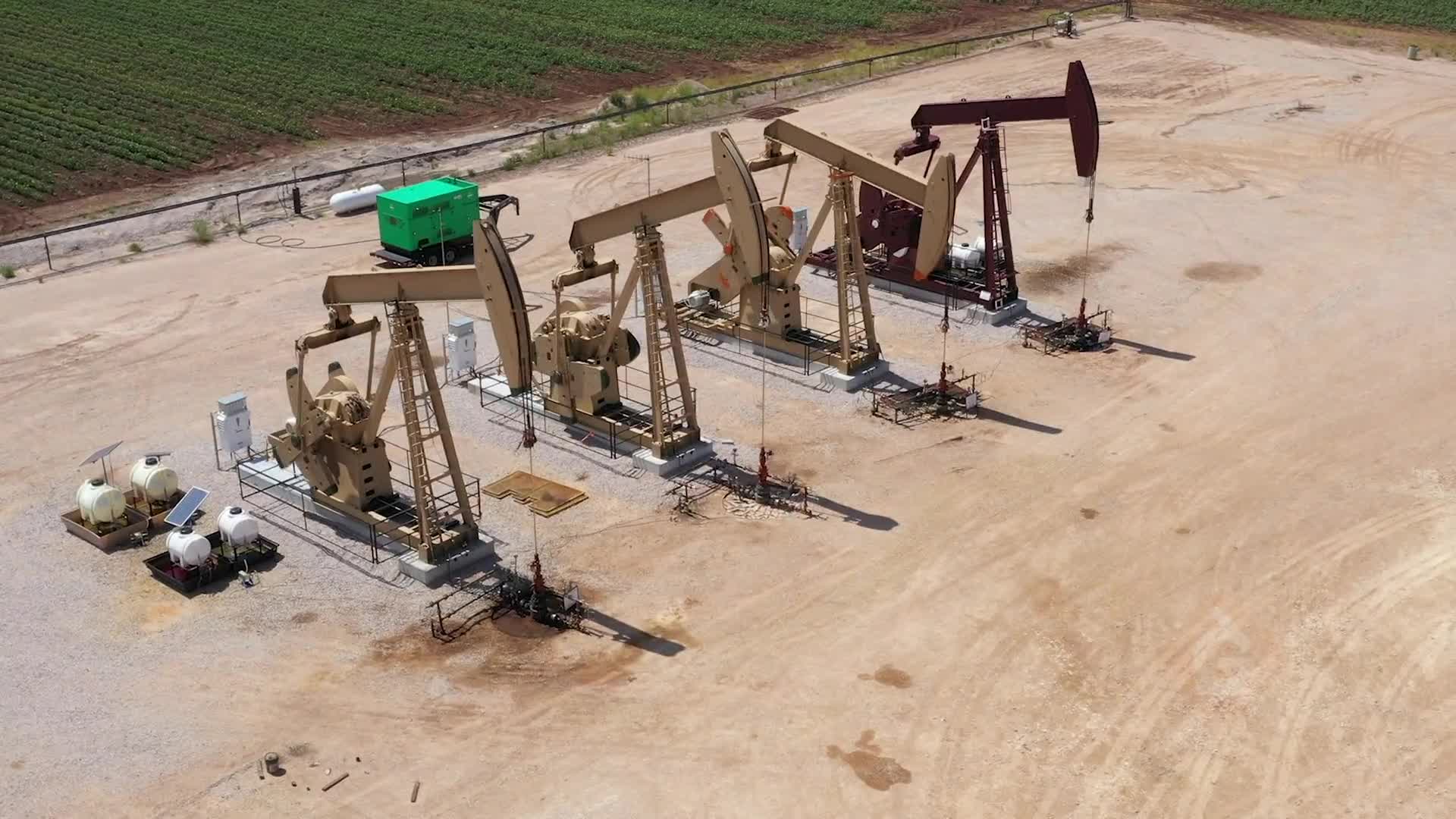
Which of these natural resources do we use for fuel?
a)
Air
b)
Precious metals
c)
Petroleum
d)
Minerals
41.
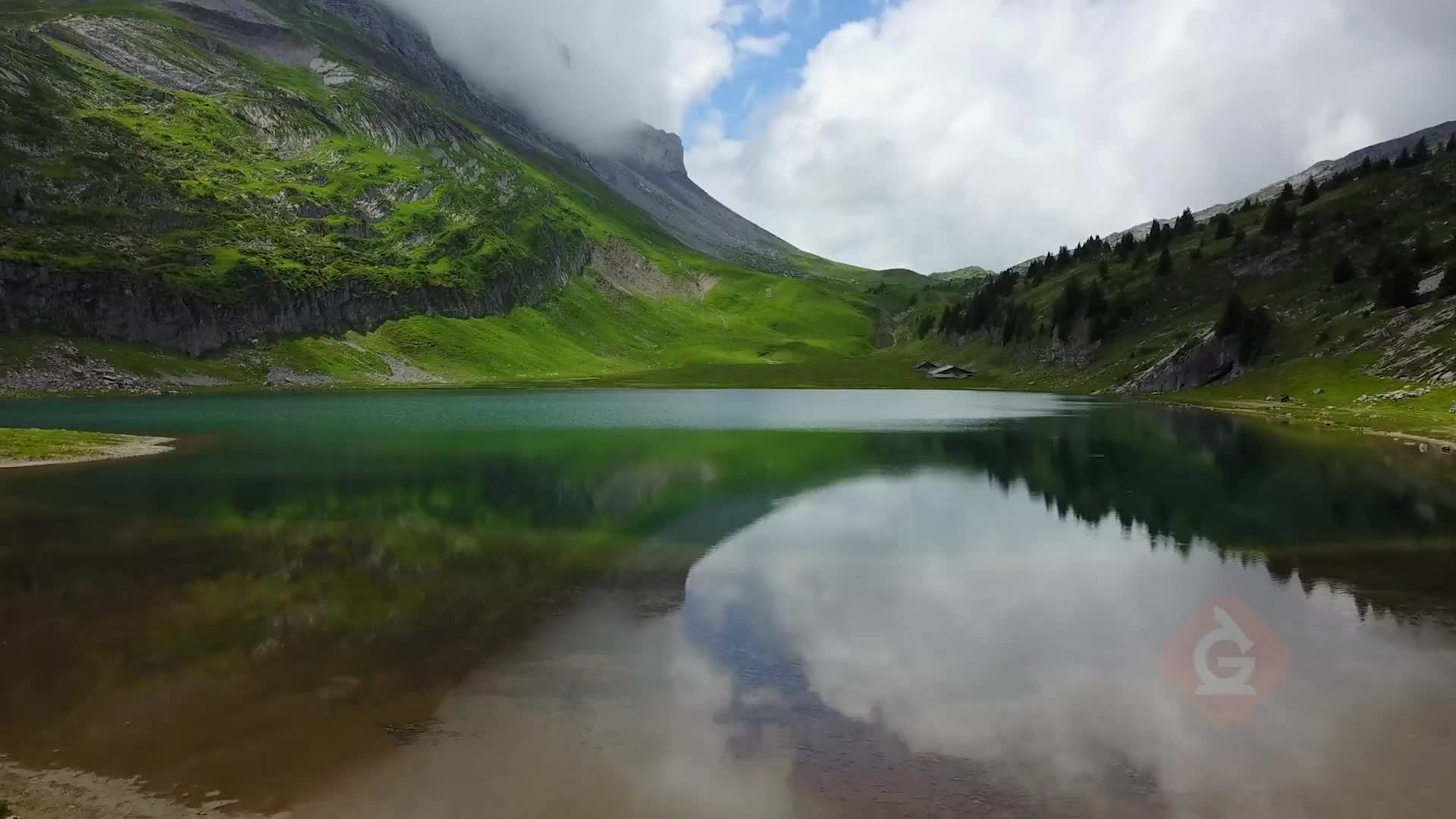
Sunlight, wind, and water are considered ____resources.
a)
renewable
b)
fossil
c)
nonrenewable
d)
nonliving
42.
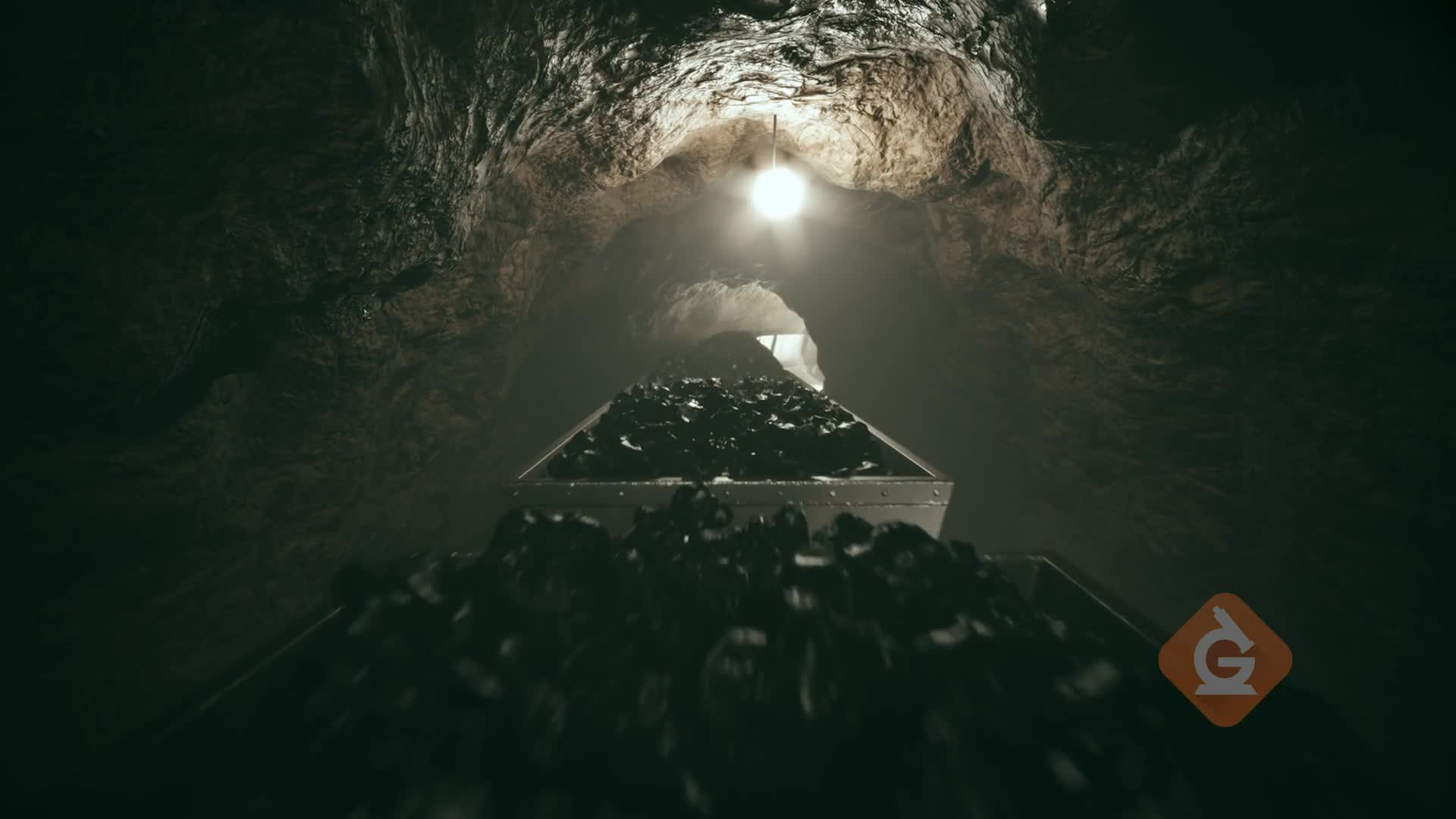
_____ resources are resources that cannot be replenished within a lifetime.
a)
Renewable
b)
Endangered
c)
Nonrenewable
d)
Living
43.
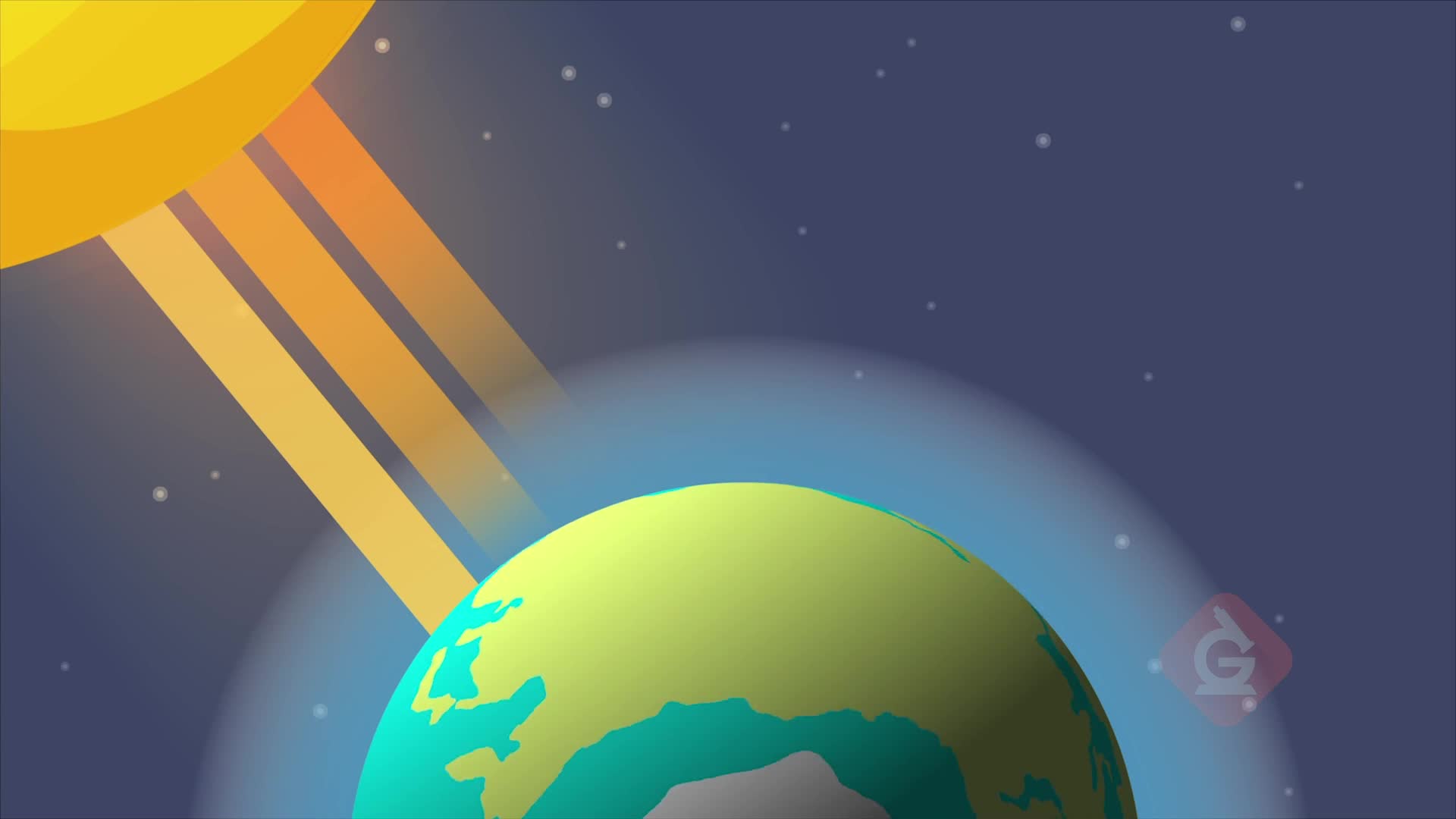
These waves from the sun cause sunburn.
a)
Gamma
b)
Microwaves
c)
Radio
d)
Ultraviolet
44.

A(n) __________ is a pure substance made of only one type of atom.
a)
compound
b)
element
c)
proton
d)
electron
45.

Where are protons found in an atom?
a)
The nucleus
b)
Energy level
c)
The atomic mass
d)
By electrons
46.

The __________ tells you how many protons an element has.
a)
atomic number
b)
atomic mass
c)
energy levels
d)
electrons
47.

An object's motion won't change unless acted on by a _________
a)
spell
b)
force
c)
motion
d)
command
48.

For every action there is ______ and opposite reaction.
a)
an equal
b)
a stronger
c)
a weaker
d)
an exciting
49.

A still object __________ have forces acting upon it.
a)
does
b)
can't
c)
doesn't
d)
will sometimes
50.

This force is caused by objects rubbing together.
a)
Gravity
b)
Air Resistance
c)
Friction
d)
Spinning
51.

Objects in motion tend to stay in motion, while objects at rest, tend to _____________.
a)
stay at rest
b)
roll
c)
start moving
d)
bounce
52.

______________ forces do not affect the movement of an object.
a)
Strong
b)
Weak
c)
Light
d)
Balanced
53.

This force is caused by air and slows things down.
a)
Friction
b)
Air Resistance
c)
Gravity
d)
Pulling
54.

Thermal energy comes from the ______ energy of the atoms and molecules that make up the matter.
a)
Chemical
b)
Electrical
c)
Kinetic
d)
Nuclear
55.

Kinetic energy is the energy of ______.
a)
Motion
b)
Position
c)
Reaction
d)
Sound
56.

What happens to an object as its thermal energy increases?
a)
It heats up.
b)
It cools down.
c)
It doesn't change.
d)
It might freeze.
57.

Atoms have kinetic energy because they are always ______.
a)
exploding
b)
motionless
c)
reacting
d)
vibrating
58.

The transfer of thermal energy from one object to another is called _________.
a)
heat
b)
temperature
c)
radiation
d)
potential
59.

Which is an example of a physical change?
a)
Burning wood
b)
Freezing water
c)
Rust on a car
d)
Cooking food
60.

Which is an example of a chemical change?
a)
Burning wood
b)
Rust on a car
c)
Cooking food
d)
All of the above
61.

If you start a chemical reaction with 5 atoms of helium, how many atoms will you have after?
a)
4 atoms
b)
10 atoms
c)
1 atom
d)
5 atoms
62.

Which of the following help a chemical reaction to happen faster?
a)
Molecule
b)
Atom
c)
Catalyst
d)
Density
63.
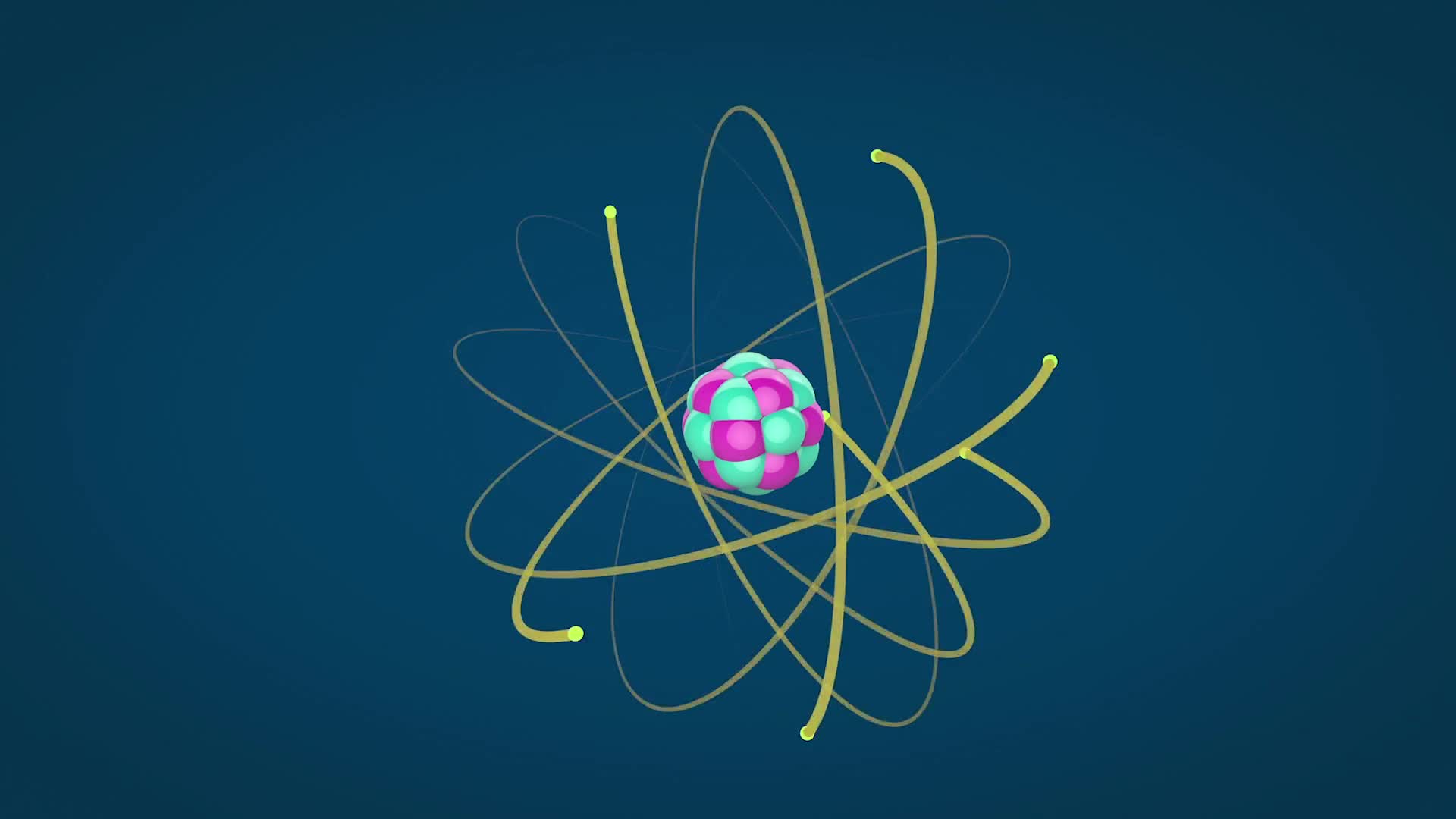
This subatomic particle of an atom has a POSITIVE charge.
a)
electron
b)
neutron
c)
proton
d)
amitron
64.
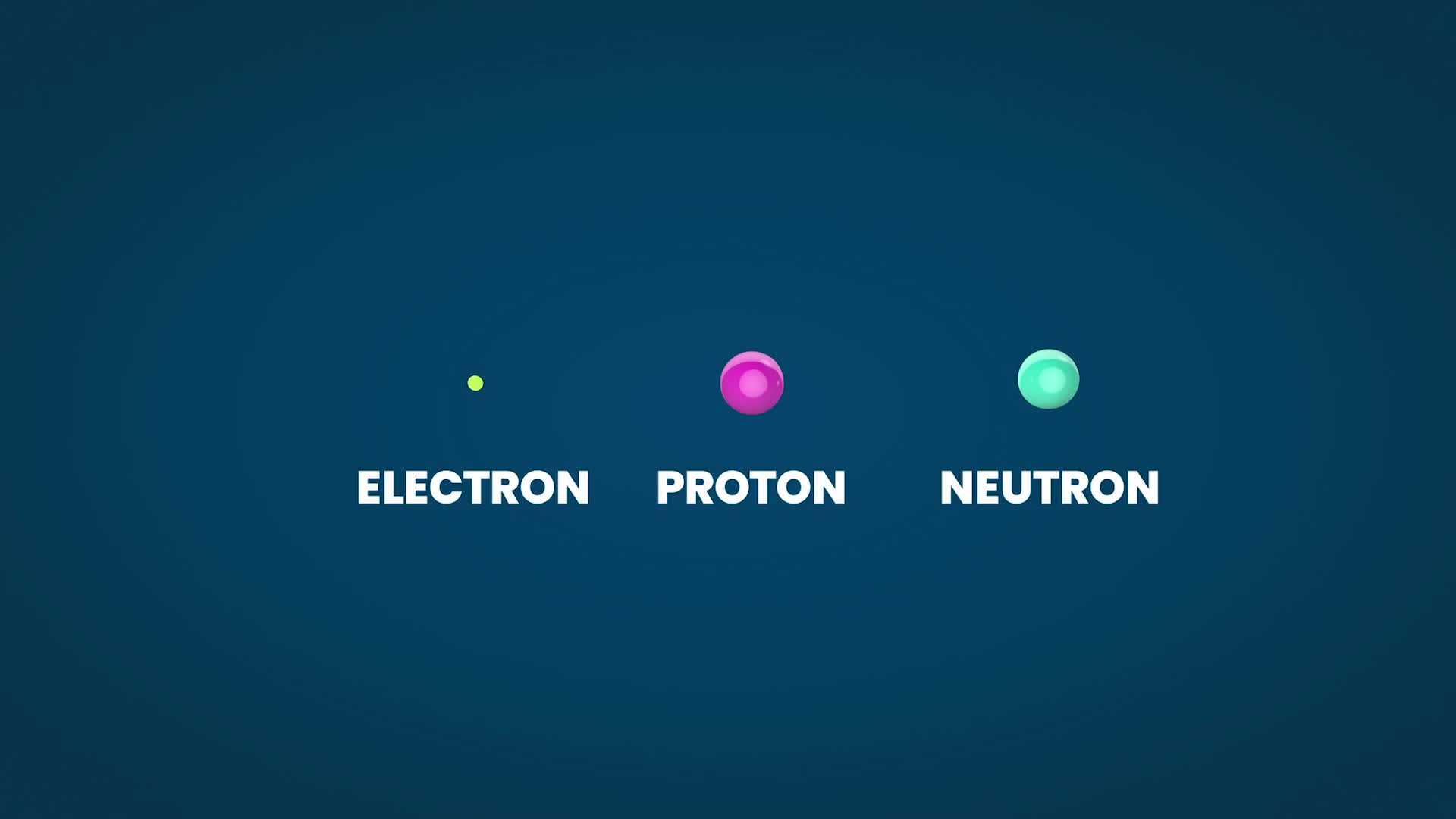
This subatomic particle of an atom has NO charge.
a)
electron
b)
proton
c)
atom
d)
neutron
65.
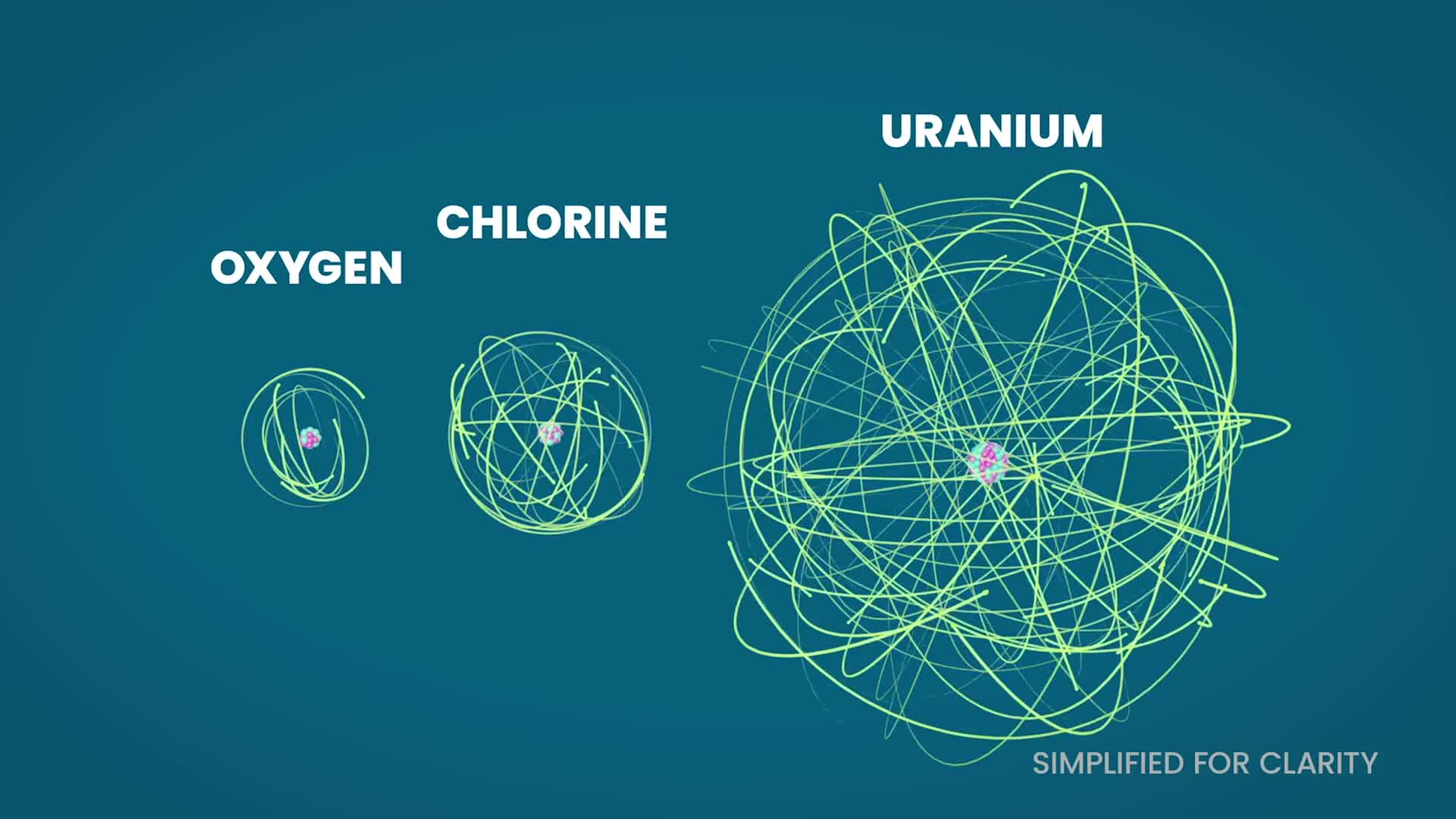
This subatomic particle of an atom has a NEGATIVE charge.
a)
electron
b)
proton
c)
atom
d)
neutron
66.

Environments include both _____ and _____ things.
a)
resources; factors
b)
air; water
c)
living; nonliving
d)
buildings; animals
67.

For populations to continue to survive, some organisms in the population must _________.
a)
grow
b)
reproduce
c)
eat
d)
die
68.

Characteristics such as height, hair color, and eye color are ________ factors.
a)
environmental
b)
ecosystem
c)
population
d)
genetic
69.

Organisms are the ________ things in an ecosystem.
a)
factors
b)
nonliving
c)
resources
d)
living
70.

Air, water, and sunlight are all ________ components of an ecosystem.
a)
factors
b)
nonliving
c)
man-made
d)
living
71.

An invasive species is a plant or animal that is ________ to an ecosystem.
a)
not native
b)
just visiting
c)
beneficial
d)
not friendly
72.

What do scientists call the parts of a cell?
a)
Pieces
b)
Sections
c)
Organelles
d)
None of the above
73.

Which of these is a unicellular organism?
a)
Fish
b)
Worm
c)
Amoeba
d)
Ant
74.

The DNA of a cell is found in the __________.
a)
mitochondria
b)
lysosome
c)
nucleus
d)
vacuole
75.

This organelle is often referred to as the power house of the cell.
a)
Mitochondria
b)
Lysosome
c)
Chloroplast
d)
Vacuole
76.

This organelle is where plants do photosynthesis.
a)
Mitochondria
b)
Lysosome
c)
Chloroplast
d)
Vacuole
77.

________ is the process that plants use to make food.
a)
Respiration
b)
Photosynthesis
c)
Chemical reaction
d)
Carbon dioxide
78.

Plants and animals both use the process of _____ to release stored energy.
a)
photosynthesis
b)
chemical reaction
c)
growth
d)
cellular respiration
79.

Matter cannot be created or ________.
a)
destroyed
b)
moved
c)
seen
d)
eaten
80.

Carbon dioxide and oxygen are both ___ found in the air.
a)
liquids
b)
gases
c)
microorganisms
d)
processes
81.

A _____ is a process in which reactants change into a new product.
a)
chemical reaction
b)
cell process
c)
molecule
d)
mitochondria
82.

The heart pumps blood that carries oxygen all over the body. The oxygen comes from the _________ system.
a)
nervous
b)
respiratory
c)
circulatory
d)
muscular
83.

Tissue is made from ________.
a)
organisms
b)
cells
c)
organs
d)
bones
84.

What does multicellular mean?
a)
One cell
b)
Nonliving
c)
Many cells
d)
Living
85.

Organs work together to make _________.
a)
body tissue
b)
cells
c)
other organs
d)
body systems
86.

Differences in traits are called _________ and explain why siblings don't look exactly alike.
a)
mutations
b)
variations
c)
traits
d)
evolution
87.

_________ are strands of DNA that have been tightly coiled.
a)
Genes
b)
Traits
c)
Chromosomes
d)
DNA
88.

Genetic traits are passed from ________ to ________.
a)
parent; offspring
b)
chromosomes; traits
c)
DNA; genes
d)
offspring; parents
89.

Humans have ____ chromosomes.
a)
57
b)
22
c)
46
d)
100
90.

Plants are considered _________ because they make their own food.
a)
consumers
b)
producers
c)
makers
d)
decomposers
91.

These organisms break down dead things.
a)
Consumers
b)
Producers
c)
Decomposers
d)
Rotters
92.

This is the ultimate source of energy on Earth.
a)
Heat
b)
Fire
c)
Electricity
d)
The sun
93.

A grasshopper that eats the seeds of a plant is considered to be a _____________.
a)
producer
b)
decomposer
c)
consumer
d)
predator
94.
This type of plate boundary is when two plates crash into each other.
a)
Convergent
b)
Transform
c)
Divergent
d)
Subductive
100 %

