
 Worksheets
Quarter 3 Final - Earth's History
Total questions: 48
Worksheet time: 2hrs 24mins
Which type of rock are most fossils found?
sedimentary rock
metamorphic rock
igneous rock
fossils
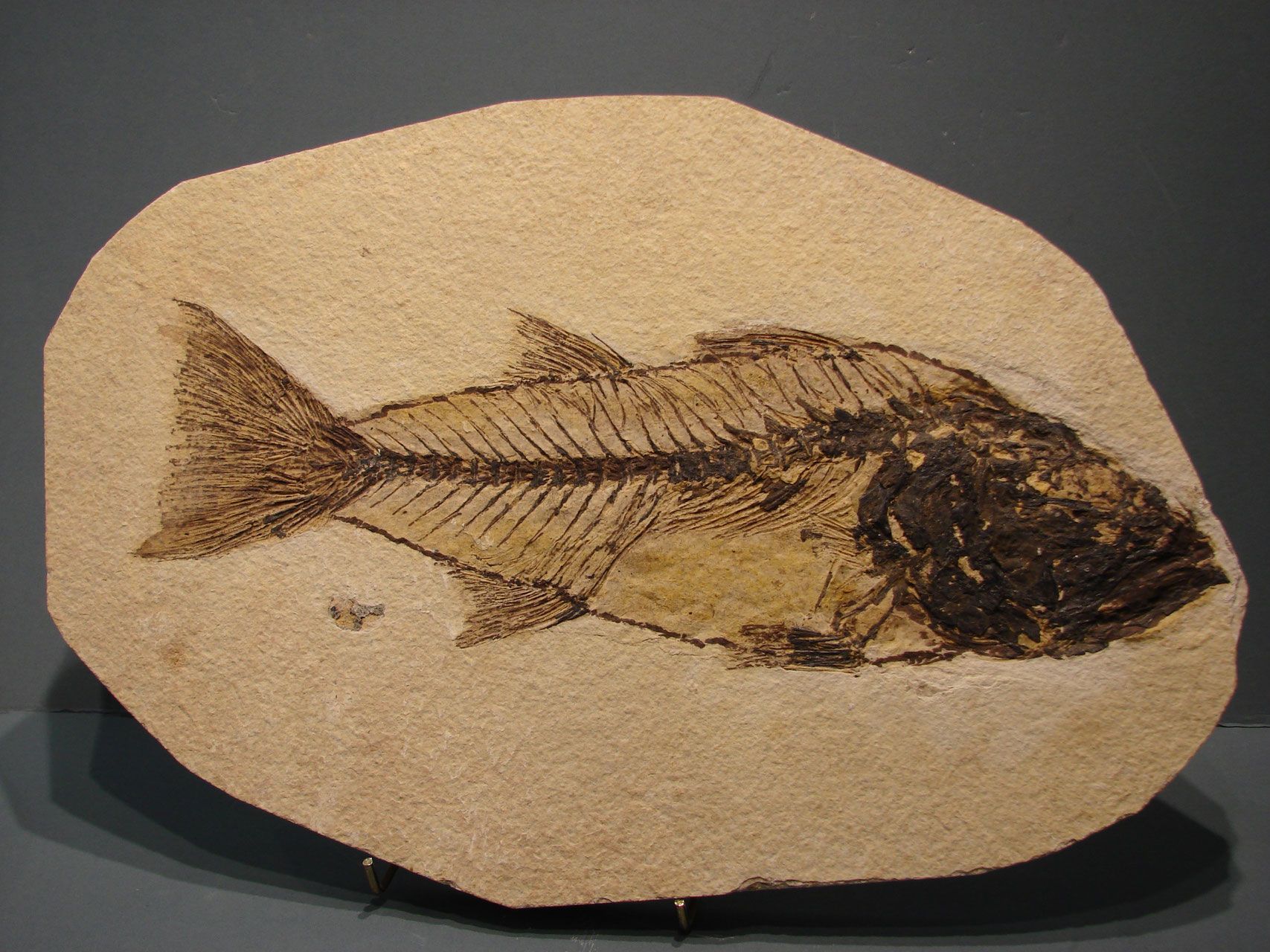
If a scientist found a fish fossil in the desert, what can they infer?
An animal ate the fish.
The water covered the area long ago.
Today's fish looks the same
The fish is endangered.
What needs to happen FIRST for a fossil to form?
A plant or animal must be covered by sediment.
A plant or animal must die and decompose.
Sediments fill a a mold to form a cast.
An earthquake shifts the land up.
What replaces the wood of a once-living thing to form petrified wood?
amber
cast
mold
minerals

What are landforms?
Landforms are how the land changes.
Landforms are natural features of the Earth's surface.
Landforms are cool!

Name this landform that describes the lowest part of the land in the mountains.
valley
hill
island
lake


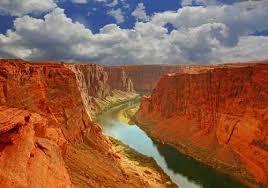
What landform is this?
plain
valley
mountain
canyon

What landform is this?
mountain
canyon
valley
sand dune
Weathering and erosion are a slow process.
True
False

Weathering is the breaking down of rock into ___________.
boulders
sediment
ice
mountains

The dropping off of sediments in a new place is called __________.
weathering
deposition
sedimentary rock
drop off zone

Which of the following is NOT a cause of weathering, erosion, and deposition?
Wind
ice
fire
water

Name this first true Continent:
Africa
Asia
Australia
Antarctica

Name this continent
Africa
Asia
Australia
Antarctica

Name this continent
Africa
Asia
Australia
Antarctica

Name this continent
Africa
Asia
Australia
Antarctica

Name this continent
Europe
North America
South America
Greenland

Name this continent
Europe
North America
South America
Greenland

Name this continent
Europe
North America
South America
Greenland


What type of boundary is shown in the diagram?
Divergent
Convergent
Transform

What type of boundary is shown in the diagram?
Divergent
Convergent
Slide/Transform

What type of boundary is shown in the diagram?
Divergent
Convergent
Slide/Transform


Look at the diagram.
Which fossil is the youngest?
A
B
C
D
Look at the diagram.
Which fossil is the oldest?
A
B
C
D

What was the environment for Layer W like?
A forest
Underwater
A desert
A jungle

What living things were fossilized in Layer N?
Dinosaurs
Monkeys
Fish
Plants
These Rocks are formed from Magma and Lava
Metamorphic
Igneous
Sedimentary
These Rocks are formed from Heat and Pressure
Metamorphic
Igneous
Sedimentary
These Rocks are form from layers of sediment over Millions of years
Metamorphic
Igneous
Sedimentary

This landform is a -
Canyon formed by water.
V shaped valley formed by water.
U shaped valley formed by ice.
U shaped valley formed by water.

This landform is a -
Canyon formed by water.
V shaped valley formed by water.
U shaped valley formed by ice.
U shaped valley formed by water.

What ocean is number 1 on the map?
Pacific
Atlantic
Indian
Southern
Artic
What ocean is number 2 on the map?
Pacific
Atlantic
Indian
Southern
Artic
What ocean is number 3 on the map?
Pacific
Atlantic
Indian
Southern
Artic
What ocean is number 4 on the map?
Pacific
Atlantic
Indian
Southern
Artic
What ocean is number 5 on the map?
Pacific
Atlantic
Indian
Southern
Artic

