
Font size
 Worksheets
WWII Test Review
Total questions: 35
Worksheet time: 18mins
What was America's foreign policy towards the war, before Pearl Harbor happened ?
neutrality
appeasement
aggression
militarism
FDR gave his " Day of Infamy" speech after which event ?
D-Day
Bombing of Pearl Harbor
Bombing of Hiroshima
V.E. Day
Germany was part of which Alliance ?
Axis Powes
Allied Powers
NATO
Warsaw Pact
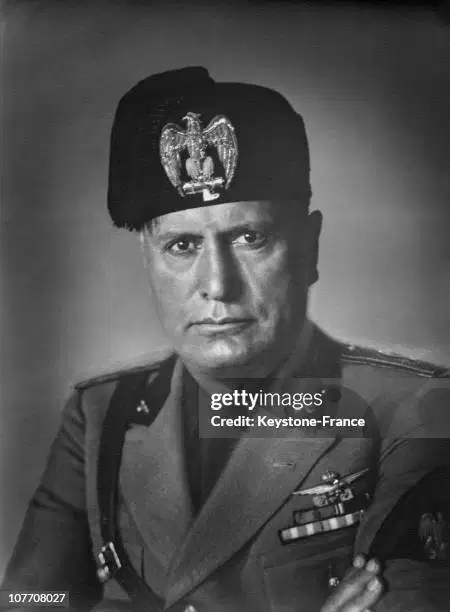
Benito Mussolini was leader of which country ?
Russia
America
Poland
Italy
The Soviet Union was part of which alliance ?
Central Powers
Allied Powers
Axis Powers
NATO

Rosie the Riveter represented -
housewives
civil rights activists
soldiers on the front lines
working women in WWII
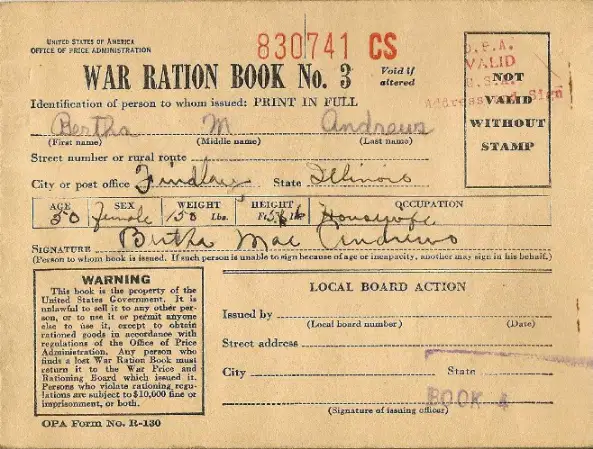
system of limiting goods available to consumers to ensure everyone had enough is called -
reparations
dividing
rationing
enlisting
Which group of Americans living along the West Coast was forced to relocate to internment camps after the attack on Pearl Harbor?
Mexican Americans
African Americans
Japanese Americans
Chinese Americans
Soviet Union
What country was FDR - Franklin D Roosevelt the leader of?
Italy

At first, European leaders gave into Hitler's demands using what type of policy to avoid conflicts -
Policy of aggression
Policy of advancement
Policy of internment
Policy of appeasement

Who was the dictator of the Soviet Union during WWII?
Adolf Hitler
Winston Churchill
Josef Stalin
Franklin Roosevelt

What event led to the start of WWII?
Germany invaded Poland
Germany invaded Austria
Germany formed an alliance with Italy
Germany formed an alliance with Japan

What battle, was the first major victory for the United States in the Pacific. It marked a turning point in the war with Japan.
Battle of Britain
Battle of Iwo Jima
Battle of Midway
Pearl Harbor
Americans did not want to be involved in the war because they had a policy of _______________
Nationalism
Fascism
Neutrality
Isolationism
What was the Lend-Lease Program between the US and Britain?
Great Britain giving the US food and supplies
FDR giving troops to Winston Churchill
The US allowing Britain to borrow all of the military supplies needed
The US allowing Britain to borrow an atomic bomb
Which event caused the United States to declare war on Axis Powers and officially enter WWII?
D-Day
The bombing of the US naval base at Pearl Harbor
The Battle of Bulge
The Lend Lease Program

were a group of primarily African American military pilots (fighter and bomber) and airmen who fought in WWII -
Tuskegee Airmen
Rosie the Riveter
Plane bombers
Codetalkers
June 6, 1944- The U.S invaded the beaches of Normandy, France in order to recapture France and invade Germany from the West.
Battle of Midway
D-Day
Battle of Bulge
Battle of Stalingrad
Truman made the decision to drop two atomic bombs on Japan in which cities? Check all that apply.
Iwo Jima
Hiroshima
Nagasaki
Tokyo

What was the purpose of the Lend-Lease Act that was passed in March of 1941?
It was part of the New Deal
It was to help American farmers get new farming equipment.
It sent American soldiers into Asia & Europe to stop aggressor nations..
It allowed the United States to lend or give ships, planes, tanks, or other equipment to the Allies to use in the war.
Analyze the long-term effects of the Treaty of Versailles on Germany's political landscape leading up to World War II.
It had little to no effect on Germany's politics
It led to economic prosperity in Germany
It created political instability and contributed to the rise of extremism
It strengthened Germany's alliances with neighboring countries
Evaluate the strategic importance of the Battle of Stalingrad in the outcome of World War II.
It was insignificant
It marked a turning point in favor of the Allied powers
It led to a quick end to the war
It had no impact on the war's outcome
is a political philosophy in which total power is given to a dictator
Fascism
Oligarchy
Democracy
Monarchy
American Indians who used their tribal language to send secret communications on the battlefield.
Codetalkers
Tuskgee Airmen
Rosie the Riveter
WASP
The largest naval, air and land operation in history, Final Victory for the Allies in Europe
D Day
VE Day
VJ Day
Fun Day

major campaign in the Pacific Theater of World War II, US Marines took over a strategic air base in Japan
Battle of Iwo Jima
Battle od Stalingrad
Battle of Midway
D Day
What was the impact of World War II on the American home front?
It led to the Great Depression.
It caused a decrease in factory production.
It brought an end to the Great Depression and increased factory production.
It resulted in the segregation of all minority groups.
What was the Holocaust?
A battle between the United States and Japan
The systematic attempt to rid Europe of all Jews and other targeted groups
The invasion of Normandy by Allied forces
The economic depression in Europe after World War I
What was the impact of the atomic bombs dropped on Hiroshima and Nagasaki?
They led to the beginning of World War II.
They forced Japan to surrender, ending World War II.
They resulted in the liberation of concentration camps.
They caused the United States to enter the war.
How did the United States' foreign policy change from the beginning to the end of World War II?
From isolationism to direct involvement
From direct involvement to isolationism
From supporting the Axis Powers to supporting the Allies
From economic aid to military aggression
What was the primary reason for the rise of fascism in Europe after World War I?
Economic prosperity and stability
Political stability and peace
Political instability and economic devastation
Increased international cooperation
Which of these was NOT a fascist dictator during World War II?
Adolf Hitler
Benito Mussolini
Hideki Tojo
Winston Churchill

