
Font size
 Worksheets
Communicable Diseases p. 484-488
Total questions: 20
Worksheet time: 5hrs 46mins

What is the system that removes harmful organisms from the blood and combats pathogens?
Immune system
Digestive system
Respiratory system
Nervous system

Which type of white blood cell helps the body fight pathogens?
Platelet cells
Erythrocyte
Lymphocytes
Plasma cells
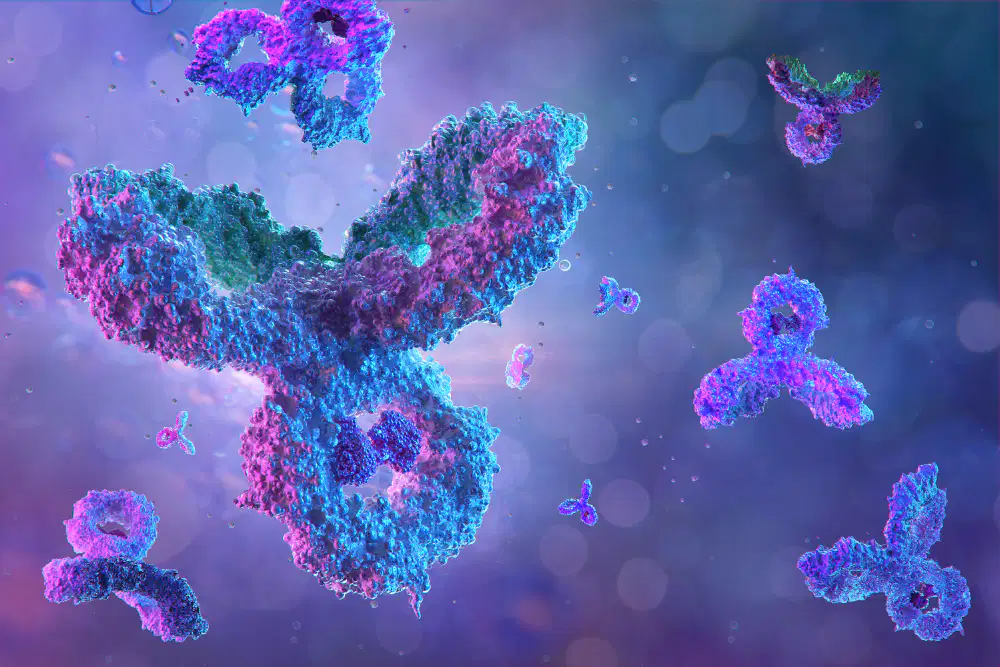
Identify what an antibody is.
a protein produced by the immune system to neutralize pathogen
a white blood cell
a substance containing dead or weakened pathogens that is introduced into the body to give immunity
a single celled microorganism
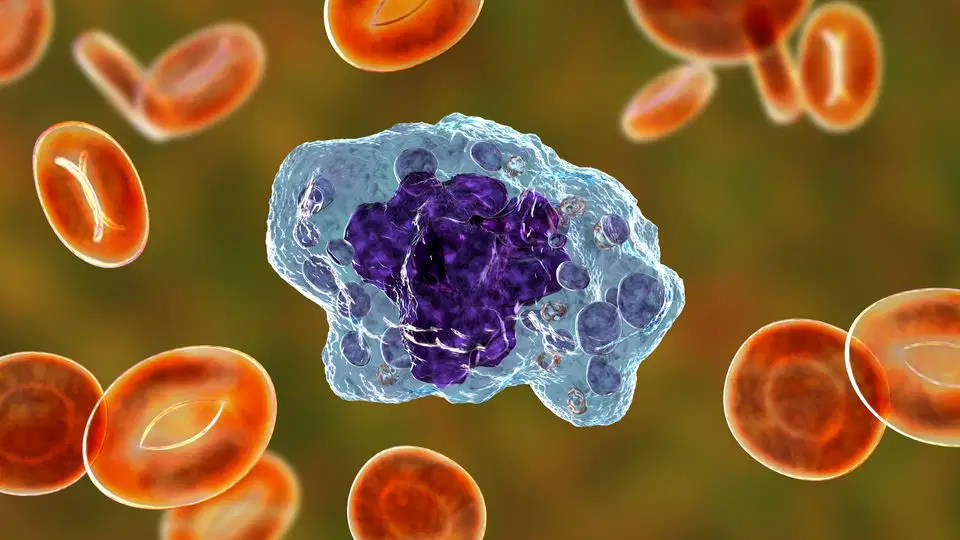
Identify the role of a macrophage in the immune system.
Suppresses immune system
Produces antibodies
Destroys pathogens
Produces toxins that cause diseases

Which of the following is not a type of lymphocyte?
B cell
Helper T cell
Red blood cell
Macrophage
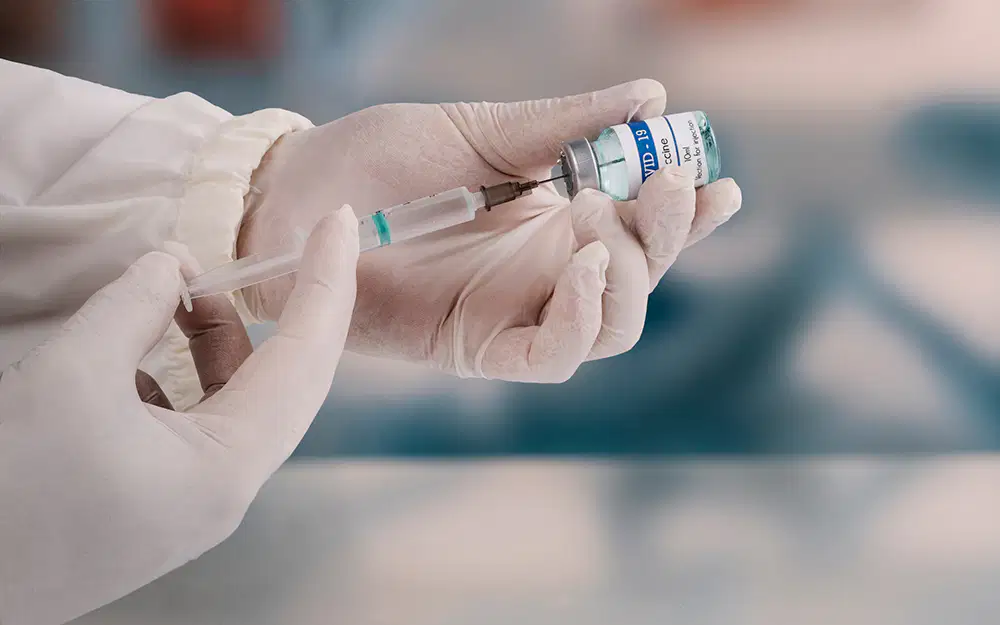
The main difference between active immunity and passive immunity is:
Active immunity involves the body producing its own antibodies after exposure to a pathogen or vaccination, while passive immunity involves receiving pre-made antibodies from another source.
Active immunity is temporary, while passive immunity is permanent.
Active immunity is obtained through injection, while passive immunity is obtained through ingestion of antibodies.
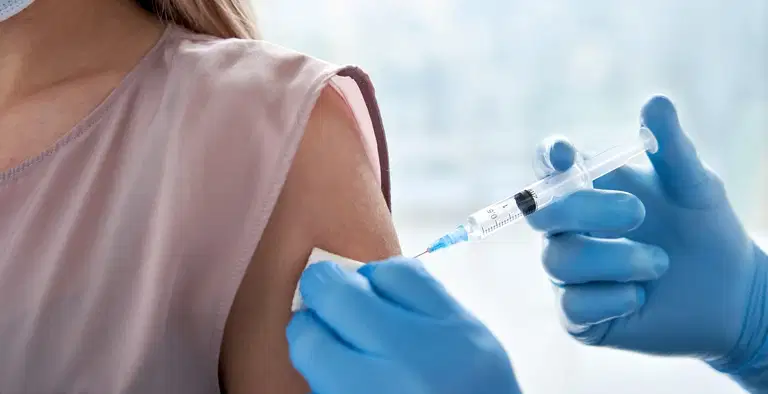
What is a vaccine?
A type of white blood cell
A substance containing live, strong pathogens
A substance containing dead or weakened pathogens
A type of antibody
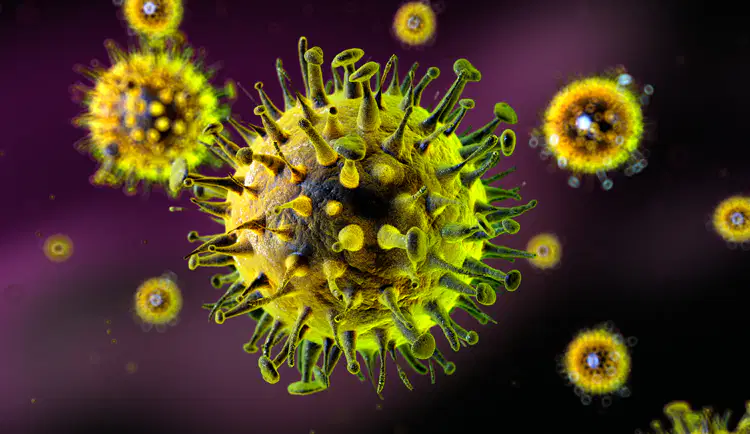
Which statement about viruses is correct?
They are considered living organisms
They can reproduce independently
They require host cells to reproduce
They create their own organelles
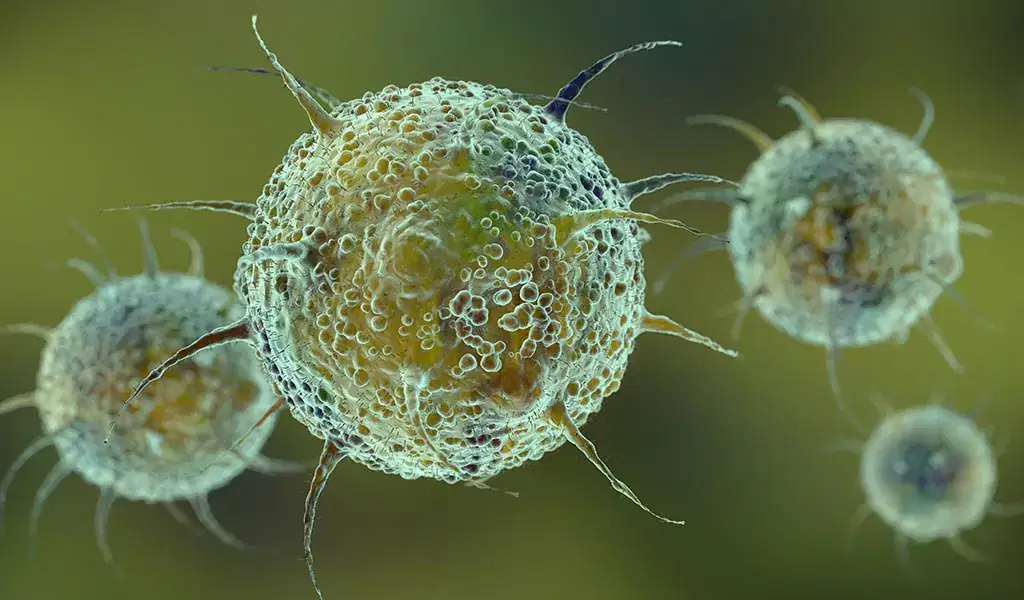
The general term for a germ that causes disease is a (a)

What distinguishes a communicable disease?
It only affects humans
It can spread between living things
It is always fatal
It only occurs once
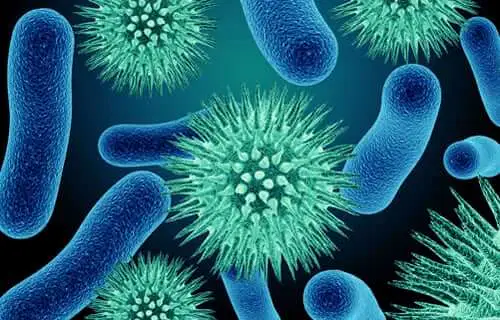
Different types of pathogens causing disease include:
Bacteria, Viruses, Fungi, and Protozoa
Only Bacteria and Viruses
Only Fungi
Only Protozoa
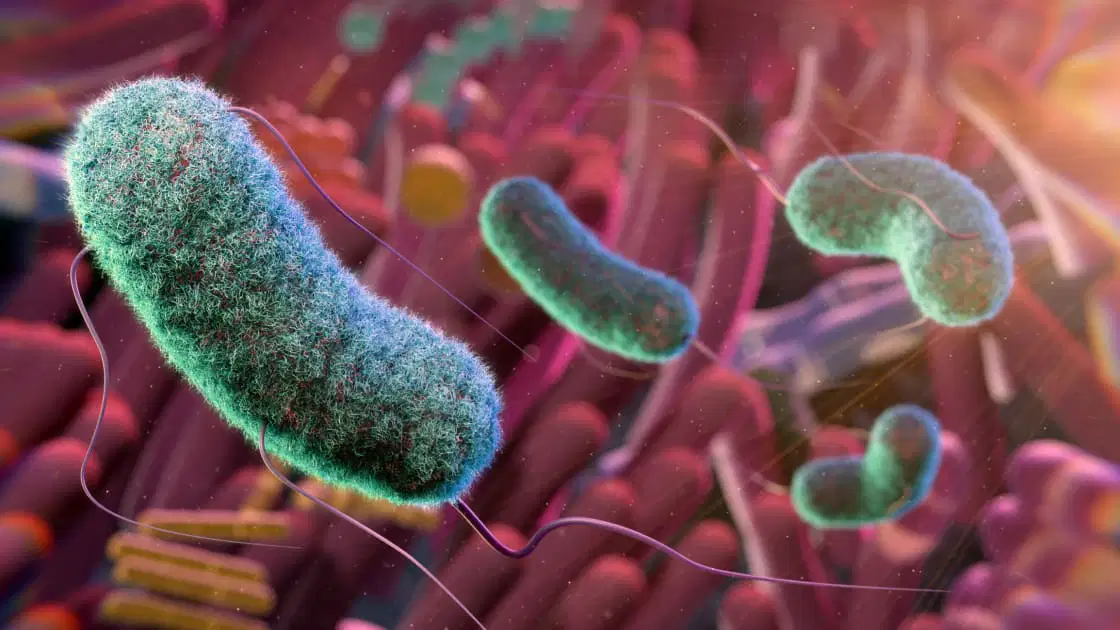
Single celled microorganisms, most of which are beneficial, are (a)
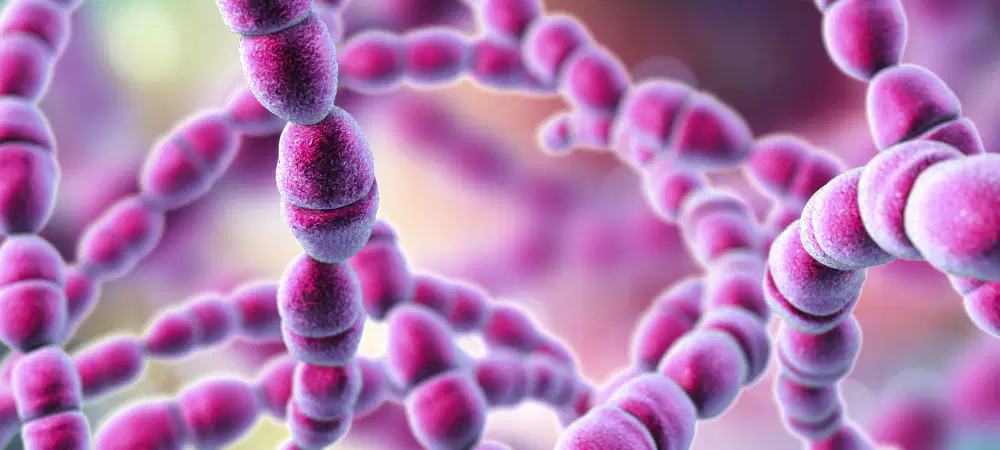
Which disease is caused by bacteria?
Chicken pox
Common cold
HIV
Strep throat
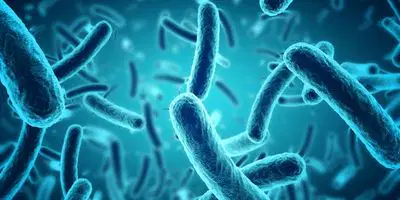
How do bacteria typically cause disease?
By releasing toxins
By taking over host cells
By multiplying in the air
By destroying antibodies

Single or multi-celled parasites are called (a)

Which of the following is a common viral disease?
Tuberculosis
Strep throat
Ringworm
Chicken pox

How fast do viruses spread?
(a)

What is a helminth?
A type of bacteria
A parasitic worm
A type of virus
A single-celled microorganism

How can pathogens be spread?
Undercooked meat
Infected insect/animal bites
Through the air by coughing/sneezing
Direct contact
Hairbrush or razors touched by an infected person

True or False: It is safe to consume raw eggs only in cookie dough
True
False

