
 Worksheets
26108 power point 1 quiz
Total questions: 28
Worksheet time: 22mins
What is one of the objectives of this module regarding raceway systems?
To understand the installation process of raceway systems
To learn about the maintenance of raceway systems
To explore the history of raceway systems
To identify the components of raceway systems
What should you be able to identify after completing this module?
The key concepts of the module
The instructor's name
The module's duration
The number of slides in the module
Raceways: Enclosed channels designed expressly for holding wires, cables, or busbars, with additional functions as permitted in the ____.
Raceways
Conduits
Trunking
Cable trays
Conduit: A round raceway, similar to pipe, that houses ____.
wires or electrical cables
water pipes
gas lines
fiber optics
What is a raceway used for in electrical systems?
To house electrical wiring
To support structures
To conduct water
To insulate buildings.
Fill in the blank: Metal conduit is a circular raceway that can be used as a path to ________.
ground.
insulate.
support.
connect.
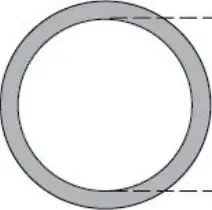
Which of the following can be used as conduit?
EMT
RMC
IMC
All of the above.
What type of fittings are required for EMT since it is too thin for threading?
Setscrew fittings
Compression fittings
Both A and B
None of the above
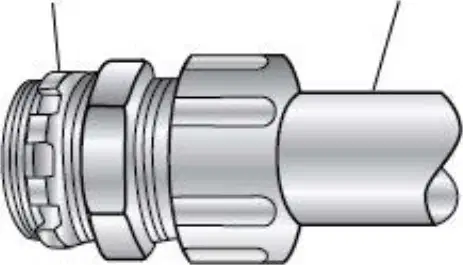
Fittings must be matched to the application because:
they ensure proper function and safety.
they are cheaper than other options.
they are universally compatible.
they are aesthetically pleasing.
Where are compression fittings used?
Dry locations
Wet locations
Both dry and wet locations
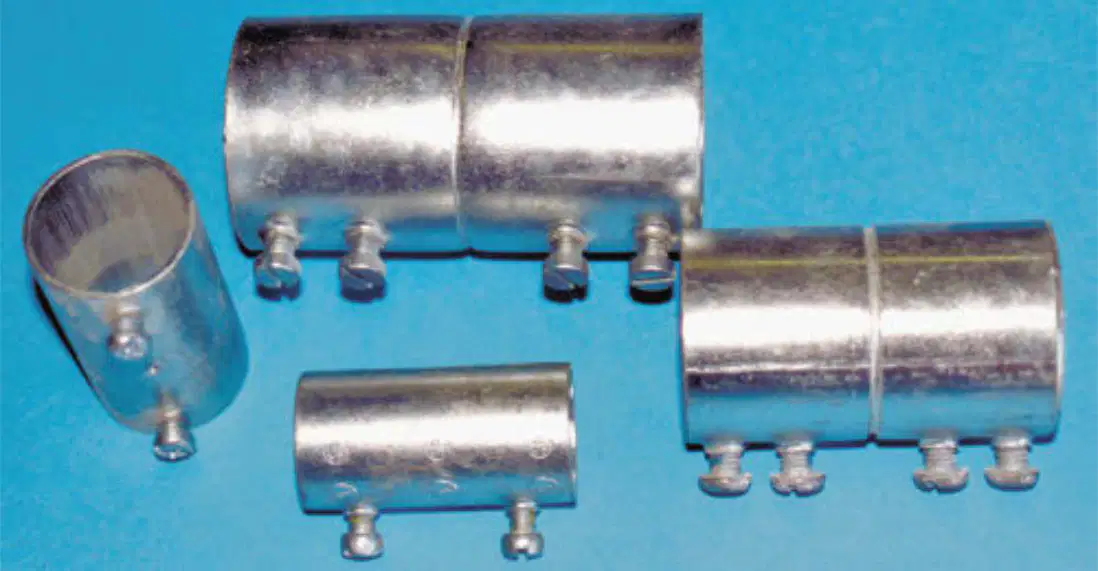
Where are setscrew fittings used?
Wet locations
Dry locations
Both dry and wet locations

What does RMC require for its fittings?
Threaded connections
Welded connections
Soldered connections
Crimped connections

What is one advantage of PVC over metal conduit?
It corrodes easily
It is easier to handle
It is more expensive
It can be used as an equipment grounding conductor
PVC is subject to ______ due to temperature changes.
What are the two types of PVC mentioned?
Type 1 or EB (thin wall) and Type 2 or DB (thick wall)
Type A and Type B
Type X and Type Y
Type 3 and Type 4
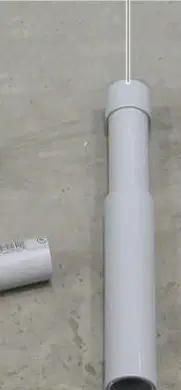
What is the purpose of expansion couplings in PVC fittings?
PVC must be supported within ___ feet of terminations and then every ___ feet to ___ feet, depending on the size of the conduit. Fill in the blanks.
What is Liquidtight flexible nonmetallic conduit (LFNC) resistant to?
Water
Sunlight
Fire
Wind
Fill in the blank: Liquidtight flexible nonmetallic conduit (LFNC) is available in several types for use in ______ locations.
wet
dry
hot
cold
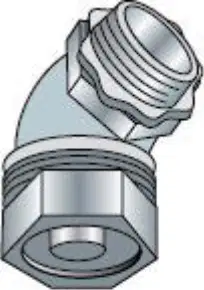
Which of the following is a type of connector used with LFNC?
Straight Connector
45° Connector
90° Connector
All of the above

What is flexible nonmetallic conduit (flex) often used for?
In applications subject to vibration
In applications with high temperature
In applications with high pressure
In applications with low humidity

A flexible conduit connector is used to make a ________ connection.
flex-to-box
flex-to-flex
box-to-box
box-to-flex
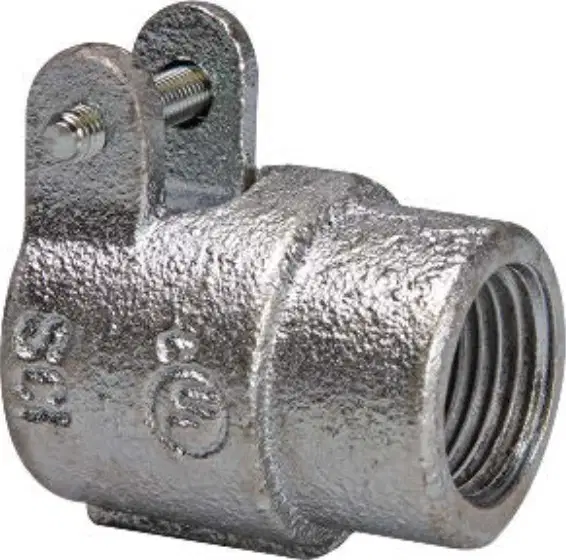
What is a combination coupling used for?
To connect flex to EMT or RMC
To connect wires to a power source
To insulate electrical wires
To support heavy machinery.
Flexible metal conduit is available in both _______ and nonliquidtight types.
liquidtight
rigid
flexible
insulated
Flex must be supported within how many inches of each connection?
6 inches
12 inches
18 inches
24 inches
What is the definition of 'Accessible'?
Able to be reached, as for service or repair.
Difficult to approach or enter.
Impossible to understand.
Not available for use.
What does 'Approved' mean?
Meeting the requirements of an appropriate regulatory agency.
Not meeting any standards.
Being rejected by a regulatory agency.
Pending further review.
Define 'Conduit'.
A round raceway, similar to pipe, that houses conductors.
A type of electrical switch.
A device used to measure current.
A tool for cutting wires.

