
 Worksheets
PBS 3.1
Total questions: 55
Worksheet time: 1hrs 12mins
Pathogen is defined as:
An organism in which another organism lives
The establishment of a disease-causing organism within a host
A disease-causing organism
A disorder of function in an organism that results in symptoms
This non-living infectious agent, which causes the flu, cannot replicate on its own & infects healthy cells as hosts.
Prions
Viruses
Bacteria
Fungi
Helminths
This living infectious agent, also known as worms, is acquired through consumption of contaminated food or water and often causes rapid weight loss.
Prions
Viruses
Bacteria
Fungi
Helminths
This non-living infectious protein causes normal brain proteins to fold abnormally, leading to neurological symptoms (confusion, hallucinations).
Prions
Viruses
Bacteria
Fungi
Helminths
This living, animal-like infectious agent thrives in the digestive tract of a host, depriving the host of nutrients from food and can sometimes be treated with antiprotozoal medication.
Prions
Viruses
Bacteria
Fungi
Protists
This common living infectious agent, which cause tuberculosis (TB), can be acquired in a variety of ways and can be treated with antibiotics.
Prions
Viruses
Bacteria
Fungi
Protists
This living, multicellular infectious agent, which causes athlete's foot, includes mildews, molds, and mushrooms.
Prions
Viruses
Bacteria
Fungi
Protists
An infected individual hugs an uninfected individual, depositing the pathogen on the new person. This form of disease transmission is an example of:
Direct Contact
Indirect Contact
Droplet Transmission
Vector Transmission
An infected individual pays at the grocery store with infected cash, spreading the pathogen to the cashier. This form of disease transmission is an example of:
Direct Contact
Indirect Contact
Droplet Transmission
Vector Transmission
West Nile Virus is spread through in intermediate insect that carries the pathogen: mosquitos. This form of disease transmission is an example of:
Direct Contact
Indirect Contact
Droplet Transmission
Vector Transmission
When infectious pathogens enters the body, white blood cells (B-cells), produce THESE molecules to attack or impair the pathogens:
Antigens
Antibodies
Toxins
Vaccines
The cause of a disease or condition is called
etiology
exposure
mycobacter
treatment

The shape of this bacteria
bacillus
coccus
sprillum

This bacteria is gram
positive
negative
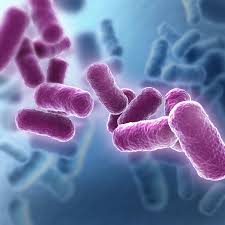
What is a bacterial colony?
solidifying gel-like agent used for growth media
a technique used to thin out bacterial growth
a visible clump of bacterial growth on an agar plate separate from other areas of growth
a population of microorganisms grown under well-defined conditions
__________ are disease detectives.
CEOs
Reporters
Epidemiologists
Infants
The branch of medical science that deals with causes and control of health problems in the population is called:
Pathology
Epidemiology
Entomology
Histology
Pathogen is defined as:
An organism in which another organism lives
The establishment of a disease-causing organism within a host
A disease-causing organism
A disorder of function in an organism that results in symptoms
When infectious pathogens enters the body, white blood cells (B-cells), produce THESE molecules to attack or impair the pathogens:
Antigens
Antibodies
Toxins
Vaccines
agar side up (upside down)
agar side down (rightside up)

Identify the shape of bacteria
cocci
bacillus
sprilla
vibrio
The First Word in a bacterial name is the:
Species
Type
Shape
Genus
The second word in a bacterial name is the:
Genus
Shape
Color
Species
The branch of medical science that deals with causes and control of health problems in the population is called:
Pathology
Epidemiology
Entomology
Histology
True of False: All microbes cause disease.
True
False
A sudden occurrence of disease in a localized area would be a(n) ____.
outbreak
endemic
pandemic
All of the others.

Which of the following is found on the surface of pathogens causing an immune response
Antibody
Antigen-binding site
Prostaglandin
Antigen
Specialized proteins that attach to specific antigens
Innate Immunity
Antigen
Antibodies
Leukocytes
What does a high R-0 for a disease-causing agent mean?
The disease is more contagious (spreads quicker)
The disease is less contagious (spreads slower)
The R0 for a new virus was measured to be 1.5. What does this mean?
1.5% of the population needs to be vaccinated
98.5% of the population needs to be vaccinated
One infected person will infect, on average, 1.5 people
One infected person will infect less than 1.5 people
Which type of bacteria has a thinner cell wall but two membranes?
Gram positive
Gram negative
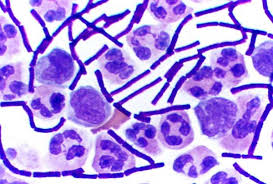
These bacteria are
gram positive
gram negative
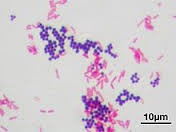
These bacteria are:
both gram positive and gram negative
gram positive
gram negative
Colony morphology involves all of the following traits/characteristics except ...
form
elevation
margins
cell shape
A bacterial population derived from one bacterial cell is called a
colony
township
nation
island
Why is it important that the Petri plates are incubated upside down?
To get dense colonies
To get mat culture
To get colonies with reduced growth
To prevent moisture from condensing onto the agar surface
A disease perpetually present in a community or population within a specific geographic area.
Outbreak
Endemic
Pandemic
An epidemic that has spread across several countries or continents and affects a large number of people.
Pandemic
Outbreak
Endemic
An infection acquired in a hospital; also known as a hospital-acquired infection or HAI.
Virus
Nosocomial
Bacteria
The establishment of a disease-causing microorganism within a host
Host
Disease
Infection
pathogens
What is a bacterial colony?
solidifying gel-like agent used for growth media
a technique used to thin out bacterial growth
a visible clump of bacterial growth on an agar plate separate from other areas of growth
a population of microorganisms grown under well-defined conditions
A type of bacteria belongs to the species epidermis and the genus staphylococcus. What is the correctly written scientific name for the bacteria?
Staphylococcus epidermis
Epidermis staphylococcus
Epidermis staphylococcus
Staphylococcus epidermis

In aseptic technique, when should lab bench tops be cleaned with disinfectant solution?
What is the goal of aseptic techniques?
To prevent contamination of the worker and other people only
To prevent contamination of the environment only
To prevent contamination of the worker, other people, and the environment
What is the first thing you should do in aseptic technique?
What is the last thing you should do in aseptic technique?

What is the inoculation loop used for?
Nutrients for bacteria
Sterilising equipment
Collecting/spreading bacteria
Stopping contamination
True of False: If the coarse and fine focus knobs are not turning, you should force them to turn.
True
False
Which objective lens should you start on to locate an image?
scanning power
low power
high power

