
 Worksheets
G4-Topic8-Lessons 1 and 2- Human body Systems
Total questions: 70
Worksheet time: 51mins
How does cartilage interact with bones in the human body?
It is attached to bones and prevent movement
It acts as a cushion between bones
It delivers oxygen to bones and muscles.
The muscles attached to bones by ………………………
red blood cells
vessels
The ……………………………. system takes in oxygen and gets rid of carbon dioxide and waste materials.
skeletal
muscular
Air passes from the nose to the ………………………. then to the lungs.
heart
diaphragm
Adult body has ……………………. bones, which make up skeletal system.
Muscles always work in ……………………….
alone
groups
pairs
The ……………………. Is the smallest basic unit of the body.
organ
cell
organ system
All are the organs are from the circulatory system except ………………………………….
lungs
heart
blood
blood vessles
Your body has about of 10 billion ……………………….. which are tiny blood vessels which deliver the blood to all parts of the body.
blood capillaries
Arteries are blood vessels which carry the blood ………………… from the heart.
away
back
What is found inside the lungs?
millions of air sacs
undigested food
damaged skin
During exercise your heart rate will……………………………
increase
decrease
not change
during rest or sleep your heart rate will …………………………….
increase
decrease
not change
The....................... protects the heart and the lungs.
ribs
backbone
skull
Trachea, and tiny air sacs are from the .................................... system.
which kind of muscles found in internal organs like stomach?
which kind of muscle makes the heart?
which kind of muscle makes the heart?
which kind of muscle works with leg bones to help in movement?
which blood vessel carries deoxygenated blood to the heart?
blood cappillaries
artery
vein
which blood vessel carries oxygenated blood away from the heart to the tissues?
artery
vein
blood capillaries
which organ pumps blood to tissues and all organs?
heart
lung
diaphragm
eye
……………………………. is known as wind pipe.
epidermis
dermis
skin
The outer thin layer of skin is called …………………………..
diaphragm
The muscle located below the lungs to allow the lungs to expand is called ………………………….
epidermis
…………………………is the largest organ in your body.
first organ at which air enters the body is......................................
nose
trachea
lungs
second organ at which air enters the body is......................................
trachea
lungs
nose
third organ at which air enters the body is......................................
lung
nose
trachea
They work together so that our body can move.
Muscles
Bones
Heart
Lungs
Kidneys
Function means…
A job
No work
Structure
It is made up of a group of organs that do a particular job.
Cell
Tissue
Organ
Organ system
Arteries carry...
deoxygenated blood to the heart
oxygenated blood away from the heart
Cells in the body need a steady supply of _________ to function properly.
carbon dioxide
oxygen
nitrogen
_____________ are the main organs of the respiratory system.
lungs
heart
tissues
Your pulse is your ______, or how many times a minute your heart beats.
heart rate
lungs rate
oxygen rate
This is the organ that pumps blood through blood vessels.
Heart
Lungs
Kidneys
Trachea
This is the most important muscle in the body.
Heart
Tongue
Lungs
Bicep

Arteries carry blood with oxygen away from the heart.
True
False

Veins carry blood with carbon dioxide back to the heart.
False
True
The job of the heart is to . . .
pump blood around the body.
send food to the small intestines.
break down food.
give energy to the body.
Your lungs are ___________ air
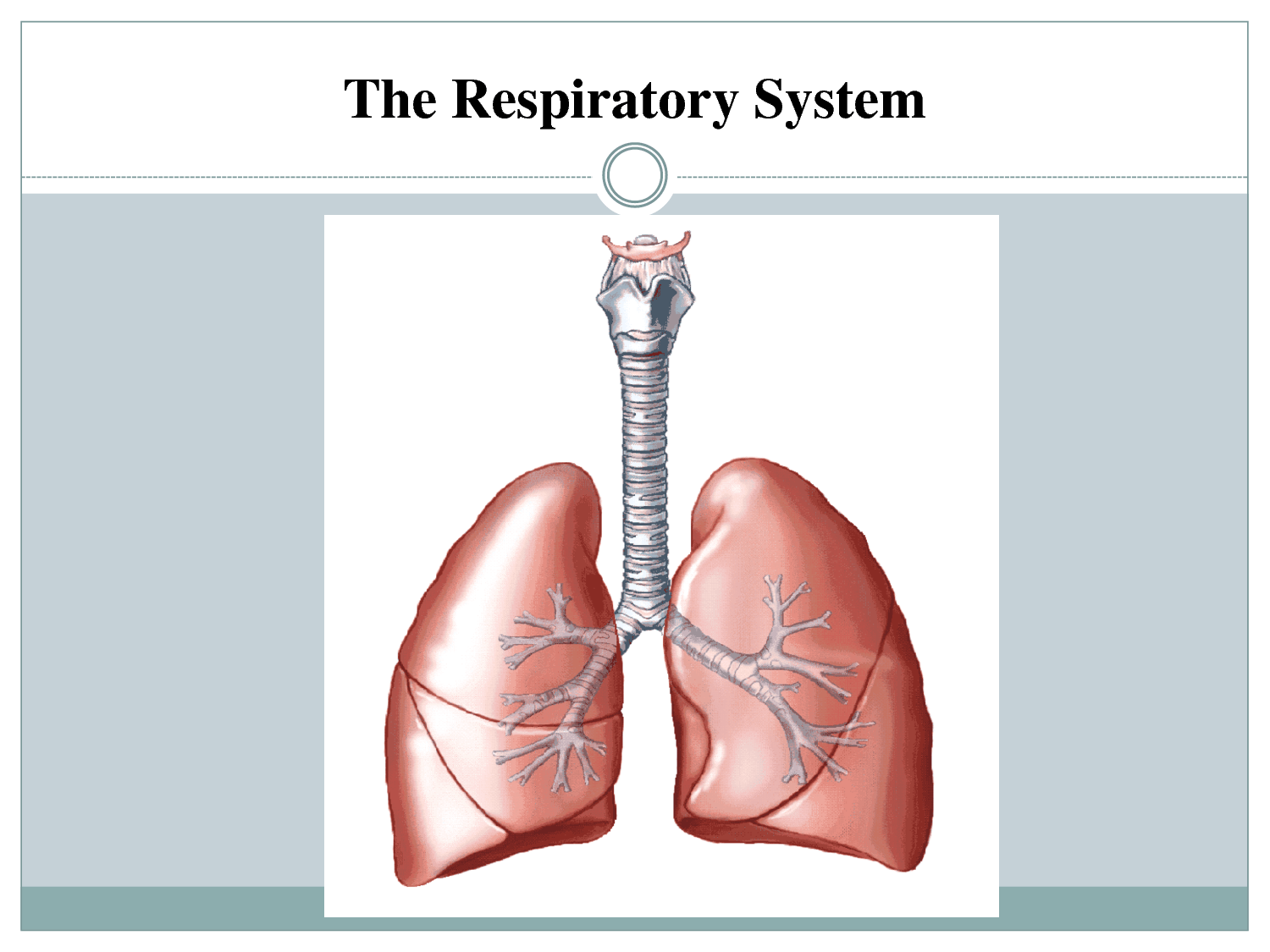
What is the main function of the respiratory system?
to give oxygen and get rid of carbon dioxide for the body
to break down food and absorb nutrients

What is the main organ of our circulatory system?
heart
lungs
skin
liver


The brain is a muscular organ that pumps blood throughout your body.
True
False
Which of the following are blood vessels?
Choose 2 answers.
Lungs
Arteries
Veins
Skull
The tiny blood vessels are called
arteries
veins
capilleries
What is a function of the skeletal system?
protection
body shape and structure
movement
All of the functions listed.
The skeletal and muscular system work together to help the body
fall asleep
move
digest food
pump blood
What body organ keeps Brenda cool while she plays basketball?
skin
lungs
heart
bones
Brenda uses a lot of energy playing basketball. Which two organs
get oxygen to Brenda’s cells so that she can continue to play in
the game?
muscles
heart
lungs
bones

Based on the picture, which sentence correctly explains how bones and muscles work together to lift the ball?
Bones contract the arm while muscles support it.
Both bones and muscles relax to help the arm lift the ball.
Both bones and muscles contract to help the arm lift the ball.
Muscles contract the arm while bones support it.

Bones contract the arm while muscles support it. How does cartilage interact with bones in the human
body? Choose the two correct answers.
It allows joints, such as elbows and knees, to bend.
It is attached to bones and causes movement.
It acts as a cushion between bones.
It delivers oxygen to bones and muscles.
Which two options describe the skeletal muscles?
attached to bones with tendons
found in body organs
helps move food through the small intestine
works with leg muscles to aid in walking
Which two options describe the smooth muscles?
attached to bones with tendons
found in internal body organs
helps move food (stomach)
works with leg muscles to aid in walking
an adult boy has ___ bones that make up the skeletal system.
178
206
329
301
The bones in your body would not be able to move without ____.
skin
muscles
cells
organs
What do the bones in the body make up?
Digestive System
Skeletal System
Circulatory System
Muscular System
Tough, rope-like tissues that attach muscles to bones
tendons
veins
arteries
organs
What are bones made up of?
tissues
blood
minerals
skin
What is the largest organ of your body?
Stomach
Skin
Intestines
Heart
What is the thin outer layer of your skin?
Epidermis
Hair
Fat
Blood Vessels
What does the heart deliver to your muscles?
Veins
Water
Oxygen
Capillaries
the biceps and the triceps muscles are found in your....................................................
arm
stomach
leg
brain

