
 Worksheets
Chemical Reactions - MP 4 Quiz 1 Review
Total questions: 50
Worksheet time: 2hrs 40mins
Where did Dr. Yung (the chemist near Westfield) find the reddish-brown substance when she examined all the possible sources?
coming from the pipes into the houses
in the wells where the water comes from
in the ponds nearby the town
in all water everywhere in Westfield
When examining the following evidence, which is the best evidence we should use?
ugly color, solid
white, small pieces
white, small, grainy, crystals
Consider the following substance descriptions. Does the evidence support that they are the same substances?
Substance 1: white, small, grainy, crystals
Substance 2: black, fine powder.
YES
NO

Are these two samples the same substance?
They are the same substances because they are both white powders.
They are the same substances because they both have similar atomic structures.
They are different substances because they have different atoms making them up.
They are the same because they both have the same number of atoms.
Select the FALSE definition for "Repeating groups of atoms"
Repeating atoms are atoms that replicate themself.
Repeating groups of atoms are substances made of the same group of atoms repeated over and over.
Molecules are groups of atoms that form specific groups that are each separate and can range in size from two atoms to thousands of atoms.
Extended structures are substances that in solid phase are made of many atoms or many groups of atoms that connect to form a large structures called crystals.
Why do different substances have different properties?
They are made of different groups of atoms.
They look different.
The same atoms can change their properties when needed.
There are different numbers of the repeating atom groups.
What is the reddish-brown substance in the water of Westfield?
Select the BEST answer.
The reddish-brown substance is the same as the substance that makes up the pipes.
The reddish-brown substance is the same substance as the fertilizer.
The reddish-brown substance is different from both the fertilizer and the pipes.
The reddish-brown substance is iron oxide or rust.
The tiny pieces that all matter--all the stuff in the world--is made of ...
atoms
protons
molecules
electrons
The temperature at which a substance changes from the liquid phase to the gas phase...
freezing point
melting point
boiling point
high temperature
A structure formed by repeating groups of atoms that link together in a large network...
extended structure
atoms
molecules
proteins
The temperature at which a substance changes from the solid phase to the liquid phase....
boiling point
meling point
liquid point
condensation point
An object, diagram, or computer program that helps us understand something by making it simpler or easier to see...
model
atom
simulator
experiment
A group of atoms joined together in a particular way...
molecule
atom
extended structure
property
Something that can be observed about a substance, such as color, smell, or boiling point...
property
chemistry
substance
molecule
The relative size of things...
Scale
Measurement
Molecule
Big and Small
Something that is made of all the same atoms or groups of atoms...
substance
atoms
chemical formula
molecule
Scientists can use properties to help them distinguish between different substances.
True
False
All properties used to distinguish substances can be found with visual observations.
True
False
A group of atoms joined together in a particular, specific way is a...
(a)
Substances that are make of the same types of atoms will always smell the same.
True
False

The diagram above shows the repeating groups of atoms that make up two samples. Both samples are red powdery solids at room temperature. Will the other properties of the two samples be the same or different? (Examples of properties are smell, color, and the temperature at which a substance melts.)
The other properties will be different because there are more repeating groups of atoms in Sample 1.
The other properties will be the same because both samples are red at room temperature.
The other properties will be the same because both samples are powdery solids at room temperature.
The other properties will be same because the repeating groups of atoms that make up the two samples are the same.

The diagram above shows the repeating groups of atoms that make up two samples. Both samples are gases at room temperature. Will the other properties of the samples likely be the same or different? (Examples of properties are smell, color, and the temperature at which a substance melts.)
The other properties will likely be the same because the repeating groups of atoms that make up the two samples have the same types of atoms.
The other properties will likely be the same because both samples are gases at room temperature.
The other properties will likely be different because there are more repeating groups of atoms in Sample 1.
The other properties will likely be different because the repeating groups of atoms that make up the two samples have different numbers of atoms.

Review the results from Dr. Yung's lab. Based on this evidence, which claim about the reddish brown substance is best supported?
Claim 1: The reddish-brown substance is the same as the substance that makes up the pipes.
Claim 2: The reddish-brown substance is the same substance as the fertilizer.
Claim 3: The reddish-brown substance is not the same as either the fertilizer or the substance that makes up the pipes.

Who had a better description of the sample?
David
Luisa
How can scientists make orange juice smell like "fresh squeezed" juice?
using oranges from Florida
adding chemicals
picking the largest oranges

The image in the box represents what?
atom
molecule
repeating group of atoms

The image in the box represents what?
repeating atom
repeating group of atoms
extended structure
Groups of atoms vary in the ______ or ______ of atoms that make up the group.
type, number
letter, number
color, type
number, shape

Which statement is true about the diagram above?
The samples all have the same properties.
The samples all have different properties.
Sample 1 and 3 have the same properties.
Sample 2 and 3 have the same properties.

Will the properties of the two samples likely be the same or different?
Different because the repeating groups of atoms that make up each sample are different.
Different because there are more repeating groups of atoms in Sample 2.
The same because the repeating groups of atoms that make up the two samples have the same number of atoms.
The same because the repeating groups of atoms that make up the two samples have two of the same types of atoms.

What is the reddish brown substance that is found in Westfield's water.
rust
fertilizer
pipe substance
iron oxide

What would be considered a molecule in this diagram?
NaCl
Au
H2O
Au and NaCl
letters and numbers showing the types and number of atoms that repeat to make up a substance (like H2O)
chemical equation
chemical formula
chemical latitude

The diagram above shows the repeating groups of atoms that make up two samples. Will the properties of the two samples likely be the same or different? (Examples of properties are smell, color, and the temperature at which a substance melts.)
The properties will likely be different because there are more repeating groups of atoms in Sample 2.
The properties will likely be different because the repeating groups of atoms that make up each sample are different.
The properties will likely be the same because the repeating groups of atoms that make up the two samples have one of the same types of atoms.
The properties will likely be the same because the repeating groups of atoms that make up the two samples have the same number of atoms.
Which of the following is defined as, "an ending substance that is made during a chemical reaction"?
product
reactant
molecules
atoms
Which of the following is defined as, " to change the order or position of something"?
reactant
product
rearrange
model
Which of the following is defined as, "a process in which atoms rearrange to form new substances"?
chemical formula
chemical reaction
product
reactant

Ripping paper?
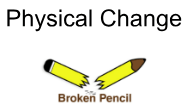
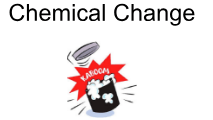

What kind of change is breaking glass?
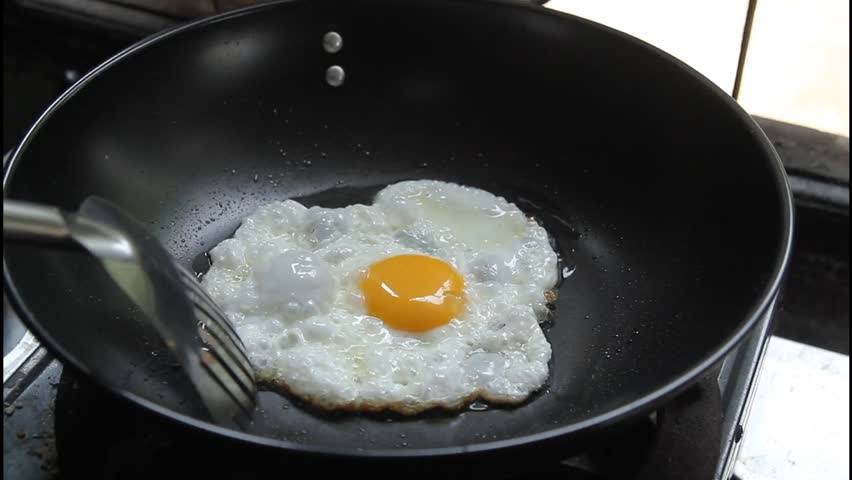
What kind of change is frying an egg?
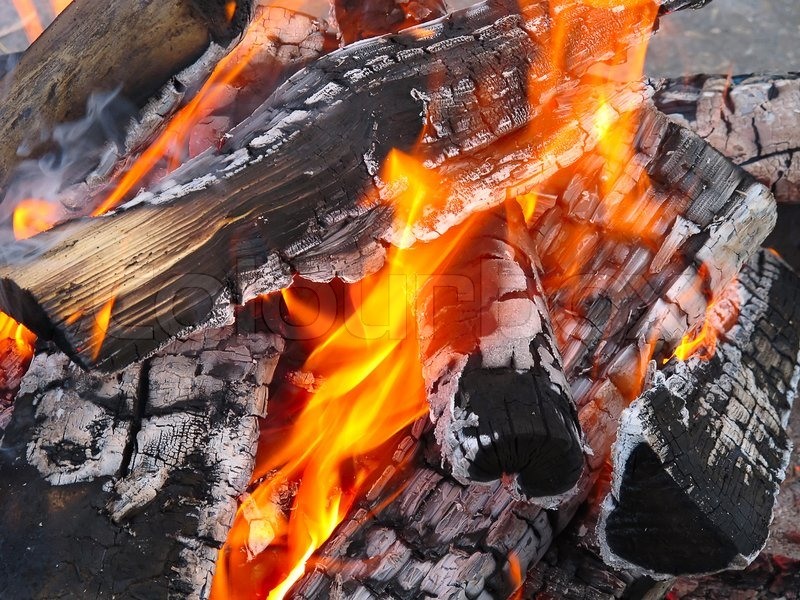
What kind of change is burning wood?
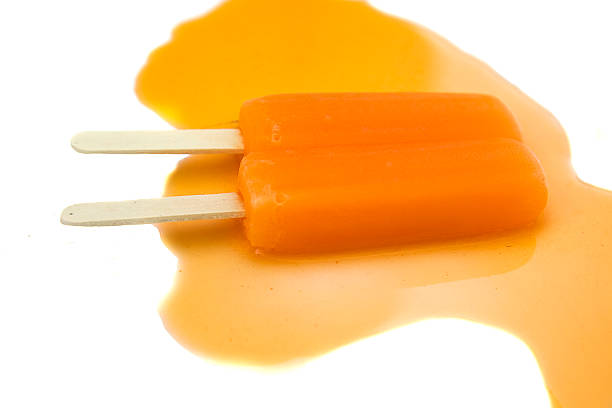
What kind of change is a melting popsicle?

What kind of change is exploding fireworks?

What kind of change is baking a cake?
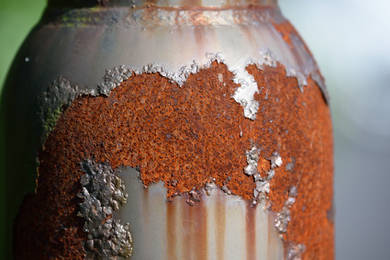
What kind of change is metal rusting?
which is a example a physical change


what is a chemical change
A chemical change is when someone or something bends it with a machine or hand.
A chemical change is when to chemicals are mixed toegether to make a new substance.
What is a physical change
something that is bent by a machine or by hand
Something that is formed by mixing two chemicals together.
when one or more substances combine to make something new
chemical property
chemical change
physcial change
mixture
A change that does not result in a new substance
chemical property
chemical change
physical propert
physical change

