wayground logo

Free Printable Worksheets

Font size

S
M
L
XL
Worksheets

PLANETS

Total questions: 130

Worksheet time: 4hrs 44mins

Name
Class
Date
1.

The biggest planet in our solar system

a)

Earth

b)

Venus

c)

Jupiter

d)

Saturn

2.

The smallest planet in our solar system

a)

Earth

b)

Neptune

c)

Jupiter

d)

Mercury

3.

Hottest planet in our solar system

a)

Earth

b)

Neptune

c)

Venus

d)

Jupiter

4.

Coldest planet in our solar system

a)

Earth

b)

Uranus

c)

Venus

d)

Jupiter

5.

Highest mountain in the world

a)

Everest

b)

K2

c)

Kangchengunga

d)

Lhotse

6.

Largest bird in the world

a)

Chicken

b)

Duck

c)

Turkey

d)

Ostrich

7.

Highest populated City in the world

a)

mumbai

b)

New york

c)

Hong Kong

d)

Tokyo

8.

Largest bone in our body

a)

Tibia

b)

Fibula

c)

Femur

d)

Humerus

9.

1st man In the world land on moon

a)

Pete conrad

b)

Alan bean

c)

Alan shepard

d)

Neil Armstrong

10.
What planet is the smallest?
a)
Mercury
b)
Venus
c)
Mars
d)
Jupiter
11.
What planet is closest to the sun?
a)
Mercury
b)
Mars
c)
Venus
d)
Sun
12.
Which is hotter: Venus or Mercury?
a)
Venus
b)
Mercury
c)
They are exactly the same.
d)
Sun
13.
Which planet rotates all the way on its side?
a)
Uranus
b)
Neptune
c)
Jupiter
d)
Earth
14.
What is the sixth planet from the sun?
a)
Saturn
b)
Uranus
c)
Neptune
d)
Asteroid Belt
15.
Planets that are closer to the sun
a)
take more time to orbit
b)
take less time to orbit
16.
The order of the planets is:
a)
Mars,Venus,Earth,
Mercury,Saturn
Jupiter, Uranus, Neptune
b)
Earth,Venus,Mars
Jupiter, Neptune,
Mercury,Saturn,
Uranus
c)
Mercury,Venus,Earth
Mars,Jupiter,
Saturn,Uranus
Neptune
17.
Which planet is the largest?
a)
Jupiter
b)
Saturn
c)
Uranus
d)
Neptune
18.
Which planet is seventh from the sun?
a)
Saturn
b)
Earth
c)
Venus
d)
Uranus
19.
Which is the fourth planet from the sun?
a)
Mars
b)
Saturn
c)
Earth
d)
Jupiter
20.
The spinning of an object on its axis is called______
a)
orbit
b)
rotation
c)
revolution
d)
tide
21.
Day and night is caused by the _____________ of earth on its axis.
a)
revolution
b)
orbit
c)
rotation
22.
The inner and outer planets are divided by...
a)
The asteroid belt
b)
The oort cloud
c)
The kuiper belt
d)
a fraction
23.
What does the word terrestrial mean?
a)
Warm planets
b)
planets with moons
c)
planets with ailens
d)
Rocky planets
24.
Which planet is known for it's red, rust covered surface?
a)
Venus
b)
Mercury
c)
Mars
d)
Jupiter
25.
The four inner planets are...
a)
Rocky and small
b)
Very large and made of ice
c)
Small and made of ice
d)
Very large and made of gases
26.
The outer planets are...
a)
Rocky and small
b)
Very large and made of ice
c)
Small and made of ice
d)
Very large and made of gases
27.
Why is space travel difficult for people?
a)
We cannot take the air or food we need into space
b)
the distance are very great; it is dangerous and expensive.
c)
It is impossible to escape the sun's or Earth's gravity.
d)
We do not have a destination to visit that we know will support life.
28.
What holds the planets in their orbits around the sun?
a)
gravity
b)
speed
c)
string
d)
air currents
29.
Which object has the most gravity?
a)
Earth
b)
moon
c)
Jupiter
d)
sun
30.
What is a planet?
a)
a group of stars that forms a pattern in the sky
b)
a large ball of hot gases that gives off heat and light
c)
a large ball or rock or gas that moves around the sun
d)
a toy aliens play with
31.
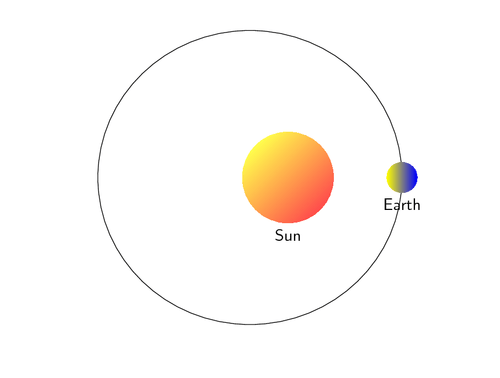
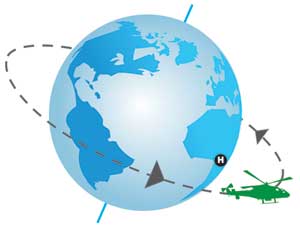
This picture shows the path Earth takes as it moves around the sun. What is the path called?
a)
a constellation
b)
a moon
c)
an orbit
d)
a planet
32.
What is another word for rotate?
a)
orbit
b)
skip
c)
spin
d)
run
33.

Which of the following are gas giants?

a)

Earth

b)

Jupiter

c)

Pluto

d)

Saturn

e)

Mars

34.
A force of attraction between any two objects is called _____________.
a)
static electricity 
b)
rotation
c)
gravity
d)
orbit
35.
How long does it take to the Earth to do the ROTATION MOVEMENT?
a)
365 days
b)
24 hours
c)
24 hours + 6 hours
d)
28 days
36.
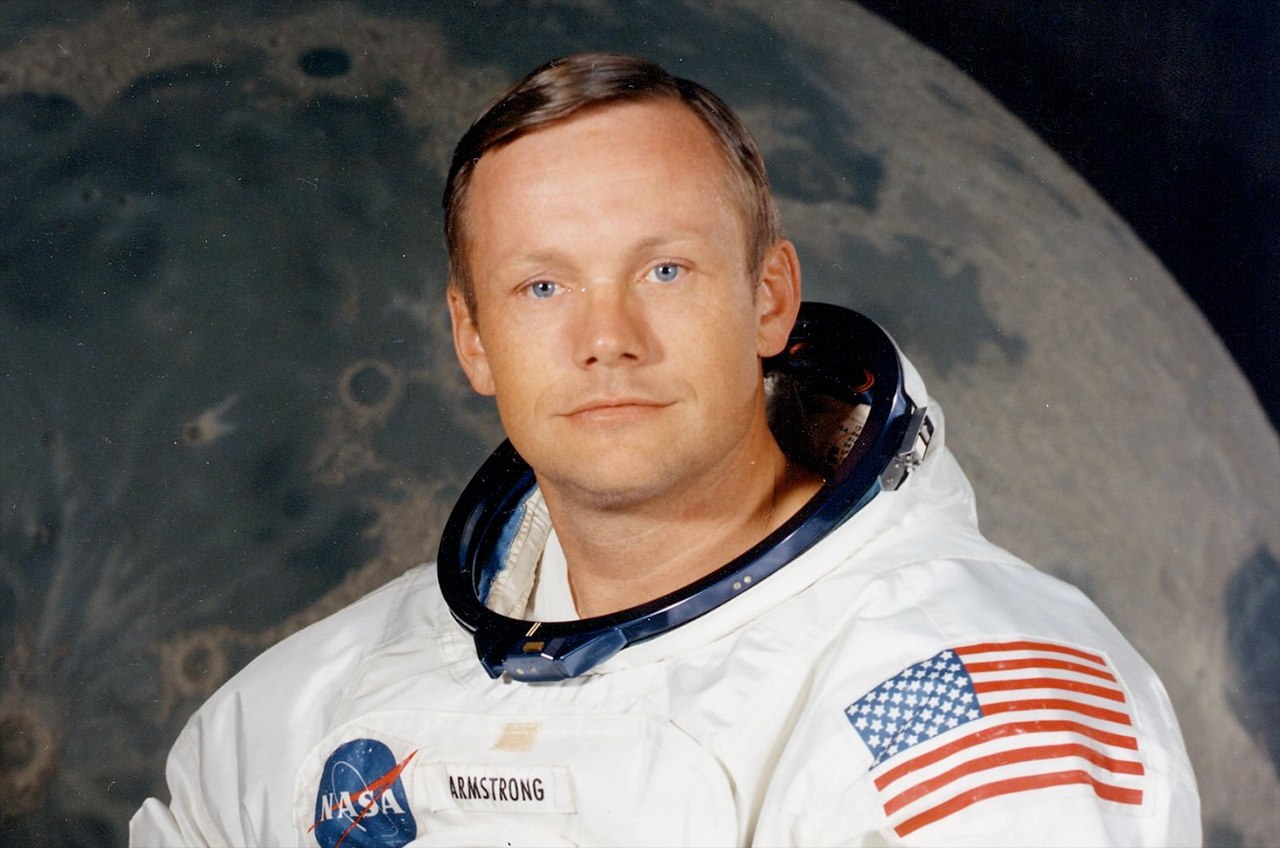
Who is Neil Amstron?
a)
It was the first man on the Moon
b)
First man on Mars
c)
First man on Earth
d)
The man who invented telescope
37.
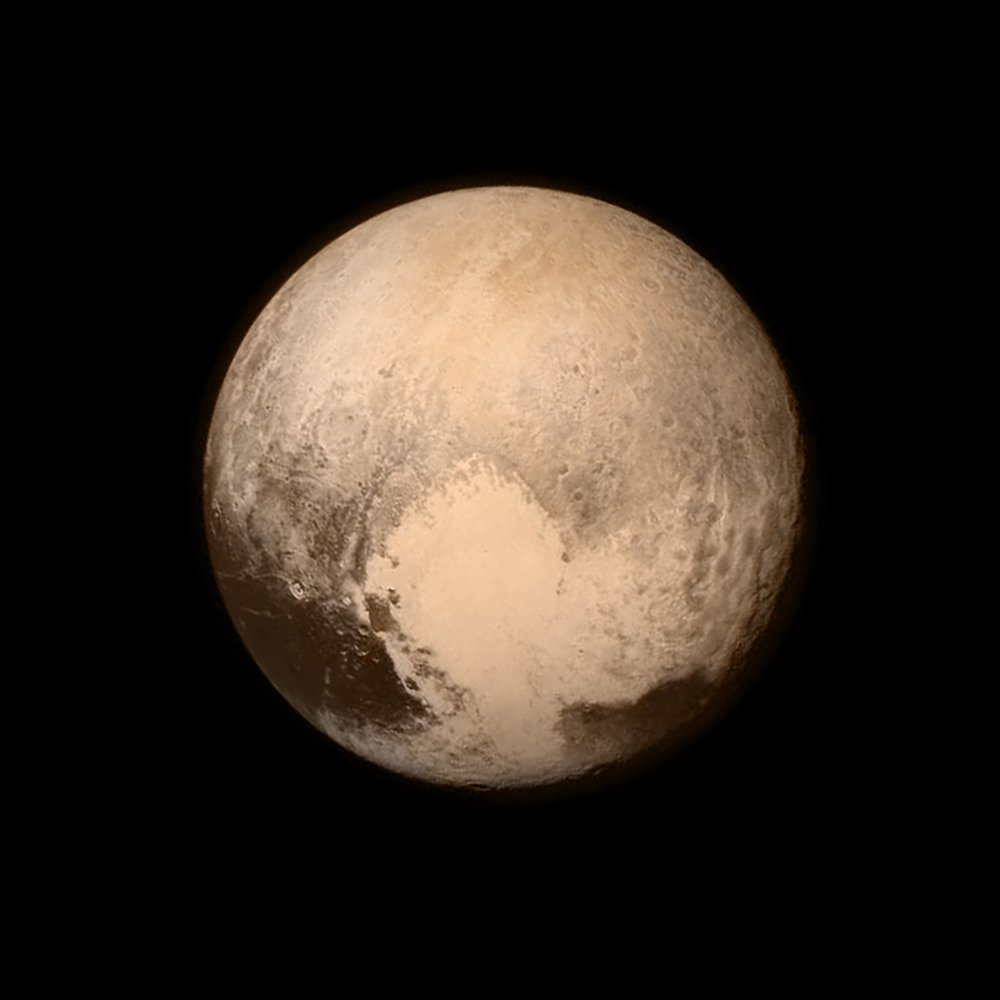
What is Pluto?
a)
An asteroid
b)
A planet
c)
A dwarf planet
d)
It doesn't exist
38.

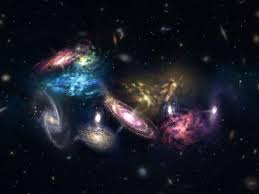
Galaxies are:

a)

gropus of Asteroids

b)

Groups of planets

c)

Groups of stars, gas and dust.

d)

Group of satellites

39.
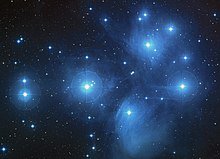
What is this?
a)
satellite
b)
planets
c)
stars
d)
sun
40.

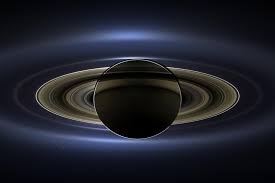
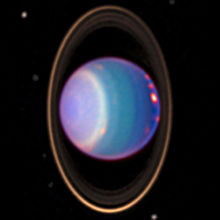
what is the planet ?

a)

Uranus

b)

Venus

c)

Saturn

41.
What keeps a planet moving on its path around the sun
a)
gravity & inertia
b)
heat & pressure
c)
inertia & pressure
d)
gravity & heat
42.
Which planet is the largest?
a)
Earth
b)
Jupiter
c)
Neptune
d)
the Sun
43.
Where would you see the most shadows?
a)
inside a dark room
b)
outside on a cloudy day
c)
inside a closet
d)
outside on a sunny day
44.
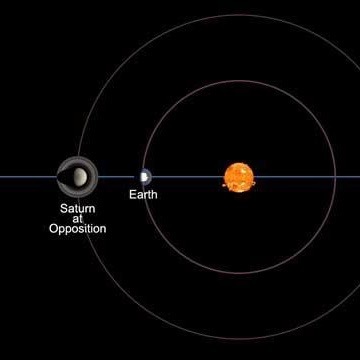
Compared to Earth, does Saturn take a longer or shorter amount of time to orbit the sun?
a)
longer
b)
shorter
45.

HOW MANY DAYS DOES EARTH TAKE FOR COMPLETING A REVOLUTION


[HINT- A Year Has Days Not a Leap Year]

a)

366

b)

365

c)

456

d)

345

46.

Who is Neil Armstrong?


[ Hint- The nearest to Earth! ]

a)

The First person to go on the Moon

b)

The First person to go on the Sun

c)

The First person to go on the Venus

d)

The First person to go on the Jupiter

47.

How many planets are there in total?


[HINT - Pluto is not there]

a)

5

b)

9

c)

8

d)

6

48.

Which is the closest planet to the Sun?

a)

Earth

b)

Mars

c)

Mercury

d)

Venus

49.

Which is the farthest planet to the Sun?

a)

Uranus

b)

Neptune

c)

Saturn

d)

Jupiter

50.

Which is the smallest planet?

a)

Mars

b)

Venus

c)

Neptune

d)

Mercury

51.

Which is the biggest planet?

a)

Jupiter

b)

Neptune

c)

Saturn

d)

Uranus

52.

Which is the hottest planet?

a)

Mars

b)

Venus

c)

Mercury

d)

Jupiter

53.

Which planet is the fifth planet to the Sun?

a)

Uranus

b)

Neptune

c)

Saturn

d)

Jupiter

54.

Which of the following lists the correct order of the planets from the sun?

a)

Mercury, Venus, Mars, Earth, Jupiter, Saturn, Uranus, Neptune

b)

Mercury, Venus, Earth, Mars, Saturn, Jupiter, Uranus, Pluto

c)

Mercury, Venus, Earth, Mars, Jupiter, Saturn, Uranus, Neptune

d)

Mars, Venus, Earth, Mercury, Jupiter, Saturn, Uranus, Neptune

55.

Select all of the following that are considered "inner planets".


THIS MEANS THE PLANETS WHICH OF PLANETS ARE NEAREST TO THE SUN FROM GIVEN BELOW

a)

Venus

b)

Neptune

c)

Earth

d)

Saturn

56.

Which planet is the closest planet to the sun?

a)

Mercury

b)

Venus

c)

Mars

d)

Pluto

57.

Which is the biggest planet?

a)

Jupiter

b)

Neptune

c)

Saturn

d)

Uranus

58.

OKAY THE TUFFESET QUESTION OF THE DAY AND THAT IS


CAN YOU TELL THAT WHAT DOES EARTH DO?

a)

ROTATION

b)

REVOLUTION

c)

BOTH

d)

NONE OF THESE

59.
_____ giants are planets that have deep, massive atmospheres rather than hard and rocky surfaces.
a)
Gas
b)
Weather
c)
Rock
60.
What is the largest planet in our solar system?
a)
Jupiter
b)
Saturn
c)
Uranus
d)
Neptune
61.
How many missions has NASA sent to Jupiter?
a)
4
b)
5
c)
6
d)
7
62.
Which planet has the largest rings?
a)
Jupiter
b)
Saturn
c)
Uranus
d)
Neptune
63.
Which planet was discovered by astronomer William Herschel in 1781?
a)
Jupiter
b)
Saturn
c)
Uranus
d)
Neptune
64.
Unlike most planets, _____ is tipped over on its side.
a)
Jupiter
b)
Saturn
c)
Uranus
d)
Neptune
65.
Neptune was discovered in ____.
a)
1486
b)
1846
c)
1648
d)
1864
66.
What is Pluto now classified as?
a)
a star
b)
a minor planet
c)
dwarf planet
67.
Pluto is less than half the size of _____.
a)
Jupiter
b)
Mercury
c)
Uranus
d)
Neptune
68.
Which of the following was previously classified as an asteroid?
a)
Ceres
b)
Eris
c)
Pluto
d)
Saturn
69.

6th planet from the sun. Known for its rings.

a)

Saturn

b)

Uranus

c)

Neptune

d)

Jupiter

70.

What is the largest planet in our solar system?

a)

Saturn

b)

Neptune

c)

Uranus

d)

Jupiter

71.

What planet takes the longest to orbit the sun?

a)

Uranus

b)

Jupiter

c)

Neptune

d)

Saturn

72.

The Outer Planets are extremely

a)

Cold

b)

Hot

73.
The majority of Jupiter is made up of
a)
nitrogen and oxygen.
b)
helium and oxygen.
c)
rock and water.
d)
hydrogen and helium.
74.
Uranus’s axis
a)
moves in a predictable manner.
b)
is almost parallel to its plane of orbit.
c)
flips once per orbit around the sun.
75.
Identify the gas giant planets.
a)
Neptune, Mars, Venus, Jupiter
b)
Venus, Mercury, Mars, Earth
c)
Mars, Saturn, Sun, Earth
d)
Jupiter, Saturn, Uranus, Neptune
76.
What relationship do you notice as the planets get further away from the sun?
a)
The days get longer due to the distance the planets are from the sun.
b)
The years become longer due to the distance each planet is from the sun.
c)
The years on each planet are the same
d)
As the planets get further from the sun their night is shorter.
77.

What was the first Kuiper Belt Object discovered?

a)

Makemake

b)

Haumea

c)

Neptune

d)

Pluto

78.

The furthest four planets are called the _______ planets.

a)

inner

b)

outer

79.

The gaseous planets are much larger than the rocky planets.

a)

True

b)

False

80.
What object is not in our solar system?
a)
The Sun
b)
Andromeda Galaxy
c)
Asteroid Belt
d)
Pluto
81.
Which Planet is not a terrestrial planet?  
a)
Jupiter
b)
Mars
c)
Venus
d)
Earth
82.
Which planet(s) are not part of the outer planets?
a)
Gas giants
b)
Jupiter
c)
Uranus
d)
Mars
83.
What do all outer planets have in common?  
a)
They were discovered with telescopes
b)
They are named for presidents
c)
They have multiple natural satellites
d)
They have solid rocky surfaces
84.

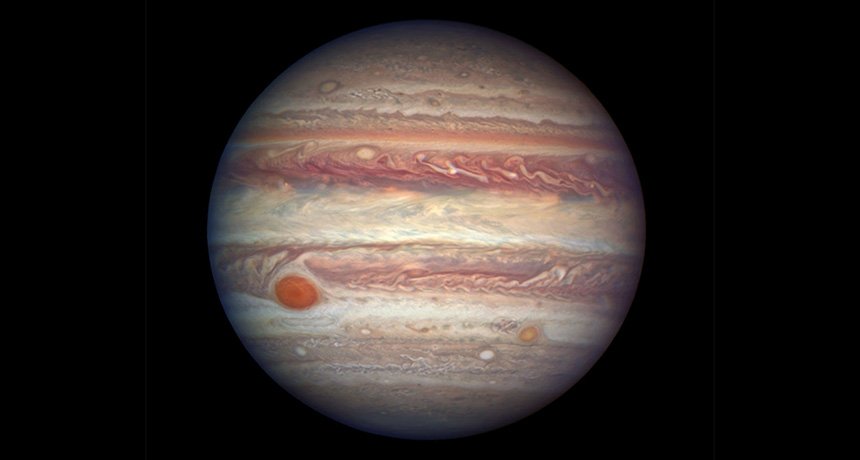
This planet has the great red spot.

a)

Jupiter

b)

Saturn

c)

Uranus

d)

Neptune

85.

The most visible ring system is on this planet.

a)

Jupiter

b)

Saturn

c)

Uranus

d)

Neptune

86.

This planet is tipped on its side.

a)

Jupiter

b)

Saturn

c)

Uranus

d)

Neptune

87.

The largest of the gas giants.

a)

Jupiter

b)

Saturn

c)

Uranus

d)

Neptune

88.

The outermost gas giant

a)

Jupiter

b)

Saturn

c)

Uranus

d)

Neptune

89.

Over 80 known moons are on this planet.

a)

Jupiter

b)

Saturn

c)

Uranus

d)

Neptune

90.

One year on this planet is equal to 12 Earth years.

a)

Jupiter

b)

Saturn

c)

Uranus

d)

Neptune

91.

This planet has retrograde rotation.

a)

Jupiter

b)

Saturn

c)

Uranus

d)

Neptune

92.

It takes almost 165 Earth years for this planet to revolve around the sun.

a)

Jupiter

b)

Saturn

c)

Uranus

d)

Neptune

93.

This planet is a dark blue color.

a)

Jupiter

b)

Saturn

c)

Uranus

d)

Neptune

94.

The windiest planet in the solar system.

a)

Jupiter

b)

Saturn

c)

Uranus

d)

Neptune

95.

The planet with the shortest day.

a)

Jupiter

b)

Saturn

c)

Uranus

d)

Neptune

96.

The second-largest planet in the solar system.

a)

Jupiter

b)

Saturn

c)

Uranus

d)

Neptune

97.

On this planet, a season lasts 40 years.

a)

Jupiter

b)

Saturn

c)

Uranus

d)

Neptune

98.

One day on this planet is a little over 10 hours.

a)

Jupiter

b)

Saturn

c)

Uranus

d)

Neptune

99.

Name the two ice giants

a)

Jupiter

b)

Saturn

c)

Uranus

d)

Neptune

100.

Scientists think this may be in the center of the gas giants.

a)

rock

b)

liquid

c)

magma

d)

cheese

101.

Name the two most common gases that make up the gas giants.

a)

Hydrogen

b)

Oxygen

c)

Carbon Dioxide

d)

Helium

102.
Which of these does NOT belong?
a)
Mercury
b)
Earth
c)
Mars
d)
Pluto
103.
Earth's closest twin 
a)
Mercury
b)
Jupiter
c)
Venus
d)
Mars
104.
According to scientists, the solar system formed from 
a)
a rotating disk of dust and gases.
b)
colliding stars.
c)
colliding planetesimals. 
d)
a passing star.
105.
What is Olympus Mons?
a)
The dark part of the moon.
b)
The largest volcano in the solar system. 
c)
A deep canyon on Mars.
d)
The oldest feature on the moon. 
106.
Terrestrial planets are more dense as you get closer to the sun. 
a)
True
b)
False
107.
The planet's atmosphere is extremely hot, dense and poisonous!
a)
Earth
b)
Mars
c)
Venus
d)
Mercury
108.
No atmosphere
a)
Earth
b)
Venus
c)
Mars
d)
Mercury
109.
Between the orbit of Mars and Jupiter: 
a)
Earth
b)
Asteroid belt
c)
Mercury
d)
Venus
110.
Maria
a)
Scientist who discovered the moon
b)
Oldest part of the moon's surface
c)
Youngest part of the moon's surface
d)
Largest volcano in the solar system
111.
Surface is dominated by volcanism
a)
Venus
b)
Earth
c)
Earth's moon
d)
Mars
112.
A major greenhouse gas
a)
carbon dioxide
b)
oxygen
c)
nitrogen
d)
argon
113.
Which order is correct?
a)
 Mars, Earth, Venus, Mercury
b)
Venus, Mars, Mercury, Earth
c)
Mercury, Venus, Mars, Earth
d)
Venus, Mercury, Earth, Mars
114.
Rotates backwards
a)
Earth
b)
Moon
c)
Mars
d)
Venus
115.
Thickest atmosphere
a)
Mercury
b)
Venus
c)
Earth
d)
Mars
116.
All the planets orbit the sun in the same direction.
a)
True
b)
False
117.
The inner planets are also called...
a)
terrestrial planets
b)
gas giants
118.
Which planet is closest to the sun?
a)
Earth
b)
Venus
c)
Mercury
d)
Mars
119.
On Mercury, you would only weigh ____ of what you weigh on Earth.
a)
83%
b)
38%
c)
59%
d)
30%
120.
Which planet's period of rotation is almost 59 days long?
a)
Earth
b)
Mars
c)
Venus
d)
Mercury
121.
The motion of a body orbiting another body in space is called _____.
a)
revolution 
b)
period of revolution
c)
rotation
d)
period of rotation
122.
The time an object takes to revolve around the sun once is called its _____________.
a)
revolution
b)
period of revolution
c)
rotation
d)
period of rotation
123.
In many ways, which planet is more like Earth than any other planet?
a)
Mercury
b)
Mars
c)
Venus
124.
If a planet appears to spin in a clockwise direction when it is viewed from above the North Pole, it is said to have ____.
a)
prograde rotation
b)
retrograde rotation
125.
The air on Venus is mostly ____.
a)
carbon dioxide
b)
oxygen
c)
sulfur
126.
Data gathered from radar waves showed that Venus, like Earth, also has ___.
a)
earthquakes
b)
volcanoes
c)
storms
d)
hurricanes
127.
Liquid _____ is a vital part of the chemical processes that living things depend on for survival on Earth.
a)
water
b)
oxygen
c)
mercury
128.
_____ is the most studied planet in the solar system other than Earth.
a)
Mercury
b)
Venus
c)
Mars
129.
Because of its ____ atmosphere and greater distance from the sun, Mars is a cold planet.
a)
thicker
b)
thinner
c)
medium
130.
Mars only has ___ volcanic systems.
a)
two
b)
three
c)
four
d)
five