wayground logo

Free Printable Worksheets

Font size

S
M
L
XL
Worksheets

Year 7 Space Revision Test

Total questions: 40

Worksheet time: 28mins

Name
Class
Date
1.

The scientists who study celestial objects are known as...

a)

Astrologers

b)

Astronomers

c)

Astroturf

d)

Celestial Scientists

2.

At position C, which hemisphere would have summer?

a)
Northern hemisphere
b)
Southern hemisphere
3.

The revolution around the Sun and the tilt on the Earth's axis cause what?

a)

Seasons

b)

Rain

c)

Tidal Waves

d)

Moon Phases.

4.
This is the reason we experience day and night
a)
rotation
b)
revolution
5.

What happens during the Summer Solstice?

a)

shortest day

b)

longest day

c)

easy day

d)

slow day

6.

What is the phase of the Moon at position #5?

a)

New Moon

b)

Third Quarter Moon

c)

First Quarter Moon

d)

Full Moon

7.
Which of the following are explanations for summer?
a)
Hemisphere is tilted towards Sun, Earth is closer to the Sun, Daylight hours are longer
b)
Earth's axial is 23.5 degrees, hemisphere is tilted towards the Sun, Daylight hours are longer
c)
Hemisphere is tilted away from Sun, Daylight hours are shorter, Earth's axial tilt of 23.5 degrees
d)
Hemisphere is tilted away from Sun, Daylight hours are longer, Earth's axial tilt of 23.5 degrees
8.

Where does the Moon gets its light from

a)

It reflects the Earth's light

b)

It reflects the other stars' light

c)

It reflects the Sun's light

d)

It makes its own light

9.
The moon cycle (lunar cycle) takes approximately _______________ to complete.
a)
14 days
b)
28 days/approximately one month
c)
58 days
d)
1 week
10.
What happens when the area in which you live tilts away from the sun?
a)
It is summer.
b)
It is spring.
c)
It is winter.
d)
It is fall.
11.
The EARTH REVOLVES around the:
a)
Sun
b)
Moon
c)
The Earth doesn't revolve
d)
The sun rotates
12.
As the moon's shape appears to get smaller, we say that the moon is _.
a)
swelling
b)
waxing
c)
waning
d)
disappearing
13.
What does the rotation of the Earth cause us to experience?
a)
seasons
b)
year
c)
day & night
d)
eclipse
14.
The Earth's _______ is an imaginary line that goes from the North Pole to the South Pole.
a)
vernal equinox
b)
axis
c)
solar eclipse
d)
solar flare
15.

Which term best describes Earth's spin on its axis?

a)

revolution

b)

rotation

c)

year

d)

month

16.

Which term best describes Earth orbiting around the sun?

a)

revolution

b)

rotation

c)

month

d)

day

17.

When does Earth receive a nearly equal amount of day and nighttime hours?

a)

equinox

b)

solstice

c)

perihelion

d)

aphelion

18.

What is the shortest day of the year?

a)

vernal equinox

b)

autumnal equinox

c)

winter solstice

d)

summer solstice

19.

When is the longest day of the year?

a)

winter solstice

b)

summer solstice

c)

vernal equinox

d)

autumnal equinox

20.

What does Earth's rotation cause?

a)

equinoxes and solstices

b)

day and night

c)

seasons

d)

years

21.

Match the following

a)

1 Revolution for Earth

1.

365 days

b)

1 Rotation for Earth

2.

24 hours

c)

1 Season for Earth

3.

3 months

22.

The events labeled 1 and 3 are called

a)

solstices

b)

equinoxes

23.

During the event pictured at number 2, which of the following would occur?

a)

The northern hemisphere would receive the most direct sunlight

b)

The northern hemisphere would experience the longest day

c)

The southern hemisphere would experience the longest day

d)

The sun's rays would be focused most directly on the equator

24.

The event pictured at number 4, in the northern hemisphere, is the

a)

summer solstice

b)

winter solstice

c)

autumnal equinox

d)

vernal equinox

25.
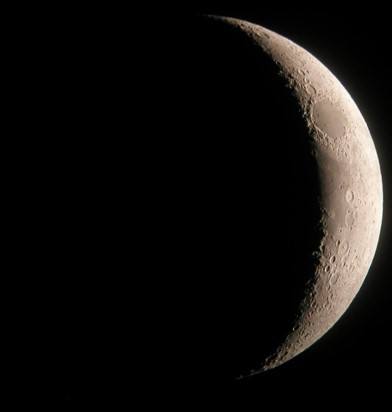
Name this phase
a)
Waxing Crescent
b)
Waxing Gibbous
c)
Waning Crescent
d)
Waning Gibbous
26.
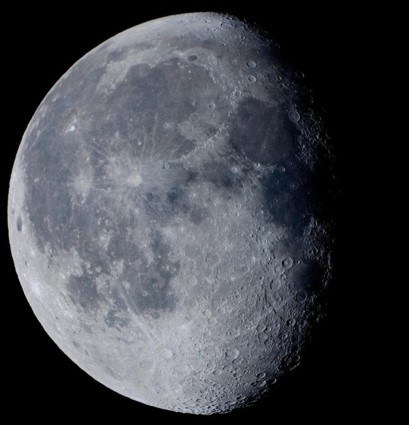
Name this phase
a)
Waxing Crescent
b)
Waxing Gibbous
c)
Waning Crescent
d)
Waning Gibbous
27.
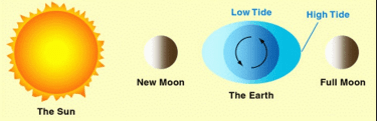
Which tide occurs during the Full or New Moon phase?
a)
Spring Tide
b)
Neap Tide
28.
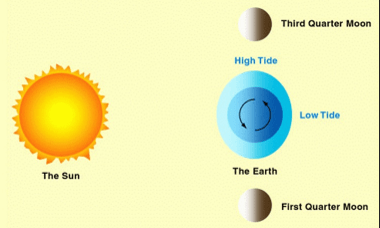
Which tide occurs during the quarter Moon phases?
a)
Spring Tide
b)
Neap Tide
29.
What type of tide is occurring on Earth?
a)
Reverse tide
b)
Quarter tide
c)
Neap tide
d)
Spring tide
30.

In relation to the moon, waxing means...

a)

growing

b)

shrinking

c)

shining

d)

i don't know, the karate kid does it

31.

In relation to the moon, waning means...

a)

growing

b)

shrinking

c)

crying

d)

don't horses wane?

32.
Identify the different phases of the moon shown in the diagram.
33.

Label the season that Australia will experience at each position in Earth's orbit.

34.

Identify when the Earth will experience neap tides, vs spring tides
35.

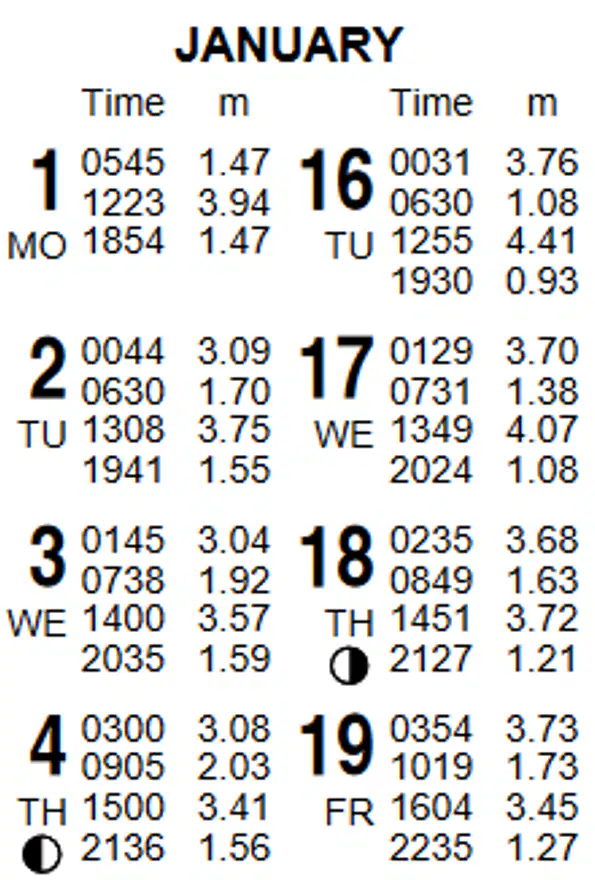
What day does not have two high tides?

a)
January 2
b)
January 18
c)
January 19
d)
January 1
36.
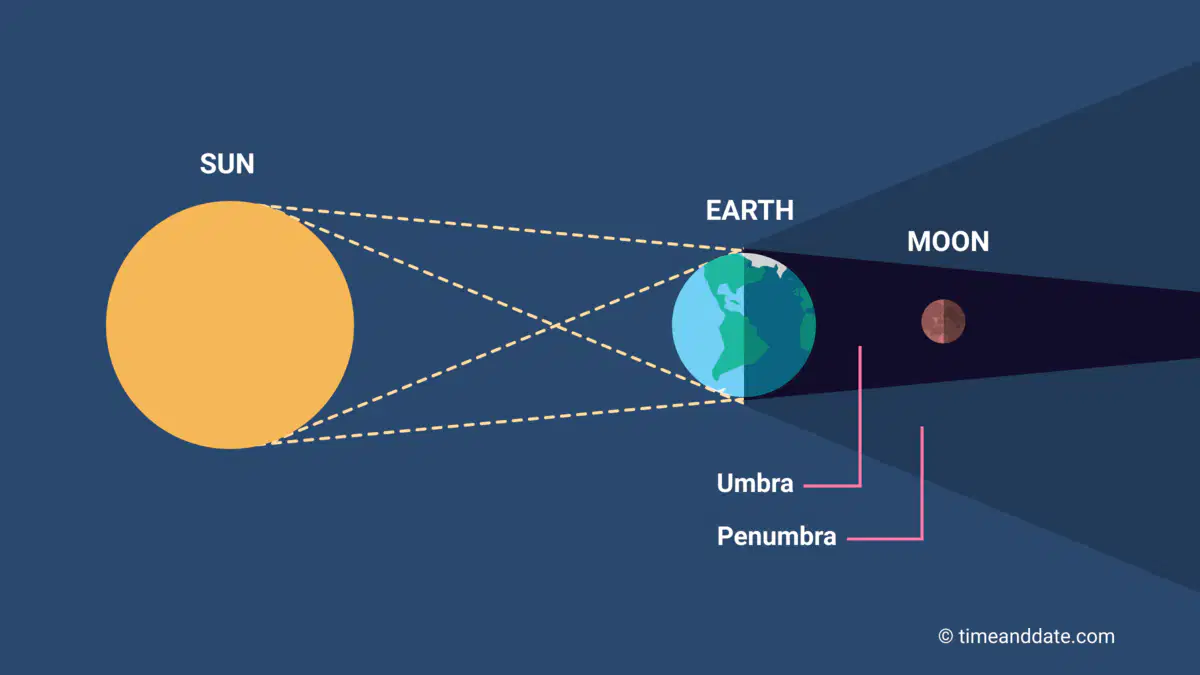
Label the different types of shadows cast by the Earth.
37.

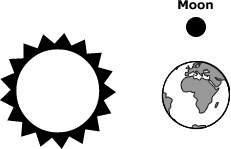
What does this represent?

a)

Solar Eclipse

b)

Lunar Eclipse

38.

This diagram represents a:

a)
Lunar eclipse
b)
New moon
c)
Solar eclipse
39.

The Earth (a)   on a 23.5 degree axis, causing night and day.

40.

The Earth ​ (a)   around the Sun following an ​ (b)   . One revolution is one​ (c)   . The year consists of four seasons, which is caused by the ​ (d)   of the Earth.

Choose from the below words
revolves
orbital path
year
tilt
rotates
circular route
month
angle