
NEW
Font size
 Worksheets
STAAR Nearpod Review Day
Total questions: 36
Worksheet time: 37mins

How does a virus make new viruses?
Viruses work with other viruses to replicate.
They use mitochondria to make new cell membranes
They replicate on their own to make new viruses
They take over cell machinery to build new viruses
Which of the following characteristics is shared by viruses and living cells? Both viruses and living cells –
have a nucleus, as well as a cell wall.
contain nucleic acids such as DNA or RNA.
can replicate independently of a host cell.
use organelles to perform life functions.

Cell that is regulating its internal conditions
Phospholipid
Endocytosis
Exocytosis
Homeostasis
The function of the cell (plasma) membrane is....
What is the purpose of an enzyme?
give permission for the reaction
raise activation energy
be a catalyst and speed up reactions
control how many reactions occur
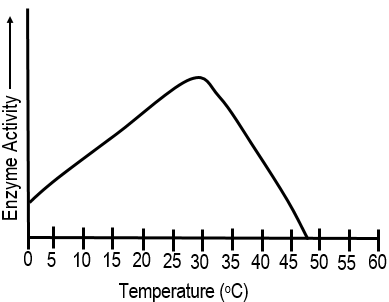
How does an enzymes shape relate to its function?
the shape of the enzyme has no impact
the enzyme is shaped specifically for certain substrates
the enzyme shape only matters in certain situations
the enzyme shape will always be different
What type of biomolecule are enzymes?
proteins
carbs
lipids
nucleic acids

The following are
reactants of photosynthesis
reactants of cellular respiration
products of photosynthesis
products of cellular respiration

In photosynthesis, light/solar energy is converted (changed) into
light/solar energy
chemical energy

In cellular respiration, chemical energy (glucose) is converted (changed) to
chemical energy (ATP)
chemical energy (glucose)

What does photosynthesis MAKE that cellular respiration USES?
Oxygen and Glucose
Carbon Dioxide and Water

Which organelle is responsible making food (Glucose) using sunlight?
Cell Membrane
Nucleus
Chloroplast
Mitochondria
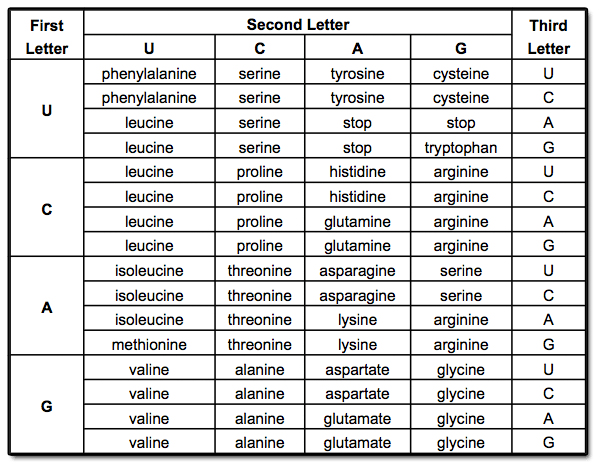
Which of the following is created in the nucleus during transcription and travels to the ribosome to be used in translation?
DNA
tRNA
mRNA
rRNA
The purpose of translation is __________.
to create mRNA from a gene on DNA
to use a sequence of mRNA to build a protein of amino acids
to build glucose molecules available for energy storage
to synthesize lipids for future use


Vascular tissue (tubes) responsible for the transportation of water and minerals up from the roots and around the plant.
Stomata
Transpiration
Phloem
Xylem

Many minerals such as nitrogen, phosphorous, sulfur, magnesium, and copper are needed for plants to perform special functions.
How are minerals obtained and moved to where they are needed?
Compounds containing these minerals are produced in the roots and then hydrolyzed.
Compounds containing these minerals are stored the shoot system (stem) and relocated to the reproductive structures.
Compounds containing these minerals are absorbed by the roots transported through the shoot system (stem).
Compounds containing these minerals are absorbed by the stomata in leaves transported to the shoot system (stem).

Which of the following correctly describes a way the reproductive system interacts with the endocrine system?
Lymph is produced by the endocrine system to transport hormones to the uterus
The testes produce leukocytes (white blood cells) to combat infectious bacteria or viruses acquired during sex.
Hormones are produced in the ovaries that signal the release and development of an egg cell.
The pituitary gland produces Human Growth Hormone causing the lengthening of bones and growth of muscles.
"The small intestine absorbs nutrients from our food and they are carried through the blood to the cells."

The diagram above represents an example of how the body regulates itself. This diagram describes what relationship in body systems?
The circulatory system and nervous system interact to absorb nutrients.
The circulatory system and digestive system interact to defend the body from diseases.
The circulatory system and nervous system interact to maintain homeostasis.
The nervous system and immune system interact for reproduction.

