
Font size
 Worksheets
Analyzing Themes in Jurassic Park
Total questions: 70
Worksheet time: 2hrs 45mins
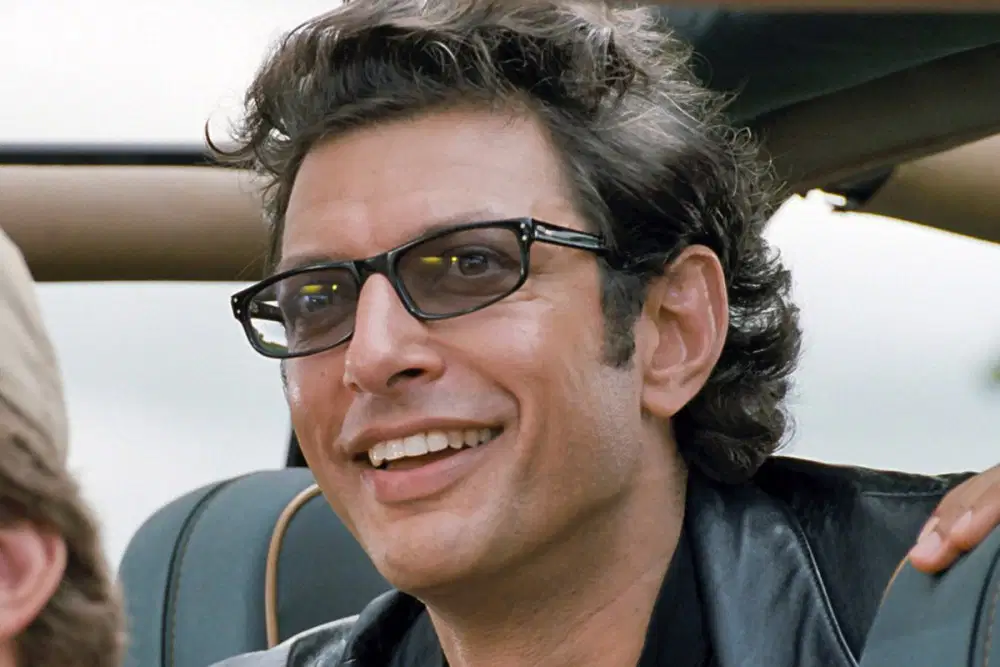
In "Jurassic Park," how does the author use the character of Dr. Ian Malcolm to convey the theme of chaos theory?
By showing Malcolm's expertise in genetics.
By illustrating his predictions about the park's failure.
By highlighting his role in the park's management.
By focusing on his personal relationships.

What can be inferred about the author's stance on scientific experimentation from the events in "Jurassic Park"?
The author supports unrestricted scientific experimentation.
The author is indifferent to the consequences of scientific advancements.
The author warns against the dangers of unchecked scientific experimentation.
The author believes scientific experimentation is always beneficial.

Which idiomatic expression best describes the situation in "Jurassic Park" when the dinosaurs escape?
"A piece of cake"
"The calm before the storm"
"Let the cat out of the bag"
"Burning the midnight oil"
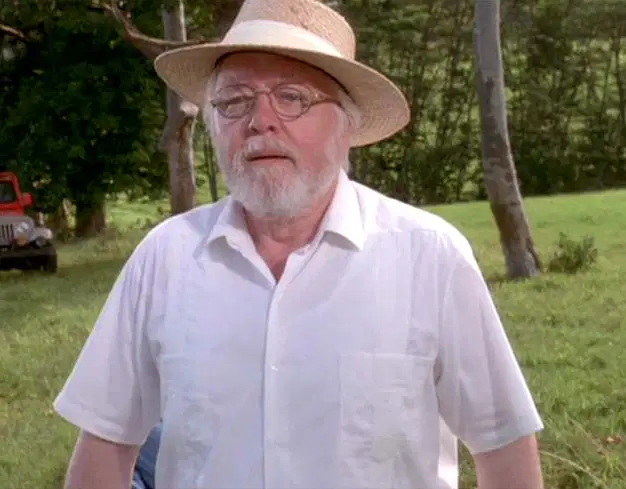
Analyze the text to draw a conclusion about John Hammond's character. What does his insistence on opening the park despite warnings suggest?
He is a cautious and prudent businessman.
He is driven by greed and ambition.
He is a character who values safety above all.
He is indifferent to the park's success.
What generalization can be made about the theme of control in "Jurassic Park"?
Control is easily maintained with technology.
Control is an illusion when dealing with nature.
Control is unnecessary in a well-managed environment.
Control is the key to success in any venture.
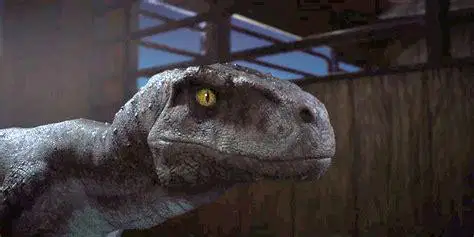
How does the author use evidence to support the theme of unpredictability in "Jurassic Park"?
By showing the dinosaurs' predictable behavior.
By detailing the park's flawless security systems.
By describing the unexpected failures of the park's systems.
By focusing on the park's successful opening day.
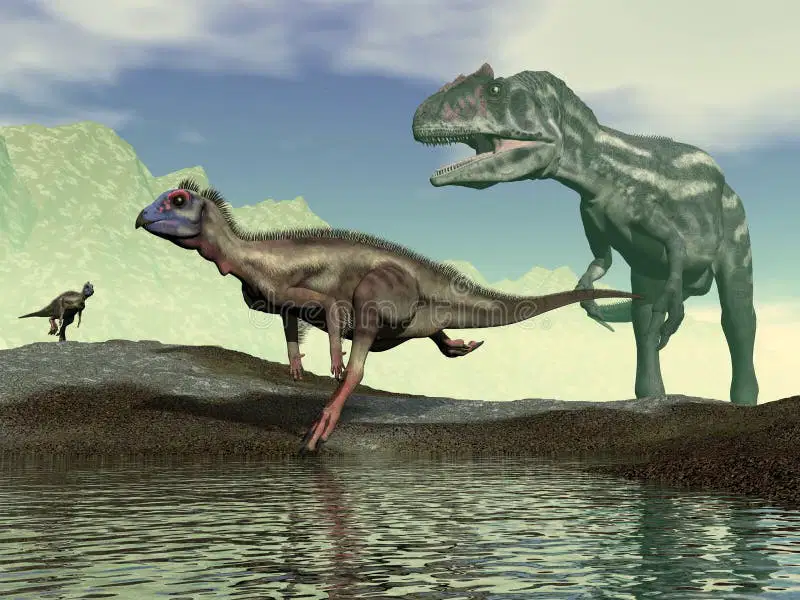
What is the implied meaning of the word "chaos" as used in the context of "Jurassic Park"?
A state of complete order and predictability.
A situation where everything goes according to plan.
A condition of unpredictability and disorder.
A peaceful and serene environment.
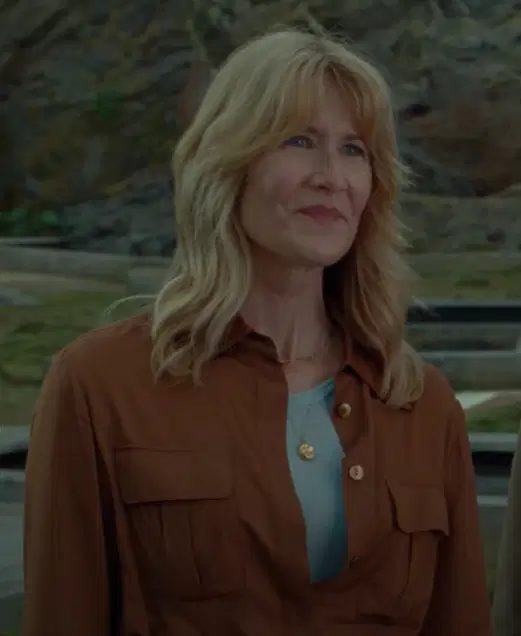
Evaluate the author's motivation for including the character of Dr. Ellie Sattler in "Jurassic Park." What role does she play in the narrative?
She serves as a comic relief.
She represents the voice of reason and caution.
She is the antagonist of the story.
She is a minor character with little impact.
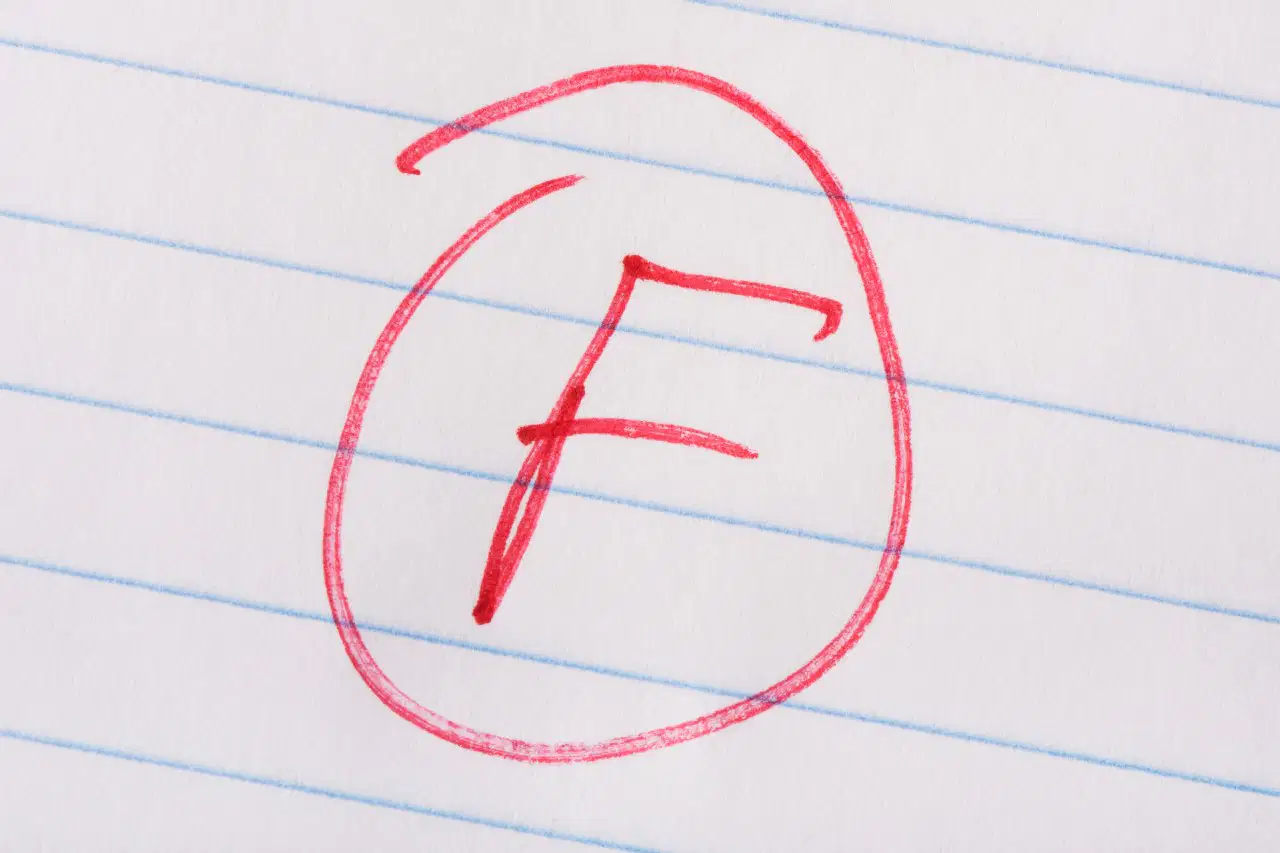
How can using AI on a test affect your score?
Never question chat gippidy!
It will get all the answers.
It will earn you a 0.
You will most correct.
What prediction can be made about the future of Jurassic Park based on the text evidence?
The park will become a successful tourist attraction.
The park will face continuous challenges and potential disasters.
The park will become a TV show where people try to survive for a million dollars.
The park will be relocated to a safer location.
How does the author use the character of Dr. Alan Grant to support the theme of survival in "Jurassic Park"?
By showing his lack of survival skills.
By highlighting his expertise in paleontology.
By demonstrating his ability to adapt and survive in dangerous situations.
By focusing on his academic achievements.
What is the connotation of the word "extinct" as used in the context of "Jurassic Park"?
A positive state of being.
A temporary condition.
A permanent loss and absence.
A reversible situation.
Analyze the text to draw a conclusion about the role of technology in "Jurassic Park." What does the reliance on technology suggest?
Technology is infallible and always reliable.
Technology can replace human judgment and decision-making.
Over-reliance on technology can lead to unforeseen consequences.
Technology is unnecessary in managing the park.

What inference can be made about the author's view on human intervention in nature from "Jurassic Park"?
Human intervention is always beneficial to nature.
Human intervention can lead to unintended and dangerous consequences.
Human intervention is irrelevant to the natural world.
Human intervention is necessary for nature's survival.
Evaluate the author's position on the ethical implications of cloning as presented in "Jurassic Park."
The author supports cloning without restrictions.
The author is neutral on the topic of cloning.
The author raises ethical concerns about cloning.
The author believes cloning is the solution to extinction.

Why do you need to read the captions in an Audiobook as you listen to the reader?
engage with the text
annoy yourself faster
don't fall asleep
check AI's spelling

What generalization can be made about the theme of hubris in "Jurassic Park"?
Hubris leads to success and admiration.
Hubris is a minor flaw with little impact.
Hubris can result in catastrophic consequences.
Hubris is necessary for innovation.

How does the author use evidence to support the theme of unpredictability in "Jurassic Park"?
By showing the dinosaurs' predictable behavior.
By detailing the park's flawless security systems.
By describing the unexpected failures of the park's systems.
By focusing on the park's successful opening day.
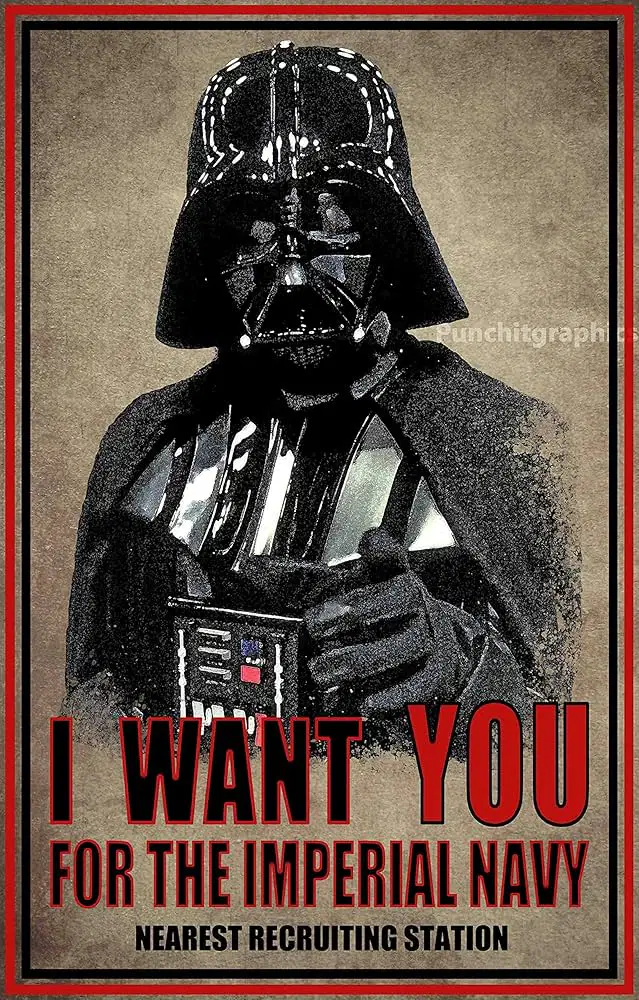
Why is important to read good quality literature?
It will help you to explore the many biomes of planets and the galactic conflict of a space ninjas a long time ago in a galaxy far far away.
It will help you to crush your enemies, see them driven before you, and hear the lamentations.
It will help you develop an appreciation for a great joy in life that some never discover.
It will help you to look really smart by having a lot of books on you shelves that you invite people over to see them but you have never actually read them.

Why is it important to know how to write an argumentative essay?
I would argue that it is not.
If you ever catch a case you need to know how to represent.
The ability to represent your ideas and point of view is a life skill.
get that money; no cap

What lesson does "Jurassic Park" teach about the impact of human actions on nature?
Human actions are always in harmony with nature.
Human actions can result in unforeseen and perilous outcomes.
Human actions have no effect on the natural world.
Human actions are crucial for the preservation of nature.
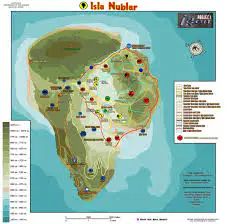
How does the author use evidence to support the theme of unpredictability in "Jurassic Park"?
By showing the dinosaurs' predictable behavior.
By detailing the park's flawless security systems.
By describing the unexpected failures of the park's systems.
By focusing on the park's successful opening day.
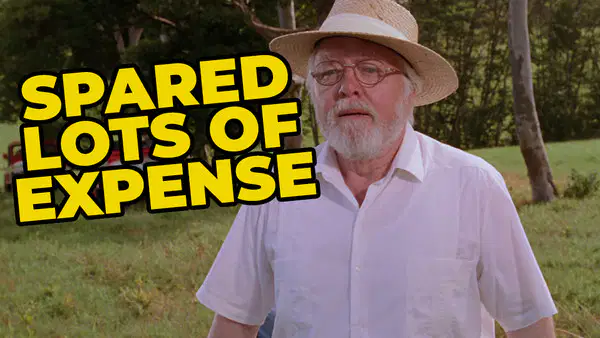
Analyze how the theme of control is developed through the characterization of John Hammond in the first seven chapters of "Jurassic Park."
Through his interactions with the scientists, showing his desire to control nature.
Through his financial investments, indicating his control over the park's operations.
Through his conversations with the lawyer, demonstrating his control over legal matters.
Through his relationship with his grandchildren, showing his control over family dynamics.
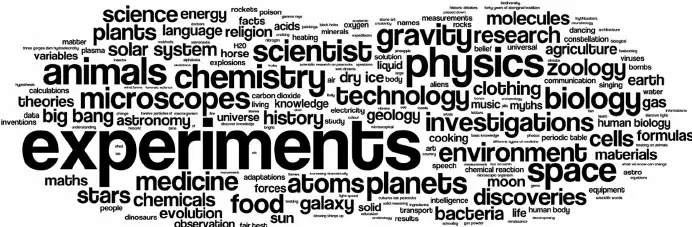
What is the primary purpose of the author's use of scientific terminology in the first seven chapters of "Jurassic Park"?
To confuse the reader with complex language.
To establish credibility and authenticity in the narrative.
To entertain the reader with technical jargon.
To create a sense of mystery and suspense.

In the first seven chapters of "Jurassic Park," what inference can be made about the character of Dr. Grant based on his interactions with the other characters?
He is uninterested in the park's technology.
He is skeptical of the park's safety measures.
He is eager to exploit the park for personal gain.
He is indifferent to the ethical implications of cloning.

What is the main argument presented by the character Ian Malcolm in the first seven chapters of "Jurassic Park"?
The park is a groundbreaking achievement in science.
The park is a dangerous experiment that will fail.
The park is a profitable business venture.
The park is a safe and controlled environment.
Which of the following best describes the author's use of language to create tension in the first seven chapters of "Jurassic Park"?
Use of detailed scientific explanations.
Use of vivid descriptions of the dinosaurs.
Use of dialogue between characters.
Use of foreshadowing and suspenseful language.

What evidence from the first seven chapters of "Jurassic Park" supports the inference that the park's security measures are inadequate?
The presence of high-tech surveillance systems.
The escape of a dinosaur from its enclosure.
The detailed safety protocols in place.
The confidence of the park's staff in their systems.
What is the author's purpose in including the character of the lawyer, Donald Gennaro, in the first seven chapters of "Jurassic Park"?
To provide comic relief.
To represent the financial interests in the park.
To serve as a moral compass.
To act as a scientific advisor.

How does the author use the character of Dr. Sattler to convey themes of scientific curiosity in the first seven chapters of "Jurassic Park"?
By showing her disinterest in the park's operations.
By highlighting her excitement and engagement with the park's discoveries.
By depicting her skepticism towards the park's technology.
By illustrating her fear of the dinosaurs.

What is the main theme introduced in the first seven chapters of "Jurassic Park"?
The triumph of human innovation.
The ethical implications of genetic engineering.
The beauty of prehistoric life.
The financial success of the park.
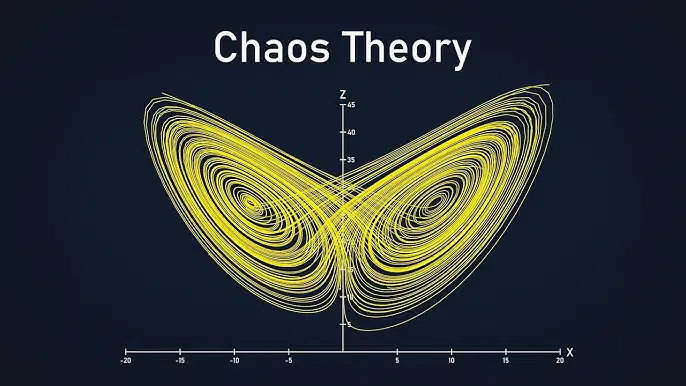
Which character in the first seven chapters of "Jurassic Park" is most associated with the theme of chaos theory?
John Hammond
Dr. Alan Grant
Ian Malcolm
Dr. Ellie Sattler
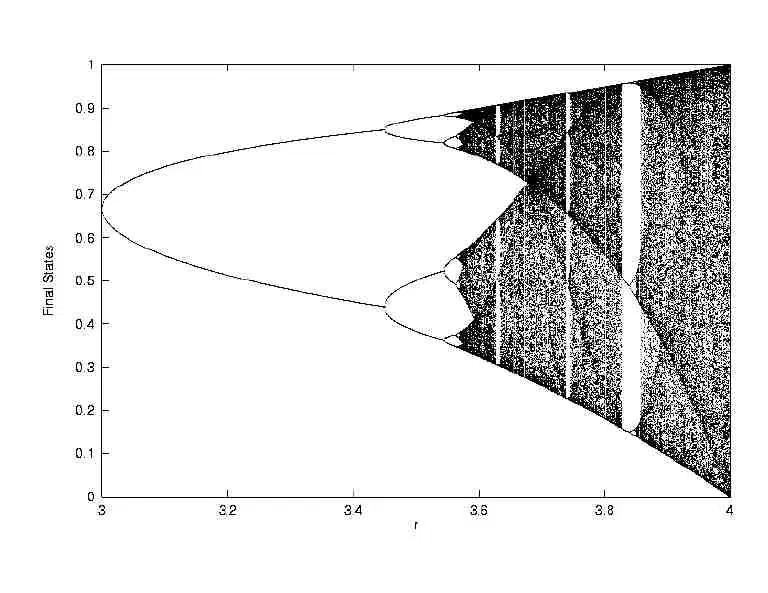
What reasoning does Ian Malcolm use to argue against the safety of Jurassic Park in the first seven chapters?
The park's technology is outdated.
The unpredictability of complex systems.
The lack of financial resources.
The incompetence of the park's staff.
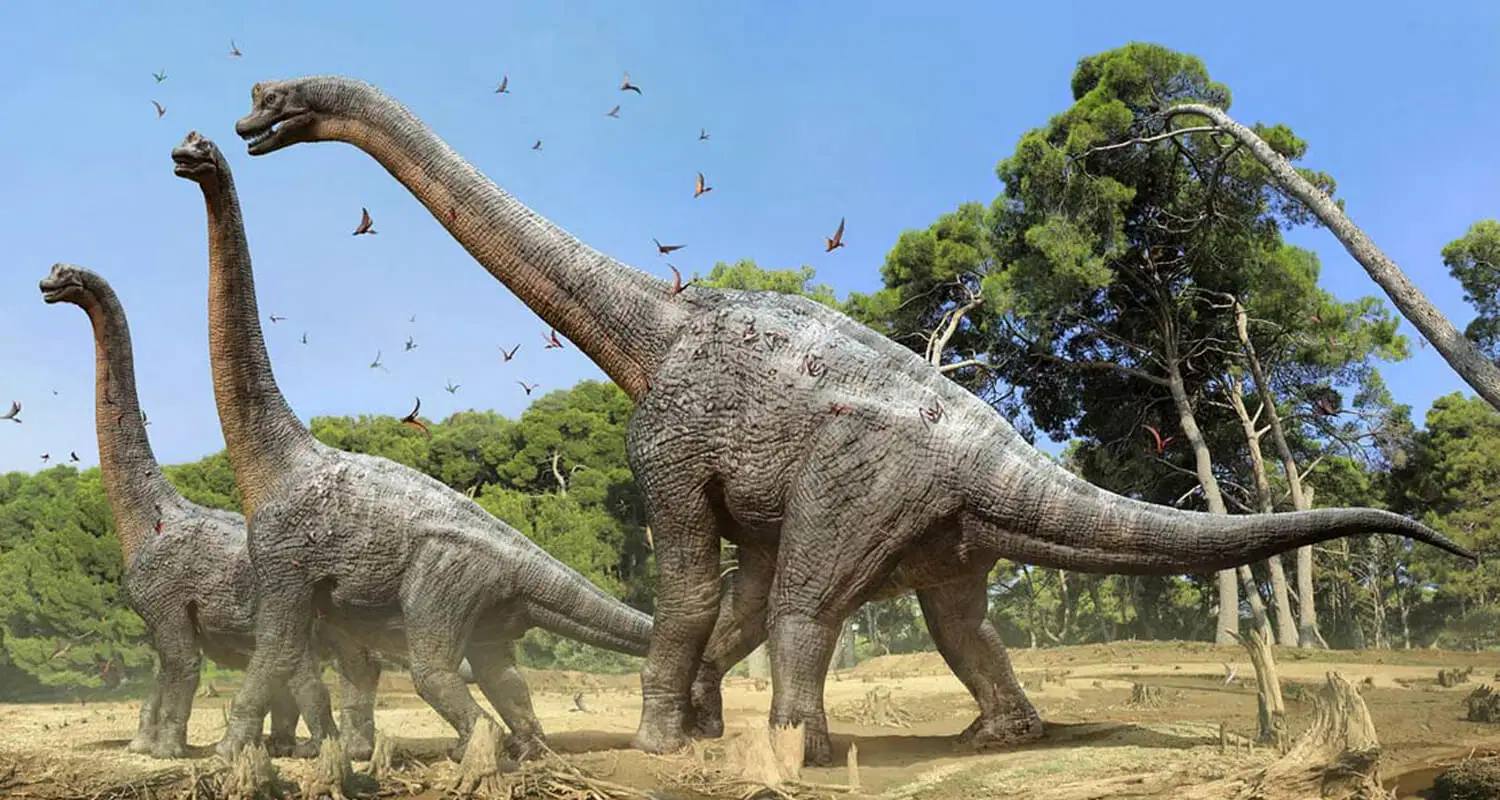
How does the author use language to convey the grandeur of the dinosaurs in the first seven chapters of "Jurassic Park"?
By using technical jargon.
By employing vivid and descriptive imagery.
By focusing on the dinosaurs' behavior.
By highlighting the dinosaurs' size and power.

What is the author's message about the relationship between humans and nature in the first seven chapters of "Jurassic Park"?
Humans can easily control nature with technology.
Nature is a force that humans cannot fully control.
Humans and nature are in perfect harmony.
Nature is irrelevant to human progress.

What is the primary conflict introduced in the first seven chapters of "Jurassic Park"?
The financial struggles of the park.
The ethical dilemmas of cloning dinosaurs.
The technical challenges of maintaining the park.
The interpersonal conflicts among the characters.
How does the author use the character of John Hammond to explore the theme of ambition in the first seven chapters of "Jurassic Park"?
By showing his reluctance to take risks.
By highlighting his desire to create something unprecedented.
By depicting his fear of failure.
By illustrating his contentment with small achievements.

What is the main argument presented by the character John Hammond in the first seven chapters of "Jurassic Park"?
The park is a dangerous experiment that will fail.
The park is a groundbreaking achievement in science.
The park is a profitable business venture.
The park is a safe and controlled environment.

What is the significance of the character Ian Malcolm's role in the first seven chapters of "Jurassic Park"?
He represents the financial interests in the park.
He serves as a voice of caution and skepticism.
He acts as a scientific advisor.
He provides comic relief.

How does the author use language to convey the excitement of discovering living dinosaurs in the first seven chapters of "Jurassic Park"?
By using technical jargon.
By employing vivid and descriptive imagery.
By focusing on the dinosaurs' behavior.
By highlighting the dinosaurs' size and power.

What is the author's message about the consequences of unchecked ambition in the first seven chapters of "Jurassic Park"?
Unchecked ambition leads to innovation and progress.
Unchecked ambition can result in unforeseen dangers.
Unchecked ambition is necessary for success.
Unchecked ambition is irrelevant to scientific discovery.
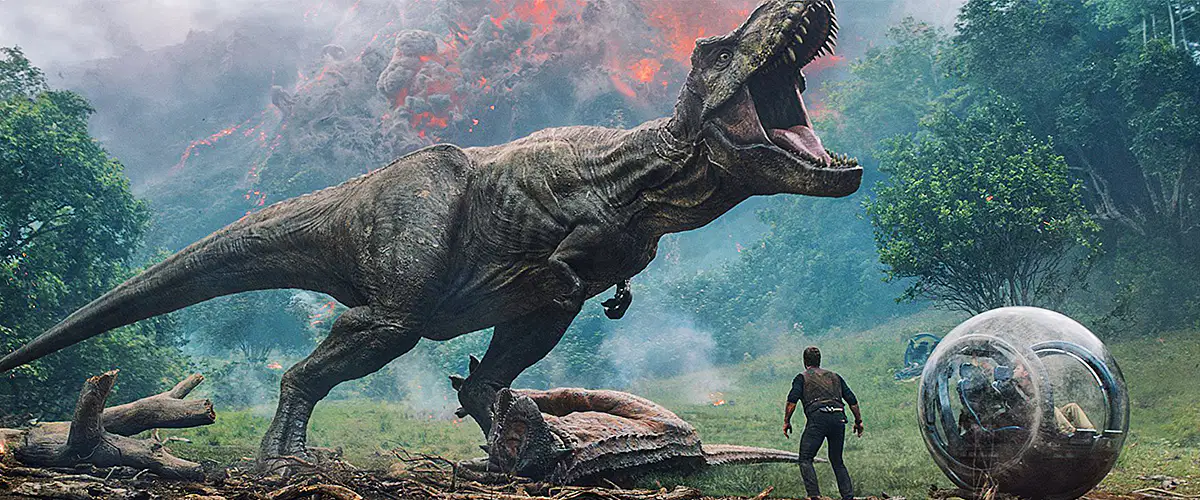
What reasoning does John Hammond use to argue for the success of Jurassic Park in the first seven chapters?
The park's technology is outdated.
The park's potential for profit and innovation.
The lack of financial resources.
The incompetence of the park's staff.

How does the author use the character of Dr. Sattler to convey themes of scientific curiosity in the first seven chapters of "Jurassic Park"?
By showing her disinterest in the park's operations.
By highlighting her excitement and engagement with the park's discoveries.
By depicting her skepticism towards the park's technology.
By illustrating her fear of the dinosaurs.
Which term refers to a recurring element that has symbolic significance in a story?
Motif
Theme
Trope
Hyperbole

What is the term for a situation where there is a contrast between expectation and reality?
Motif
Irony
Allusion
Diction
Which literary device involves the use of vivid and descriptive language to add depth to the text?
Irony
Imagery
Theme
Trope
What is the term for an exaggerated statement that is not meant to be taken literally?
Hyperbole
Irony
Motif
Allusion

Which term describes the choice of words and style of expression that an author uses in a text?
Imagery
Diction
Theme
Trope

What literary device is used when an author makes a reference to a well-known person, place, event, or work of art?
Hyperbole
Allusion
Irony
Motif
What is a common or overused theme or device in literature known as?
Imagery
Trope
Diction
Irony
What is the central topic or idea explored in a text?
Theme
Allusion
Motif
Hyperbole

Which literary device is used when the author gives human characteristics to non-human objects or abstract ideas?
Hyperbole
Personification
Irony
Allusion

What is the term for the development and change of a character throughout a story?
Characterization
Character development
Plot development
Theme
What is VERBAL IRONY?
When the audience knows something a character doesn't know.
When what is said is different than what is meant.
When what happens is the opposite of what is expected.
What is SITUATIONAL IRONY?
When the audience knows something a character doesn't know.
When what is said is different than what is meant.
When what happens is the opposite of what is expected.
What is DRAMATIC IRONY?
When the audience knows something a character doesn't know.
When what is said is different than what is meant.
When what happens is the opposite of what is expected.

What type of irony is this?
(a)

What type of irony is this?
Not ironic, just more bad luck.
Verbal irony
Situational irony
Dramatic irony

Looking at the messy room, Mom said, "Wow, you could win an award for cleanliness!"
Dramatic irony
Verbal irony
Situational irony
Not ironic, annoying
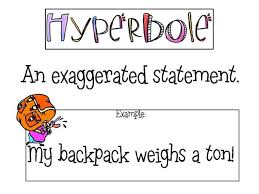
Hyperboles are phrases that
compare two unlike things
exaggerate
give person-like qualities to animals and things
have a different meaning than the words.

Harold ate a large sandwich for lunch.
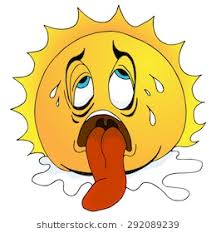
My house was hot as 10,000 suns!
Hyperbole
Not a hyperbole
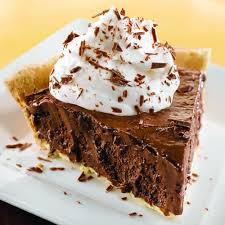
I am so hungry I could eat a slice of pie.
Hyperbole
Not a Hyperbole
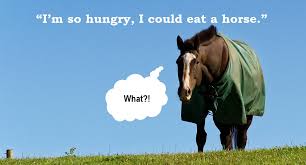
I am so hungry, I could eat a horse.
Hyperbole
Not a Hyperbole
Which of the following is an example of theme?
Cinderella was thoughtful and kind.
Jack risked his life to save Jane.
Don't judge people by outward appearances.
Happiness

