
 Worksheets
EOY - Review (Indian Wars, Cattle Boom, Oil, Railroad, Galveston
Total questions: 41
Worksheet time: 27mins
In which dates below did wars with American Indians and cattle drives take place?
1820-1835
1836-1845
1860-1900
1920-1935
Which of the following explains a change in lifestyle of American Indian tribes after the Civil War?
Many tribes experienced drought and famine
Many tribes moved westward to find buffalo
Tribes were removed to reservations
Tribes switched to farming after the buffalo herds disappeared
Which of the following factors was MOST effective in preventing the settlement of West Texas?
distance
hot temperatures
poor, rocky soil
Native American attacks
-Son of an American women captured by the Comanches
-My tribe roamed West Texas
-I eventually assimilated into American culture and influenced other American Indians to do so
Who am I?
Iron Jacket
Quanah Parker
John Wallace
Peta Nocona
The buffalo soldiers helped to shape the history of Texas because they were -
American Indians who fought with Texas during the Civil War
African Americans who guarded the Texas frontier after the Civil War
Anglo Americans who sided with Mexico before the Texas Revolution
Mexican Americans who defended the Alamo during the Texas Revolution
The buffalo soldiers helped to shape the history of Texas because they were -
American Indians who fought with Texas during the Civil War
African Americans who guarded the Texas frontier after the Civil War
Anglo Americans who sided with Mexico before the Texas Revolution
Mexican Americans who defended the Alamo during the Texas Revolution
How did the end of the Civil War affect the cattle industry?
Much of the land used for grazing was destroyed in the war
Farmers had to move west and take land needed for grazing
The demand for beef in the East brought rapid growth to the industry
The loss in the Confederacy brought many cowboys to the cattle industry
Which of the following is a likely result of the opening of West Texas to railroads and agriculture from the settlement of previous Indian lands?
Increased number of Indian tribes in an area
Increased number of communities and therefore merchants
Decreased number of communities and merchants
No change in the social and economic status of the region
Which industry caused the MOST change in the economic development of East Texas during the early 1900s?
oil
cattle
cotton
aerospace
One consequence of the use of barbed wired on the frontier of Texas included —
the introduction of rodeos
the end of the cattle drives
a decline in the number of cattle ranches
an increase in conflicts with American Indian tribes
People given the right to decide on issues is
Manifest Destiny
Popular sovereignty
Indian Removal Act
Mayflower Compact
Why did the white settlers and the American Indians begin having conflicts?
White settlers felt they had the right to settle on American Indian land
American Indians built fences to keep the settlers' cattle out
White settlers kidnapped American Indian children
Gold was discovered on American Indian land
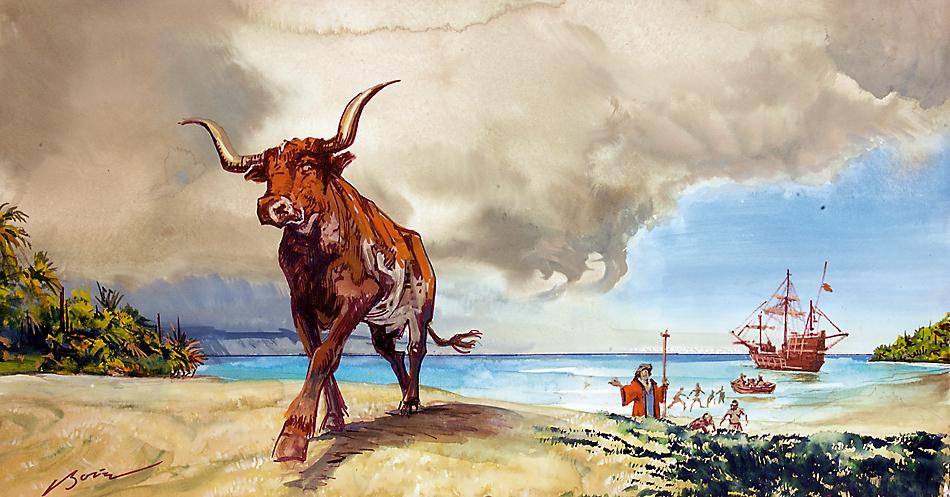
Which country brought cattle to Texas and the rest of the United States?
Spain
England
France
United States
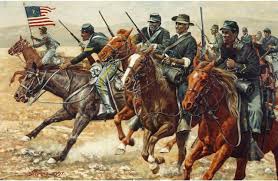
"Buffalo Soldiers" were African American soldiers who were given their nickname by who?
Tejanos
Native American Tribes
American Soldiers
Mexican Citizens
the three industries responsible for helping to establish the Texas economy
oil
military
cotton
railroads
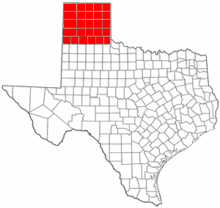
What region of Texas was the main location of the Red River War fought?
North Central Plains
Great Plains
Coastal Plains
Mountains and Basins

A hired hand who tends cattle and performs other duties on horseback.
Cowboy
Official
Texan
Solider

______________ was an invention used to keep cattle in one area.
sodbuster
steel plow
barbed wire
free silver

MOVING TO THE CITY
RURAL
EXPANSION
URBANIZATION
SETTLEMENT

The first railroad to cross the United States was the....
Union Pacific Railroad
Central Pacific Railroad
Missouri Railroad
Transcontinental Railroad

Breed of cattle, known for their ability to withstand hot and cold as well as their massive horns.
Longhorn
Primo Pick
Angus
Charlee
An undeveloped area, wilderness
desert
valley
frontier
city
Where were the cattle drives headed?
north, to the railroads
south, to Mexico
east, to markets in Florida
west, to California
Which of the following is a consequence of the use of barbed wire in Texas?
Rodeos
End of Cattle Drives
The number of ranches declined
Battles with Native Americans
My mother was an Anglo who was captured by the Comanche. I was the last Chief of the Comanche and my tribe roamed in West Texas and Palo Duro Canyon. I eventually joined mainstream American culture and posed for many pictures. Who Am I?
Yellow Jacket
Quanah Parker
Chief Nocona
Gio Royal
Paths taken by cattle drivers to get cattle to certain railroad towns to the North.
Cattle Brand
Cattle Drive
Cattle Ranch
Cattle Trail
Created to keep cattle fenced in using barbs and ended the Open Range era. Invented by Joseph Glidden
hot wire fence
gate
Barbed wire fence
cedar fence
A design originated by the owner of the cattle burned in to cattle to identify the owners
Cattle Branding
Cattle Ranch
Cattle Drive
Cattle Trail
Used to transport cotton, cattle, and cargo to markets in the East
cars
steam boats
Railroads
helicopters
The team of men moving cattle from ranches to railroad towns-
cattle drive
native reservation
Buffalo soldiers
railroads
Who were the Buffalo Soldiers?
A group of Native American warriors
A regiment of African American soldiers
A band of outlaws in the Wild West
A famous group of cowboys

The first big oil find in Texas, setting off the oil boom, was found at Spindletop in ______?
1865
1931
1920
1901
Which definition correctly describes a boom and bust cycle?
A time when business is declining.
When government is helping business succeed.
A time of business decline, followed by a time of success.
A period of great profits and success, followed by a time of business decline.


Oil was referred to as _________________________ since it had the power to make overnight millionaires.
Crude Gold
Crude Money
Liquid Cash
Black Gold
What is the 'Great Storm' known as in U.S. history?
The deadliest natural disaster
The largest earthquake
The longest drought
The coldest winter

What happens during the boom phase of the cycle?
Economy shrinks and jobs are lost
Investors lose money
Economy grows and jobs are plentiful
Consumers cut spending
What happens during the bust phase of the cycle?
Economy shrinks and jobs are lost
Investors lose money
Economy grows and jobs are plentiful
Consumers cut spending

