
 Worksheets
2025 Unit 2 Psych Review
Total questions: 42
Worksheet time: 25mins
Personality is best defined as an individual's
characteristic pattern of thinking, feeling, and acting.
most noticeable characteristics.
biologically inherited temperament.
hidden thoughts and emotions.
The Big 5 Personality traits include:
Openness & Conscientiousness
Extraversion & Agreeableness
Assertiveness & Integrity
Neuroticism
The ideas of Id Ego Superego came from which of the following psychologists?
Freud
Rogers
Allport
Maslow
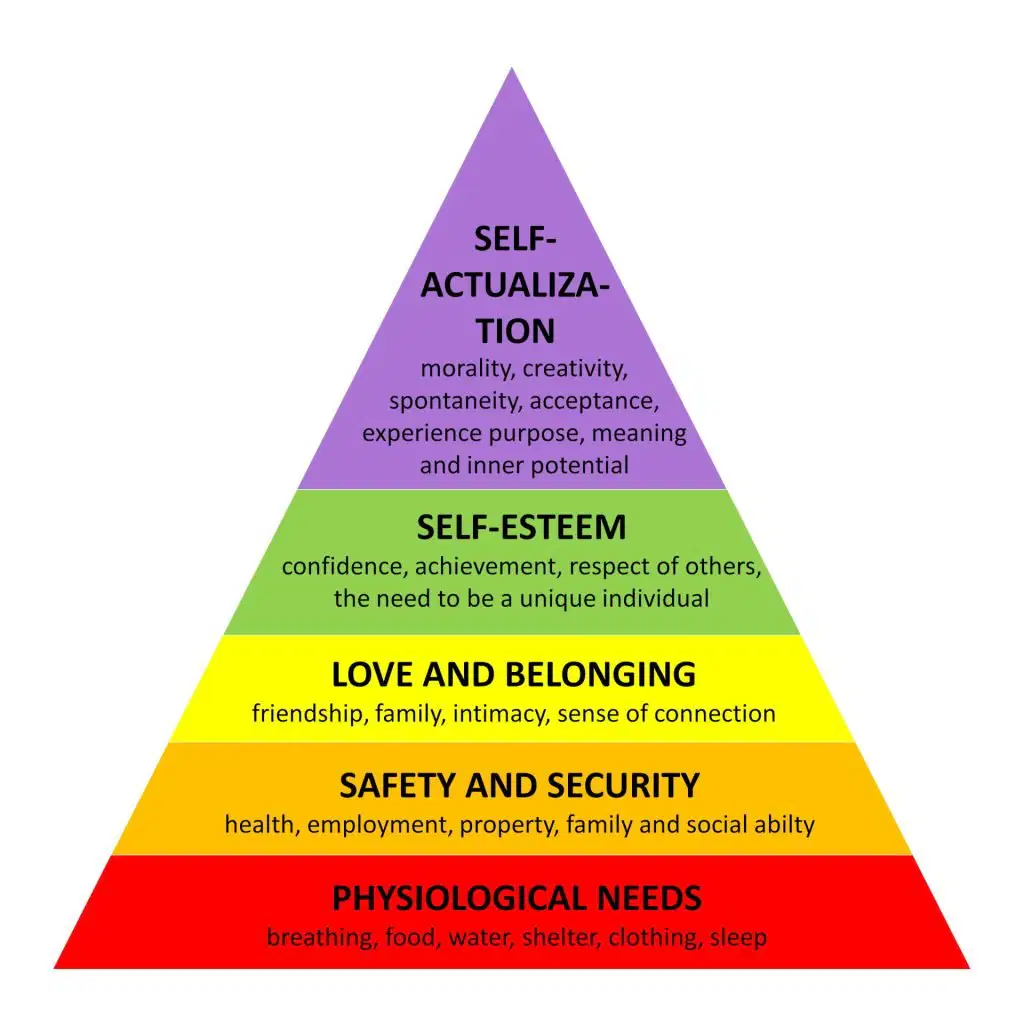
According to Freud, which parts of the personality are constantly in conflict? (a)
What is the bystander effect?
The tendency for bystanders to become aggressive in group settings.
The tendency for any given bystander to be less likely to give aid if other bystanders are present.
The tendency for bystanders to ignore social norms and act impulsively.
The tendency for bystanders to intervene and help in emergency situations.
The "Id" is defined as which part of your human personality?
Based on morals and judgments about right and wrong
Dealing with reality
Needing to look good
Desires or basic drives
Which of the following is a predominant evolutionary theory of phobias?
Non-associative fear acquisition.
Learned fear responses.
Biological preparedness.
Specific phobia acquisition.
A personality assessment in which a person responds to ambiguous stimuli, revealing unconscious feelings, impulses, and desires ________.
self-report inventory
Rorschach projective test
Minnesota Multiphasic Personality Inventory (MMPI)
Myers-Briggs Type Indicator (MBTI)
What psychologist used ink blots to determine how people project personal association with random shapes?
Sigmund Freud
Herman Rorschach
Albert Adler
Karen Horney
According to Freud, this part of the dream is the actual dream itself, whereas this part of the dream is the hidden meaning of the dream.
Manifest Content; Latent Content
Latent Content; Manifest Content
Our awareness of ourselves and our environment is called
Hypnosis
Circadian Rhythm
Consciousness
Dreaming
What is consciousness?
Consciousness is the ability to control one's dreams.
Consciousness is a form of deep sleep.
Consciousness is the state of being aware and perceiving one's surroundings, thoughts, and emotions.
Consciousness is the result of brain activity.
Which stage of sleep is associated with vivid dreaming?
REM sleep
Light sleep
Deep sleep
NREM sleep
What is sleep deprivation?
The condition of having interrupted sleep.
The condition of not having enough sleep.
The condition of not needing sleep.
The condition of having too much sleep.
What is the circadian rhythm?
A natural, internal process that regulates the sleep-wake cycle and other bodily functions over a 24-hour period.
A type of diet plan
A form of meditation
A type of exercise routine
What is insomnia?
Excessive sleepiness
Difficulty falling asleep or staying asleep
Sleeping well throughout the night
Sleeping too much
What is sleepwalking?
A type of exercise done while sleeping
A sleep disorder where a person gets up and walks around while still asleep.
A condition where a person talks in their sleep
A form of meditation practiced during sleep
Sleep enhances and consolidates ....
bone density
memories
digestion
coordination
Stage 3 sleep disorder that may cause you to wake up screaming or sweating.
What is sensation?
refers to the process of sensing our environment through touch, taste, sight, sound, and smell.
refers to how the mind loses information
refers to how we store information
Which defines perception?
how we perceive different things
how we interpret the information from the external world
how we sense things from the external world
When the raw sensory stimulus activates a sensory receptor, we call this process:
Sensation
Perception
Recognition
Response system
The type of learning in which a stimulus gains the power to cause a response because it reliably predicts another stimulus is called:
Operant Conditioning
Classical Conditioning
Observational Learning
Cognitive Learning
Anything in the environment that one can respond to is a:
Reinforcer
Response
Discriminator
Stimulus
Which of the following is an unconditioned response?
clapping after a thrilling concert performance
jumping rope
running through a maze to get a food reward
sweating in hot weather
Brad proposed to Angelina at an Italian restaurant and to his great delight, she said "Yes." Now every time Brad goes to that restaurant he gets a happy feeling. What is the conditioned stimulus?
the restaurant
feeling happy in the restaurant
the acceptance of the proposal
feeling happy when the proposal was accepted
In Watson's famous research with Little Albert, the conditioned response was:
the cute little rat
the loud noise
fear of the rat
fear of the loud noise
In Ivan Pavlov's demonstration of classical conditioning, what was the Unconditioned Response?
dog food
Bell
Salivation to the dog food
Salivation to the sound of the bell
Masako was hit with a baseball last week during practice and now refuses to play. This behavior best illustrates the effects of:
delayed reinforcers
negative reinforcers
primary reinforcers
punishments
Seals in an aquarium will repeat behaviors, such as slapping and barking, that prompt people to toss them a herring. This example best illustrates:
discrimination
observational learning
positive reinforcement
spontaneous recovery
Sandra and Neil are new parents. When they put the baby to bed each night the baby cries and cries. Finally the parents can't stand it any more so they pick her up and walk her. The baby is quiet while being held. Are the parents likely to continue to pick up the baby when she cries?
No, they will get tired of it eventually.
Yes, they have been negatively reinforced for that behavior.
No, they have been punished by the crying.
Yes, they have been positively reinforced for that behavior.
Maggie cries and throws a temper tantrum at the store and her mother ignores her and does not give her any attention. Maggie is less likely to have a tantrum the next time she is at the store because that behavior was:
punished
reinforced
discrminated
shaped
Stan touched the hot burner on the stove. It burned him and he cried out. The next day when he just saw the red burner, he cried out. Crying out when he saw the hot burner is:
a conditioned response
an unconditioned response
a conditioned stimulus
an unconditioned stimulus
Sigmund Freud developed which of the following modern approaches?
behavioral
cognitive
humanistic
psychoanalytic
Consider this: It is the early 20th century and you are the personal assistant of Sigmund Freud. As you've listen to him speak, you can second-guess what he is about to say. One time, Freud was saying, "Anxiety, fear, and psychological problems are caused by..." and he paused as he thought. You suddenly said to him what would ultimately become a key concept in psychoanalytic thought. What did you say?
"...unfulfilled human potential!"
"...imbalance in brain chemicals like serotonin!"
"Herr Freud, it is unconscious thoughts and feelings!"
"...excessive rewards and punishments!"
What do we call an individual's characteristic pattern of thinking, feeling, and acting?
personality
preconscious
psychoanalysis
psychodynamic

