
 Worksheets
G6-S2-Final term Review
Total questions: 170
Worksheet time: 2hrs 38mins

Choose the best description below for the image
physical change
chemical change

Choose the best description below for the image
physical change
chemical change

Choose the best description below for the image
physical change
chemical change

Choose the best description below for the image
physical change
chemical change

Choose the best description below for the image
physical change
chemical change

Did a chemical change take place?
yes
no

Did a chemical change take place?
yes
no

Did a chemical change take place?
yes
no

Did a chemical change take place?
yes
no

Did a chemical change take place?
yes
no
Which of the following could indicate that a chemical change took place?
Change in color
Production of Energy
Formation of Gas
All are correct
The formation of a solid when two liquids combine is called?
Solidification
Freezing
Precipitate
Solubility
Which type of change is most often easily reversed?
Chemical
Physical
Both a physical and chemical change.
Neither a physical or chemical change.

Identify what type of change happening in the picture below...
Chemical Change
Physical Change
Endothermic Reaction
Exothermic Reaction

Identify what type of change happening in the picture below...
Chemical Change
Physical Change
Endothermic Reaction
Exothermic Reaction

Identify what type of change happening in the picture below...
Chemical Reaction
Physical Change
Change in State
Change in appearance only
Which of the following is an example of a physical change?
A glass falling and shattering on the floor.
Baking a birthday cake.
Burning a piece of paper.
Baking soda and vinegar mixing together.
Which is not a clue that could indicate a chemical change has occurred?
Change in color
Change in shape
Release of energy
Formation of an odor
Which type of change are irreversible?
Chemical Changes
Physical Changes
Changes in State
Changes in Temperature

Solid
Liquid
Gass

Which image shows particles in a solid?


Which image shows particles in a liquid?
Which image shows particles in a gas?

A _____________ is matter that has a definite shape and takes up a definite amount of space.
Solid
Liquid
Gas
Particles
An _______ change cannot be undone because the change is permanent and generally creates a new substance.
Reversible
Irreversible
Irreversible changes can also be called
Physical changes
Chemical changes
Reversible changes are also called
Physical changes
Chemical changes

Burning of paper is a _______________ change
Reversible change
Irreversible change

Melting of butter is a _______________ change
Reversible change
Irreversible change

Rusting of iron is a _______________ change
Reversible change
Irreversible change

Frying an egg is a _______________ change
Reversible change
Irreversible change

Boiling of rice is a _______________ change
Reversible change
Irreversible change

Cutting your hair is an example of a ___________ change.
physical
chemical
The production of carbon dioxide gas when baking soda and vinegar reacted indicated a _____________.
Chemical change
Physical change
What is the best evidence that a chemical reaction has taken place?
A new substance is formed.
Production of gas
Formation of a precipitate
Cutting a piece of wood is an example of a
Chemical Change
Physical Change
Constellation is a group of (a) to make a pattern in the sky.

What is the name of this constellation?
Big dipper
Orion
Southern Cross
Scorpion
The Big Dipper


Which constellation is best known because it contains the ‘big dipper’, which looks like a ladle.
Ursa Major
Ursa Minor
Orion
Scorpion


As the Earth rotates on its axis, the constellations and stars in them appear to _________.
move across the sky
stand still in the sky
move around each other
rotate

The diagram shows a constellation. Why can't we see constellations during the day?
They move
Its not dark
The sun is too bright
They change shape
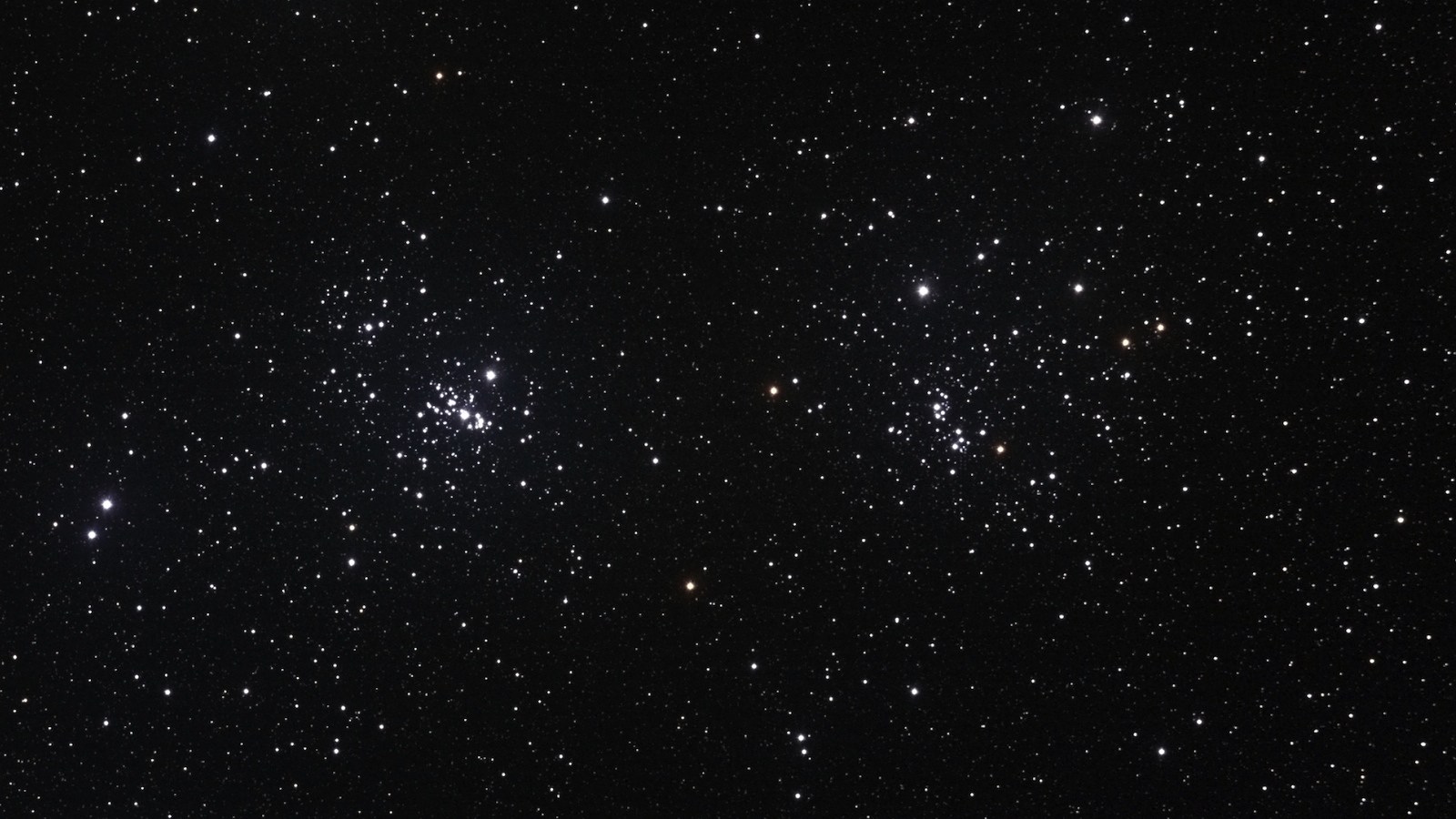
The sun is a glowing ball of _______.
fire
energy
super hot gases
rocks
The sun is a _______.
star
planet
satellite
meteor
How old is the Sun?
about 2018 years old
about 5 billion years old
about a gazillion years old
about 5 million years old
About how hot is the core of the Sun?
15,000,000 degrees Celsius
1,000,000 degrees Celsius
5,000 degrees Celsius
How long does it take light from the Sun to get to Earth?
about 8 minutes
about 8 seconds
about 8 hours
about 8 days
All stars, including our Sun, are mostly made of these 2 elements
hydrogen and helium
hydrogen and oxygen
iron and nickel
vibranium and adamantium
What is the name of the process by which stars produce their energy?
nuclear fusion
convection
hydrogen fusion
radiation
The sun's __________keeps all of the objects in our
solar system orbiting around it
mass
weight
gravitational pull
orbit
The majority of the mass in our solar system is in the __________.
Asteroid Belt
Moon
Sun
Earth
Gases of the sun both rise and
sink here as they cool while they
radiate out from the innermost section.
Radiation Zone
Core
Photosphere
Convection Zone
The first layer in the Sun’s interior.
Enormous amounts of energy are produced here through nuclear fusion.
Corona
Core
Photosphere
Convection Zone
What is the hottest planet in our solar system?
Earth
Mars
Venus
Mercury
Select the names and correct order of the inner planets...
Jupiter, Saturn, Uranus, Neptune
Mercury, Venus, Earth, Mars
Mars, Jupiter, Uranus, Saturn
Venus, Mercury, Mars, Earth
What is the only planet known to have organic life?
Venus
Mars
Jupiter
Earth
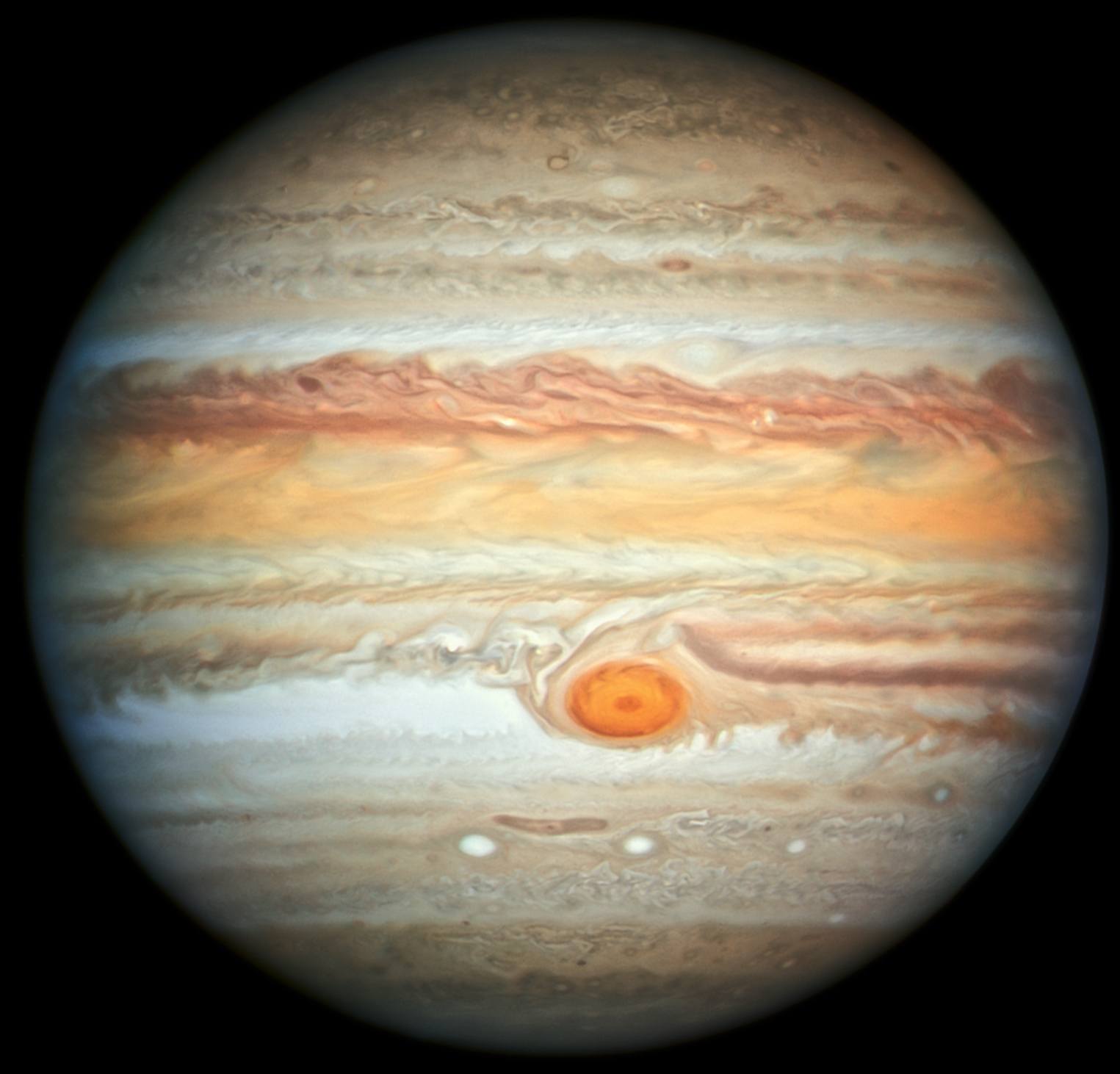
What is the largest planet in the solar system?
Jupiter
Saturn
Earth
Neptune
What is the correct order of the outer planets?
Earth, Mars, Jupiter, Saturn
Mercury, Venus, Earth, Mars
Saturn, Jupiter, Uranus, Neptune
Jupiter, Saturn, Uranus, Neptune
How many planets are in our solar system?
7
9
8
10
What is at the middle of a Heliocentric system?
Mars
Moon
Sun
Earth
What is at the middle of a Geocentric system?
Sun
Neptune
Earth
The Universe
Who proposed the Heliocentric system?
Copernicus
Ptolemy
Aristotle
Galileo
Who supported the Geocentric system?
Ptolemy
Aristotle
Copernicus
Galileo
What does the Heliocentric system look like?


What does the Geocentric system look like?
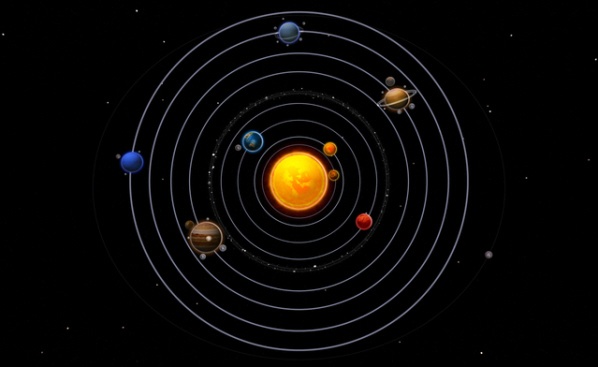
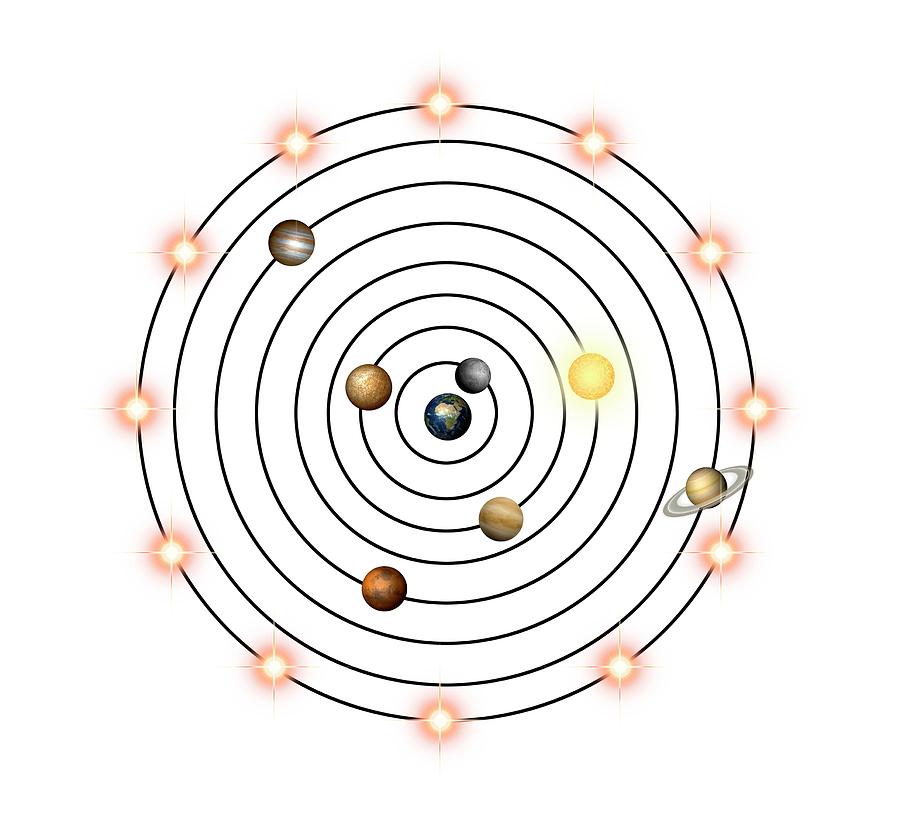
What is the biggest difference between the Geocentric Model and the Heliocentric Model?
the shape of the planets' orbits
the movement of the moon
the center of the solar system


Which scientific instrument did Galileo use to change the world?
telescope
spyglass
mirror
magnifying glass
The distance light can travel in one year is ______________
15,000 kilometers
1 light-year
15 Astronomical Units
6,000 miles
Which unit of measurement is used to measure distances within our solar system?
inches
kilometers
miles
Astronomical units
What is Astronomical Unit?
The average distance between the Sun and the Moon
The average distance between Neptune and the Sun
The average distance between Earth and the Sun
The average distance between Earth and Moon
Polaris is also known as the...
Big Dipper
Little Dipper
North Star
South Star
Polaris is called the North Star because...
It is a cold star.
It is the brightest in the sky.
It is located above the Earth's North Pole.
It is only seen in the winter.
The Big Dipper is also known as ____ _______.
Ursa Major
Ursa Minor
How can you use Polaris (North Star) in everyday life?
Make a wish on it.
Use it for directions.
Use it to read in the dark.
Two stars in the _____ _______ point to the North Star.
Big Dipper
Little Dipper
Polaris is found on the end of the...
Big Dipper
Little Dipper
Galaxy
If 1 Astronomical Unit (AU) is equivalent to 150 million km, how far is Venus from the Sun in AU?
0.7 AU
1 AU
1.5 AU
0.5 AU
可逆的
(a)
不可逆的
(a)
化学的
(a)
物理的
(a)
排列
(a)
重新排列
(a)
氧气
(a)
二氧化碳
(a)
咀嚼
(a)
粒子
(a)
1.日心说:Having the Sun at the centre of the solar system.
(a)
2.地心说Having the Earth at the centre of the solar system.
(a)
3宇宙:Everything that exists, including all the stars, planets, and galaxies in space.
(a)
4. 星系:A very large group of stars held together.
(a)
5. The Sun and the group of planets that move around it.
(a)
6.轨道:The circular journey that a planet makes around the Sun, or a Moon makes around a planet.
(a)
7.天体:An object in space, like a star or a planet.
(a)
8.大气层 : The mixture of gases around the Earth.
(a)
9.星座 : A group of stars in the sky that seem to form a pattern / shape.
(a)
10.卫星:any celestial body orbiting around a planet or star
(a)
Biodiversity includes
certain types of ecosystems
certain habitats
some species
all kinds of ecosystems, habitats and species
A habitat is
a place where animals, plants and organisms make their home
a place where animals go to rest.
Rivers and rock pools are examples of
species
habitats
Biodiversity helps to maintain a balance across ecosystems, habitats and species
True
False

The endangered black rhinos is hunted for what?
its horns
its eyes
its meat

What endangered animal is the largest land mammal?
Hippos
Rhinos
African Elephants

Sea otters are in danger because of ................
hunting
destroyed habitat
glabal warming
pollution

People hunt sea turtles to take their ......
shell
tusks
horns
fur
Which of the following animal is endangered?


Which of the folllowing ISNOT a reason why animals become endangered?
global warming
destroyed habitat
immigration
overhunting
____live in China. There are about 2,000 in the world today.They are endangered because of loss of habitat and pollution.
Giant Pandas
Polar bears
flamingos
Rhinos
_______ are endangered because of loss of habitat, poaching and hunting baby gorillas to sell as exotic pets.
Mountain Gorillas
Polar bears
Snow leopards
Indian Rhinos
What is an inherited trait?
A trait handed down to you by your family.
A trait you developed because of the environment.
A trait handed to you from your friends.
A trait you developed as an adult.
What characteristic is most likely to be inherited by a baby?
Being hungry
The ability to talk
Crying every 5 minutes
Blue eyes
Which is an example of an observation of inherited traits in plants?
The plant with purple flowers came from a plant with purple flowers.
The plant with green seeds came from a plant with purple seeds.
The plant with purple flowers is facing the sun.
The plant with yellow leaves drank a lot of water.

Traits are passed down from parents to _____________.
inherit
trait
parent
child
Which of the following is an inherited trait of a plant?
Number of leaves
Broken stem
Color of flower
Wilted flowers




Which of these is an inherited trait?
a person's height
where a person lives
a person's ability to write
a person learning a new language

Which trait do children most likely inherit from their parents?
shape of earlobes
musical ability
personality
language

Which are examples of inherited traits?
specific beliefs
fingerprints
memories
nose shape

Matt is a tall, eleven-year-old boy. He has a scar on his right cheek. He is intelligent and an excellent drummer. Which of his traits did he most likely inherit?
his height
his scar on his right cheek
his intelligence
his ability to play the drums
An invertabrate is an animal (a) a backbone.
What animals here are vertabrates?
Fish
Worm
Crab
Starfish
Dog

Mammals, fish, birds, reptiles and amphibians are all ___.
invertebrate
vertebrate
What is the major difference between vertebrates and invertebrates?
Invertebrates are smaller than vertebrates.
Invertebrates live in water and vertebrates do not.
Invertebrates have a backbone and vertebrates do not.
Vertebrates have a backbone and invertebrates do not.

