
 Worksheets
Natural Disasters (Practice Quiz)
Total questions: 60
Worksheet time: 1hrs 11mins
A monsoon is a
seasonal wind
hurricane
drought
band instrument

Monsoons are seasonal winds, but the word can also be used to mean the
tsunami warnings
dry season
rainy season
high tide

The wet season monsoons are extremely important to South Asia's
schools
malls
textile industry
agriculture

Monsoons also help provide power to industries through cheaper
solar fields
hydroelectricity
coal production
oil drilling

The summer (wet season) monsoons blow in off of the
Indian Ocean
Himalayas
Indo-Gangetic Plain
Indus River

When the wet season monsoons bring ____________ rains, it is harmful because it causes flooding and mudslides.
late
adequate (just right)
weak
torrential (heavy)

When the wet season monsoons bring __________ rains it is harmful because there will be drought and crops will die.
adequate
torrential
heavy
weak or late

The dry season monsoons blow in from
Antarctica
the ocean
the land
all sides

The monsoons create two distinct seasons:
Rest and Work
Planting and Harvesting
Autumn and Spring
the wet season and the dry season
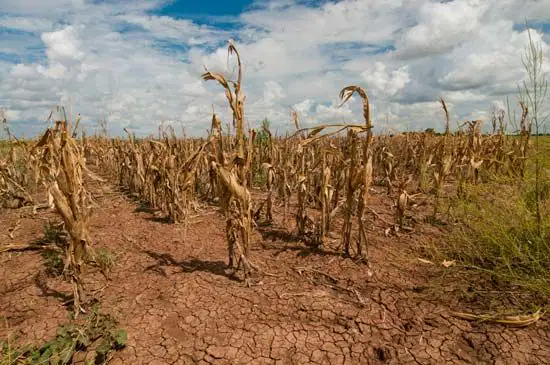
The winter or dry monsoon season can bring drought. Drought is
a snow storm
a cloudy day
A severe lack of rain
too much precipitation

Wet season rain fills up aquifers and wells that farmers can use to irrigate their crops when the weather is dry. What is an aquifer?
A metal water tank
A forest
A large aquarium
Underground layer of water
True/False
Monsoons have no effect on the economy of a country.
True
False
How many "seasons" are there in Monsoon Asia?
1
2
3
4
Precipitation is
Hot weather
Cold weather
Rain, snow, sleet and hail
Water
How can monsoons benefit the environment?
By causing landslides that remove old forests
By replenishing freshwater supplies
By drying up wetlands
By cooling ocean currents
How do monsoons affect river systems in heavily populated areas?
They clean the rivers of pollution
They dry up river beds
They can cause rivers to overflow and flood nearby communities
They freeze the water in rivers
True/False
Monsoons are caused by the Earth's magnetic forces.
True
False

Humans can reduce the effects of natural hazards by
by identifying and avoiding high-risk locations
by improving construction methods where they live
by developing warning systems
All of the above (choose this if ALL are correct and not the others)

Chain of events that cause a tsunami
Underwater (Event) Earthquake or Volcanic Eruption.
A wave (bumping up from event) forms 2-3 meters high.
As the wave moves to shallow waters the wave becomes taller.
Water recedes from shoreline.
First wave hits the shore with the most energy while others will continue for hours later.

The ring of fire is where the pacific plate meets other tectonic plates at a tectonic plate boundary. What are the risks living on the shores of the Ring of Fire? Choose up to 3 answers.
Blizzards
Earthquakes
Volcanoes
Tsunamis

What are the dangers during close proximity to a volcanic eruption?
Poisonous gases
Falling Ash
Fast moving lava
Erratic Rainfall
Earthquakes

In the event of an earthquake, what group of people would be in the most danger from damage caused by the earthquake?
The group living on an island in the middle of an ocean
The group living in the highest elevation of the mountains
The group living near the San Andreas fault zone
The group living near Mount St. Helens
A disaster is what could happen, a hazard is after it has an impact on humans
a fast-moving current of hot gas and volcanic matter that flows along the ground away from a volcano
aa lava
pyroclastic flow
lahar
supercell
Where do MOST Earthquakes occur?
in the middle of plates
at or near plate boundaries
near mountains
along coastlines
In the United States, which region would you most likely NOT find a tornado?
The South
The Midwest
The Great Plains
The West Coast
A barrier built on the banks of a body of water, they are used to prevent flooding.
Levees
Dams
Jetties
Piers
What are some examples of severe weather? Check all that apply.
Floods
Earthquakes
Hurricanes
Tornadoes

How can some of the impacts of earthquakes be reduced?
by building structures that can sway with the motion
by building structures that do NOT move with the motion
by using thermometers to measure ground temperatures
by using satellites to monitor warning buoys in the ocean
What is one hazard that can be cause by a volcanic eruption?
tornadoes
air pollution
weathering of rocks
blizzards

You have a major fear of earthquakes. What state would be the worst to visit?
California
Ohio
New York
Florida

Where did a major off shore earthquake and tsunami followed by a later nuclear meltdown occur in 2011?
Japan
Australia
California
Indonesia
What is the most powerful part of a hurricane?
Eye
Eye Wall
Storm surge
Edge
What is the calmest part of a hurricane?
Eye
Eye Wall
Storm surge
Edge
What is the highest category hurricane?
3
5
6
7
Why does a hurricane slow down when it hits land?
The wind stops it
It stops raining
It loses its energy source
The air is different

Mitigation
The process of burning an object in a wildfire
The process of reducing the impact of an event such as a wildfire
The process of putting out a wildfire
The process of making a wildfire worse
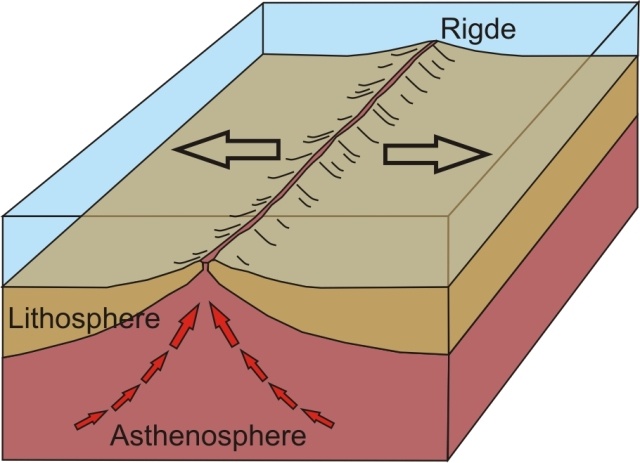
divergent
convergent
transform
Subducted
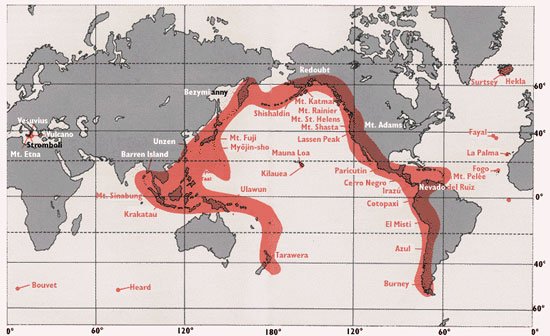
This is the name for the chain of volcanoes and earthquakes around the edge of the Pacific Plate.
The Subduction Zone
The Ring of Fire
The Seismic-Tectonic Area

What type of plate boundary is represented in the picture?
Transform
Divergent
Convergent
Lithosphere
This is created by earthquakes that occur on the ocean floor.
longshore current
gulf stream
tsunamis
high tide
What scale is used to measure Earthquakes?
Richter Scale
Saffir-Simpson Scale
Fujita Scale
Seismoscale
In which ways do the waves of a tsunami change when they are getting close to the coast?
They slow down and decrease in height
They speed up and decrease in height
They slow down and increase in height
They speed up and increase in height

Three things that can cause a tsunami, are
tornado
hurricanes
Which of the following were some of the largest and deadliest tsunamis in recent history?
Hurricane Katrina in 2005
1900 Galveston tsunami
2011 Tōhoku tsunami
2004 Indian Ocean tsunami
1906 San Francisco tsunami
What is the strongest tornado
EF1
EF2
EF5
EF10


What is ejected from a volcano
Lava
Ash/rock
Hot gases
All of these

What is the name of the world's most active volcano?

Mount Vesuvias

Mount Fuji

Mount St. Helens

Kilauea
How fast are the winds inside a tornado?
5-10 miles per hour
65-250 miles per hour
500-700 miles her hour
1,000-1,500 miles per hour
The name of the system that causes the winds to spin in a hurricane
The Coriolis Effect
The Corleone Affect
The Circular Wind Phenomenon
The East-West Effect
Blizzards last at least???
one hour
2 hours
3 hours
24 hours
What conditions to you need for blizzards to form?
Cold Air
Warm air
Moisture
All the above
Precipitation is
Hot weather
Cold weather
Rain, snow, sleet and hail
Water
What happens when hurricanes come on land?
they gain strength
they stay the same
they get larger
they lose strength

How many mph do winds have to be to create a blizzards?
80
65
35
15

