
 Worksheets
Vegetable Industry #3B: Plant Reproduction
Total questions: 30
Worksheet time: 15mins
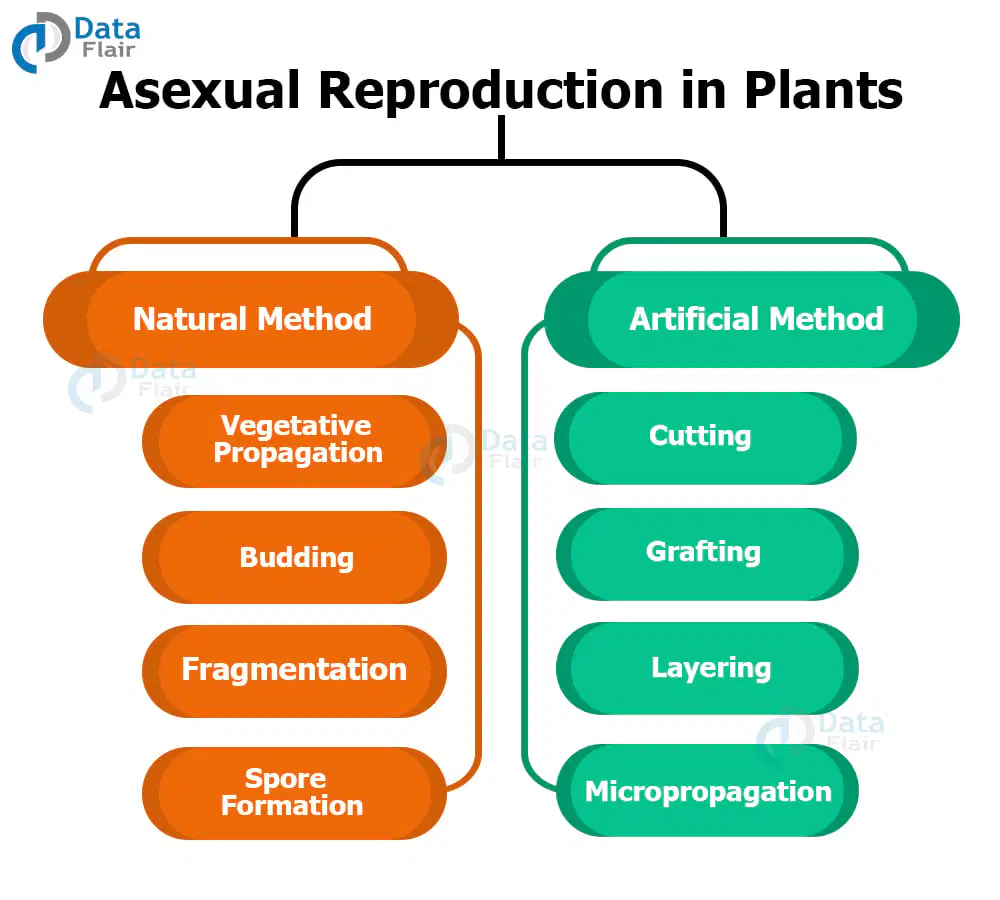
Unlike most living organisms, plants can reproduce both sexually and asexually.
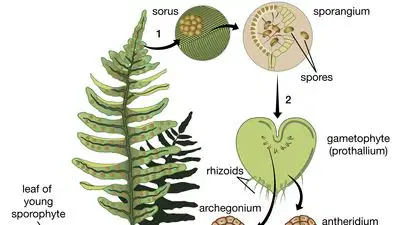
The lower phyla of plants inculding ________________, reproduce both sexually and asexually, with sexual reproduction involving sperm that fertilizes eggs, and asexual reproduction occurring through spores.
bacteria
ferns, mosses, and lichens

Why not mushrooms? Because mushrooms and other _______ are non-photosynthetic plant-like organisms, that also reproduce asexually with spores.
plants

Used by plants called angiosperms to make seeds (for reproduction).
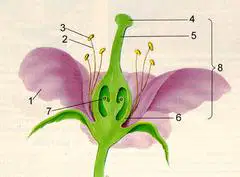
The flower contains all the reproductive parts of plant:
the male parts (stamen) that produce pollen,
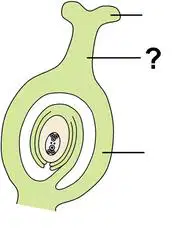
and female parts (pistil) that produce seeds.
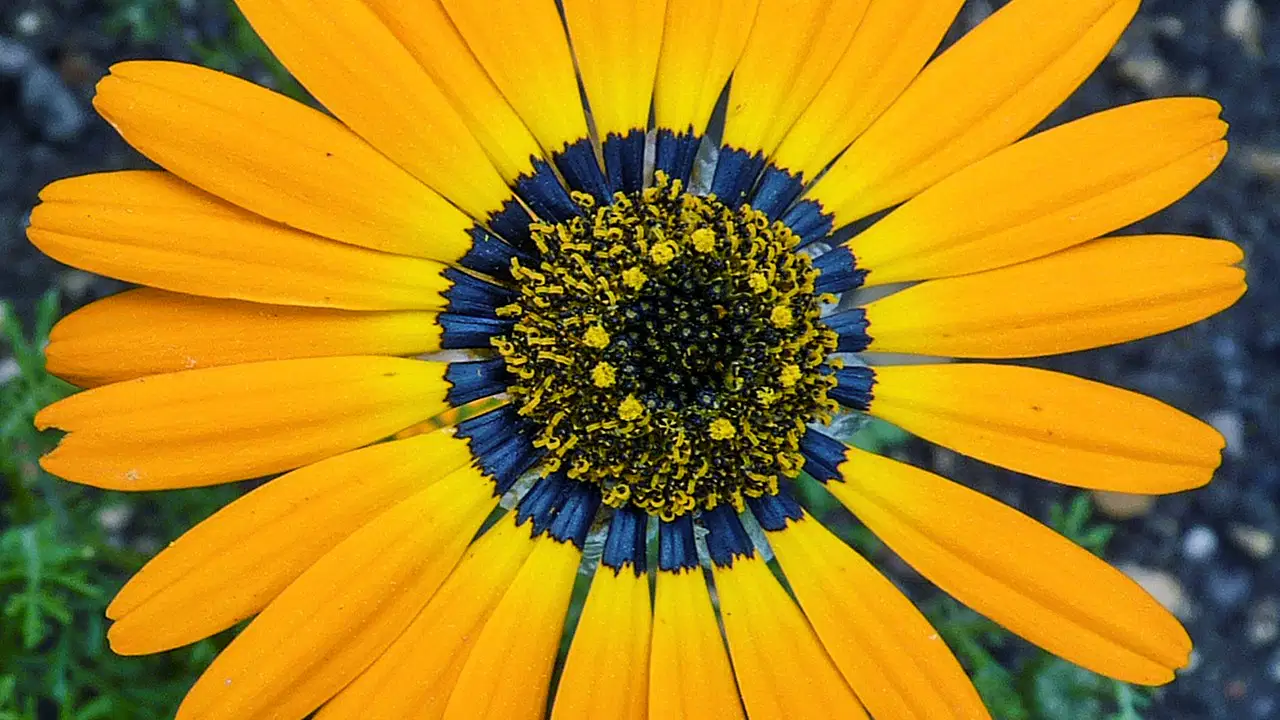
Part of a flower that attracts pollinators with its bright colors.

What is the function of flowers in sexual plant reproduction?
Flowers facilitate pollination, fertilization, and reproduction.

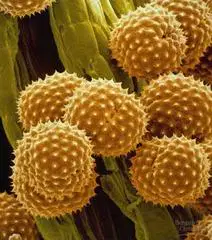
A fine dust that contains the sperm of seed-producing plants.
Male sex cell of a plant.


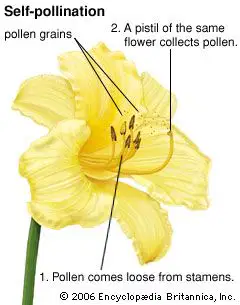
Process that transfers pollen from a flower's anther to the stigma.
Union of pollen and stigma.
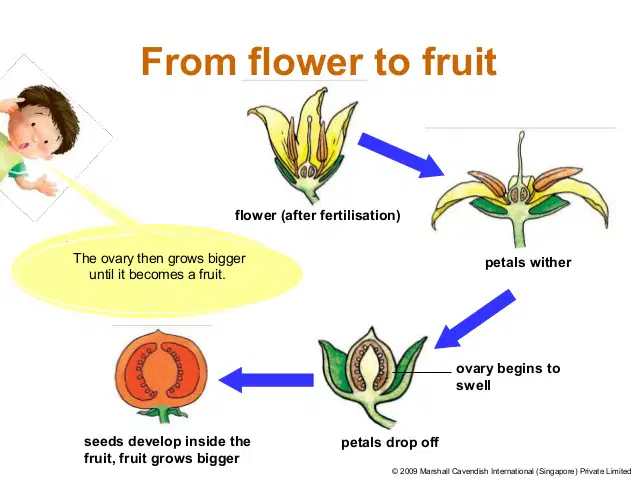
The ovary of a flower matures into what?
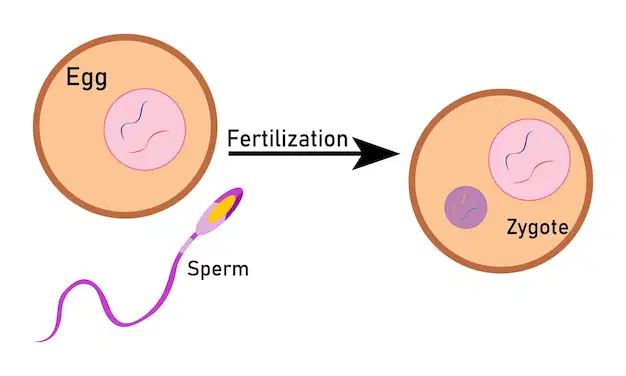
A _______________ is the first single-celled stage of development after an egg is fertilized by a sperm.
It's the initial cell with all the genetic material needed for a new organism.

A multicellular, developing organism that emerges from a zygote through cell division and differentiation.
The earliest stage of development for both plants and animals.
endosperm

The plant structure that contains a young plant embryo inside a protective covering.
Consists of an embryo,
its food source (endosperm),
a protective seed coat.
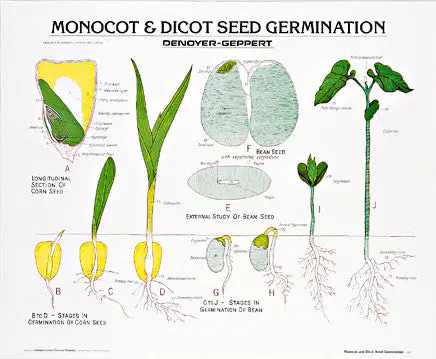
Monocots (grasses, wheat, corn, rice, onion, tulip...) have only ONE of these, where as dicots (beans, peas, brocolli, fruit trees...) have TWO.
cotelyedons
embryos
endosperms
seed coats

What is the process by which seeds sprout and begin to grow?
The development of a plant from a seed or spore after a period of dormancy.

Once a seed germinates and the cotyledons push out of the ground and grow toward the light, it is called a _____________ , or seedling.
flower
Which is NOT a part of the seed?
seedling (embryo)
endosperm (stored food)
pistil
seed coat
What is the union of the stigma and pollen known as?
pollination
reproduction
flowering
germination


What is part D?
What is part E?
pistil
What is part H?
petal
stamen
What is part J?
petal
stamen
What is part C?
Bonus: what is part I?
petal
sepal
antler
pistol

