Wayground logo

Free Printable Worksheets

Font size

S
M
L
XL
Worksheets

Reporting Category 3 Review

Total questions: 65

Worksheet time: 2hrs 55mins

Name
Class
Date
1.

A phenotype that improves an organism’s chance of survival in their environment is considered a(n) ____________.

a)

natural selection

b)

adaption

c)

speciation

2.

Many different groups of organisms have wings, even though they do not share a recent common ancestor. This is because they evolved in environments with similar selective pressures. Wings are an example of a(n) ______________ structure.

a)

vestigial

b)

analogous

c)

homologous

3.

Which best describes the phrase survival of the fittest?

a)

strongest in a population are most successful

b)

fastest in a population are most successful

c)

those that can survive and reproduce are most successful

d)

those that can live the longest are most successful

4.

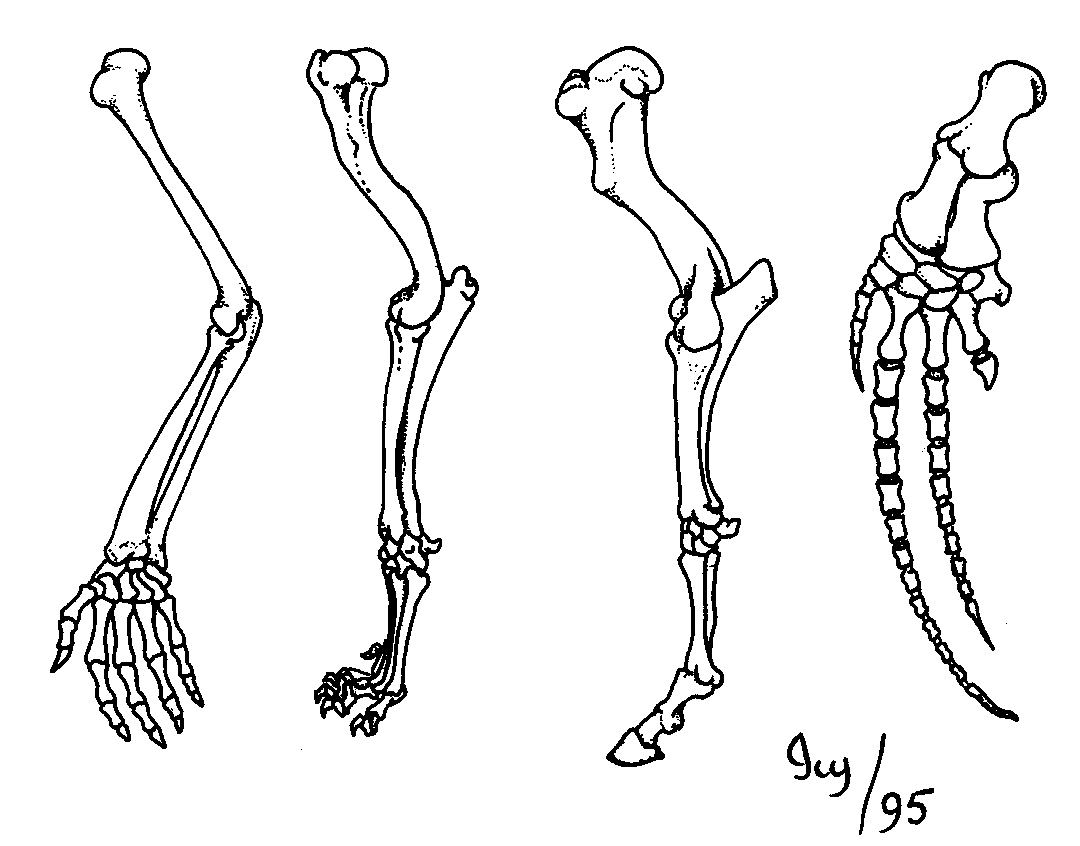
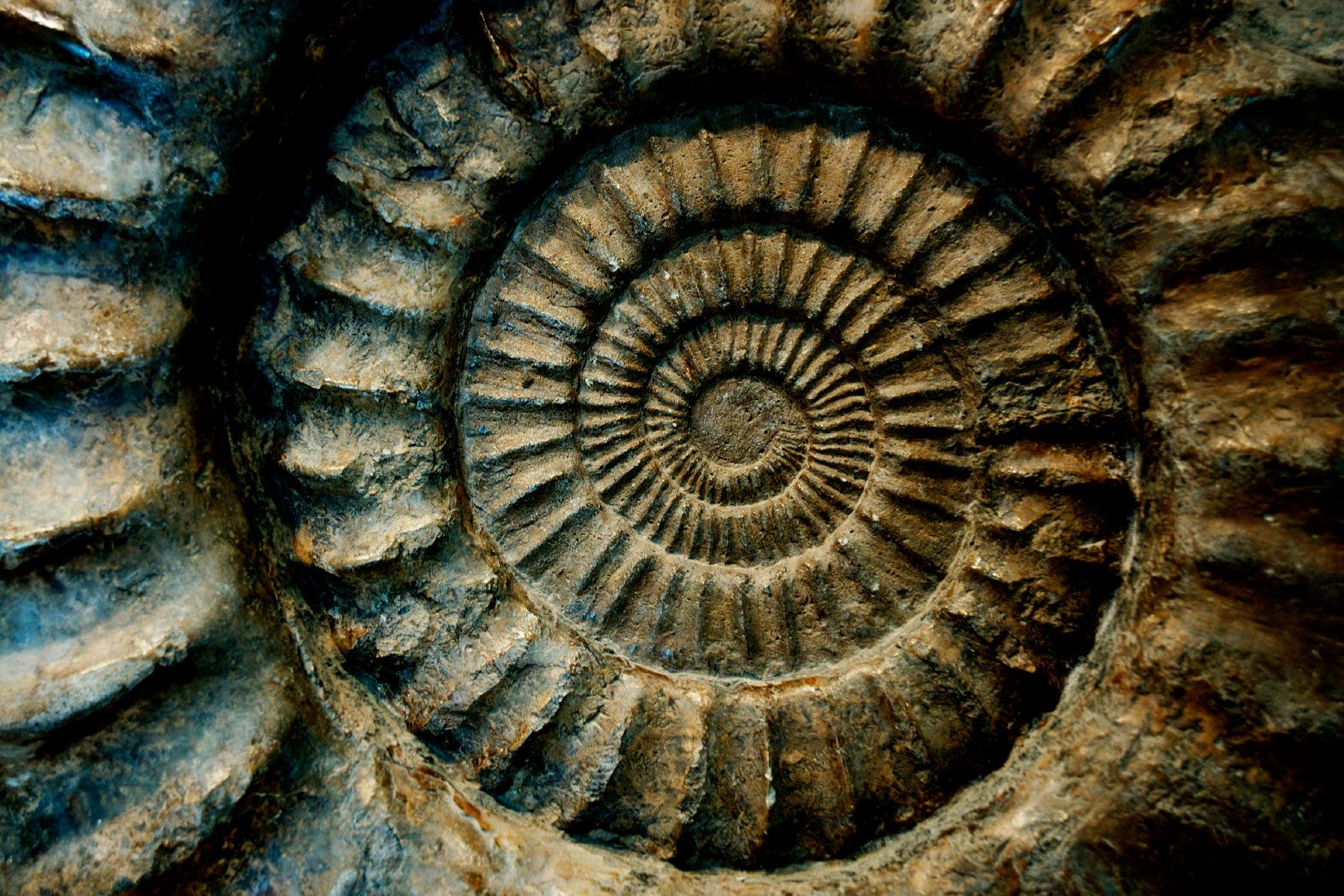
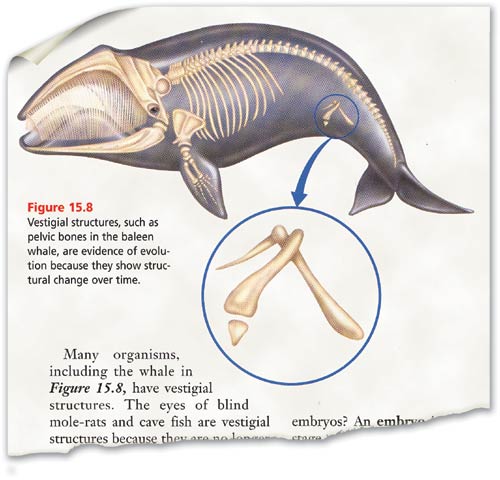
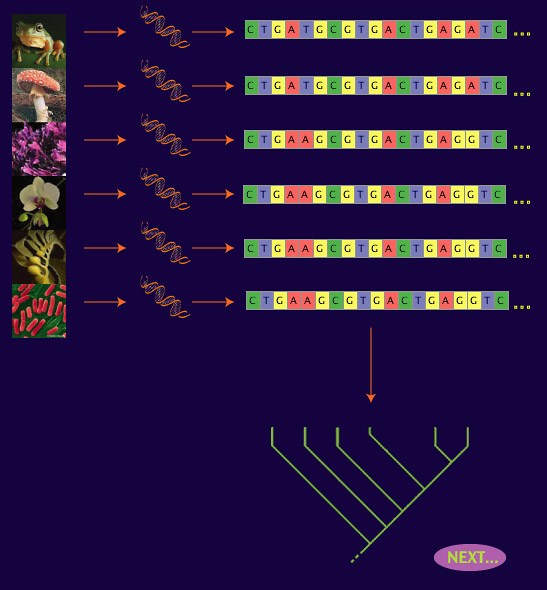
Match the following pictures with the words they represent

a)
1.

Analogous Structure

b)
2.

Homologous Structure

c)
3.

Artificial selection

d)
4.

Natural selection

5.

Match the following

a)
1.

Organism

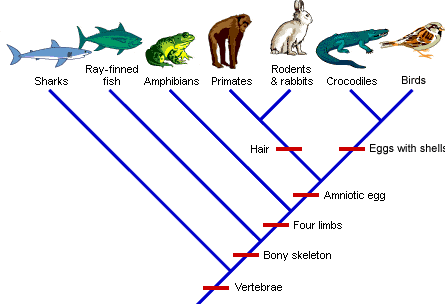
b)
2.

Population

c)
3.

Community

d)
4.

ecosystem

e)
5.

biosphere

6.

Homologous structures and vestigial structures show evidence of

a)

divergent evolution

b)

convergent evolution

c)

both divergent and convergent evolution

d)

analogous structures

7.
The diagram shows fossils in different rock layers. Which of these statements about the age of these fossils is most likely correct?
a)
Fossil A and C are the same age
b)
Fossil B is older than fossil C
c)
Fossils A is older than fossil B
d)
Fossil D is older than fossil C
8.
Comparing human hemoglobin of chimpanzees, horses, kangaroos, and chickens, reveal that humans have the fewest amino acid differences with 
a)
Kangaroos
b)
Horses
c)
chickens
d)
chimpanzees
9.
Mutations are important because they bring about
a)
death of the organism in which they develop
b)
genetic variation needed for a population to evolve
c)
benefits for the individual, not for the population
d)
Hardey-Weinberg equilibrium within a population
10.
This mechanism of evolution occurs when populations migrate.
a)
Extinction
b)
Gene flow
c)
Genetic drift
d)
Natural Selection
11.

The female birds of paradise tend to look for the most colorful, best dancing males to make babies together.

a)

Genetic Drift

b)

Non-random mating

c)

Gene flow

d)

Mutation

12.

Charles Darwin observed that finches of different species on the Galápagos Islands have many similar physical characteristics, this supports the hypothesis that these finches

a)

are twins

b)

acquired traits through use and disuse.

c)

all eat the same type of food.

d)

descended from a common ancestor.

13.

What is speciation?

a)

when a population reaches a balance and change is no longer occuring

b)

when populations move away from each other

c)

when species begin to pass on acquired traits and change their behavior

d)

when two species can no longer interbreed

14.

In a population of ladybugs, black bugs are more successful in escaping predators. Overtime, this gene becomes more popular in the population and the ladybug population loses its red color. This is an example of?

a)

Natural Selection

b)

Mutation

c)

Genetic Drift

d)

Gene Flow

15.
Humans, birds, whales, and lizards all have similar arm bones. What is the reason for this?
a)
The function of these bones is the same in all animals
b)
They live in similar environments
c)
They have a common ancestor
d)
All organisms resemble humans
16.

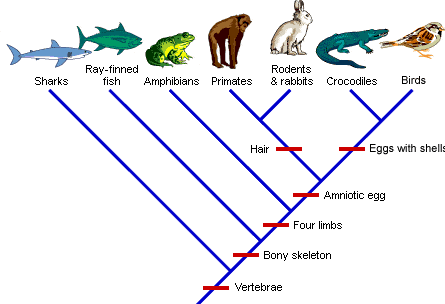
According to the diagram, crocodiles evolved from dinosaurs and birds.

a)

True

b)

False

17.

Humans evolved from chimpanzees

a)

True

b)

False

18.

There was a forest fire that wiped out birch trees randomly and left a few dispersed throughout the forest. The surviving trees evolve overtime changing the gene pool. This is an example of?

a)

genetic drift

b)

gene flow

c)

bottleneck effect

d)

founders effect

e)

genetic flow

19.

How do populations change due to genetic drift?

a)

A random event occurs that reduces the population, and the new surviving population has a different allele frequency from the original population.

b)

The population undergoes competition with each other for limited resources changing allele frequency from the original population.

c)

The organism/animal with the most favorable trait will be able to produce more offspring than others creating the new population.

d)

organisms within a population undergo symbiotic relationships with each other due to mutations
20.
Where the better adapted organisms survive to pass traits along to offspring.
a)
Evolution
b)
Natural Selection
c)
Extinction
d)
Artifical Selection
21.
Why are advantageous traits more likely to be passed onto offspring?
a)
Because they are more likely to survive and reproduce.
b)
Because they come from dominant alleles.
c)
Because they come from recessive alleles.
d)
Because the trait is an acquired phenotype.
22.
Natural selection is when ____________ decides who survives and who doesn't
a)
nature
b)
humans
c)
animals
d)
years
23.
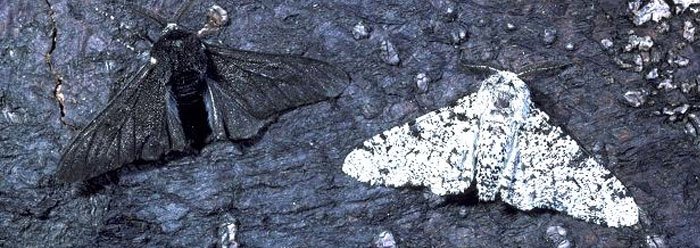
The trees these moths used to live on were white, but have been covered in soot from coal factories. Which moth will be more successful in this environment?
a)
Dark moth
b)
Light moth
c)
Both will be equally successful
d)
Neither will be successful
24.
Which best describes mutations?
a)
Always helpful
b)
Always harmful
c)
Can be helpful or harmful
d)
Always neutral
25.
Change over time
a)
Natural Selection
b)
Selective Breeding
c)
Homeostasis
d)
Evolution
26.
Structures with the same parts have different functions; suggests that organisms share a common ancestry
a)
vestigial structures
b)
homologous structures
c)
adaptive radiation
d)
fossil
27.
Study of embryos of various organisms to show a common ancestor because of similarities in development
a)
natural selection
b)
embryology
c)
speciation
d)
evolution
28.
What does Darwin's theory of evolution suggest?
a)
species change over time
b)
extinct species are not related to living species
c)
different species can interbreed
d)
animals that look alike are most closely related
29.
What type of structures are these?
a)
homologous
b)
vestigial 
c)
analogous
d)
fossil
30.

Whales are aquatic mammals that contain a pelvis (hip) bone. Even though it does not aid in its movement, the function must have been used by a common ancestor of the whale. Thus, the pelvis is referred to as a(n)

a)

vestigial structure

b)

analogous structure

c)

homologous structure

31.
Where humans have bred organisms together based on traits we like.
a)
Evolution
b)
Natural Selection
c)
Extinction 
d)
Artificial Selection
32.
The ability of an organism to survive and reproduce in its specific environment 
a)
diversity.
b)
evolution
c)
adaptation
d)
 fitness
33.
The difference in the physical traits of an individual from those of other individuals in a group is called a(n)
a)
change
b)
adaption
c)
species
d)
variation
34.
Genetic differences between organisms of the same species
a)
Variation
b)
Adaptation
c)
Behavior
d)
Environment
35.
An error in DNA copying that results in a new trait
a)
Homeostasis
b)
Mutation
c)
Natural Selection
d)
Selective Breeding
36.
Inherited trait that helps an organism survive is a(n) __________.
a)
Fossil
b)
Adaptation
c)
Ancestor
d)
Natural selection
37.
Survival of the fittest or when favorable adaptations reproduce faster is called what?
a)
Evolution
b)
Adaptation
c)
Natural selection
d)
Fossilization
38.
Which of the following is an example of a vestigial structure?
a)
the wings of a red-tailed hawk
b)
the hind limbs of a house cat
c)
the fins of sharks
d)
the tailbone of a human
39.
What is embryology?
a)
the age of organisms
b)
the oldest stage of development
c)
the life span of an organism
d)
the earliest growth stage of development
40.
When an organism completely dies out, it is called.....
a)
Adaption
b)
Extinction
c)
Fossilization
d)
Mutation
41.
Two organisms that are closely related would have
a)
very similar DNA sequence
b)
exactly the same DNA sequences
c)
no proteins in common
d)
completely different DNA sequence
42.
Which layer is oldest?
a)
A
b)
W
c)
G
d)
Z
43.
According to the law of superposition, which layer is the youngest?
a)
A
b)
B
c)
C
44.

A trait or change in lifestyle that helps a plant or animal survive in its environment

a)

adaptation

b)

evolution

c)

homologous

d)

vestigial

45.

When HUMANS select or choose a plant or animal for breeding based on a desired trait

a)

natural selection

b)

artificial selection

46.
Which of the following is a physical adaptation for the underlined animal?
a)
A snake unhinges its jaw to eat a rabbit it just caught.
b)
A hognose snake rolls over, slows its breathing, and hangs its tongue out to pretend to be dead.
c)
A herd of buffalo encircle their young to protect them from a pack of wolves.
d)
A dung beetle rolls a piece of dung across the desert.
47.
How do adaptations help animals?
a)
to hide from predators
b)
to hunt for food
c)
to survive in their habitats
d)
All of these are correct
48.
Darwin wrote that organisms with traits that are best suited to the environment will ________________
a)
increase in number
b)
become extinct
49.
The struggle for existence against other members of an organisms species is
a)
Competition
b)
Natural Selection
c)
gene flow
d)
genetic drift
50.
An example of a behavioral adaptation is
a)
The long neck of a giraffe
b)
Penguins huddling together for warmth
c)
A camel's hump used to store water
d)
A polar bear's white fur used for camouflage
51.
A lion has pointed teeth to help it tear meat off of the bone.
a)
Behavioral Adaptation
b)
Structural Adaptation
52.
Parrots have special feet, with two toes on the front and back to help them cling to branches.
a)
Behavioral Adaptation
b)
Structural Adaptation
53.
When threatened, some animals make warning sounds to help other animals escape a predator.
a)
Behavioral Adaptation
b)
Structural Adaptation
54.

Which statement best explains adaptations in context of the Theory of Evolution.

a)

adaptations are critical to the survival of a species by providing ways to adjust

b)

adaptations allow a single surviving organism to choose its traits and then reproduce

c)

adaptations are when an organism changes is environment to make it easier to live

d)

adaptations allow organisms to learn how to survive in any environment

55.

During drought years on the Galapagos, small, easily eaten seeds become rare, leaving mostly large, hard-cased seeds that only birds with large beaks can eat. If a drought persists for several years, what should one expect to result from natural selection?

a)

Small birds gaining larger beaks by exercising their mouth parts.

b)

Small birds mutating their beak genes with the result that later-generation offspring have larger beaks.

c)

Small birds anticipating the long drought and eating more to gain weight and, consequently, growing larger beaks.

d)

More small-beaked birds dying than larger-beaked birds. The offspring produced in subsequent generations have a higher percentage of birds with large beaks.

e)

Larger birds eating less so smaller birds can survive.

56.

When we say that an individual organism has a greater fitness than another individual, we specifically mean that the organism

a)

lives longer than others of its species.

b)

competes for resources more successfully than others of its species.

c)

mates more frequently than others of its species.

d)

utilizes resources more efficiently than other species occupying similar niches.

e)

leaves more viable offspring than others of its species.

57.

Mutations are important because they bring about

a)

death of the organism in which they develop

b)

genetic variation needed for a population to evolve

c)

benefits for the individual, not for the population

d)

changes in genotype, but not phenotype

58.

Do organisms "decide" to evolve and change? (they have the ability to change whenever they want)
a)
Yes, they know they need to change to survive 
b)
No, they change because of natural selection
59.
According to this cladogram, sharks are MOST closely related to which organism? 
a)
Amphibians
b)
Ray finned fish
c)
Crocodiles
d)
Birds
60.
Which two orgainsms have hair? 
a)
Sharks & Ray Finned Fish
b)
Primates & Rodents
c)
Birds & Crocodiles
d)
Rabbits & Birds
61.

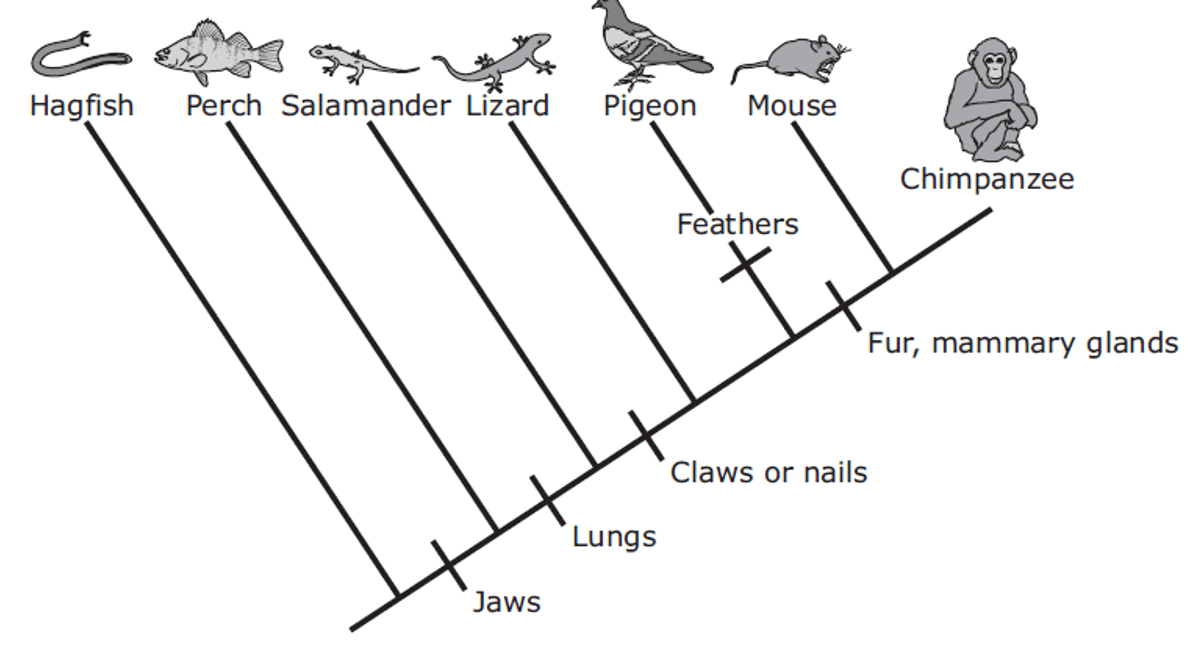
All the animals to the right of the salamander would have the common characteristic of...

a)

Fur

b)

Claws or nails

c)

Lungs

d)

Jaws

62.

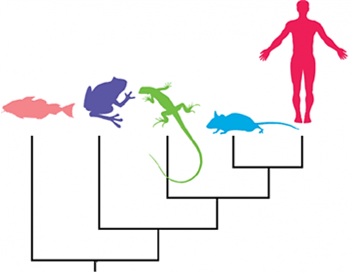
What is the human most closely related to?

a)

Fish

b)

mouse

c)

Salamander

d)

Human

63.

Based on the number of differences in amino acid sequence, which pair of organisms is least related to each other?

a)

Fruit fly-wheat

b)

Human - wheat

c)

Fruit fly- pigeon

d)

Human-horse

64.

The study of embryological development provides anatomical evidence for evolution because...

a)

all vertebrate embryos pass through the same stages of development in the same sequence.

b)

all vertebrates are born with gills and a tail.

c)

all vertebrate embryos have completely different stages of development that look nothing alike.

d)

all plants and animals have wings, even if you can't see them when they are born.

65.

In this example of natural selection, what environmental factor is acting as a selection force - or environmental pressure - on the giraffe?

a)

Food is found on tree tops

b)

Having a long neck

c)

Being cursed with beauty

d)

Having spots that act as camouflage