
NEW
Font size
 Worksheets
Space
Total questions: 50
Worksheet time: 2hrs 40mins
The length of a month here on Earth is determined by what?
the moon's revolution
the Earth's rotation
the moon's rotation
the Earth's revolution
Planets spin around
their moon.
their equator.
their axis.
their orbit.
The length of one year here on Earth is determined by
the Earth's revolution.
the Earth's rotation.
the moon's rotation.
the moon's revolution.
One full revolution of the moon around the Earth is approximately
24 hours.
28 days.
365 days.
5 years.
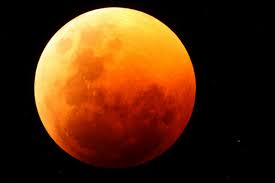
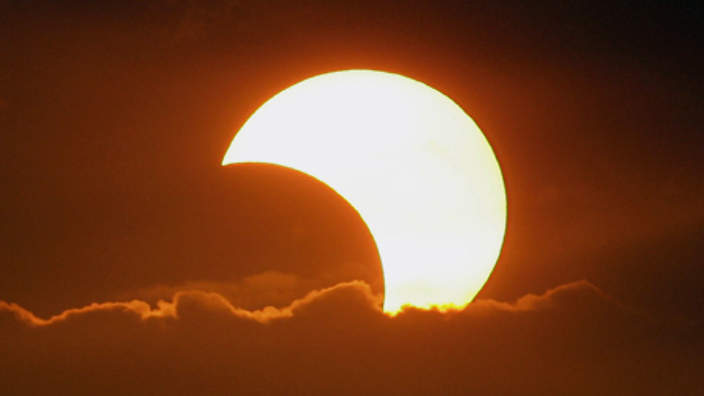
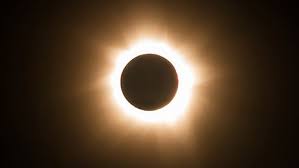
What causes eclipses?
gravity from the sun on Earth
the rotation of the moon
the layers of the sun
light from the sun causing shadows
What causes high tides and low tides?
the moon's gravity pulling on the Earth
the moon's gravity pulling on the sun
the Earth's gravity pulling on the sun
the Earth's gravity pulling on the moon
One full rotation of Earth is approximately
30 days.
365 1/4 days.
1 year.
24 hours.

pieces of rocks and dust that orbit the sun between mars and jupiter.
comets
planets
asteroids
meteorites

Inner planets
Jupiter, mars, Uranus, Neptune
Mercury, mars, earth, venus
jupiter, saturn, neptune
Mars, mercury, saturn

outer planets
Jupiter, saturn, uranus, neptune
Mars, saturn, venus, neptune
Earth, Mars, Mercury, venus
Jupiter, saturn, Uranus, Mars

I frozen chunk of ice and gases that orbits the sun in an elliptical pattern.
Meteroid
asteroid
dust
comet
What is an object called when it enters the atmosphere and is a streak of light?
Meteor
comet
moon
asteroid
Force of attraction between masses
sunlight
friction
atmosphere
gravity
What do astronauts have to have in order to survive in space?
gravity
light
oxygen

Why do astronauts need a tether rope?
to help with strong winds
to add weight
to keep them them from floating away
heat


Pluto is a..?
Tiny planet
Dwarf planet
A planet
Moon
Which of the gas giants has the largest rings?
Jupiter
Saturn
Mercury
Neptune
Which of the following is considered the 'Red Planet?
Mars
Earth
Venus
Mercury
The first planet, closest to the Sun, and the smallest planet. Is extremely hot during the day and freezing cold at night.
Mercury
Jupiter
Venus
Uranus
The third planet from the Sun, has liquid water, and keeps a temperature that allows humans to live
Earth
Venus
Mercury
Mars
Is the sun a planet?
Yes.
No.
Earth's orbit around the Sun is
circular
oval
Elliptical
elongated

The farther the planet is from the sun the _________ it takes to revolve around the sun.
shorter
longer
True or False: A terrrestrial planet is made up of gas.
TRUE
FALSE
7. Which planet has characteristics that make it the most likely planet for the discovery of extra-
terrestrial life? and why?
Jupiter because it has a giant red spot
Venus because it has a sulfuric acid atmosphere
Saturn because it has rings of ice
Mars because it has evidence of single cell life
14. What is significant about the discovery of water on Mars?
It proves there is life on Mars.
It provides evidence there may be life on Mars.
It proves there was an advanced civilization on Mars.
It provides evidence of an advanced civilization on Mars.
Earth’s distance from the Sun helps the planet sustain life. If the Sun were larger, what would
most likely also have to be true for Earth to sustain life?
Earth would have to be further from the Sun.
Earth would have to be closer to the Sun.
Earth would have to be smaller.
Earth would have to be larger.
What is the main reason Earth is the only planet in our solar system capable of sustaining life as we know it?
Earth has a liquid core.
Earth has an atmosphere.
Earth has magnetic poles.
Earth has liquid water on its surface.
Which factors are most important for sustaining life on Earth?
abundance of liquid water and a breathable atmosphere
abundance of liquid water and little atmosphere
ice and abundant minerals
ice and rocky soil
The Sun is the center of our solar system and creates a large amount of gravitational
force. If this system lost the Sun, what would happen to the planets?
The planets would explode
The planets would stop moving
The planets would travel in a different path
The planets would continue on their same path
The National Aeronautics and Space Administration (NASA) is the agency responsible
for the space program in the United States. What was the goal of NASA’s Apollo
program?
to search for life on planets other than Earth
to land on a planet in another solar system
to determine the composition of the Sun
to send a human to land on the Moon

This planet is often called the Blue Planet due to the presence of water on it's surface. It is the 3rd planet from the Sun
Mercury
Mars
Earth
Jupiter

The correct sequence of the planets is...
Venus, Mars, Jupiter, Earth, Mercury, Neptune, Uranus, Saturn
Mercury, Venus, Earth, Mars, Jupiter, Saturn, Uranus, Neptune
Saturn, Uranus, Venus, Jupiter, Earth, Mercury, Venus, Neptune
Jupiter, Venus, Earth, Mars, Mercury, Neptune, Uranus, Saturn

Which moon phase is this?
Full moon
New moon
Waxing crescent
Waning gibbous

What causes the Moon to go through phases?
Movement of the Earth around the Sun
Rotation of the Moon
Movement of the Moon around the Earth

