
 Worksheets
Biodiversity and Symbiosis
Total questions: 20
Worksheet time: 28mins
What term describes the variety of different organisms found in an ecosystem?
population
biodiversity
ecosystem services
Globally, the leading cause of biodiversity loss is
invasive species
poaching and overharvesting
pollution
habitat change and loss

Which biome is more likely to survive a change in the environment?
High (rich) biodiversity
Low (poor) biodiversity

High biodiversity not only helps the stability of Yellowstone National Park, but also makes it more
resilient
reliant
fragile
unstable
Large populations with high genetic diversity are
more likely to go extinct
more likely to be invasive
less likely to go extinct
less likely to be invasive

Why is biodiversity in an ecosystem so important?
Because it can help humans where to determine good places to develop farm land.
Because places that have a healthy biodiversity are unaffected by major disturbances.
Because having a high biodiversity allows ecosystems to withstand major changes.
Because having a high biodiversity allows for fewer opportunities of competition for similar resources.
A species that plays a far more important in its community than its relative abundance might suggest.
Keystone Species
Pioneer Species
Indicator Species
Exotic Species
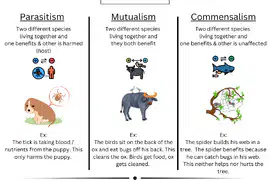
Match the term to its best description.
any close relationship between individuals of 2 different species
symbiosis
a symbiotic relationship in which BOTH species benefit
mutualism
a symbiotic relationship in which one organism benefits and the other is harmed
parasitism
a symbiotic relationship in which one organism benefits and the other is neither helped nor harmed
commensalism

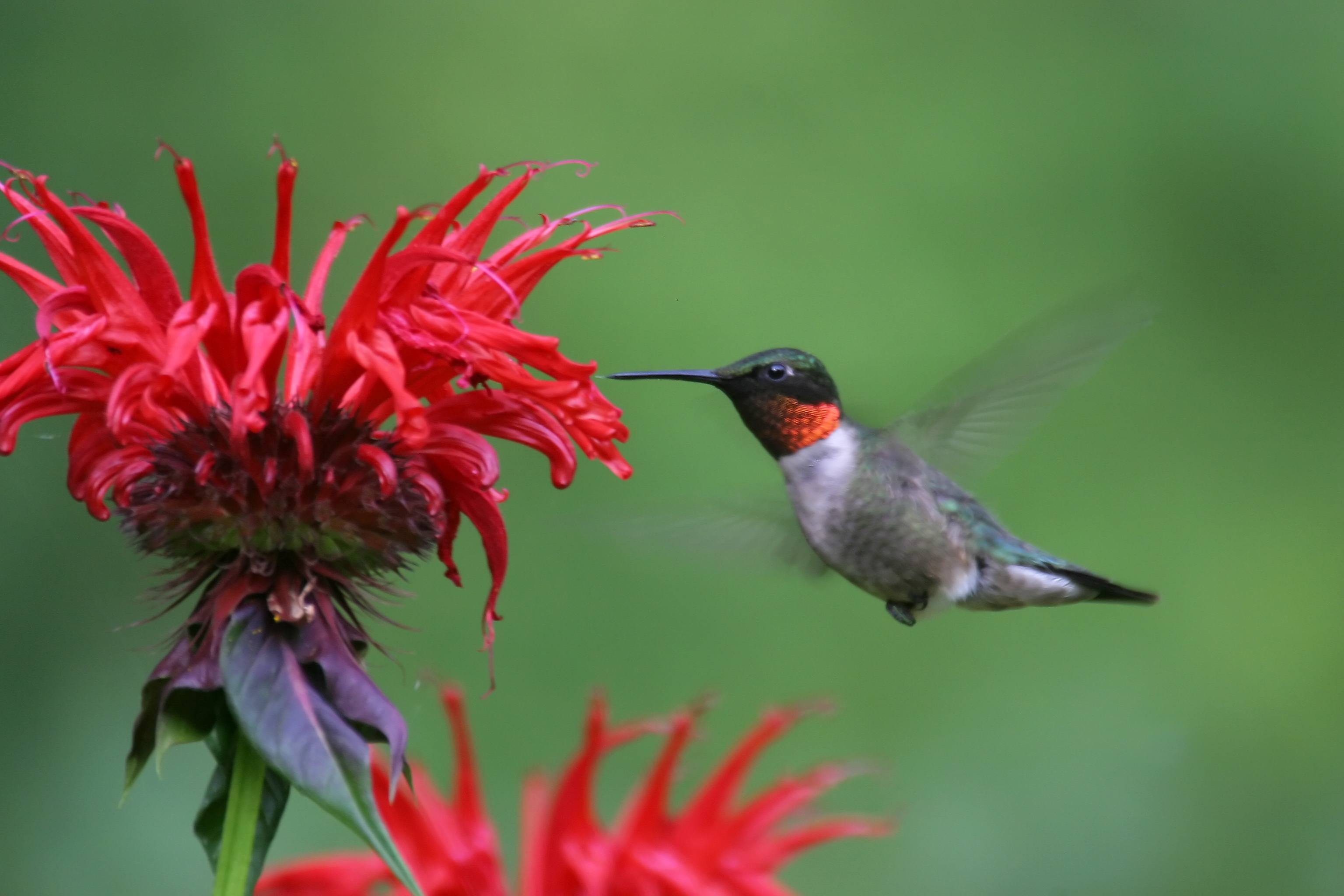
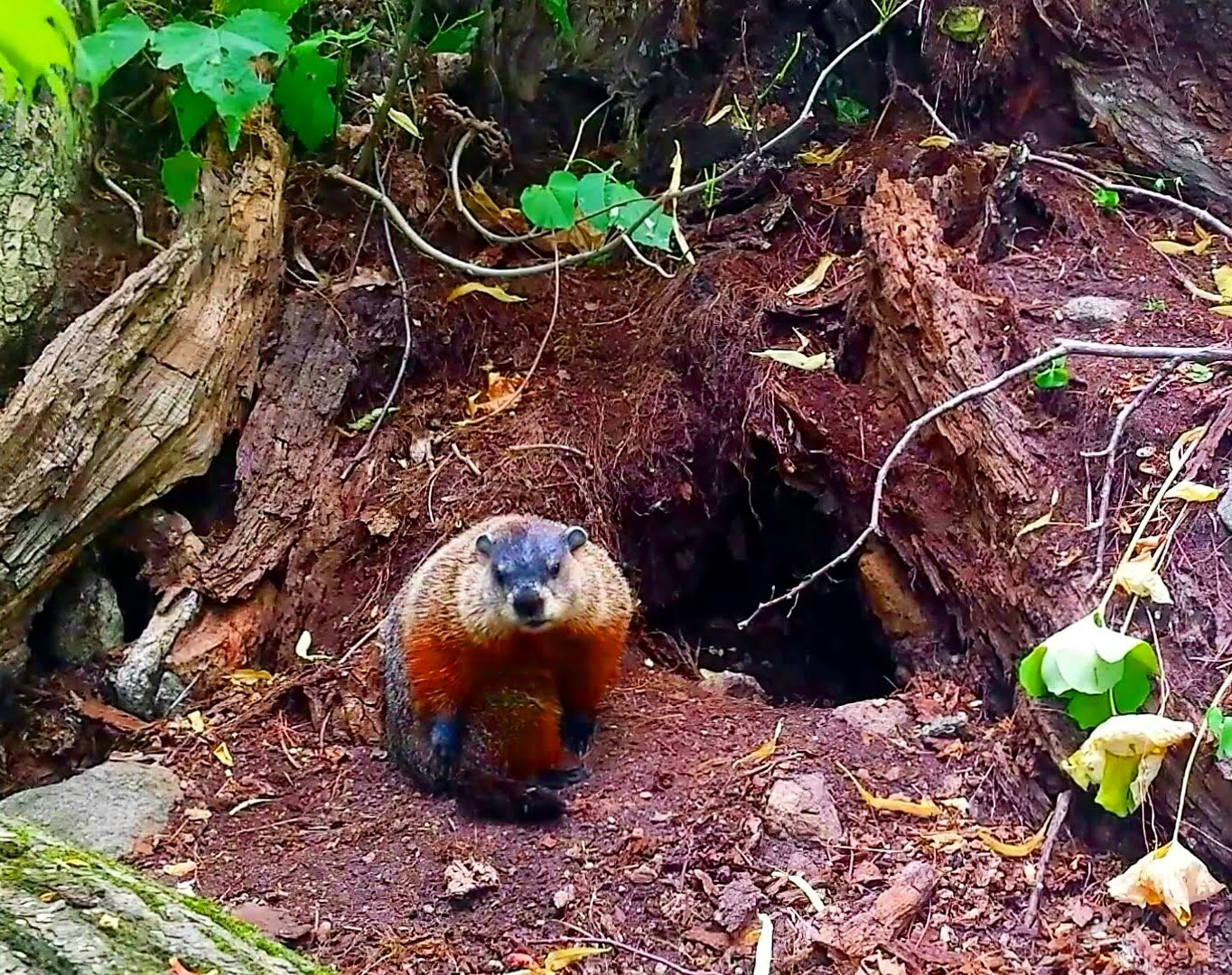
+/+
+/-
+/o
-/o
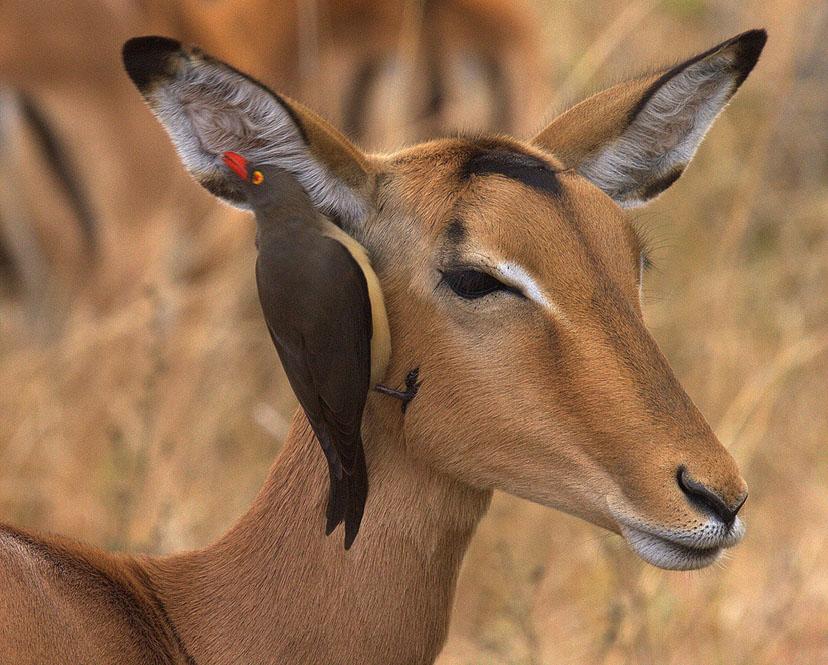
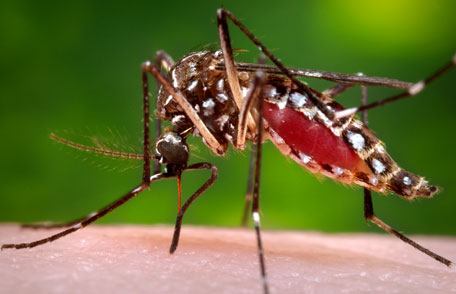

Aphids are tiny insects that live on and eat the leaves of plants, removing vital nutrients from the plants.
Predation
Parasitism
Commensalism
Mutualism
+/+
+/-
+/o
-/o

Which symbols best describe commensalism?
+/o
+/-
+/+
-/o

