
 Worksheets
PHYSICS QUIZ 2-SECOND SEMESTER
Total questions: 76
Worksheet time: 1hrs 5mins
Matter in a ...... has a ...... volume and ...... shape
gaseous state ___ no definite ___ no definite
liquid state _____ no definite ___ definite
a. solid state _____ no definite ___ no definite
A _______________ is a pure substance that is composed of only one type of atom?
element
mixture
compound
particulate
A pure substance composed of two or more different elements is
element
homogeneous mixture
heterogeneous mixture
chemical compound
Which of the following is a heterogeneous mixture?
gasoline
sugar water
lucky charms
antifreeze
Which of the following is a homogenous mixture?
baked beans
sugar dissolved in water
chocolate chip ice cream
chicken noodle soup
Anything that has mass and takes up space is an example of
energy
matter
chemical change
temperature
New substances are always formed when matter undergoes a ___.
change in shape
change in temperture
physical change
chemical change
Which of the following is an example of a chemical change?
melting butter
mixing milk and chocolate syrup
breaking a pencil
burning a marshmallow
Which of the following would be considered a physical property?
color
ph
flammability
reactivitiy
Which of the following would be considered a homogeneous mixture?
sweet tea
14k gold
vegetable soup
distilled water
____________is a characteristic that can be observed or measured without changing the sample’s composition.
physical property
chemical property
The ability of a substance to combine with or change into one or more other substances is called a ______________
physical property
extensive property
chemical property
intensive property
______________is a technique that uses a porous barrier to separate a solid from a liquid in a heterogeneous mixture.
distillation
filtration
crystallization
sublimation
____________________is a made up of two or more elements combined chemically
elements
mixtures
compound

Describe the process shown here.
chromotagraphy
distillation
filtration
sublimation
A ____________________ is a transition of matter from one state to another
chemical change
phase change
________________is a form that flows , has constant volume, and takes the shape of its container.
solid
liquid
gas
plasma
A solid is crushed into a powder?

The picture shows a solid floating in a liquid. Which of the following statements describes one way that solids are different from liquids?
Solids have mass and liquids do not.
Solids take up space and liquids do not.
Solids have a definite shape and liquids do not.
Solids have a definite volume and liquids do not.


A bowl of ice cream is left on a table overnight. What will happen to the ice cream?
The ice cream will become a gas.
The ice cream will stay a solid.
The ice cream will become a liquid.
The ice cream will disappear.
Which of the following best describes matter?
anything that takes up space (has volume) and has mass
anything that is solid
anything that can be seen
anything that is in the air
Which is not a state of matter?
gravity
gas
solid
liquid
Which is the scientific term for the forms of matter, such as solid, liquid, and gas?
units of matter
types of matter
states of matter
properties of matter
Which of the following is a characteristic of gases?
Gases have a definite shape.
Gases take the shape of their containers.
Gases take up a definite amount of space.
Gases cannot change shape.
A ___ is matter with a definite volume but not a definite shape.
solid
liquid
gas
A ___ is matter with a definite volume and shape.
solid
liquid
gas
A ___ is matter with no definite volume or shape.
solid
liquid
gas
When something freezes, it changes from a ____ to a ____.
gas to a solid
liquid to a solid
solid to a liquid
liquid to a gas
When something melts, it changes from a ____ to a ____.
gas to a solid
liquid to a solid
solid to a liquid
liquid to a gas
Which is an example of a gas?
water
ice
water vapor
The change in state from liquid to gas is known as
Melting
Freezing
Evaporation
Sublimation
A substance that takes the shape of and always fills it's container could be:
Oxygen
Wood
Cordial
String

Which diagram best represents a substance that is frozen?
1
2
3
4
Which of the following is true about particles?
They never move in solids
They only move in gases
They never move
They move most in liquid and gas form
As the temperature of a substance increases, it's particles:
Move faster
Move slower
Move at the same speed, but further apart
Stick together more
Which of the following refers to sublimation
The process of a liquid turning into a solid
The process of a gas turning into a liquid
The process of a solid turning into a gas without going through a liquid stage
The process of a solid turning into a liquid without going through a gas phase

The picture shows a glass partly filled with water and ice cubes. An explanation why water droplets have formed on the outside of the glass could be:
Melting: The ice in the glass melts and forms water on the outside of the class
Evaporation: The liquid in the glass evaporates, causing water to form on the outside of the class
Condensation: When warm air comes in contact with the cold glass, the particles slow down, turning the gas particles into liquid water on the outside of the glass
Freezing: The ice causes the gas particles outside the glass to turn to ice on the outside of the glass
Freeze means to change from _____________ into ____________
Solid, Liquid
Solid, Gas
Gas, Liquid
Liquid, Solid
Boil means to change from _____________ into ____________
Liquid, Gas
Gas, Liquid
Gas, Solid
Solid, Gas

What state of matter is most likely being represented here?
solid
liquid
gas
Which is an example of a gas?
water
ice
carbon dioxide (what we breathe out)
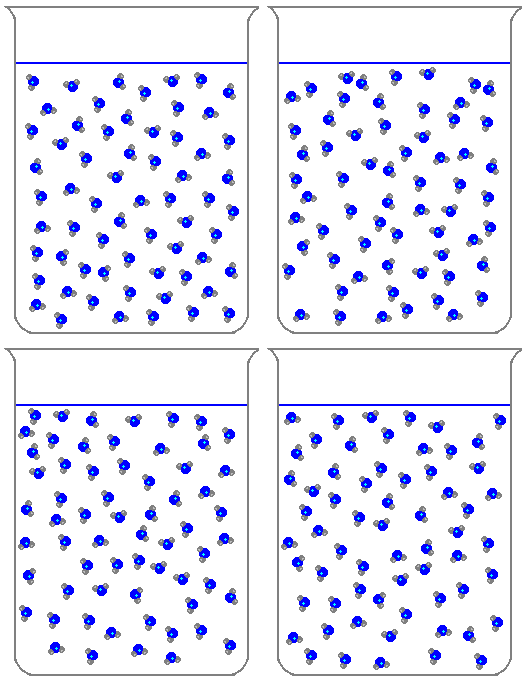
What state of matter is most likely being represented here?
Gas
Solid
Matter
Liquid
Which list below gives the states of matter in order, from ‘the closest packed particles’ to ‘the most spread out particles’?
gas, liquid, solid
liquid, solid, gas
solid, gas, liquid
solid, liquid, gas

The picture shows the arrangement of particles of a substance in three different states. Which of the following must be true?
Particles on the left move faster than the particles on the right
Particles on the right will spread out to fit whatever container they are in
Particles on the left and in the middle are locked in place
Particles in the middle are affected by electric and magnetic fields

A phase change that is occurring in Pan A is:
Sublimation
Deposition
Boiling
Melting

212 degrees F
Melting point
Freezing point
Boiling point
Evaporation point

My particles are able to slide past one another, but are still close together
Gas
Plasma
Liquid
Solid


Vegetable salad
Homogeneous
Heterogeneous
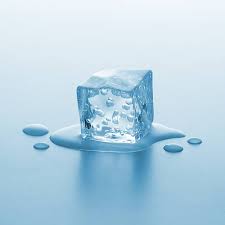
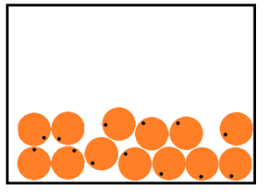

What happens to molecules as temperature and energy increase?
Matter condenses
Substances expand when heated
Atoms become less active
Phase change slows down

