
 Worksheets
Earth's Changes and Day/Night Cycle
Total questions: 136
Worksheet time: 1hrs 18mins
What causes the day and night cycle on Earth?
The Sun moving around the Earth
The Earth rotating on its axis
The Moon blocking the Sun
The Earth moving closer to the Sun
How long does it take for the Earth to complete one full rotation on its axis?
12 hours
24 hours
48 hours
365 days
What is the primary source of energy that drives the water cycle?
The Moon
The Sun
The Earth's core
Ocean currents
Which process in the water cycle is directly powered by the Sun's energy?
Precipitation
Evaporation
Condensation
Infiltration
What type of rock is formed from the accumulation and compaction of sediment?
Igneous rock
Metamorphic rock
Sedimentary rock
Volcanic rock
Which of the following is a result of the formation of fossil fuels?
Renewable energy
Non-renewable energy
Solar energy
Wind energy
What natural force is primarily responsible for the formation of sand dunes?
Water
Ice
Wind
Earthquakes
Which landform is created by the deposition of sediment at the mouth of a river?
Canyon
Delta
Mountain
Valley
What is the apparent movement of the Sun across the sky during the day caused by?
The Sun moving around the Earth
The Earth's rotation on its axis
The Earth's revolution around the Sun
The Moon's orbit around the Earth
How does the Sun affect weather patterns on Earth?
By changing the Earth's orbit
By heating the ocean and causing evaporation
By blocking the wind
By cooling the atmosphere
Which process is involved in the formation of sedimentary rocks?
Melting
Erosion
Compaction and cementation
Crystallization
What is a key factor in the formation of canyons?
Wind erosion
Water erosion
Ice deposition
Volcanic activity
What happens to shadows as the Sun appears to move across the sky?
They disappear
They remain the same
They change position and shape
They become brighter
Which part of the water cycle involves water vapor cooling and changing back into liquid?
Evaporation
Condensation
Precipitation
Transpiration
What is the main component of fossil fuels?
Minerals
Organic matter
Water
Metal ores
Which landform is created by the accumulation of wind-blown sand?
Canyon
Delta
Sand dune
Plateau
What is the effect of Earth's rotation on the length of a day?
It makes the day longer
It makes the day shorter
It causes a day to be approximately 24 hours
It has no effect on the length of a day
How does the ocean contribute to the water cycle?
By absorbing sunlight and releasing heat
By providing a surface for evaporation
By blocking wind currents
By reflecting sunlight
What is the primary process that leads to the formation of sedimentary rocks?
Melting and cooling
Erosion and deposition
Compaction and cementation
Crystallization and solidification
Which natural force is responsible for the formation of deltas?
Wind
Water
Ice
Earthquakes
What causes the Sun to appear to rise in the east and set in the west?
The Sun's orbit around the Earth
The Earth's rotation from west to east
The Earth's revolution around the Sun
The Moon's orbit around the Earth
What role does the Sun play in the water cycle?
It cools the atmosphere
It provides energy for evaporation
It causes precipitation
It absorbs water vapor
Which of the following is a characteristic of sedimentary rocks?
They are formed from molten rock
They contain fossils
They are formed under high pressure and temperature
They are crystalline in structure
What is the primary agent of erosion that forms canyons?
Wind
Water
Ice
Volcanic activity
How does Earth's rotation affect the position of shadows during the day?
Shadows remain constant
Shadows change position and length
Shadows disappear at noon
Shadows only appear in the morning
What is the process by which water vapor turns into liquid water in the atmosphere?
Evaporation
Condensation
Precipitation
Transpiration
What is a common feature found in sedimentary rocks?
Crystals
Fossils
Lava
Magma
Which landform is created by the deposition of sediment by a river?
Canyon
Delta
Mountain
Valley
What is the effect of Earth's rotation on the apparent movement of the Sun?
The Sun appears to move from north to south
The Sun appears to move from east to west
The Sun appears to move from west to east
The Sun appears to move from south to north
How does the Sun's energy influence the water cycle?
It causes water to freeze
It causes water to evaporate
It causes water to condense
It causes water to precipitate
What causes the day and night cycle on Earth?
The Earth's revolution around the Sun
The Earth's rotation on its axis
The Moon's orbit around the Earth
The Sun's rotation on its axis
How long does it take for the Earth to complete one full rotation on its axis?
12 hours
24 hours
365 days
30 days
What is the main reason we experience different shadow lengths during the day?
The Earth's rotation on its axis
The Earth's revolution around the Sun
The Moon's phases
The Sun's rotation on its axis
At what time of day is your shadow likely to be the shortest?
Early morning
Noon
Late afternoon
Midnight
Why does the Sun appear to move across the sky during the day?
The Sun is moving around the Earth
The Earth is rotating on its axis
The Moon is blocking the Sun
The Earth's revolution around the Sun
If the Earth did not rotate, what would happen to the day/night cycle?
There would be no day/night cycle
Days and nights would be longer
Days and nights would be shorter
The day/night cycle would remain the same
Which direction does the Earth rotate on its axis?
East to West
West to East
North to South
South to North
How does the position of the Sun in the sky affect the shape of shadows?
Shadows are longer when the Sun is high in the sky
Shadows are shorter when the Sun is low in the sky
Shadows are longer when the Sun is low in the sky
Shadows do not change with the Sun's position
What is the term for the path the Sun appears to take across the sky?
Orbit
Axis
Horizon
Arc
Which of the following best explains why we have a 24-hour day?
The Earth's revolution around the Sun
The Earth's rotation on its axis
The Moon's orbit around the Earth
The Sun's rotation on its axis
What happens to shadows as the Sun sets?
They become shorter
They become longer
They disappear completely
They remain the same
During which part of the day is your shadow likely to point towards the west?
Morning
Noon
Afternoon
Midnight
What is the effect of Earth's rotation on the appearance of the Sun?
The Sun appears to rise in the west and set in the east
The Sun appears to rise in the east and set in the west
The Sun appears to stay in the same place
The Sun appears to move north to south
If you observe your shadow at different times of the day, what can you conclude?
Shadows do not change
Shadows change length and direction
Shadows only change length
Shadows only change direction

This question has two parts. First, answer Part A. Then answer Part B. Quinlan investigates what causes his shadow to change throughout the day. He stands on the playground at different times and his friend traces his shadow with chalk as seen here. Part A: Which statement BEST explains why Quinlan’s shadow changes position and size throughout the day?
The sun moves around Earth in a 24-hour cycle.
The sun moves across the sky from sunrise to sunset.
Earth’s rotation causes a change in the position of the sun in the sky.
Earth’s revolution around the sun causes a change in the position of the sun in the sky.
Part B: Which statement BEST identifies how the length of Quinlan’s shadow changes throughout the day?
Quinlan’s shadow gradually grows in length from sunrise to sunset.
Quinlan’s shadow gradually shortens in length from sunrise to sunset.
Quinlan’s shadow is longest at noon and shortest in the morning and evening.
Quinlan’s shadow is shortest at noon and longest in the morning and evening.

Emma observes the sunrise and sunset times on three dates in San Antonio, Texas. Using Emma’s data as evidence, which of these statements are correct? Circle THREE correct answers.
There is more daylight on August 11 than on June 17.
There are fewer than 12 hours of nighttime on June 17.
There are 13 hours and 15 minutes of daylight on August 11.
The hours of daylight and nighttime are the same on March 16.
The nighttime is the longest in June and the shortest in March.
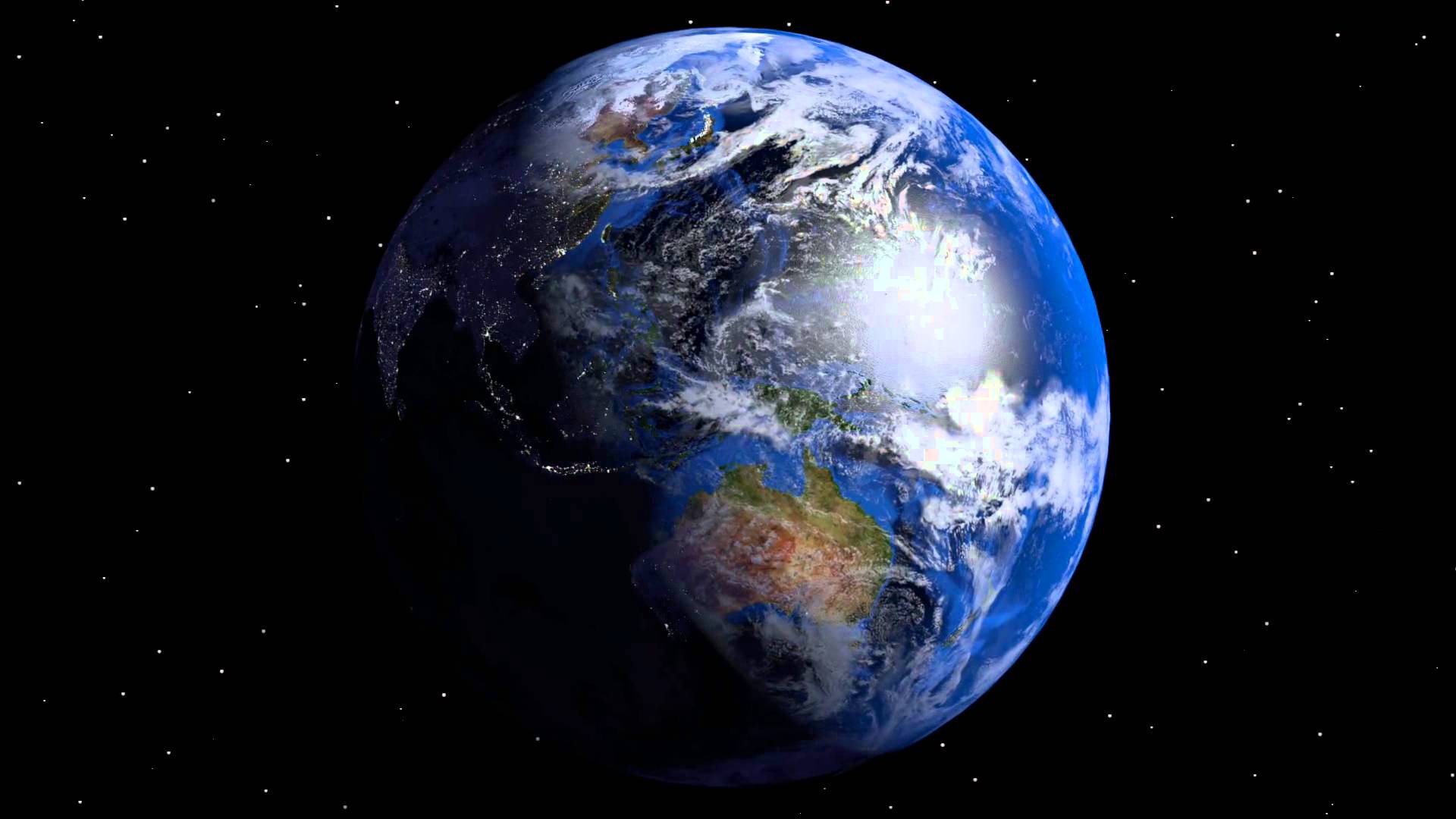
Label the diagram
Day
Night

Half of the globe is shaded darker, this represents
(a) . The brighter side represents (b)


What is the gradual change in appearance of the Moon called?
Solar Cycle
Moon Phase
Lunar Cycle
Celestial Shift
When is the Sun-facing side of the Moon not lit by sunlight?
During full moon
During new moon
During eclipses
During half moon
Match the following moon phases.

3rd quarter

full moon

1st quarter

new moon


What is the phase of the Moon called when it is completely illuminated and visible from Earth?
New Moon
First Quarter
Waxing Gibbous
Full Moon

Which phase comes immediately after the New Moon?
Waxing Crescent
Waning Crescent
First Quarter
Full Moon

What is the phase of the Moon called when it is half illuminated on the right side as seen from Earth?
Waxing Crescent
First Quarter
Waning Gibbous
Last Quarter
During which phase is the Moon not visible from Earth?
Full Moon
Last Quarter
New Moon
Waxing Gibbous

What is the phase of the Moon called when more than half but not fully illuminated on the right side as seen from Earth?
Waxing Crescent
Waxing Gibbous
Waning Crescent
Waning Gibbous

Which phase follows the Full Moon as the Moon's visible light begins to decrease?
Waxing Gibbous
Waning Gibbous
First Quarter
New Moon
What is the phase of the Moon called when it is half illuminated on the left side as seen from Earth?
First Quarter
Waxing Gibbous
Last Quarter
Waxing Crescent
Which phase comes immediately before the New Moon?
Waxing Crescent
Waning Gibbous
Waning Crescent
First Quarter
How many days does it take to complete one Lunar Cycle?
15 days
29.5 days
365 days
7 days
What does the term "waxing" in the lunar cycle refer to?
The moon disappearing
The moon growing smaller
The moon growing larger
The moon staying the same size
What does "waning" mean in the context of the lunar cycle?
The moon growing larger
The moon growing smaller
The moon changing color
The moon moving closer to Earth
What fraction of the Gibbous moon appears lit and is facing Earth?
Less than 1/4
Exactly 1/2
About 3/4
Full moon
How are metamorphic rocks formed?
cementing and compacting
weathering and erosion
cooling and hardening
heat and pressure
Shelly is classifying rocks in her collection. She knows that limestone often contains fossils. In which category would these rocks be classified?
metamorphic
igneous
sedimentary
granite
Pumice is formed when lava from a volcano cools. Which rock type is pumice?
Metamorphic Rock
Sedimentary Rock
Gaseous Rock
Igneous Rock
The presence of an animal fossil in a rock gives evidence of
what hunting behaviors the animal used
how many babies the animal had
exactly when the animal was born
the time period the animal lived in
What layer of Earth is located just below the crust?
Outer core
Mantle
Inner Core
Continental Shelf
Which layer of Earth is the thinnest?
Mantle
Outer Core
Inner Core
Crust

What kind of material makes up the Crust?
solid rock
solid iron and nickel
liquid iron and nickel
magma

What kind of material makes up the Mantle?
solid rock
solid iron and nickel
liquid iron and nickel
magma

What kind of material makes up the outer core?
solid rock
solid iron and nickel
liquid iron and nickel
magma

What kind of material makes up the inner core?
solid rock
solid iron and nickel
liquid iron and nickel
magma
What most likely happens as the plates slide past each other?
A mountain forms
An earthquake occurs
The ocean floor widens
Magma comes to the surface
What type of plate tectonic boundary has two plates that pull away from each other?
Divergent
Convergent
Transform
Mountain
What type of plate tectonic boundary has two plates that collide into each other?
Divergent
Convergent
Transform
Mountain
What type of plate tectonic boundary has two plates that slide past each other?
Divergent
Convergent
Transform
Mountain
Which of these often occur as the Earth's crustal plates move?
Tornadoes
Earthquakes
Floods
Hurricanes
Magma, gases, and ashes can erupt through vents in the Earth's surface called —
earthquakes
hurricanes
volcanoes
trenches
The breaking down of all rocks is called —
melting
erosion
weathering
earthquakes
Changes to a land surface caused by a river flowing through the area for many years washing away the land. Which process caused the changes to the surface?
erosion
condensation
pollution
evaporation
Which action can be used to prevent soil erosion?
Raising grazing animals
Spraying with water
Digging ditches
Planting grass
Which of these is an impact made by humans?
Marble being dug from a rock quarry
Marble forming from sedimentary rock
Oceans drying and exposing limestone
Limestone forming from shells of ocean animals
How do buried remains of plants and animal life become fossil fuels?
Weathering and erosion
Millions of years of heat and pressure
Depositing sediments
Cooling pressure from topsoil
Two examples of fossil fuels are (a) and (b) .
Organize the steps of formation of sedimentary rocks from start to finish
Weathering
Erosion
Deposition
Compaction
Cementation
Two examples of fossil fuels are --

The layers in the canyon's sedimentary rock were most likely created by (a)

Which layer is the oldest?
(a)
Which layer is the youngest?
(a)
Which layer is younger than layer 4?
2
1
6
3
What are fossil fuels made out of?
rocks buried underneath the Earth
dead organisms changed by heat and pressure
living plants using photosynthesis
magma preserved under the Earth's crust
Which of the following is NOT something needed to create a sedimentary rock?
High pressure
Thousands of years (time)
Decaying organisms
Cementation

A (a) is created by the slowing down of sediment that is deposited at the mouths of rivers.
Sediment moving through rivers and depositing in the ocean can form layers over time. These layers can also be called ______________.
igneous rocks
metamorphic rocks
sedimentary rocks
sand dunes
What do you need to change dead organisms into fossil fuels? (Choose 3)
bacteria
hot temperatures
carbon
high pressure

Fossil B was once a marine organism. This means the environment that it lived in was most likely ___________.
a desert
a lake
a forest
an ocean

Which two words can best complete the order in the process shown?
1. (a)
2. Sediment is created
3. Erosion
4. (b)
5. Compacting
6. Cementation into Rocks
Sediments can turn into a Sedimentary Rock.
What helps it stick together in one piece?
Small minerals fill the spaces and cement it together.
Organisms get trapped and decay into glue.
Bacteria changes the sediment into cement.
Heat melts the sediment and it is fused together

Fossil B is an ancient marine mollusk that has been found in tall mountains. This tells us that-
Fossils can be carried up a mountain.
The rocks at the top of the mountain used to be underwater.
The rocks at the top of the mountain used to be in the desert.
It is impossible that marine mollusks existed in the past.
Which picture shows an example of compaction when making sedimentary rocks?


Which picture shows an example of cementation when making sedimentary rocks?

Which picture shows an example of deposition?


Which picture shows an example of weathering?

Match the following Word Associations
Fossils
Decaying/Past
Sedimentary Rock
Layers
Compact
Push Down
Cemented
Stick Together
Dead Organisms
Dead Plants and Animals


ice forming on a lake
dew forming on grass

flooding from rivers and streams

Water is changing from a gas to a solid.

Boston, Massachusetts, contains a high
amount of moisture. Which of the
following best explains why there is a
high amount of moisture in the air?
Boston is far north of the equator.


