
NEW
Font size
 Worksheets
Brain and Study Skills
Total questions: 35
Worksheet time: 12mins
Which of the following is a key component of study skills?
Brain POWER
Active Listening
Procrastination
Closing
Which topic is likely to help in reducing procrastination?
Active Listening
Study Skills
Time Management
Closing
What study skill involves understanding and carrying out instructions?
Organization
Time Management
Following Directions
Active Listening
Which study skill is essential for effectively managing tasks and deadlines?
Organization
Active Listening
Following Directions
Time Management
Why is organization important when following directions?
It helps in multitasking.
It ensures tasks are completed in a random order.
It allows for better focus and efficiency.
It encourages skipping steps.
What is an important aspect of time management?
Following Directions
Organization
Brain POWER
Closing
What is procrastination?
Completing tasks ahead of time
Putting off tasks for later
Doing tasks immediately
Avoiding tasks altogether
Why can procrastination make things harder in the long run?
It allows more time for relaxation
It leads to better quality work
It causes last-minute stress and rushed work
It helps in better time management
What is one strategy to make large tasks more manageable?
Break tasks into smaller steps
Work on multiple tasks at once
Avoid scheduling
Ignore deadlines
Why is it important to create a schedule?
To avoid doing any work
To allocate specific times for tasks
To increase distractions
To eliminate the need for planning
How can using a timer help with productivity?
It encourages procrastination
It keeps you on track for a specific period
It makes tasks more overwhelming
It reduces the need for a schedule
What is a benefit of staying organized?
It increases clutter
It helps keep track of what needs to be done
It encourages procrastination
It eliminates the need for planning
How can staying positive help overcome procrastination?
It links tasks to negative feelings
It reminds you of the benefits of completing tasks
It increases stress about tasks
It encourages avoidance of tasks
What is the main purpose of the Pomodoro Technique?
To increase productivity by working continuously without breaks
To manage time by alternating work and breaks
To focus on long-term projects without interruptions
To reduce the amount of work done in a day

What follows after four work sessions in the Pomodoro Technique, according to the diagram?
5-minute break
20-30 minute break
10-minute break
15-minute break
What is the term for delaying tasks that need to be done?
Organization
Study Skills
Procrastination
Brain POWER
What is essential for effectively retaining and recalling information?
Study Skills
Procrastination
Closing
Organization
What weighs about three pounds, uses electrical impulses, and stores unlimited amounts of information or data?
The human brain
A smartphone
A supercomputer
A hard drive
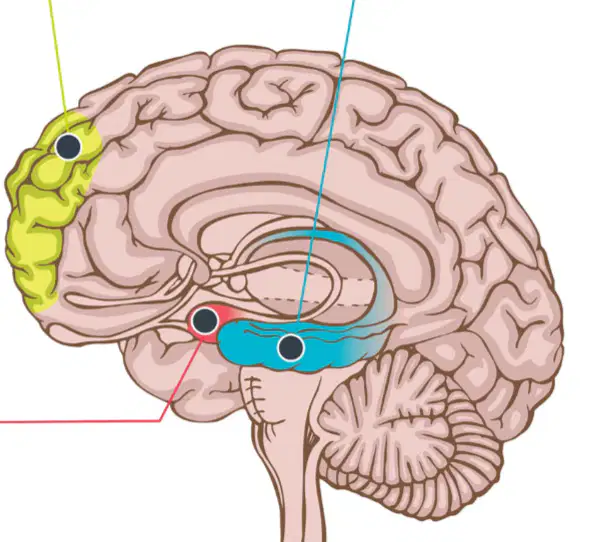
What part of the brain is responsible for processing emotions and is labeled in red in the diagram?
Cerebellum
Prefrontal Cortex
Amygdala
Hippocampus
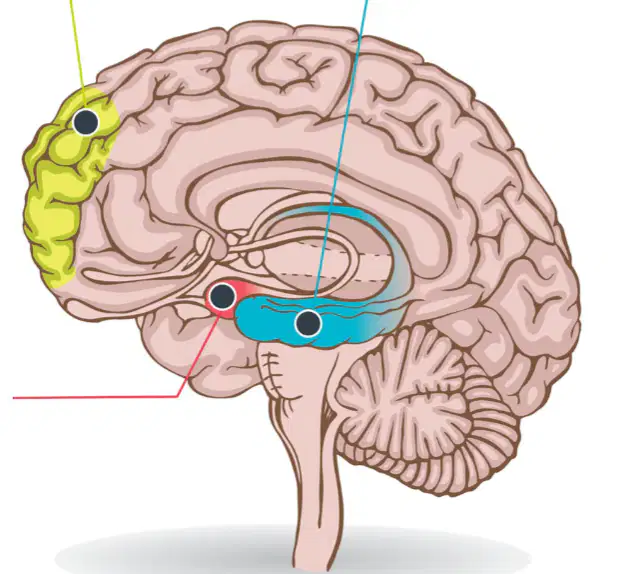
Which part of the brain, shown in yellow in the diagram, is involved in decision making and problem solving?
Brainstem
Prefrontal Cortex
Hippocampus
Amygdala
What part of the brain is primarily responsible for learning and memory?
Prefrontal Cortex
Hippocampus
Amygdala
Cerebellum
Which of the following is NOT a calming technique?
Meditation
Muscle Relaxation
Eating Junk Food
Gratitude

Which of the following is a key study skill that involves managing your schedule effectively?
Active Listening
Time Management
Organization
Following Directions

What study skill focuses on understanding and executing given instructions?
Active Listening
Following Directions
Organization
Time Management

Which study skill is essential for effectively taking notes and understanding lectures?
Time Management
Active Listening
Organization
Following Directions

Which study skill involves keeping your materials and tasks in order?
Time Management
Organization
Active Listening
Following Directions
Which of the following is a benefit of following directions?
Improved understanding
Increased confusion
Lack of organization
Poor time management
Why is time management important when following directions?
It helps in completing tasks efficiently.
It causes delays in task completion.
It leads to disorganization.
It increases safety risks.
How does following directions contribute to safety?
It reduces the risk of accidents.
It increases the chance of errors.
It causes confusion.
It leads to time wastage.

Which of the following is a key component of active listening?
Looking away frequently
Interrupting the speaker
Making eye contact
Talking over the speaker
Which of the following is a characteristic of hearing, not listening?
Focused
Voluntary
Involuntary
Intentional
Active listening helps prevent which of the following?
Understanding
Respect
Misunderstandings
Caring
What is a key difference between hearing and listening?
Hearing is focused
Listening is accidental
Hearing is voluntary
Listening is intentional
What is the primary focus of study skills?
Memorizing facts
Understanding and applying concepts
Ignoring instructions
Listening passively
Why is following directions important?
It helps in completing tasks accurately
It allows for more free time
It is not important
It makes tasks more difficult

