
 Worksheets
Sanitation & Traps
Total questions: 34
Worksheet time: 20mins
Sanitation in plumbing systems refers to the measures and practices that ensure the safe and effective removal of waste and wastewater to prevent contamination and promote health.
Measures to enhance water pressure
Practices to ensure safe waste removal
Techniques for water heating
Methods for pipe installation
The primary function of traps is to:
prevent sewer gases from entering buildings by providing a water seal that blocks the gases
allow sewer gases to enter buildings
increase water flow in pipes
reduce water pressure in pipes
A water seal is a barrier of water in a trap that prevents sewer gases from passing through. Why is it important?
It maintains hygiene and prevents odors.
It allows sewer gases to pass through.
It is used to increase water pressure.
It is a decorative feature.

What do you know about above ground drainage? Please include the different sizes of waste pipe, clipping distances, and their gradient fall.
Above ground drainage involves specific sizes of waste pipes, clipping distances, and gradient fall.
Above ground drainage is only about the sizes of waste pipes.
Above ground drainage does not involve clipping distances.
Above ground drainage is unrelated to gradient fall.
What are some important aspects of sanitation that should be considered in daily life?
Personal hygiene, waste disposal, and clean water access
Only personal hygiene
Only waste disposal
Only clean water access
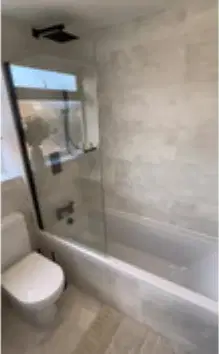
Looking at this newly fitted bathroom with its sleek lines and modern fixtures, what are some of the critical considerations and potential consequences that highlight the importance of meticulous planning and accurate installation of the waste pipe system beneath what we can see? What would be the consequences if we did not get this right?
Proper alignment, sealing, and slope of the waste pipes to prevent leaks, blockages, and water damage.
Ignoring the aesthetics of the bathroom fixtures.
Choosing the most expensive fixtures available.
Focusing solely on the color scheme of the bathroom.

What is the correct slope for drainage pipes to ensure both liquids and solids drain out?
No slope
1/4" to 1/2" per foot
More than 1/2" per foot
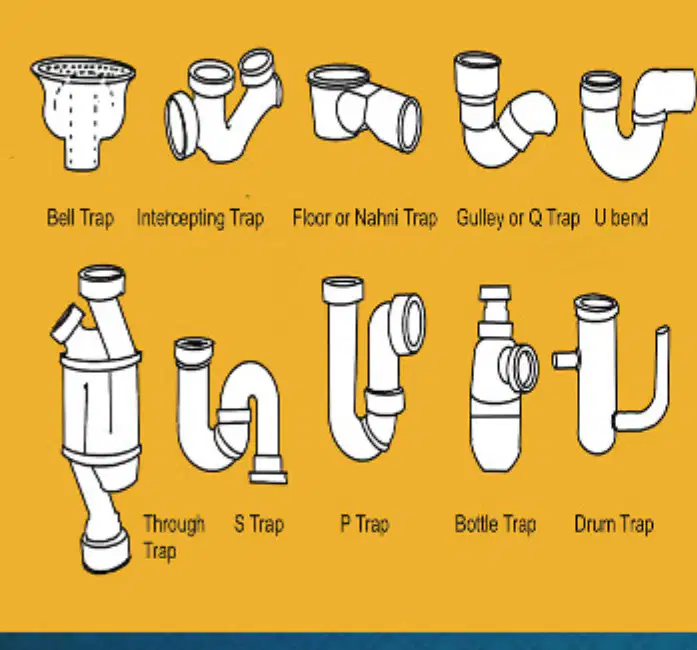
The purpose of a Bell Trap in sanitation is to:
allow water to drain while preventing sewer gases from escaping
trap solid waste materials
increase water pressure in pipes
filter impurities from water
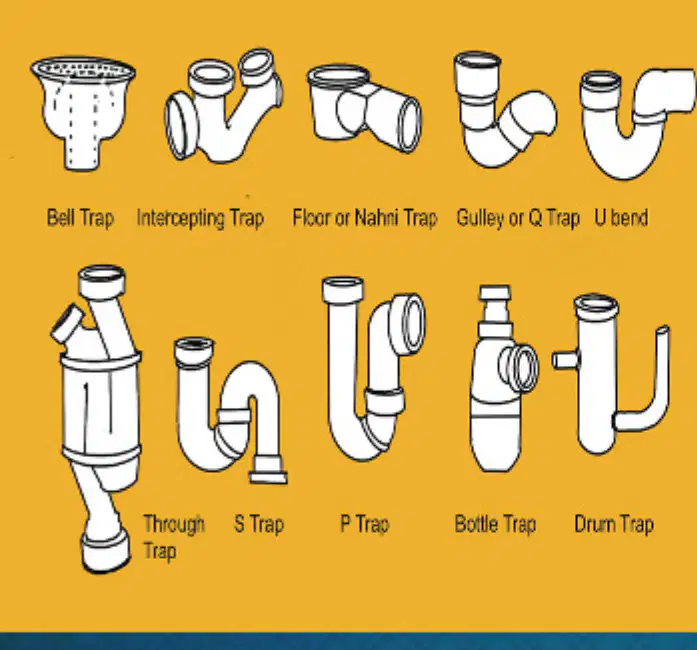
Which trap is used to intercept solid waste in drainage systems?
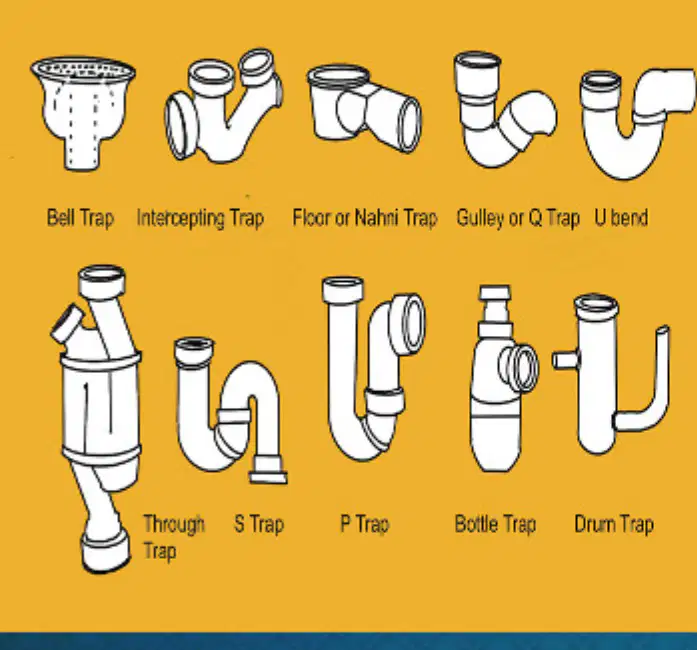
The _______ Trap is commonly used in floor drainage systems.
Floor or Nahni
Water
Air
Grease
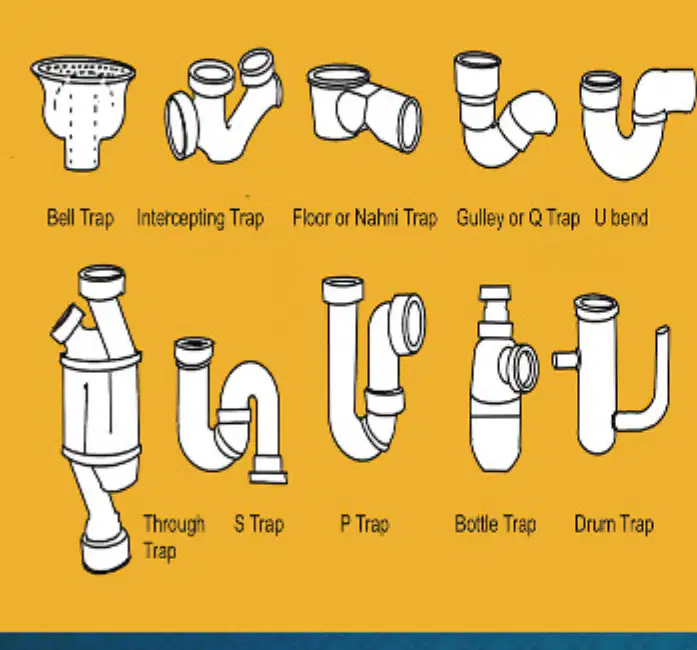
Which trap is known for its U-shaped bend?
P-trap
S-trap
U-bend
Q-trap
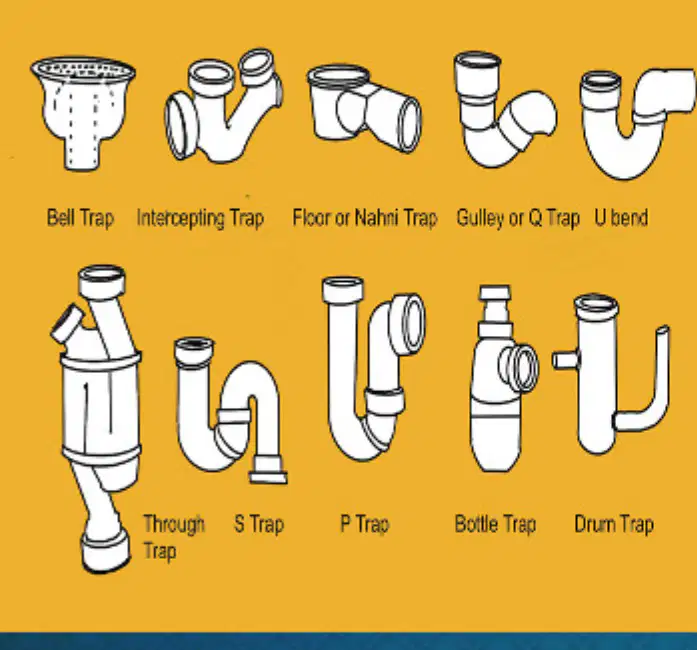
The function of a Gulley or Q Trap is to:
prevent sewer gases from entering buildings while allowing water to drain
allow sewer gases to enter buildings while preventing water from draining
store rainwater for future use
filter impurities from drinking water
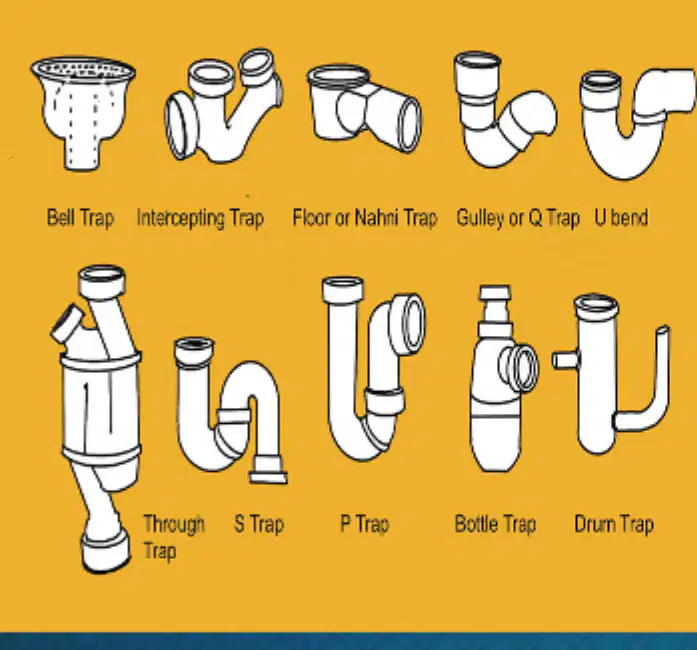
The _______ Trap is used to prevent backflow in drainage systems.
S Trap
P Trap
U Trap
J Trap
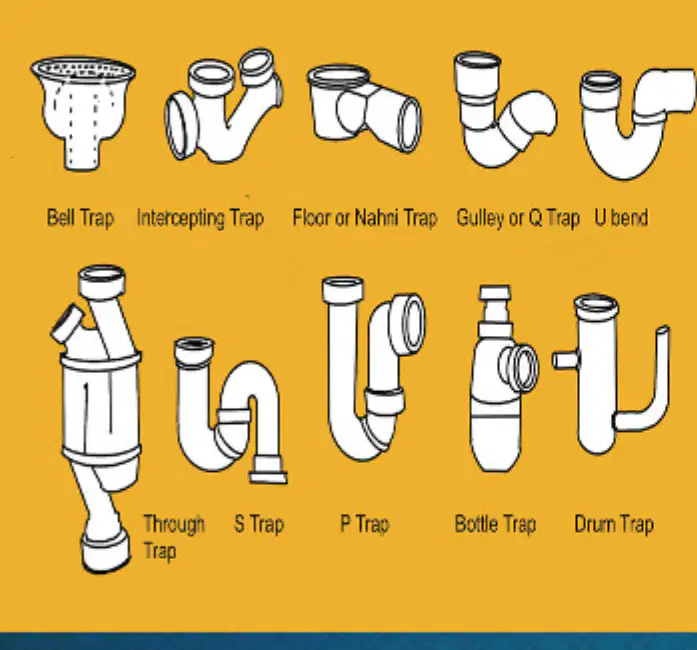
Which trap is typically used in bottle-shaped drainage systems?
(a)
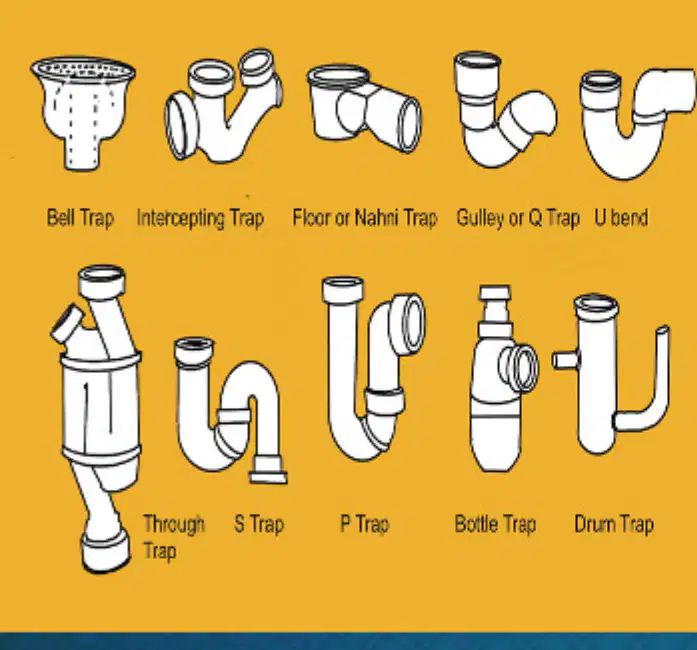
The primary use of a Drum Trap in plumbing is:
To trap debris and prevent it from entering the drainage system.
To increase water pressure in pipes.
To filter water for drinking purposes.
To connect different pipe sizes.
The _______ Trap is designed to allow water to pass while blocking sewer gases.
P Trap
S Trap
U Trap
J Trap
Which trap is used to maintain a consistent gradient in connecting pipework?
Through Trap
P Trap
S Trap
Bottle Trap
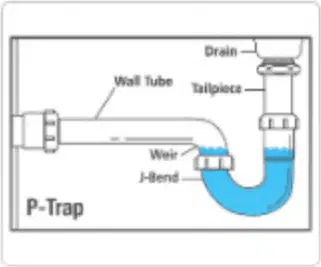
The most important function of a trap is to:
prevent sewer gases from entering the building
allow water to flow freely
trap solid waste
reduce water pressure
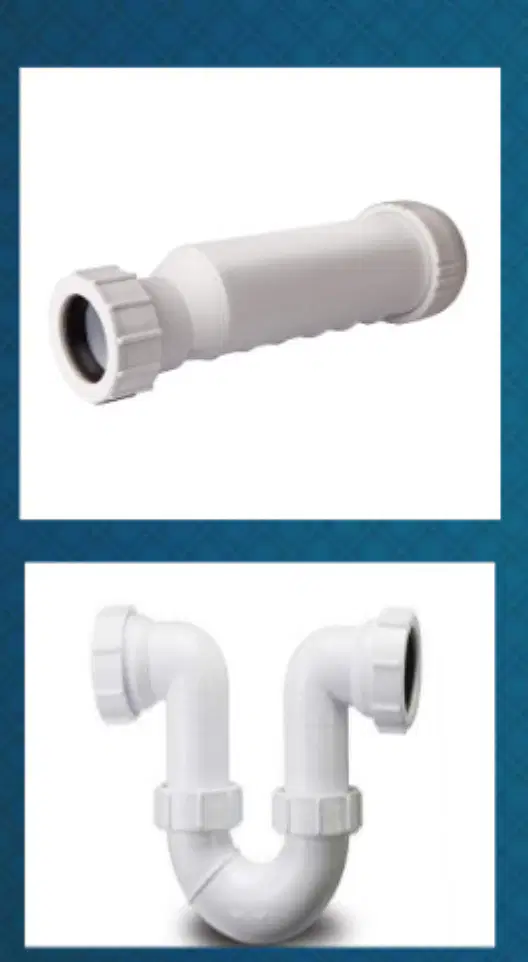
What is an In-line Trap used for?
Used on wash basins
Used on groups of appliances
Installed on run of waste pipe
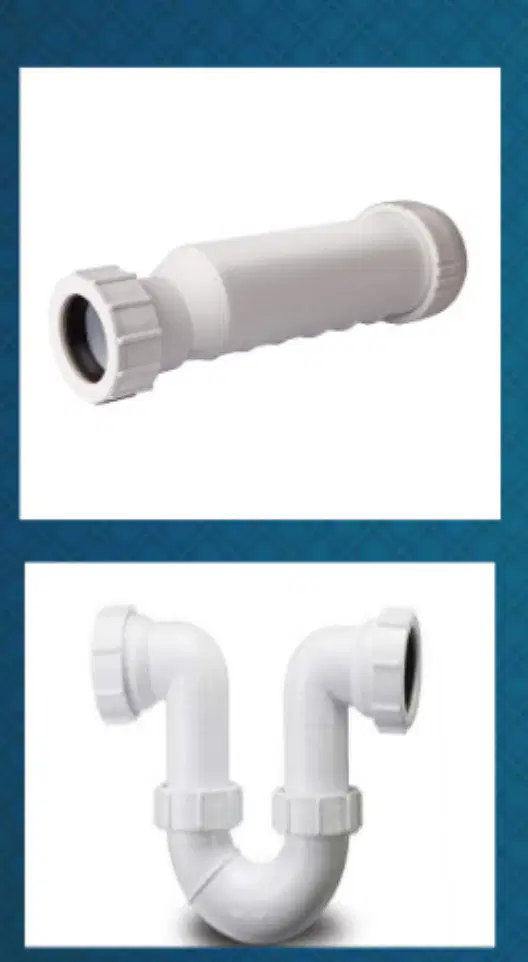
Fill in the blank: A Running trap is used on groups of appliances instead of ________ traps.
individual
group
multiple
common
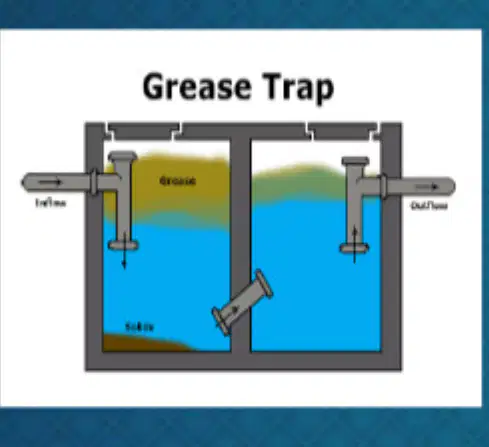
What is the purpose of a Grease Trap?
To intercept fats, oils, and grease (FOG) and solids to prevent drain blockages, sewer backups, and environmental contamination in commercial settings.
To increase water flow.
To reduce noise in plumbing systems.
To enhance water quality.
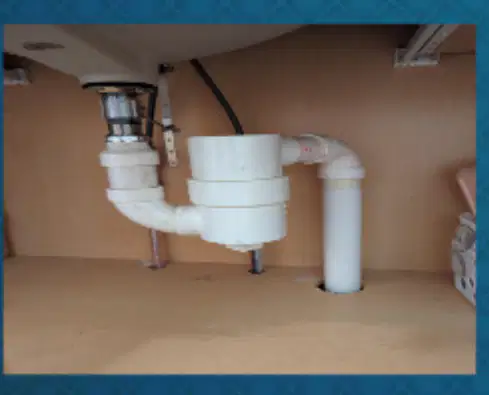
A Drum Trap is prone to _______.
Clogging
Leaking
Rusting
Freezing
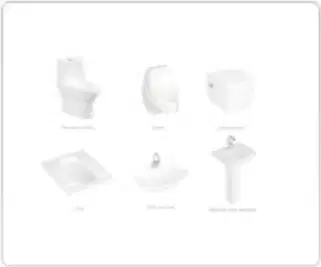
Which of the following is a common sanitation appliance?
Toilet
Refrigerator
Television
Microwave

Match the following sanitation-related items with their corresponding images:
Sink
Image of a sink
Pipe
Image of a pipe
Washing Machine
Image of a washing machine
Shower
Image of a shower
Basin
Image of a basin
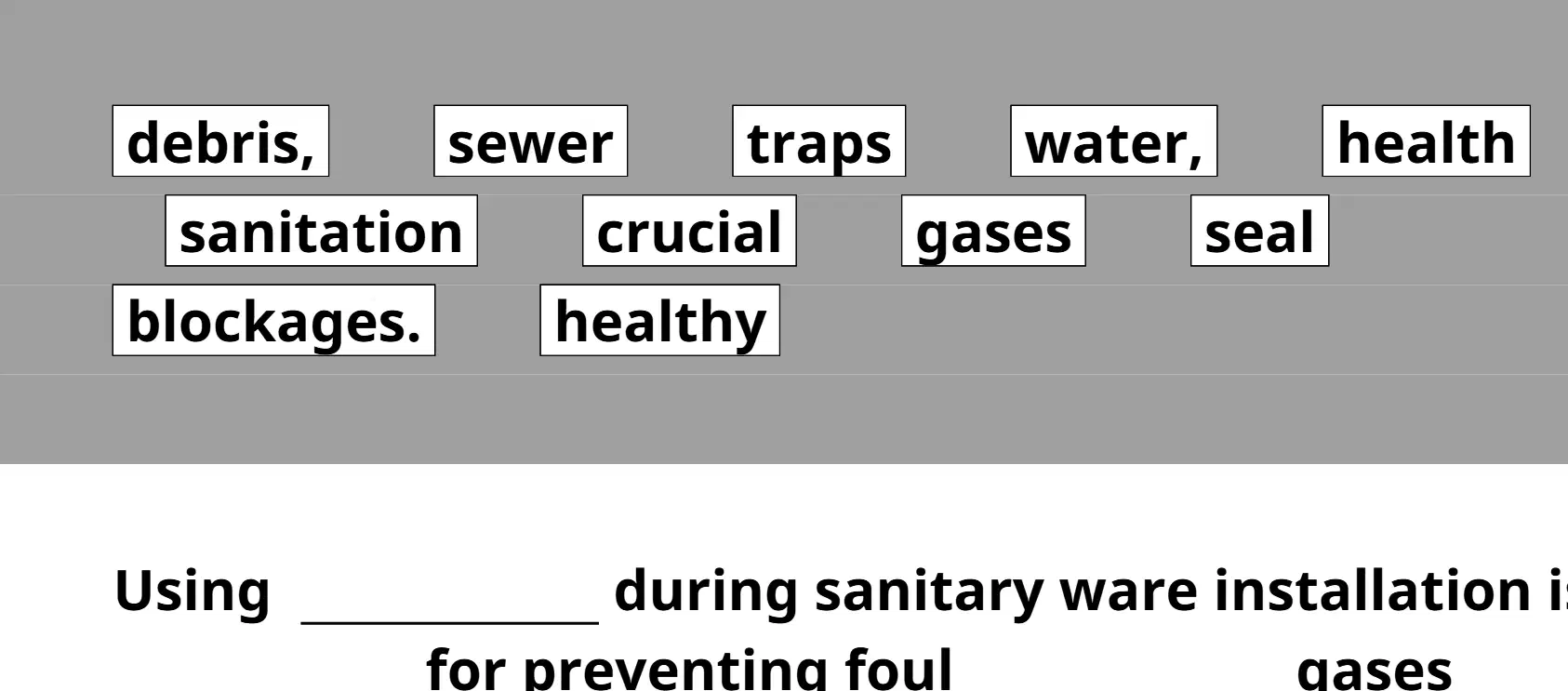
Using _________ during sanitary ware installation is _________ for preventing foul _________ gases from entering buildings, ensuring a _________ and odour-free environment. The U or S-shaped pipe design retains a small amount of _________ creating a vital _________ against these harmful _________ and potential pests. Traps also catch _________ minimizing the risk of pipe _________. Building regulations often mandate their use to.
traps, crucial, sewer, healthy, water, seal, gases, debris, blockages
pipes, optional, water, clean, air, barrier, odors, waste, leaks
valves, unnecessary, chemical, safe, liquid, shield, fumes, particles, clogs
filters, important, natural, fresh, fluid, defense, vapors, dirt, obstructions
Safeguard public __________ and maintain proper __________ within properties.
health; sanitation
safety; order
order; cleanliness
security; hygiene
What is the primary function of a waste trap in plumbing?
Filter out solid waste before it enters the drainage system.
To prevent foul-smelling gases from the sewer line from entering a building.
To regulate the flow of wastewater out of a fixture.
Collect and store wastewater for later disposal.
What is the common element found in most waste traps that creates the seal against sewer gases?
A mechanical valve
A chemical neutralizer
A body of standing water
A mesh filter
Which of the following is the most common type of waste trap found under sinks?
Drum trap
Bottle trap
P trap
S trap
What is a potential disadvantage of an S-trap compared to a P-trap?
S-traps are more prone to blockages.
S-traps are more difficult to install.
S-traps can lose their water seal due to siphonage.
S-traps are less effective at preventing sewer gases
What can cause a waste trap to lose its water seal?
Excessive water flow
Minor blockages
Evaporation due to infrequent use
Changes in water temperature
What is the term for the process where the water in a trap is sucked out due to pressure differences in the drainage system?
Ventilation
Siphonage
Sedimentation
Oxidation
What is the primary purpose of a grease trap?
To prevent solid food waste from entering the sewer line.
To separate fats, oils, and grease (FOG) from wastewater.
To neutralize acidic wastewater.
To increase the water pressure in the drainage system.
How can you typically restore the water seal in an evaporated waste trap?
By adding a chemical sealant.
By physically manipulating the trap.
By running water down the drain.
By disassembling and cleaning the trap.

