
 Worksheets
Earth Science EOY Review
Total questions: 40
Worksheet time: 1hrs 8mins
Includes oceans, freshwater, streams, lakes and glaciers.
Hydrosphere
Biosphere
Geosphere
Atmosphere
This sphere interacts will ALL other Earth's spheres.
Geosphere
Hydrosphere
Atmosphere
Biosphere
The rigid layer of Earth made up of the crust and uppermost part of the mantle.
Asthenosphere
Lithosphere
Inner Core
Outer Core
Which layer of Earth makes up the majority of Earth's mass?
Lithosphere
Mantle
Inner Core
Outer Core
Which layer of Earth is a solid layer of iron and nickel due to intense pressure?
Asthenosphere
Mantle
Inner Core
Outer Core
Which of the following theories is Continental Drift connected to?
Plate Tectonics
Evolution
Gravity
Nebular Hypothesis

What is NOT an interaction between the Earth and the Sun?
Seasons
Ocean Currents
Climate
Mineral deposits
Which tectonic plate movement could form transform faults?
Plates spreading apart
Plates sliding past each other
Plates colliding and crumpling
One plate sinking under another
All of the Earth's water is found in which sphere?
Geosphere
Hydrosphere
Biosphere
Atmosphere
In which sphere are all LIVING things found?
Biosphere
Lithosphere
Asthenosphere
Atmosphere
Which layer of Earth is responsible for the movement of tectonic plates?
Inner Core
Lithosphere
Asthenosphere
Outer Core
Which process is responsible for the formation of mountains?
Volcanic Eruption
Erosion
Plate Tectonics
Weathering
Volcanic activity is most likely to be found at which type of plate boundary?
transform
convergent
divergent
transvergent

On which day did it most likely snow in Greenville, SC?
a. January 23
b. January 24
c. January 25
d. January 26

Compared with the climate in Columbia, South Carolina, winters in Des Moines, Iowa are more likely to be very cold with a great amount of snow because _______________.
a. Des Moines is located further north than Columbia.
b. Des Moines is located very close to the Arctic Circle.
c. Des Moines is located in an area with many mountains.
d. Des Moines is located closer to a large source of moisture.
What is the greenhouse effect?
A natural process where gases trap heat in the atmosphere.
A man-made process where gases trap heat in the atmosphere.
A natural process where the ocean traps heat in the atmosphere.
A man-made process where the ocean traps heat in the atmosphere.
Which of these is NOT a greenhouse gas?
Carbon Dioxide
Nitrous Oxide
Oxygen Gas
Methane
What is the MOST significant way that humans contribute to the greenhouse effect?
We do not contribute to the greenhouse effect.
We burn fossil fuels.
We practice animal agriculture.
We make too much waste.
In the past hundred years, the overall amount of greenhouse gases in the atmosphere has...
decreased
stayed about the same
increased
Without the greenhouse effect, the Earth would be...
colder.
about the same.
warmer.
By adding more greenhouse gases to the atmosphere, humans are...
decreasing the average temperature of Earth.
not affecting the average temperature of Earth.
increasing the average temperature of Earth.
SELECT ALL THAT APPLY: The consequences of man-made global warming includes...
An increase in average temperature.
More severe weather events.
A rise in sea levels.
People being displaced from their homes.

According to this chart, cellular respiration...
takes Oxygen Gas and produces Carbon Dioxide.
takes Carbon Dioxide and produces Oxygen Gas.
The process by which a liquid changes into a gas?
evaporation
climate
global warming
El Nino
The process by which a gas changes into a liquid?
evaporation
condensation
planet order
rotation
Any form of water that falls from clouds; such as rain or snow?
precipitation
condensation
lunar cycle
water cycle
resources that nature can produce again and again in a short period of time- LUMBER
renewable resources
nonrenewable resources
erosion
deposition
resources that nature cannot replace quickly enough to meet people's needs -FOSSIL FUELS
renewable resources
nonrenewable resources
erosion
deposition
fuels formed in the ground from the remains of dead plants and animals - GAS, OIL, PETROLEUM
rotation
climate
erosion
fossil fuels
the spinning of a planet, moon, or star on its axis
rotation
climate
fossil fuel
deposition
Pluto's orbit lasts over over 90,000 days.
Mercury's orbit lasts 88 days.
What does the Geocentric system look like?
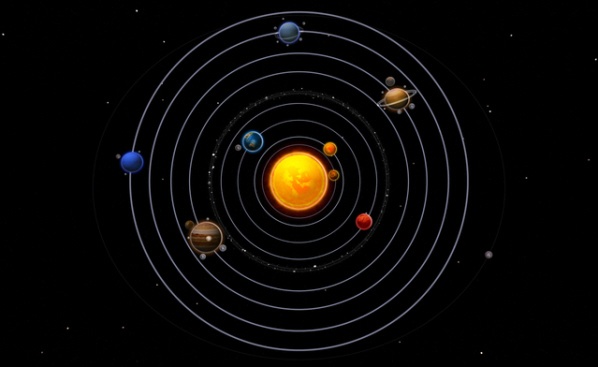
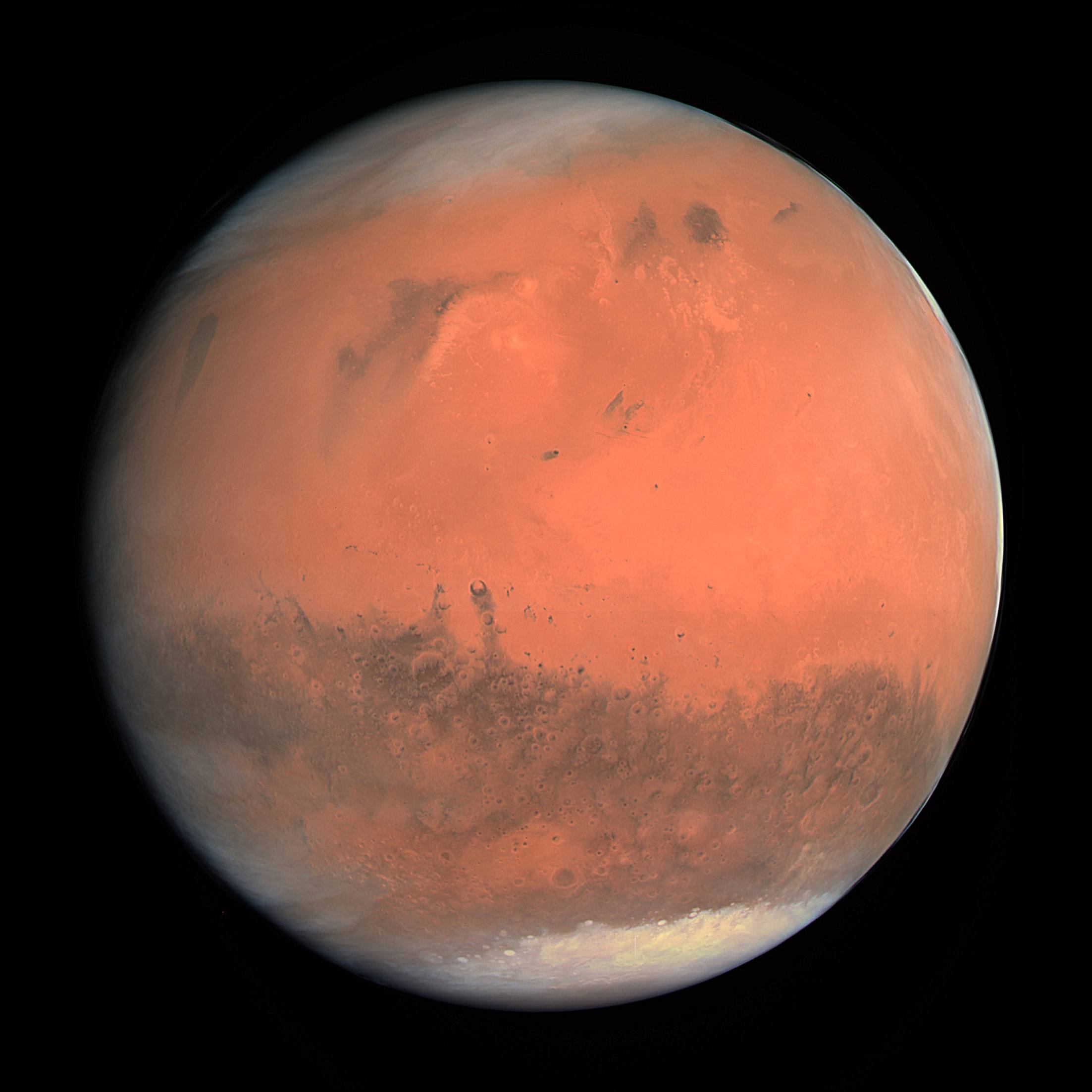
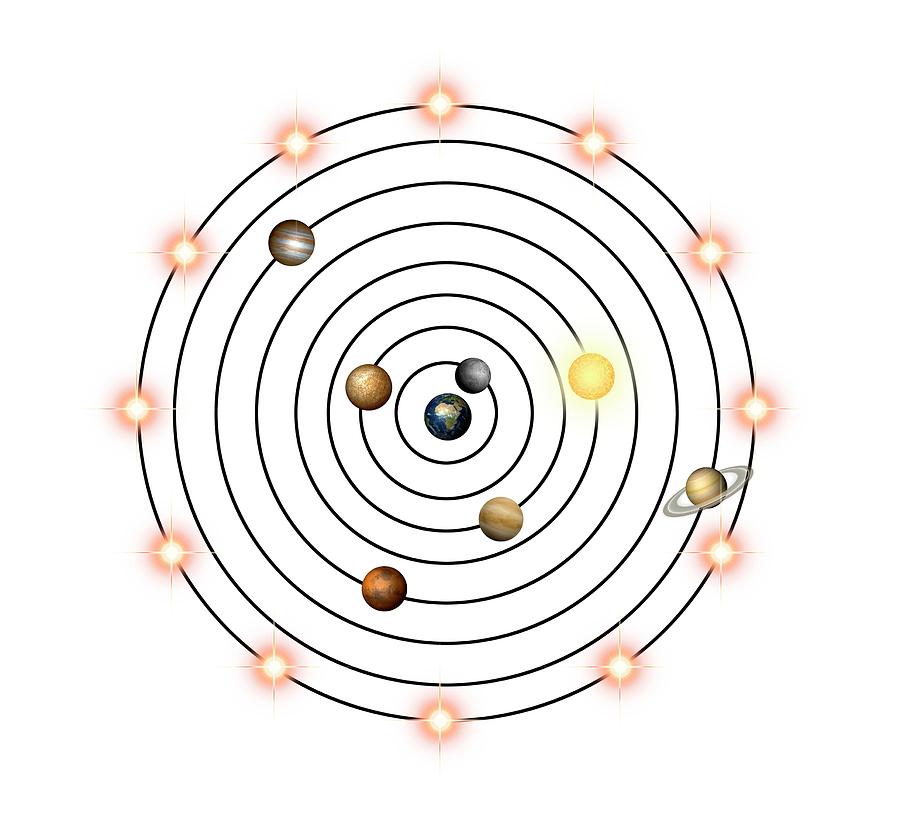
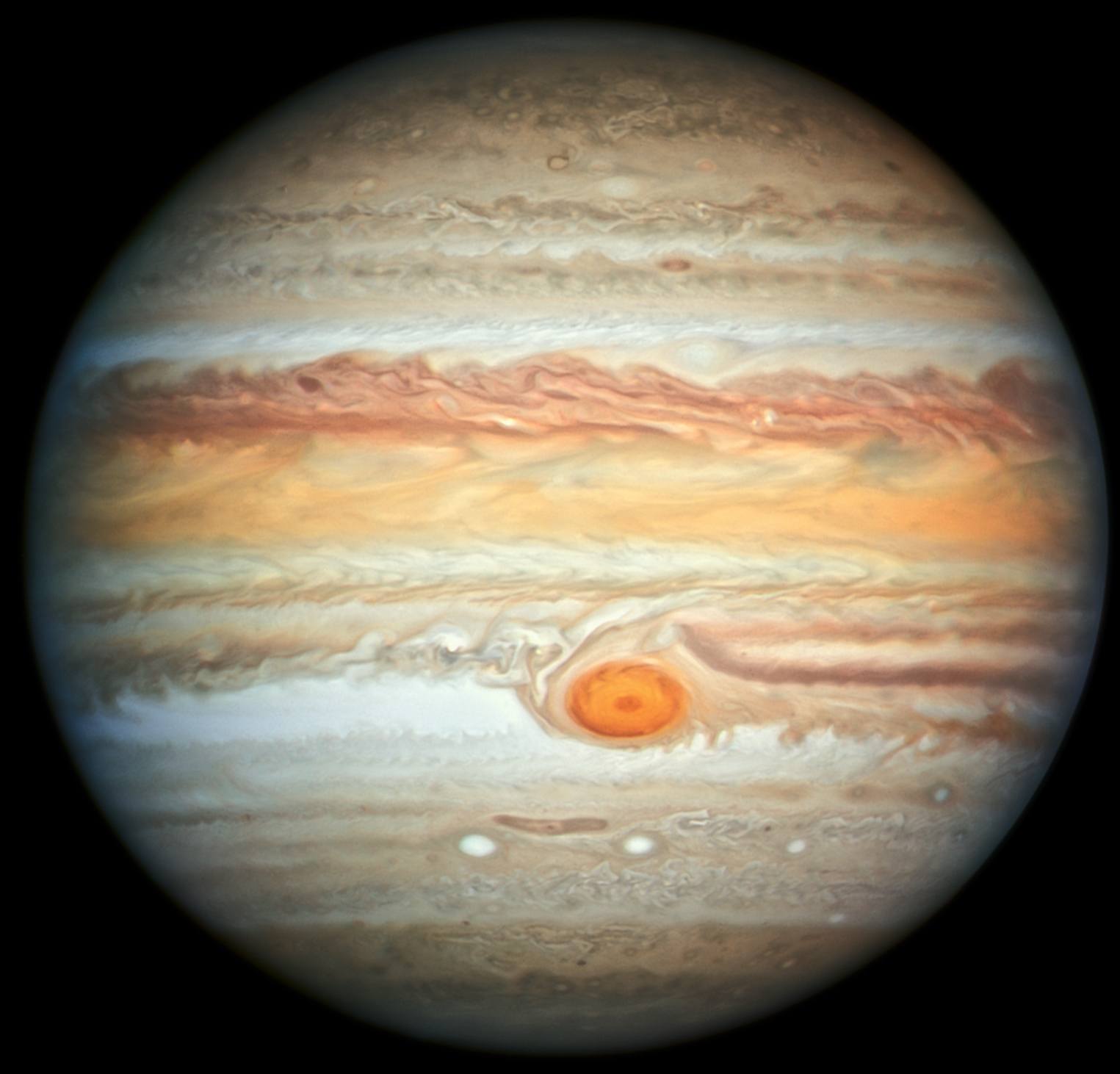
What does the Heliocentric system look like?


This process takes place in the core of the Sun and combines two smaller hydrogen atoms into a larger helium atom.
Fusion
Fission
Chemistry
Radiation
The process by which rocks are broken down.
Erosion
Weathering
Sedimentation
Metamorphism

